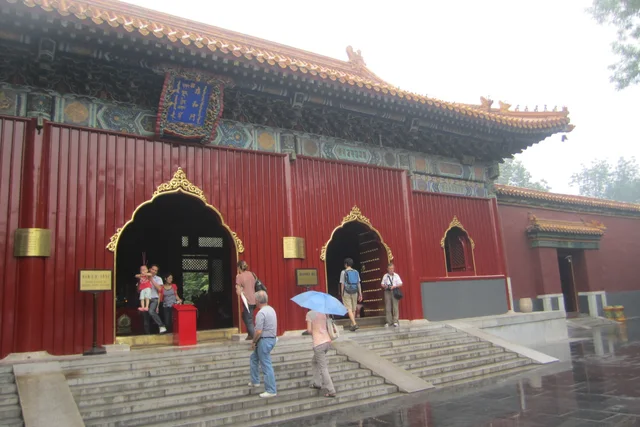
Quick understanding
- Are Lingyin Temple and Yunlin Zen Temple the same?
Yes. Lingyin Temple follows the long-standing name of the temple, and is also named "Yunlin Temple" because of the forehead granted by Kangxi. It is not two different service destinations.
- Which principal figures are venerated at Lingyin Temple?
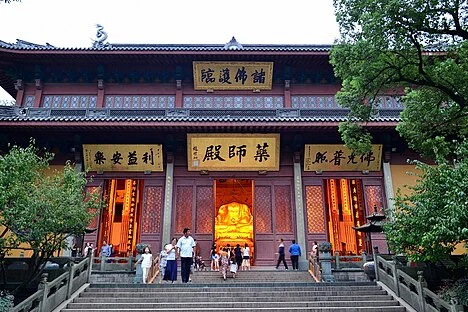
The main hall honours Shakyamuni. Medicine Buddha Hall honours the Medicine Buddha with the Sunlight and Moonlight Bodhisattvas. These halls have distinct figures and themes; the temple is not dedicated to only one Buddha.
- What is the relationship between Lingyin Temple and Feilai Peak?
Lingyin Temple is a specific Buddhist monastery beside Feilai Peak, which is a neighbouring landscape and cultural site. Distinguishing them helps separate the temple's figures venerated from the surrounding scenery.
- City where you are located
- Hangzhou, Zhejiang · West of West Lake
- Religious Tradition
- Buddhism · Zen Temple
- Principal figures venerated
- Shakyamuni Buddha; Medicine Master Hall dedicated to the Three Saints of the East
- Cultural highlights
- The name of Yunlin Temple, ancient mountain temples and Zen memory
In Lingyin Temple, put the things you care about
Lingyin Temple’s pharmacist care, Manjusri’s wisdom, Samantabhadra’s vows and Jigong culture can provide family care, growth and gratitude. Read the relationship between the characters along the specific hall, and then choose how to express your wishes.
Family well-being and care
Based on the theme of Medicine Master and Sun Moonlight Bodhisattva, it expresses recuperation, care and mutual support.
Continue to learn →Learning, Judgment and Action
Explore wisdom and practice through the Avatamsaka Triad, keeping the principal figures of different halls distinct.
Continue to learn →Identify Lingyin and Lingshun
The locations and themes of the two temples in Hangzhou are different, and Lingshun is still temporarily suspended.
Continue to learn →Between the mountains and forests, a continuous Zen temple
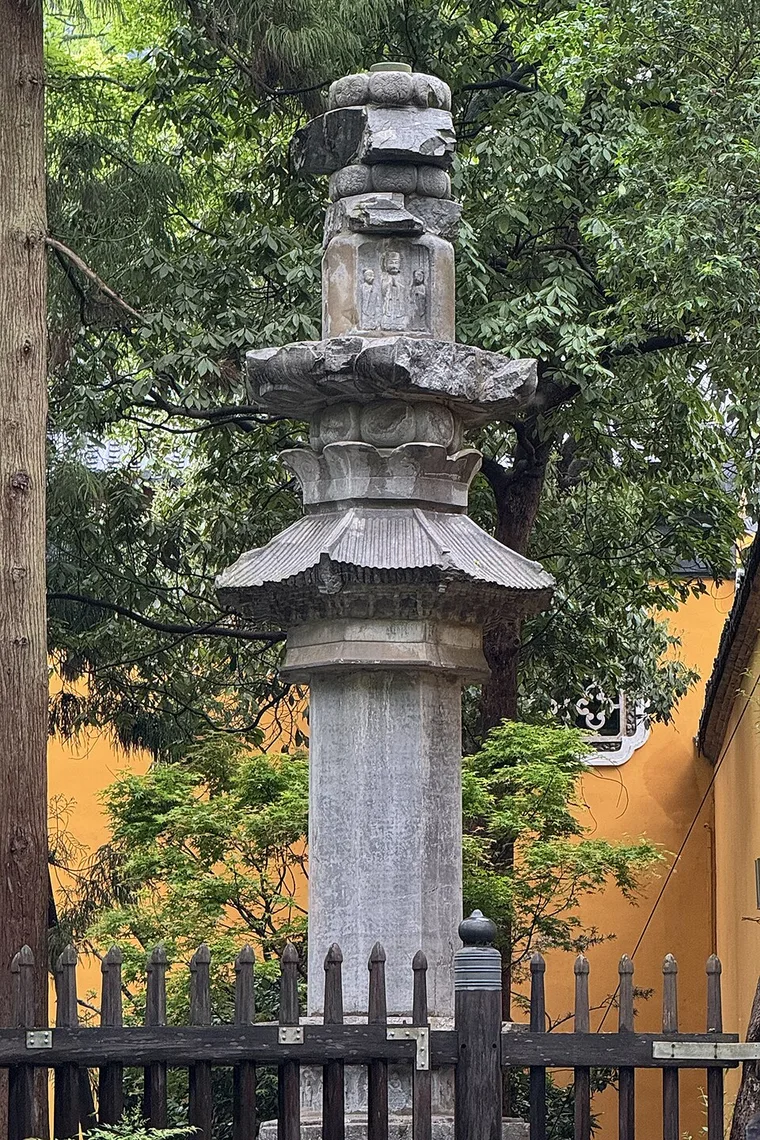
Lingyin Temple was founded in 326, the first year of Xianhe in the Eastern Jin Dynasty. It is connected with the tradition of founding the mountain by the Indian monk Huili. Its revival during the Wuyue period, its status among Zen monasteries during the Southern Song Dynasty, and its many restorations in later generations make its history more than just an ancient founding year. It is a temple that has been continuously rebuilt, studied and worshiped in different eras. Today's buildings and statues also record this continuity.
Lingyin’s mountain and forest background is equally important: the temple is located in the mountains to the west of West Lake in Hangzhou, adjacent to Feilai Peak. Mountains, streams, trees and palaces jointly affect people's feelings about this place. Feilaifeng Statue and Lingyin Temple each have their own cultural content and can be understood by referring to each other. All nearby grottoes and buildings cannot be regarded as part of the same temple.
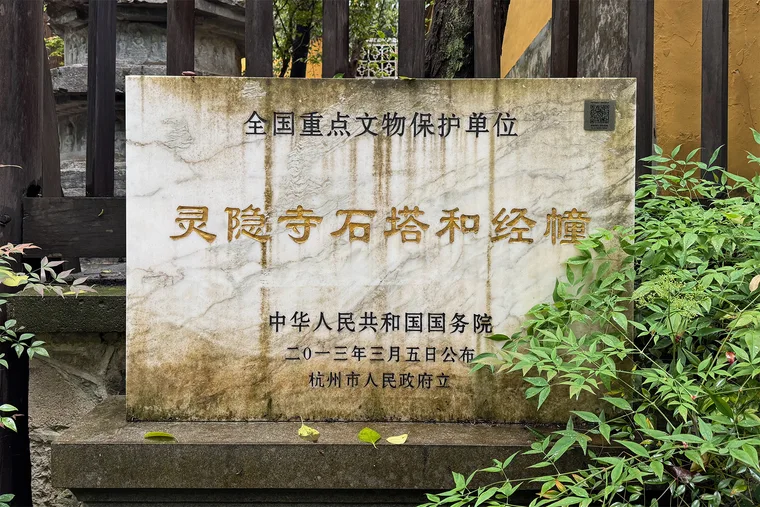
Follow history and understand Lingyin Temple
- 326 years
Huili Kaishan
The temple was founded in the Eastern Jin Dynasty, and the founding narrative became an important cultural background for Lingyin’s name.
- Wuyue period
Temple revitalization
With the support of construction and promotion of Buddhism, the history of the temple developed together with the Buddhist culture in Hangzhou area.
- Southern Song Dynasty
Famous Zen Temple
It became an important Zen temple in the south of the Yangtze River. The history of the temple is connected with cultural memories such as Jigong and Daoji.
- Qing Dynasty
Fix the problem with Yunlin
After undergoing reconstruction, the name of Yunlin Zen Temple has also entered the historical memory of the temple.
Cloud forest, wood carvings and group sculptures, several ways to understand the temple
Lingyin Temple is also known as Yunlin Temple, which is related to the history of Kangxi's inscriptions in the Qing Dynasty. The two names point to different cultural memories of the same temple: Lingyin continues the narrative of naming the mountain, while Yunlin reminds people of the clouds and trees in the mountains. The plaques on the hall are not purely decorative, but can also be clues to the history of the temple.
The Shakyamuni wood carving statue in the Mahavira Hall is made of camphor wood to create a grand scale. The fifty-three statues of the Good Fortune Boy behind the statue have shifted from a single main Buddha to a story about visits, seeking advice and growth. Paying attention to the wood, character relationships, and narrative levels will help you better understand how the sculpture conveys meaning in the temple than just remembering how tall the Buddha statue is.
Medicine Master, Manjusri and Samantabhadra: In addition to health, there is also wisdom and action
The Eastern Triad in the Medicine Buddha Hall comprises the Medicine Buddha and the Sunlight and Moonlight Bodhisattvas, associated with wellbeing, purity and care. Huayan Hall has Vairocana with Manjusri and Samantabhadra, connecting wisdom with practice. Keep these groups distinct while exploring the concerns expressed in each hall.
The wisdom represented by Manjushri can be understood as the willingness to learn, discern and ask for advice; Samantabhadra's vows of action remind people to turn their understanding into action. The story of Shan Cai Boy’s visit echoes this: growth is not about getting the answer all at once, but about continuing to learn from different kind teachers. For people who are studying, changing jobs, or facing choices, this has more understanding value than a single wish label.
In Lingyin Temple, family members have their own concerns and growth directions.
Lingyin Temple has a Medicine Buddha Hall, but not the entire temple is dedicated to the Medicine Buddha. The Mahavira Hall, Huayan Hall and Jigong culture-related spaces respectively display enlightenment, wisdom, vows and commemoration of eminent monks. Knowing which place you are reading makes it easier to connect your concerns with the meaning of the characters.
For the well-being of your family, you can clearly describe the hard work of recuperation, caregivers, and the support you hope to receive; for academic and career aspirations, you can express discernment, learning, and actions you are willing to take at the same time; when thanking, keep the helper and the experience you have gone through. The details of ordinary life can also make a heart solemn and complete.
When giving thanks, recall the original wish and precise location at Lingyin Temple. Do not substitute a similarly named temple such as Lingshun Temple. A basic visit follows Lingyin's current service list; other temples, special events or particular promises need separate confirmation. Private visit records remain linked to this request.
Understanding the halls and the figures within them
| Palace or space | Figures and cultural roles |
|---|---|
| Main Hall | Shakyamuni Buddha |
| Medicine Master Hall | the Medicine Buddha, Sunlight Bodhisattva, Moonlight Bodhisattva |
| Huayan Hall | Vairocana Buddha, Manjushri Bodhisattva, Samantabhadra Bodhisattva |
| Jigong culture related space | The commemoration and cultural inheritance of Jigong Daoji |
Main Hall
Principal figures: Shakyamuni Buddha
The main hall of the Mahavira is dedicated to Shakyamuni Buddha. Shakyamuni is the founder of Buddhism, and the story of Buddha's enlightenment begins with facing the troubles of life and leads to the wisdom of knowing oneself and the world. Devotees pay homage to Shakyamuni Buddha, often expressing their wishes for increased blessings and wisdom, peace of mind and body, peace for their families, and reduction of worries; this is also an important entrance to understand the Zen tradition of Lingyin Temple.
The fifty-three ginseng boys at the back of the palace are represented in a group sculpture, telling the story of their growth through continuous visits, advice and practice. The wisdom of the Lord Buddha and the study stories of the group sculptures jointly provide cultural clues for study, career growth and life choices: when encountering difficulties, be willing to stay awake, seek advice from trustworthy people, and put what you have learned into action. For those who are traveling to study or are adapting to a new life, this is a kind of sustenance that balances physical and mental settlement with continued growth.
Associated wishes: It can express the peace of the family, increased happiness and wisdom, reduction of worries, and clarity of study and life direction. If you are going through a job change, relocation, or an important choice, you can write down the burdens you want to let go of and the steps you want to take.
Medicine Master Hall
Principal figures: the Medicine Buddha, Sunlight Bodhisattva, Moonlight Bodhisattva
The Medicine Buddha is attended by the Sunlight and Moonlight Bodhisattvas; together they form the Eastern Triad. The Medicine Buddha's twelve great vows concern suffering, bodily and mental wellbeing and basic needs. Lapis-lazuli purity and light, together with the attendants' sun and moon names, shape this group's cultural imagery.
Wishes expressed before the Medicine Buddha often concern wellbeing, longevity and relief from suffering. They can relate to parents, a relative recovering or steadiness under pressure. The Eastern Triad brings together themes of light, purity and protective care.
Associated wishes: Suitable for wishing for the well-being of relatives, longevity of elders, rest and stability, and peace of mind and body. You can write down who you wish for, what you care about most at the moment, and the companionship you want to convey, so that this wish for health can carry a specific family story.
Huayan Hall
Principal figures: Vairocana Buddha, Manjushri Bodhisattva, Samantabhadra Bodhisattva
The Avatamsaka Triad in Huayan Hall comprises Vairocana, Manjusri and Samantabhadra. Vairocana relates to Dharmakaya and awakening, Manjusri to wisdom and discernment, and Samantabhadra to putting aspirations into practice. Together they connect awakening, understanding and action.
The belief in Manjusri is often connected with the aspirations of academics, literary thoughts, understanding and judgment; the Samantabhadra aspiration is suitable for placing long-term goals, perseverance and good deeds. Those who are preparing for exams, research, or professional qualifications can pray to Manjusri for wisdom and concentration; those who are starting a business, advancing plans, or changing their living habits can express their persistence, responsibility, and implementation of their wishes through Samantabhadra's wish-making culture.
Associated wishes: To Manjusri, you can express your academic diligence, clear thinking and wise choices; to Samantabhadra, you can express your perseverance in goals, actions in your career, and the fulfillment of your good wishes. The two can also be combined in one wish: I hope that I can think clearly and walk steadily.
Jigong culture related space
Cultural role: The commemoration and cultural inheritance of Jigong Daoji
Jigong, whose monastic name is Daoji, was a Southern Song Dynasty monk associated with the history of Lingyin Temple. Jigong in folklore often appears as someone who helps those in need, punishes evil and promotes good, and is compassionate and helpful to others. Therefore, he is affectionately called Jigong Living Buddha by many people. The real temple history and later literature and opera legends together formed this widely loved religious and cultural figure.
People are close to Jigong because of his stories and concern for the difficulties of ordinary people, and they also praise his kindness in helping others sincerely and informally. Relevant prayers often center around relieving sorrow, bringing peace to your family, encountering good causes, and expressing gratitude for the help you receive. When you encounter a low point in life, you can place your hope in this culture of compassion and help those in need, and you can also express your willingness to bring kindness to others.
Associated wishes: Suitable for expressing peace and relief from worries, understanding and help, and gratitude for good deeds. You can write down the situation in which you most want to be cared for, or thank the people who have helped you, so that this wish retains the true human warmth.
Write down the concerns in culture as your own wishes
Family health and care
Medicine Buddha, the Medicine Buddha, Sunlight Bodhisattva, Moonlight Bodhisattva
The twelve great wishes of the Medicine Buddha are important in caring for suffering, physical and mental well-being, and the lives of all living beings; Sunlight and Moonlight Bodhisattvas together form the Three Saints of the East. Therefore, when praying for the health of your family, the longevity of your elders, and their stable rest, the Yakushiden Temple has a clear religious background and can also bear the concerns of overseas travelers for the care of their loved ones.
You can explain which family member you are wishing for, and whether you are most concerned about hard work, recuperation, or worries in your heart. Your wishes can be written as saying that the elders will be less tired, that the loved ones will be physically and mentally stable, and that care arrangements will be smooth. You can also express how you want to accompany them. Even if you can't come back to them for the time being, specific words can still convey your concern for their lives.
Example of wish expression
May my family be safe physically and mentally, may my loved ones who are recuperating be taken care of, and may I know how to cherish the time we spend together.
Academics and Wisdom
Huayan Hall · Manjushri Bodhisattva; Mahavira Hall · Shakyamuni Buddha and the culture of learning
Manjushri Bodhisattva represents wisdom in Buddhism, and people often use it to express their wishes for study, clarity of thought, and judgment. The story of Shancai Gongxue in the Main Hall adds another layer of meaning: growth comes from constant seeking advice, understanding of principles and continuous practice. When facing exams, further education, academic research or professional training, you can express your wishes through the two clues of wisdom and participation in learning.
You can write down the learning goals you are preparing for, and pray for deeper understanding, clearer memory and thinking, and help from good teachers. If the focus is on life choices, you can also express your hope to see the direction clearly, reduce confusion, and maintain a willingness to ask for advice, so that seeking wisdom not only points to a result, but also points to longer-term growth.
Example of wish expression
May I stay curious, ask for advice seriously, and use what I learn to benefit myself and others.
Careers and Actions
Huayan Hall · Samantabhadra Bodhisattva, Manjushri Bodhisattva
Samantabhadra represents sustained action arising from good intentions, while Manjusri's wisdom concerns understanding and judgement. Their place in the Avatamsaka Triad provides a setting for career wishes combining clear thought with steady action, whether starting a business, changing roles or pursuing a long-term plan.
It can explain the thing that needs to be promoted most at present, entrusting judgment and ideas to Manjushri, and expressing perseverance, responsibility and desire to act to Samantabhadra. You can also pray for smooth cooperation, orderly work, and willingness to persevere when encountering difficulties, so that your career goals are connected with your family's life, your own responsibilities, and goodwill towards those who travel with you.
Example of wish expression
May I take action as I wish, never give up when encountering difficulties, and remember to treat everyone who walks with me seriously.
Gratitude and inner peace
Mahavira · Shakyamuni Buddha; Jigong culture related space · Jigong Daoji
The enlightenment and compassion represented by Shakyamuni Buddha can carry the desire to reduce worries, increase happiness and wisdom, and settle the body and mind. Jigong culture uses stories of caring for ordinary people and helping people in need, giving them a close emotional clue to thanking for kindness and cherishing help. This type of delegation can be used to seek peace in the present, or specifically to express gratitude for support received in the past.
You can state the person or experience you want to thank the most, or you can write down the pressure, regret or uneasiness that is bothering you. The wish can be to gradually stabilize one's mood, to be considerate of each other with relatives and friends, or to help others when one has the ability. By writing together your gratitude and hope for settlement, you can form a complete and warm heart.
Example of wish expression
I am grateful for the kindness I have encountered along the way. I hope I have room in my heart and am willing to lend a hand when others are in trouble.
In the image, continue to get to know each other Lingyin Temple
Vlog: Hangzhou in December-Lingyin Temple
From the images of temples in the mountains and forests of Hangzhou, feel the atmosphere of Lingyin’s palaces and Zen temples.
中國城市觀察 · YouTube · in YouTube Watch original video
Compare the footage with the temple history, Medicine Buddha and Avatamsaka Triad introductions, distinguishing landscape, halls and devotional themes.
If playback is restricted by the network or platform, the original video entrance can be used.
Lingyin Temple|The earliest famous temple in Hangzhou
From the images of temples in the mountains and forests of Hangzhou, feel the atmosphere of Lingyin’s palaces and Zen temples.
三身望山 · Bilibili · in Bilibili Watch original video
Compare the footage with the temple history, Medicine Buddha and Avatamsaka Triad introductions, distinguishing landscape, halls and devotional themes.
If playback is restricted by the network or platform, the original video entrance can be used.
Commissioned services and fees
$220 USD · Basic service fee
Between the mountains and rivers, I will express my sincere words for you
The basic commission includes tickets, incense, Buddha worship and making wishes; pictures and video visit records correspond to the specific temple, the selected offerings and this commission, and are delivered privately.
You can also entrust your family together. It is recommended that there be no more than 3 people per order, so that you can express your feelings one by one.
A private visit record will be provided 1-2 working days after the service is completed.
Anxin provides independent entrustment services. The basic quotation is not temple tickets or free reservations. Prosecutions at nearby temples, special rituals and long-term memorial tablets are not included in this service.
Select your wish, desired date and offerings and submit the request, then add official customer service for verification. Submission does not mean successful reservation, payment or seat reservation.
Yes Submit request and confirm with our team . There is no need to log in for consultation; the appointment has not been successful after submission.
About Lingyin Temple , you may also want to know
Do I need to choose another temple for Yunlin Zen Temple?
Not required. It is the temple name and forehead granting tradition related to Lingyin Temple, not another destination.
Is Lingyin Temple mainly dedicated only to the Medicine Buddha?
No. The main hall honours Shakyamuni, while the Medicine Buddha Hall houses the Eastern Triad. The halls have different figures.
Lingyin is free, why is the base price of Anxin $220?
Free is the admission policy for scenic spots and listed temples. The US$220 is the basic price for an independent Buddha worship commission, wish expression and photo/video visit record, not a ticket or reservation quota.
Can I pray for my family’s health?
Pharmacists believe in a tradition of health care, and you can express your wishes and companionship; this is religious and spiritual sustenance, and is not a guarantee of diagnosis, treatment or efficacy.
Does this service include other nearby temples?
The destination of the basic commission on this page is Lingyin Temple, which does not automatically include Yongfu Temple, Taoguang Temple, Lingshun Temple, etc. Many requirements will be explained separately by customer service.
I want to express my gratitude, but is it okay if I don’t have anything specific to ask for?
Yes. Gratitude, giving thanks after a wish comes true and wishing your family well are all valid reasons for a visit. You do not have to specify a desired outcome every time.
Lingyin Temple and Lingshun Temple have similar names. What should you pay attention to when choosing?
These are different temples in Hangzhou with different figures venerated and cultural themes. This page is about Lingyin Temple; Lingshun Temple remains paused for repairs. Keep the full temple name, especially when returning to give thanks.
How can wishes for a relative's wellbeing also acknowledge their caregivers?
You can first write about your loved one’s rest and daily needs, and then express your hope that the caregiver will receive consideration, rest, and support. The pharmacist's willingness to care can also be seen in the shared life of the family.