Quick understanding
- Is Baxian Palace a Buddhist temple or a Taoist temple?
It is a Quanzhen Taoist temple in Changlefang, Xi'an, formerly known as the Eight Immortals. The Eight Immortals, Lu Zu, Dou Mu and Wang Lingguan respectively unfold the Taoist immortality, stars and protector culture.
- Which principal figures can I learn about here?
There are Wang Lingguan from the Lingguan Hall, Donghua Emperor and the Eight Immortals from the Eight Immortals Hall, Doumu from the Doumu Hall, Lu Dongbin from the Luzu Hall and Sun Simiao from the Yaowang Hall, etc., each with different themes.
- Are the Medicine King Sun Simiao the same as the Medicine Buddha?
No. Sun Simiao was a historical Chinese physician honoured as the Medicine King in Taoist traditions. The Medicine Buddha belongs to Buddhism. Their names and identities are distinct.
- Location
- Dongguan Changlefang, Xi'an, Shaanxi
- Nature of place
- Quanzhen Taoist Temple
- Name history
- the Eight Immortals, Baxian Palace
- Spatial clues
- Three-in courtyard and east-west courtyard
In Baxian Palace, put the things you care about
Lü Dongbin, Doumu and the Medicine King at Baxian Palace have distinct Taoist contexts. Understanding deities and patriarchs can help you express wishes about family wellbeing, life choices and gratitude.
Family stability and care
Learn about the Medicine King and other figures, then make your concern specific.
Continue to learn →Career choice and determination
Understand the wishing heart from the heart cultivation and life insights of Lu Zu’s story.
Continue to learn →Acknowledgments in the Taoist Tradition
Plan your visit to give thanks around the figure you originally honoured and any promise you made.
Continue to learn →From the Eight Immortals to the Baxian Palace, local legends meet Taoist history
Baxian Palace, formerly known as the Eight Immortals, is located in Changlefang, Dongguan, Xi'an. Stories such as the Eight Immortals, Zhong Lu's Fairy Tales, and Huang Liang Mengjue have given the neighborhood a distinct folk cultural memory. The legend expresses local beliefs through cultivation and awakening, while the construction of the past dynasties preserves the evolution of the palace architecture. The two clues jointly present today's ancient temple.
Renovations during the Yuan, Ming and Qing dynasties gradually transformed the Taoist temple into its later size. Around 1900, the activities of the Qing Dynasty royal family in Xi'an left historical clues here such as archways, screen walls and imperial inscriptions. The name changes of "palace" and "nunnery" can also be cross-referenced with modern urban memories.
the Eight Immortals The intimacy of the image comes from the juxtaposition of different identities and personalities. The familiar folk concept of "each showing his magical power" gives the group of statues a variety of appearances; when understanding the Eight Immortals in Taoist temples, one can also focus on cultivating one's mind, doing good deeds, and inheriting immortality, rather than just looking for the ability to make real wishes come true immediately.
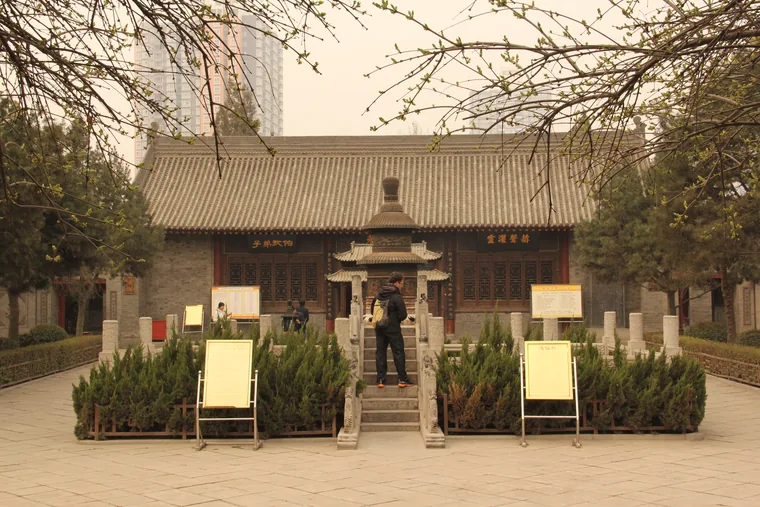
Follow history and understand Baxian Palace
- 1675
Renovated during the Kangxi period of the Qing Dynasty
During the Kangxi period of the Qing Dynasty, the Taoist temple was renovated to continue the worship and practice space in Changlefang.
- 1807
Renovated during the Jiaqing period of the Qing Dynasty
The renovation and addition of halls have become a part of the continuation of the Eight Immortals nunnery pattern.
- Around 1900
The modern royal family and the memory of naming
The activities of the Qing Dynasty royal family in Xi'an are connected with the history of the archway, screen wall and the name of Baxian Palace.
- Twenty-first Century
Overseas Taoist visits and exchanges
A Singapore Taoist group's visit records document the courtyards and figures venerated, continuing cultural exchange.
Entering the courtyard along the three sides, distinguish between the Dharma Protector, the Immortal and the Star Faith
Three courtyards along the main axis provide a clear guide. Lingguan Hall at the front presents protection, Baxian Hall is a principal devotional space, and Doumu Hall and side courtyards introduce other figures. Their connections do not make them different names for the same deity.
Donghua Dijun and the Eight Immortals in Baxian Hall relate to Lü Dongbin's separate shrine in Lüzu Hall. Lü Dongbin is one of the Eight Immortals and also receives individual devotion. Group and individual images present different artistic and practice themes within the same lineage.
Doumu belongs to Taoist stellar traditions; the Medicine King Sun Simiao connects with the history of Chinese physicians. Similar hall names or wishes do not make Buddhist and Taoist identities interchangeable. Learn about the particular figure before expressing your wishes.
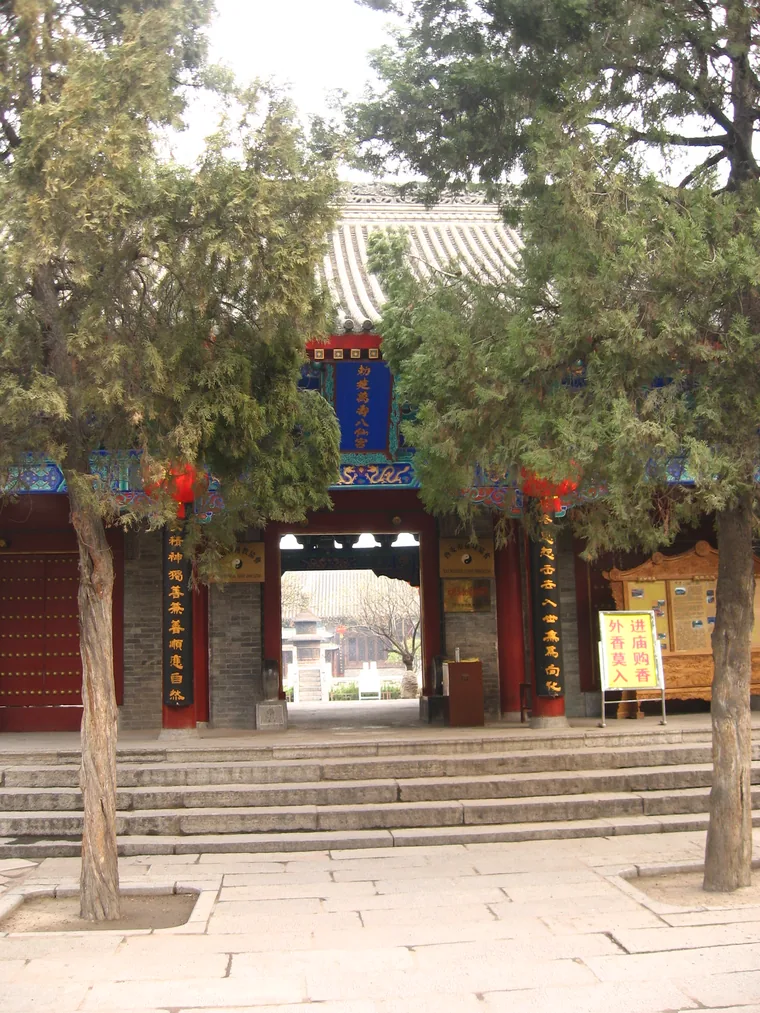
From fairy tales to daily life: wishes can become the direction of cultivating the mind
The culture of Quanzhen Taoist Temple is not only left in legends and architecture, but also continues through practice, teaching and visiting exchanges. In the visit records of overseas Taoist groups, courtyards, introductions to gods and joint tours have become ways to understand this place; for people living abroad, Taoist temples can also be an entrance to reconnect with cultural traditions.
Wang Lingguan’s support, Lu Zu’s cultivation of the mind, and Medicine King’s benevolence provide different perspectives for thinking. When praying for peace for your family, you can also think about how to take care of yourself; when you hope for progress in your career, you can also ask yourself whether you are willing to be honest and continue to learn.
The Eight Immortals' diverse images also serve as a reminder that getting along doesn't have to mean everyone is the same. Different abilities, experiences and paces within families and teams can work together through respect and cooperation. Desire is therefore not only about what you get, but also about how to live a good life with others.
Understand the Taoist figures before expressing your wishes
Baxian Palace is Taoist. Distinguish the Eight Immortals, Lü Dongbin's separate shrine, Doumu and the Medicine King in their cultural contexts. Lü Dongbin is an immortal and also honoured as a patriarch. The historical physician Sun Simiao is distinct from Buddhism's Medicine Buddha. Clear identities help give family wishes a precise setting.
the Eight Immortals The folk image of each having his or her own merits reminds people of mutual support in different situations; stories related to Lu Zu often have the meaning of awakening in life and cultivating the mind. If you are making a career choice, you can write down the responsibilities you value, the mentality you want to maintain, and the things you are willing to face seriously.
Baxian Palace and Beijing's Baiyun Temple are both Taoist but have distinct figures, patriarchs and local stories. Your original temple and familiar devotional customs can guide a choice more meaningfully than their names alone.
Understanding the halls and the figures within them
| Palace or space | Figures and cultural roles |
|---|---|
| Lingguan Hall | Wang Lingguan; Green dragon and white tiger protect the image |
| the Eight Immortals Palace | Emperor Donghua and the Eight Immortals |
| Doumu Hall | Doumu Yuanjun |
| Luzu Hall | Lu Dongbin |
| Medicine King Hall | Sun Simiao |
Lingguan Hall
Principal figures: Wang Lingguan; Green dragon and white tiger protect the image
Wang Lingguan is a respected deity in the Taoist Dharma Protector tradition, who plays the religious role of guarding the Taoist temple, guarding against evil, and guarding against evil. The green dragon and white tiger accompany each other as protective images. When entering the temple, the solemnity of the Dharma protector reminds people of the solemnity of respect, as well as the desire to live a stable life and behave in a measured manner; this is different from the practice and inheritance of the ancestors and Xianzhen behind.
Baxian Palace Lingguan Palace is located in front of the main axis, with the image of Wang Lingguan in the center and the guardians on both sides jointly organizing the first salute space. Continuing from the front yard to the Eight Immortals Hall and Doumu Hall, you can read about the protection, immortal inheritance and star belief unfolding layer by layer. Prayers for the safety of family members and for support in times of crisis are the specific cultural background of the dojo's support.
Associated wishes: You can wish your relatives and friends who are traveling far, returning home, or living across countries a safe journey and helpfulness in times of trouble; you can also express your hope that you will maintain your integrity and responsibility, so that your expectations for peace can take care of those traveling with you and your waiting family members.
the Eight Immortals Palace
Principal figures: Emperor Donghua and the Eight Immortals
The Eight Immortals are a well-known group of immortals in Taoism and folk culture: Tieguai Li, Han Zhongli, Zhang Guolao, He Xiangu, Lan Caihe, Lu Dongbin, Han Xiangzi, and Cao Guojiu, each identified by their personal characteristics and objects. Emperor Donghua also contacted the inheritance background of Quanzhen Taoism. The group of statues not only preserves the stories of different immortals, but also provides a close expression of spiritual practice, good deeds, and diverse life paths.
Baxian Hall honours Donghua Dijun together with the Eight Immortals; Lü Dongbin has a separate shrine in Lüzu Hall. These group and individual images connect immortal traditions with particular teachings. Stories of different abilities contributing together provide a setting for hopes about cooperation among family and companions.
Associated wishes: You can pray for your family or team that everyone will find their place and cooperate smoothly, and you can also pray for yourself to find a suitable direction when entering a new environment. The abilities you want to cherish and the good relationships you hope to meet can be written in your wishes, so that the expectations of each have their own strengths and weaknesses can still be fulfilled.
Doumu Hall
Principal figures: Doumu Yuanjun
Doumu, whose name has several Chinese written forms, is the mother of the stars in Taoist stellar traditions. Accounts of her giving rise to the Nine Sovereigns and governing the stars establish her sacred role. These traditions connect celestial order, care for life and seasonal wishes, including family wellbeing, longevity, children's safety and life transitions.
Doumu Hall at the rear of Baxian Palace connects stellar traditions with the Eight Immortals and shrines to Lü Dongbin and the Medicine King. Doumu's association with protection provides a setting for concern for relatives of different ages: elders' wellbeing, children's growth and safe journeys can each have a place in a seasonal wish.
Associated wishes: When moving, enrolling in higher education, welcoming new family members, or adjusting your life, you can wish the family a stable adaptation and good health. You can clearly write down the people you miss most and the upcoming arrangements, so that your expectations for the future include mutual care and long-term companionship.
Luzu Hall
Principal figures: Lu Dongbin
Lu Dongbin is one of the Eight Immortals and is also revered by Lu Zu in the Taoist tradition; group statues and independent halls present different levels of understanding.
the Eight Immortals The group of statues can be recognized from their respective stories and common folk memories; while Lu Zudian focuses on the image of the ancestor, spiritual cultivation and life insights. Understanding why the same object has different spaces helps to understand the palace view without understanding each temple as an independent function.
Associated wishes: You can express your feelings around determination, career choice, life and gratitude, and write down clearly the direction you attach importance to and the responsibilities you are willing to assume.
Medicine King Hall
Principal figures: Sun Simiao
Sun Simiao is a respected doctor in the history of Chinese medicine, and later generations revered him as the King of Medicine. The belief in the King of Medicine connects the knowledge of doctors with the benevolence of helping the world, so that the expectation of physical well-being also includes the meaning of caring for life and caring for people who are sick. To pay tribute to the King of Medicine, people often wish their elders a long and happy life, their relatives and friends to have a stable recovery and smooth care, and they also express their gratitude to the doctors and caregivers who have provided help.
The Medicine King Hall at Baxian Palace honours Sun Simiao, a historical physician entering Taoist devotional tradition. Alongside Lü Dongbin's self-cultivation, Wang Lingguan's protection and Doumu's care for life, this shows distinct roles within one temple. The Medicine King provides a setting for concerns about illness and caring for loved ones.
Associated wishes: You can express your wishes for your parents to be less tired, for your relatives and friends who are sick to have a stable mood, and for smooth care. You can also express your gratitude to the people around you who take care of you patiently. If you live overseas, you can write down your thoughts about not being able to accompany you for the time being, and hope that your family will receive proper support and that you can reunite with peace of mind as soon as possible.
Write down the concerns in culture as your own wishes
Family safety and stable care
Yaowang Palace·Sun Simiao; Lingguan Palace·Protective Theme
Wishes for family wellbeing can concern daily life, care and mutual support. The Medicine King, Doumu and other figures at Baxian Palace have distinct Taoist backgrounds. Identify the figure you wish to honour before describing your family wishes.
First describe the relatives you care about and the care you hope to receive, and then write down the changes you hope to happen and the actions you are willing to take seriously. You can use the example sentences below as a starting point and replace them with expressions that fit your life.
Example of wish expression
May my family live a stable life and be patient with each other; may I take care of the needs in life seriously and let my care become practical companionship and support.
Career choice and mind cultivation
Lu Zudian·Lu Dongbin
Lu Zu is the revered Lu Dongbin immortal, and the story of Zhong Lu and Huang Liang Meng unfolds the theme of spiritual cultivation with the honor and disgrace of life and awakening. At Baxian Palace, this culture makes career aspirations not only about opportunities and income, but also about long-term aspirations, principles of doing things and inner concentration. When looking for a job, starting a business, or changing careers overseas, if you turn to Lu Zu for direction and good luck, you will have a concrete basis for stories and practice traditions.
You can clearly explain the opportunities before you and the family responsibilities you need to bear, and pray for clear judgment, smooth work, and trustworthy cooperation. You can also express your hope to remain calm between gains and losses, hold on to the things you truly cherish, and let your career aspirations include the kind of person you want to be.
Example of wish expression
May I clearly understand the importance of new opportunities, be willing to work hard for them, and never give up my honesty and goodwill for temporary gains and losses.
Wishes for family stability and new stage
Doumu Palace·Star Faith; the Eight Immortals Palace·Xianzhen Tradition
As mother of the stars, Doumu connects celestial time, life and seasonal protection. Wishes often concern longevity, children's safety and family wellbeing. Doumu Hall at Baxian Palace gives a setting for relatives of different ages, including hopes for support during a move, new studies or the arrival of a family member.
You can write down the most important arrangements for your elders, partners and children respectively, and wish you good health, smooth travel and mutual help. If a family is separated across countries, the hope for reunion and the concerns of adapting to a new life can also be put together, so that the expectation for the protection of the stars has a specific family content.
Example of wish expression
May we take care of each other in the new stage of life, discuss changes together, and make home a place where we can talk with peace of mind.
Each has his own strengths and complements each other
the Eight Immortals Palace · the Eight Immortals Group Statues
The Eight Immortals have distinct images, stories and abilities. Their familiar stories suggest different strengths contributing together. At Baxian Palace, the group meets Quanzhen traditions and Lü Dongbin's self-cultivation, providing a setting for wishes about family cooperation and supportive relationships at work, valuing how different people live together.
You can write down the family or team you want to bless this time, explain which kind of help you cherish the most, and pray that each can show their strengths and cooperate with each other with trust. When you first go overseas to study or run a business, you can also express your wish to find a position that suits you and meet partners who are willing to help you, so that each person's strengths can become a common goal.
Example of wish expression
I hope that we can see each other’s strengths and not be in a hurry to make everyone the same; I am also willing to do my own responsibilities well and help each other.
In the image, continue to get to know each other Baxian Palace
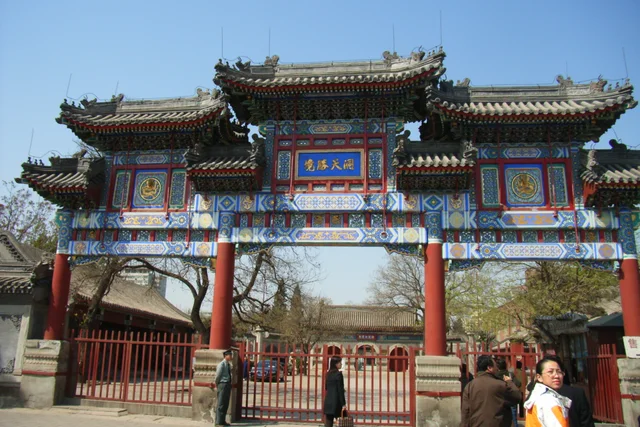
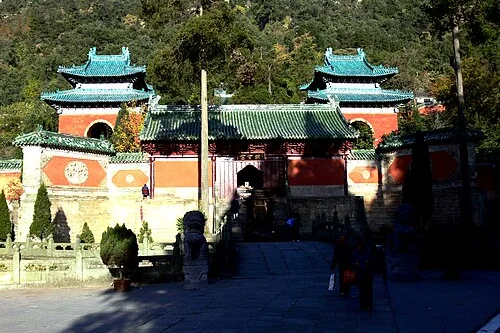
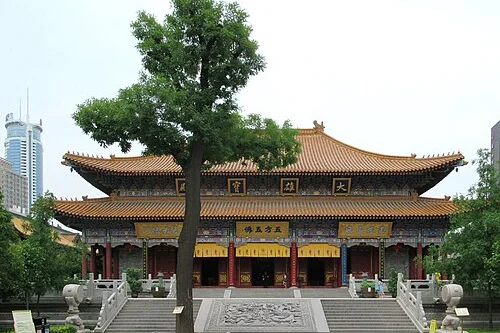
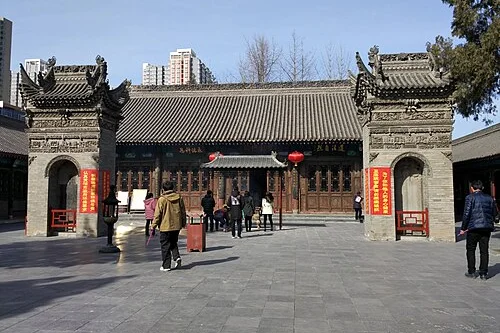
[Ancient buildings in the ancient city] Tour of Xi'an Wanshou Baxian Palace, the largest and most famous Taoist temple in Xi'an. According to legend, it was the entrance to the Taoist temple where Lu Dongbin met Han Zhongli. The existing buildings are mainly from the Ming and Qing Dynasties.
Understand the palace space of Baxian Palace in Xi'an through on-site walking images.
闲游影像 · Bilibili · in Bilibili Watch original video
The author tours Xi'an Wanshou Baxian Palace with original speed and original sound, which can be used in conjunction with the text to observe the relationship between the courtyard and the palace. Historical legends and current arrangements are still understood separately.
If playback is restricted by the network or platform, the original video entrance can be used.
Commissioned services and fees
$220 USD · Basic service fee
Seriously express your feelings at Changlefang Taoist Temple
The basic commission includes tickets, incense, Buddha worship and making wishes; pictures and video visit records correspond to the specific temple, the selected offerings and this commission, and are delivered privately.
You can also entrust your family together. It is recommended that there be no more than 3 people per order, so that you can express your feelings one by one.
A private visit record will be provided 1-2 working days after the service is completed.
Anxin provides entrusted services independently and does not represent Gongguan. Basic commissions do not automatically include special items such as Taoist rituals, worship battles, Dharma meetings or consecrations, and optional offerings are listed separately.
Select your wish, desired date and offerings and submit the request, then add official customer service for verification. Submission does not mean successful reservation, payment or seat reservation.
Yes Submit request and confirm with our team . There is no need to log in for consultation; the appointment has not been successful after submission.
About Baxian Palace , you may also want to know
Are the Baxian Palace and the Eight Immortals the same place?
The Changlefang Taoist Temple in Xi'an mentioned on this page was historically called the Eight Immortals, also known as the Baxian Palace. The evolution of the name can be understood together with the history of renovations in the Qing Dynasty and royal contacts in modern times.
the Eight Immortals. Which eight are they specifically?
Usually they are Tieguai Li, Han Zhongli, Zhang Guolao, He Xiangu, Lan Caihe, Lu Dongbin, Han Xiangzi and Cao Guojiu. The characters, objects and images are each identifiable.
Why is Lu Zu both in the Eight Immortals and also in an independent palace?
Lü Dongbin is one of the Eight Immortals and is also honoured separately in Taoist traditions. Group and individual images can coexist; they represent the same figure.
Is Doumu a Buddhist bodhisattva?
Doumu Yuanjun is a Taoist deity associated with the stars. Her role as mother of the stars connects with the Northern Dipper and Nine Sovereigns, providing a setting for wishes about wellbeing, longevity and family care.
Is the King of Medicine here the Medicine Buddha?
No. Sun Simiao in Medicine King Hall is a historical physician honoured in Taoist traditions; the Medicine Buddha is a Buddhist figure. Their contexts differ.
Can basic commissions directly include Taoist rituals such as worshiping battles?
Not included automatically. Please explain the need for salutations and blessings first; if it involves praying, special rituals, or temple viewing ceremonies, you should learn about the specific items and arrangements separately.
What is the difference between the Medicine Buddha at Baxian Palace and the Medicine Buddha?
Baxian Palace's Medicine King Hall honours Sun Simiao within Taoist and folk medical traditions. The Medicine Buddha is Buddhist. Both names concern healing, but their identities and traditions are distinct.
Can I give thanks at either Baxian Palace or Baiyun Temple just because both are Taoist temples?
To give thanks, start with your original temple, the figure you honoured and any specific promise. These Taoist temples have different traditions and local histories. Explain your original wish before agreeing arrangements; do not automatically substitute another location.