Quick understanding
- Why is Daxingshan Temple called the Tang Mizu Temple?
In the Tang Dynasty, eminent monks such as Shan Wuwei, Vajra Zhi, and Fu Kong translated scriptures and taught Dharma here. This is closely related to the development of Chinese Buddhist esotericism and is an important historical and cultural identity of the temple.
- Are there only three main Buddhas in the Main Hall?
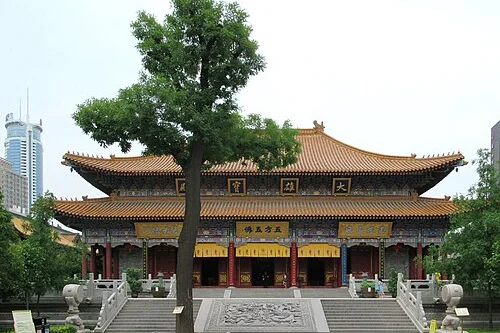
The new Mahavira Hall, completed in 2011, takes the Five Directions and Five Buddhas as its theme, connecting the direction and wisdom of Buddhism, and preserving the respectful characteristics of the main hall today.
- Are the three great masters of Kaiyuan Guanyin, Manjusri and Samantabhadra?
This refers to the three eminent monks of the Tang Dynasty, Shan Wuwei, Vajra Zhi, and Fu Kong, who entered the history of Daxingshan Temple by translating scriptures and teaching Dharma.
- Location
- Xi'an, Shaanxi, Xingshan Temple West Street, Xiaozhai
- Early history
- The origin of the Western Jin Dynasty; the translation and transmission of scriptures in the Sui and Tang Dynasties
- Cultural Identity
- The ancestral court of Han esoteric Buddhism
- Main hall theme
- Modern Mahavira Hall Five Directions and Five Buddhas
In Daxingshan Temple, put the things you care about
Daxingshan Temple’s scripture translation and Tang Tantric inheritance give the pursuit of knowledge, discernment and cultural exchanges a concrete historical origin; the Five Directions Buddha and the Guanyin Temple can bring wisdom and care back to daily study and family life.
Examination and cross-cultural learning
From the tradition of translating scriptures, it expresses the desire to meet a good teacher, have a deep understanding and long-term accumulation.
Continue to learn →Distinguish between eminent monks and Buddhas and Bodhisattvas
The three great masters of Kaiyuan, the Five Buddhas and Guanyin are recognized separately and do not confuse their titles.
Continue to learn →Comparing Xuanzang’s Dharma-Seeking Tradition
Da Ci'en Temple is based on the memory of Xuanzang and sutra images, and is cross-referenced with the clues of the temple's sutra translation.
Continue to learn →From the translation of scriptures in the Sui Dynasty to the ancestral court of the Tang Dynasty, the encounter between language and learning
The early history of Daxingshan Temple can be traced back to the Western Jin Dynasty. When Daxing City was expanded in the Sui Dynasty, the connection between the temple, the name of the city and the name of the village entered its naming memory; it also became a place where eminent monks gathered and translated classics. To understand ancient temples, we need to look at the intellectual exchanges and religious life in a city together.
Eminent monks such as Narantiriyasa, Janagatuta, and Dharmagupta were connected with the translation of sutras in the Sui Dynasty. In the Tang Dynasty, Shanwuwei, Vajra Wisdom, and Bu Kong entered history as the three great masters of the Kaiyuan Dynasty. Characters at different stages allowed the teachings to be continued through translation, teaching and practice, preserving the important memory of Chang'an Buddhism and cross-regional exchanges.
Translating the Bible is not simply moving the text into another language, but also includes understanding, discussion and long-term teaching. The significance of Daxingshan Temple as the ancestral home of Han esoteric Buddhism is precisely related to this accumulation. The culture later continued to spread overseas. To recognize it in urban neighborhoods today is to recognize ancient Changan's communication ability.
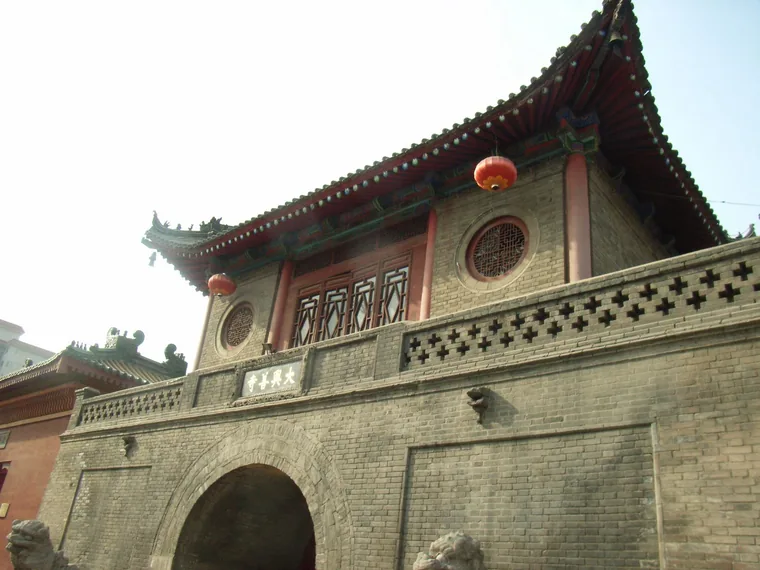
Follow history and understand Daxingshan Temple
- During the Taishi period of the Western Jin Dynasty
The early history of the temple
The founding clues of Daxingshan Temple can be traced back to the Western Jin Dynasty, and it continued to be revived and developed in later generations.
- During the reign of Emperor Kaihuang of Sui Dynasty
Expansion and Translation
Eminent monks and scholars translated classics here, and the temple is connected to the naming memory of Daxing City and Jingshanfang.
- Kaiyuan period of Tang Dynasty
The teachings of the three great masters of Kaiyuan
The activities of eminent monks such as Shan Wuwei, Vajra Zhi, and Fu Kong left an important influence on the development of Han esoteric Buddhism.
- 1944
A new level of Buddhist education
Taixu and others established the World Buddhist Garden Pali Tripitaka College here to continue the tradition of classic learning and education.
- 2011
The new Main Hall is completed
The new main hall was completed, with the Five Direction Buddhas becoming a principal theme for understanding today's temple.
The main hall of the Five Directions Buddha, ancient temples and new buildings have their own ages.
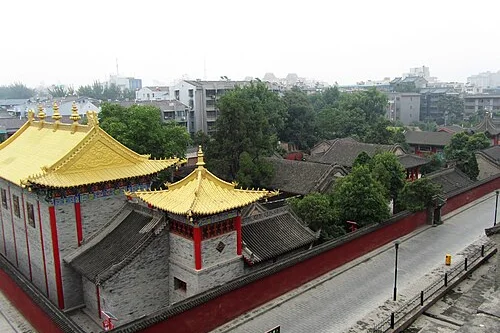
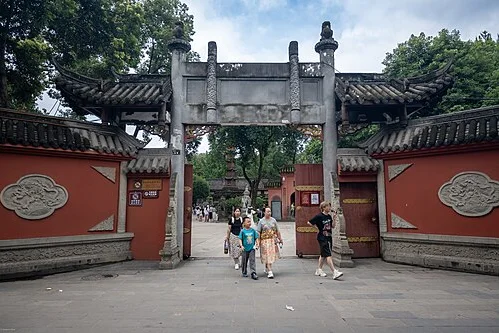
Today, the main halls of Daxingshan Temple are spread out along the north-south axis. The Tianwang Hall, the Main Hall, the Guanyin Hall and the Dharma Hall have their own positions. Green spaces, ancient trees and courtyards connect the buildings, allowing the temple to maintain a different walking rhythm in the busy neighborhood.
The main hall completed in 2011 honours the Five Direction Buddhas. Their directions and wisdom themes connect with the temple's Chinese esoteric Buddhist heritage. These figures provide a setting for wishes about learning, discernment, inner clarity and sustained practice.
Daxingshan Temple The history of the Western Jin, Sui and Tang Dynasties and today's temples have their own eras. Reconstruction, new construction and restoration jointly continue the worship. The new main hall uses contemporary architecture to express the theme of the Five Directions of Buddhism, while preserving the long heritage of scripture translation and ancestral tradition, allowing visitors to understand the value of early history and continuous construction at the same time.
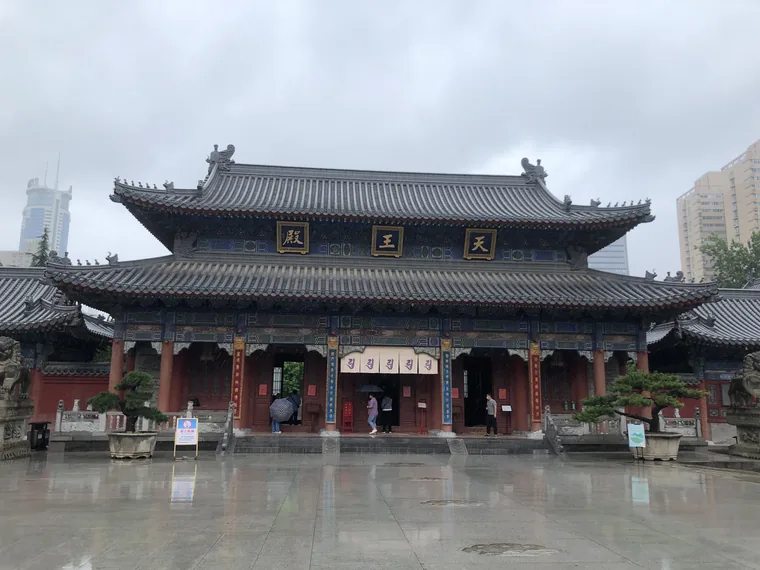
Classical meaning, Guanyin and contemporary learning, let the inheritance continue to be understood
The educational tradition of Daxingshan Temple did not stop at the Sui and Tang Dynasties. Modern Buddhist education and classic research continue the cultural direction of this place as a learning space. The memory of Pali Tripitaka College in 1944 also allows people to see how different languages and academic paths met in the monastery.
The Guanyin Hall adds a theme of compassion to the temple, and the cultural display helps the public understand the history of Tang Mi. Palaces, museums, and study spaces each have their own uses, and statue traditions, historical collections, and today’s exhibitions also have different levels. Visitors can understand the scope of the site that is open, visible and suitable for recording based on the content they are concerned about.
For ordinary people, inheritance can also mean understanding a teaching and being willing to try it in life. You can write specifically about studying, caring for your family, adjusting your habits, or thanking your teachers. Desires do not need to be established through complex ritual terminology, nor do they mean that a commission automatically includes transmissions, initiations, or specialized training activities.
From the ancestral court of translators, compile a wish to understand deeply
Daxingshan Temple in Xi'an is known for its ancestral temple of Esoteric Buddhism and its tradition of translating scriptures. Translating the Bible is not just about converting words into another language, but also includes understanding, seeking advice, and teaching; for those who are studying abroad, doing research, or working cross-culturally, this history can provide a concrete background for their desire to learn.
The three great masters of Kaiyuan belong to the lineage of eminent monks, and the five Buddhas in the main hall and Guanyin have different identities of Buddhas and Bodhisattvas. You can first identify the topic you want to connect with: seeking wisdom and discernment, wishing your family to be safe, or expressing gratitude to those who have taught and helped you, and then write clearly about the situation that concerns you most at the moment.
Daxingshan Temple and Daci'en Temple are both in Xi'an, but their names, traditions and the locations of prior wishes remain distinct. To give thanks, begin with the original temple and promise. Choosing a basic visit to a temple associated with Tang esoteric Buddhism does not arrange initiation, religious instruction or temple courses.
Understanding the halls and the figures within them
| Palace or space | Figures and cultural roles |
|---|---|
| Main Hall | Five directions and five Buddhas |
| Guanyin Temple | Guanyin Bodhisattva Topic |
| Tang Mi Culture and Exhibition Space | Translation of scriptures, eminent monks and the inheritance of esoteric culture |
Main Hall
Principal figures: Five directions and five Buddhas
The Five Direction Buddhas present a Buddhist world through the centre and four directions. In esoteric traditions they connect with five kinds of wisdom, expressing the breadth of awakening. Understanding this group links learning, discernment and sustained practice more clearly than treating the number alone as its meaning.
At Daxingshan Temple, the Five Direction Buddhas in the main hall built in 2011 connect with the site's history of Chinese esoteric Buddhism, translation and teaching. Distinguish these devotional figures and their wisdom themes from the historical Three Great Masters of Kaiyuan. The temple's translation heritage does not mean every space honours the same group. Learning, discernment and applying knowledge can connect with these distinct traditions.
Associated wishes: It can explain the topic or life choice that you most want to understand, and pray for clarity, concentration and trustworthy guidance. If you enter a different knowledge system overseas, you can also express your willingness to seek advice humbly and gain a deeper understanding, so that you can learn to cherish a variety of experiences and the support of mentors and friends. Knowledge-seekers can write about understanding complex problems, encountering reliable guidance, and being willing to put what they learn into honest cooperation and caring for others.
Guanyin Temple
Principal figures: Guanyin Bodhisattva Topic
The name of Guanyin (Avalokiteshvara) is associated with hearing the suffering of all living beings and responding with compassion. Different images of Guanyin allow this relief and care to enter various life situations, so people often pray for the well-being of relatives and friends, safe travels, and help in difficulties. Compassion also includes understanding the needs of others, so family relationships, thoughts and gratitude can all become concrete and intimate thoughts in Guanyin worship.
Daxingshan Temple Guanyin The temple has an independent position on the central axis. The theme of compassion adds close and daily care to the ancestral temple of Tantric Buddhism. Ancient Guanyin art and today's temples each preserve historical layers, and a visit can understand the current Guanyin culture. The family wishes: May the needs be heard, care continued, and may those who help be safe.
Associated wishes: You can write down the recent situation of your parents, partners or children, and pray for smooth care and harmonious relationships. If you live in two places, you can also express the gratitude and understanding you most want to convey, and let the care and concern retain the specific warmth in the familiar language.
Tang Mi Culture and Exhibition Space
Cultural role: Translation of scriptures, eminent monks and the inheritance of esoteric culture
The Tang Tantric lineage of Daxingshan Temple is connected with eminent translators such as Shan Wuwei, Vajra Zhi, and Fu Kong. Translation enables the teachings in different languages to be understood, and transmission enables knowledge to be practiced. Therefore, the ancestral court has both scriptures, people and communication history. Cultural exhibitions help the public understand these levels, and also provide specific character backgrounds for understanding gratitude to teachers, cherishing knowledge, and respecting differences.
The exhibition clues such as the Tantric Culture Museum in the temple transform the translation of scriptures and the inheritance of eminent monks into learning themes, and have their own contents with respect to the statues in the main hall. To understand the ancestral court from the exhibition, we can see the efforts made in text compilation, translation and cross-regional communication. Specific exhibitions, openings and public participation will be arranged on site. The focus of the introduction is cultural learning and inheritance, rather than another exhibition master.
Associated wishes: You can take this opportunity to thank those who teach, translate and preserve culture, and hope that people with different backgrounds can learn from each other and understand each other. If you wish to visit a certain exhibition or study space, you can first state your needs and then confirm the site's availability and appropriate recording methods.
Write down the concerns in culture as your own wishes
Be patient in learning and willing to understand deeply
The tradition of translating scriptures and the learning culture of the three great masters of Kaiyuan
The wisdom theme of the Five Directions and Five Buddhas is connected with the Daxingshan Temple scripture translation tradition: teachings require listening, analysis and understanding, and translation also relies on long-term accumulation. Therefore, the ancestral family’s wish to study can include academic excellence, meeting good teachers and deepening understanding, rather than just hoping to get the answer once. Overseas learners can also rely on patience and humility when faced with differences in language and concepts. In learning between different languages and cultures, willingness can also include being willing to listen, patiently checking, and being grateful to those who are willing to explain.
Write down the learning stage, the questions you most want to understand and the guidance you need, and explain how you are willing to prepare; review the specific teachings and progress when thanking.
Example of wish expression
I hope that I will patiently seek verification in my new language and professional learning, meet good teachers and friends, and understand different experiences; I also hope that what I have learned will truly become a skill, helping me to take the next step steadily, and remember to sincerely thank those who teach me.
Put understanding into life
Mahavira Hall·The Wisdom Theme of Five Directions Buddhas
The inheritance of the Tantric ancestral court not only preserves the scriptures, but also pays attention to teaching how to enter into practice; the theme of the wisdom of the Five Buddhas therefore concerns the connection between understanding and practice. If you want to put your understanding into practice in your life, you can pray that your words and deeds will be firm, caring for others, and let what you learn become help in facing situations. Long-term work and family responsibilities can all enter this mind.
It can explain the understanding that you most want to practice seriously and the people it concerns. Pray for wisdom, patience and good cooperation. If you encounter setbacks, you can also express your willingness to re-understand, stay honest, and let learning continue to take care of real-life relationships and responsibilities.
Example of wish expression
I wish that I would not only stop at understanding the truth, but also be willing to try seriously; do what I can do well before continuing to adjust and learn.
Listen more and do more for your family
Guanyin Temple·Compassion and Listening Theme
Guanyin’s compassion for hearing and rescuing people makes “hearing” and “responding” an important part of caring. Daxingshan Temple Guanyin Temple’s wish to bring stability to the family has specific sustenance: it hopes that their loved ones will be taken care of and their feelings are understood, and that those who continue to give will feel less lonely. Families in both places overseas can express their concern and gratitude despite the distance.
You can write down what kind of support your family needs most in the near future, and pray for physical and mental stability and smooth care. You can also keep a sentence of gratitude or understanding that you want to say, and hope to be more patient with you, and let your care be specific to your daily efforts and feelings.
Example of wish expression
May my family be safe, and may I not leave my concern until later; ask more about the current situation, listen carefully, and help in time when needed.
Thanks for the teaching and cherish different understandings
Theme of Classical Interpretation and Cultural Exchange
The eminent monks who translated scriptures connected the knowledge of different languages and regions, and passed it down so that future generations can continue to learn. This history of Daxingshan Temple provides a cultural background for gratitude to teachers and respect for different understandings: teaching helps people broaden their horizons, and communication also requires humility and patience. Seeking wisdom allows you to cherish where you come from and new experiences at the same time.
I would like to express my gratitude for the teaching that changed my understanding, and wish the relevant teachers and friends good health. If you study with people of different cultures overseas, you can also communicate clearly and respect each other, so that new understandings can continue to bring cooperation and goodwill.
Example of wish expression
Thanks to those who are willing to patiently explain and teach. May I cherish the inspiration brought by different experiences, understand first, then express, and use what I have learned to help others.
In the image, continue to get to know each other Daxingshan Temple
Xi'an Daxingshan Temple, the ancestral hall of Han Tantric Buddhism, was built in the Western Jin Dynasty and has a history of 1,700 years.
An on-the-spot introduction to the architecture and esoteric history of Daxingshan Temple in Xi'an.
奕杞游 · Bilibili · in Bilibili Watch original video
The video concerns Daxingshan Temple in Xi'an. The Three Great Masters of Kaiyuan were historical scripture translators; the Five Direction Buddhas are devotional figures in the main hall. The article explains their distinct roles.
If playback is restricted by the network or platform, the original video entrance can be used.
Commissioned services and fees
$220 USD · Basic service fee
In Daxingshan Temple, write down specific thoughts for wisdom and care
The basic commission includes tickets, incense, Buddha worship and making wishes; pictures and video visit records correspond to the specific temple, the selected offerings and this commission, and are delivered privately.
You can also entrust your family together. It is recommended that there be no more than 3 people per order, so that you can express your feelings one by one.
A private visit record will be provided 1-2 working days after the service is completed.
Anxin provides entrusted services independently and does not represent the temple. Basic entrustment does not automatically include teachings, initiations, ordination, designated exhibitions or other special activities, special needs to be confirmed first.
Select your wish, desired date and offerings and submit the request, then add official customer service for verification. Submission does not mean successful reservation, payment or seat reservation.
Yes Submit request and confirm with our team . There is no need to log in for consultation; the appointment has not been successful after submission.
About Daxingshan Temple , you may also want to know
Do the Three Great Masters of Kaiyuan refer to the three Bodhisattvas?
This refers to the three eminent monks Shan Wuwei, Vajra Zhi, and Fu Kong. Different from the three great titles of Guanyin, Manjusri and Samantabhadra, it must be understood in context.
Is the main hall now the Three Buddhas or the Five Buddhas?
The new Mahavira Hall completed in 2011 has the theme of Five Directions and Five Buddhas. Buddhist orientation and wisdom together constitute the characteristics of today's main hall.
Does the ancient temple mean that all existing temples are from the Tang Dynasty?
No. The early origins, activities of the Sui and Tang Dynasties and the existing buildings have their own dates. Restoration and modern new construction also belong to the continued history of the temple.
Can the records of Guanyin’s ancient statues prove that the originals are still there today?
The current status of the original object cannot be inferred solely from ancient or old data. The sculpture tradition, historical collections and current exhibitions need to be confirmed separately.
Is the cultural museum another devotional hall?
Understand this as a space for learning and display. Being part of a temple does not make every cultural space an independent shrine.
Does choosing Tang Mi Zu Ting include empowerment or Dharma transmission?
Not included automatically. The scope of basic entrustment is different from that of specialized training and ritual activities. Special needs must be explained and confirmed first.
In addition to preparing for exams, can I also write down my study aspirations while learning a language overseas or entering a new industry?
Yes. Learning includes understanding new knowledge, meeting teachers and friends, daring to ask questions and continuous accumulation. Explaining the stage you are at and the skills you want to learn is more relevant to your needs than just writing down a test result.
How do Daxingshan Temple and Da Ci'en Temple compare?
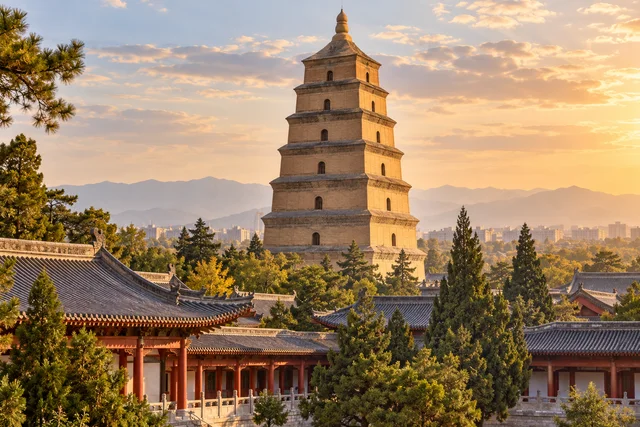
Both are located in Xi'an. Daxingshan Temple highlights the translation of scriptures and the inheritance of Tang esotericism, while Da Ci'en Temple links Xuanzang's quest for Dharma and the Big Wild Goose Pagoda. You can choose based on the history, family habits and original temple connections you want to know.