Quick understanding
- Which principal figures are venerated at Nanyue Grand Temple?
The main hall is dedicated to the Holy Emperor Si Tianzhao of Nanyue, with the belief of Nanyue God as the core. The local tradition is also connected with Zhurong Fire God. Manjusri, Zhao Gongming and others preserved Buddhist wisdom and wealth culture respectively.
- Is this a Buddhist temple or a Taoist temple?
The complex combines mountain worship, local customs, Taoist temples and Buddhist temples. Different spaces honour different figures; a single Buddhist or Taoist label does not describe the whole site.
- Why does Kuixing Pavilion have a stage?
Kuixing Pavilion combines the memory of Chongwen and ancient stage culture. Details such as the dragon wood carving and the sound hole preserve the craftsmanship, performance and public life content.
- Location
- North end of Nanyue Ancient Town, Hengyang, Hunan
- Principal hall figures
- Holy Emperor Si Tianzhao of Nanyue
- Architectural layout
- Three roads and nine entrances to the fourth courtyard, Dongba Temple and Xiba Temple
- Cultural characteristics
- Mountain worship, coexistence of Buddhism and Taoism, and Shouyue culture
In Nanyue Grand Temple, put the things you care about
Nanyue Grand Temple's worship of Shou Yue, Yue God and various temples give clues to the health of the elders, family harmony, studies and livelihood; first distinguish the object, and then express what matters most to you.
Parents’ longevity and family harmony
Organize the specific concerns of relatives from the cultural clues of the Holy Emperor, Shouyue and the Holy Mother.
Continue to learn →Academics and Integrity Management
Understand the themes of Manjusri, Zhao Gongming and Zhusheng, and retain the identities of different systems.
Continue to learn →Continue to express gratitude
Write down the original temples and objects of worship, and then organize the arrangements to fulfill the agreement.
Continue to learn →From the ritual system of Yueshen to local life, temples are connected to the entire Hengshan Mountain
Nanyue Grand Temple is an important place for worshiping the God of Nanyue. There are records of the early history of temple worship on the top of the mountain, relocation to the foot of the mountain, and construction in the Sui and Tang Dynasties. There is no single conclusion on the exact year of construction. When understanding history, you can first distinguish between the mountain sacrificial tradition and the temple architecture in front of you. There is no need to summarize everything with a premature era.
Changes in the king's and emperor's titles also affect temple etiquette. The title of Nanyue Sitianzhao Holy Emperor in the Song Dynasty further connected the solemnity of the building with the status of the mountain god. The local people often connect the main god with the biography of the Zhurong Fire God, and other classics preserve different explanations of their origins; these are the levels of belief history, and not all documents have only one biography of the same person.
The Shouyue culture of Nanyue allows the family to enter the temple with their wishes for stability, gratitude to their elders and safe return. Good wishes for a long life can be linked to the reality of care; it need not be said to be a promise of a longer life.
Follow history and understand Nanyue Grand Temple
- Sui and Tang Dynasties
Clues for temple worship and construction at the foot of the mountain
The description of the relocation and construction during the Sui and Tang Dynasties constitutes an important part of the early history of the temple. The exact year of its construction still needs to be differentiated between different narratives.
- 1011
Yueshen Emperor
The title of Holy Emperor Nanyue Si Tianzhao in the Song Dynasty is related to the development of temple rituals.
- 1882
Guangxu Reconstruction
The existing buildings were renovated during this period as an important basis and will continue to be maintained in later generations.
- 1932
Lingxing Gate reconstruction
The description of the gatehouse changing from wood to stone shows the specific changes in modern construction.
- 1997
Main South Gate Loft Restoration
The reconstruction of the attic allows the central axis space to continue to be restored and recognized separately from the earlier door history.
- 2006
National key cultural relics protection unit
Nanyue Grand Temple is included in the sixth batch of national key cultural relics protection units.
Among the nine courtyards, the stage and sculptures are also worth stopping at.
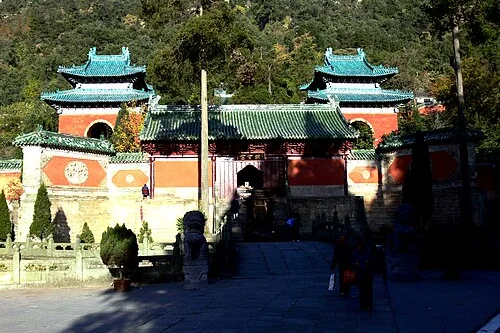
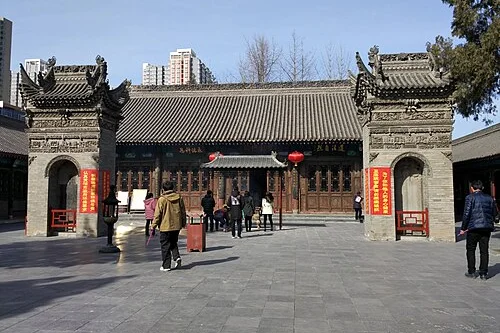
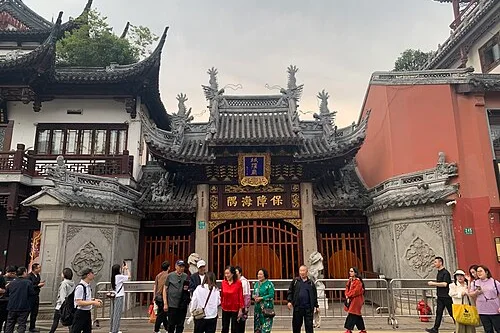
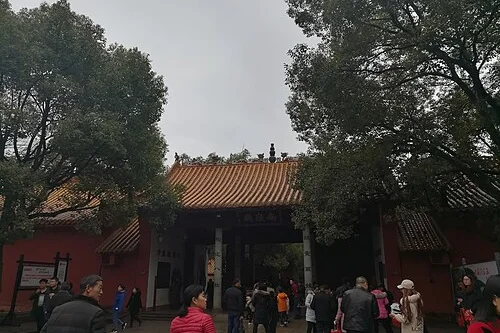
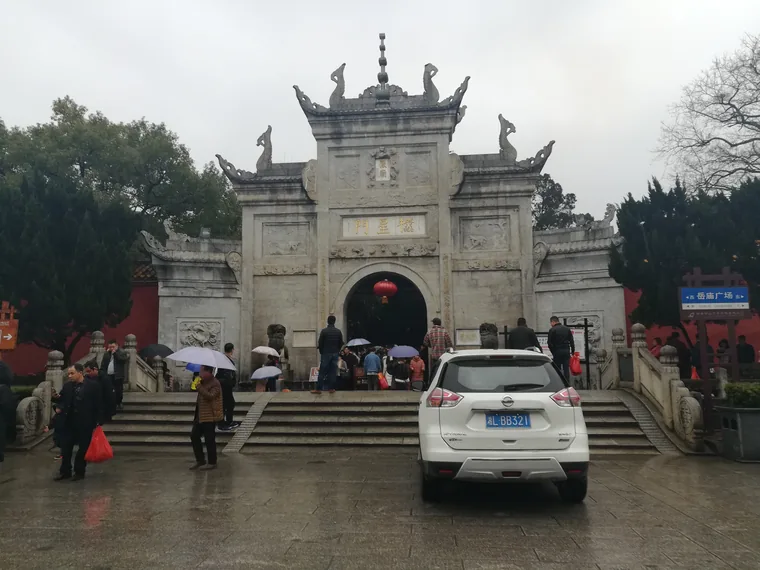
The gate tower, Kuixing Pavilion, Stele Pavilion, Jiaying Gate, Royal Library, main hall and bedrooms on the central axis form a courtyard layer by layer. The existing appearance has an important foundation for reconstruction during the Guangxu period of the Qing Dynasty, and has been continuously maintained in later generations, so that different parts have their own construction stages.
Kuixing Pavilion retains the ancient stage culture, with its wooden carvings of coiled dragons, sound holes on the base and inscriptions on the side, allowing people to understand how opera entered mountain worship and public life. The mutual support of craftsmanship, sound and performance space also allows the culture of the temple to transcend a single hall and preserve the memory of joint viewing and participation by local society.
The wood carvings, stone carvings and clay sculptures in the Holy Emperor's Palace form another artistic density. The statues of gods, character stories, dragon patterns and beams are interconnected, making the sacrificial space rich in craft content. Seeing these details also allows you to understand the real labor required for long-term construction and maintenance.
Sharing a site does not make figures identical; identify each one
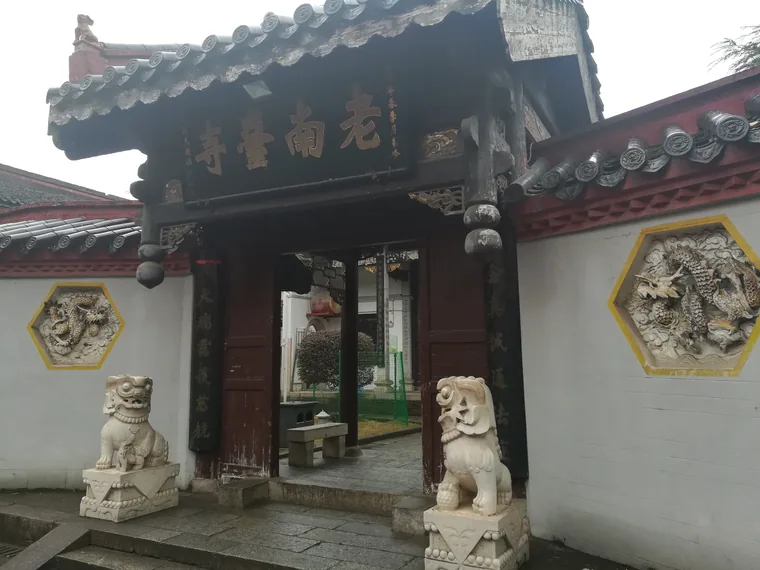
The Taoist temple on the east side of the temple, the Buddhist temple on the west side, and the worship of the mountain god on the central axis are co-located, forming a distinct pattern. Nanyue Holy Emperor, Manjusri, Zhao Gongming and Nandou Xingjun each have their own traditions and roles, so that themes such as Yue Shen, Buddhist wisdom, livelihood and longevity have their own places in the same building complex, showing the intersection of multiple cultures.
The Holy Emperor and Queen Jingming in the palace are related to the folk theme of family harmony; the Manjusri Hall focuses on Buddhist wisdom; the God of Wealth Hall Zhao Gongming has its own background of Taoism and folk beliefs. By identifying these differences, your wishes can move from asking for anything in general to what you really care about.
The common entry of different traditions into local life also allows respect to be inclusive. Some people care about their elders, some organize their studies and careers, and some come to express their gratitude. No matter which expression you choose, you can write your wishes honestly: what kind of support you hope to get, and what practical actions you are willing to take.
In the same temple, how do we know longevity, family and livelihood?
The memory of Nanyue's "Shou Yue" and the worship of the Holy Emperor have made many people know the temple from the blessings and longevity of their parents. Further reading of each temple reveals clues about family relationships, Manjusri's wisdom, the God of Wealth and life care. The rich space does not mean that all gods and Buddhas belong to the same set of identities. It will be clearer to read by the name of the temple and the main deity.
When wishing for the elders, you can write about daily life, rest, companionship and mood; when praying for your partner and family, you can explain how you want to communicate and share responsibilities. Academic and career aspirations are then more specific to the stage of study, stable livelihood or honest cooperation, so that the word "smooth" can preserve your real life.
If you made a wish in a particular hall at the Grand Temple, note both the place and the figure you honoured, then describe what has changed and any promise to give thanks. Each optional offering is one portion, and the visit follows the current service list. Long-term devotional arrangements, special rituals or other particular promises require separate confirmation.
Understanding the halls and the figures within them
| Palace or space | Figures and cultural roles |
|---|---|
| Holy Emperor Temple | Holy Emperor Si Tianzhao of Nanyue |
| Bedroom·Cathedral of Our Lady of Saints | Nanyue Holy Emperor and Jingming Queen |
| Manjusri Hall | Manjushri Bodhisattva |
| Temple of Wealth | Zhao Gongming |
| Zhusheng Hall | Injection of True Lord·Nandou Xingjun theme |
Holy Emperor Temple
Principal figures: Holy Emperor Si Tianzhao of Nanyue
Nanyue Si Tianzhao Holy Emperor is the title of the Nanyue God, and local beliefs connect it with the Zhurong Fire God tradition. The protection of the mountains and the longevity culture made the Holy Emperor respected by the people for peace, longevity and local tranquility. The combination of imperial titles and attendants expresses the solemn and sacred order in mountain sacrifices, and also carries people's expectations for the protection of family and common life.
Shengdi Hall is central to Nanyue Grand Temple, with the mountain deity and attendants forming its devotional setting. Buddhist and Taoist temples along the sides reflect the coexistence of traditions. Distinguish the principal mountain deity from figures in adjoining halls such as Manjusri, understanding their separate origins before connecting mountain traditions with everyday wishes for wellbeing.
Associated wishes: You can express your wishes for your parents’ longevity, your family’s health, and smooth travel, and also express your gratitude to those who have helped along the way. If you live overseas and are concerned about life in your hometown, you can tell the relatives and arrangements you want to protect, so that Shouyue's peace of mind has a concrete destination. Longevity wishes can be directed to the daily life, care and companionship of parents; when giving thanks, you can also look back on a difficult period that has been successfully overcome.
Bedroom·Cathedral of Our Lady of Saints
Principal figures: Nanyue Holy Emperor and Jingming Queen
The Holy Emperor Nanyue and Queen Jingming in the palace are revered as the Holy Mother and Holy Mother, which connects the meaning of family harmony and mutual support in folk beliefs. The sacred figures are in the same hall as partners, so that people's expectations for a stable home, family love and long-term companionship have a close relationship with people, not just an abstract harmony.
The Shrine of Our Lady of Saints is located at the back of the central axis, and forms a different emphasis on worship than the main hall of Saints in front: the main hall highlights the protection of the mountains, while the bedroom allows visitors to understand this faith from the perspective of family and companionship. Couples from two places, cross-border marriages, or a family negotiating a new life can use the theme of harmony to express their hope for mutual understanding and a stable family life.
Associated wishes: You can pray for your existing partner for smooth communication and stable joint arrangements, and thank you for taking care of each other for many years. If you are waiting for a reunion, you can write down an ordinary thing that you want to cherish the most, and let the wishes of harmony revolve around the feelings and long-term life of both parties.
Manjusri Hall
Principal figures: Manjushri Bodhisattva
Manjushri Bodhisattva, also known as Manjushri, is respected for his great wisdom. The wisdom here is concerned with how to understand things, identify troubles, and see the direction; it can not only enter study and study, but also work and life choices. People pray to Manjusri for clarity of thought, advancement in studies, and meeting good teachers. They pray for deeper understanding and clear judgment in confusion.
The Manjusri Hall of Nanyue Grand Temple is an entrance to the Buddhist space here, and has its own identity with the central axis of the mountain god worship. Manjusri's wisdom belief can be cross-referenced with the memory of Chongwen such as Kuixing Pavilion, showing how Nanyue culture cares about learning, growth and talents. Wishes for study, research, or career choices can gain clear cultural sustenance from this multi-layered tradition.
Associated wishes: You can pray for concentration in study, stable performance in exams, clear research ideas, and hope to meet kind teachers. If you are making decisions in life, you can express your ability to distinguish between priorities, cherish what you have learned, and be humble, so that your growth goals have direction and warmth at the same time.
Temple of Wealth
Principal figures: Zhao Gongming
Zhao Gongming is a well-known martial god of wealth in Taoism and folk god of wealth beliefs, also known as Marshal Zhao, who is associated with wealth, livelihood and fair exchanges. People's desire for wealth is often concerned with orderly business operations, work progress, and the provision of food and clothing for their families. Therefore, saluting the God of Wealth can also include the long-term values of integrity, labor, and cooperation, linking prosperity with a secure life.
Nanyue Grand Temple's Wealth Deity Hall honours Zhao Gongming, distinct from the mountain protection of the Holy Emperor and Manjusri's wisdom. Local wealth-deity traditions provide a setting for concerns about livelihoods and family responsibilities, including business, stable work and gratitude for cooperation.
Associated wishes: You can state your industry and current stage, and wish you stable income, candid cooperation, and successful career. If you are mainly concerned about your family's life, you can also make it clear who you want to take care of and the arrangements you most want to make stable, so that your desire for money can have a specific and practical goal.
Zhusheng Hall
Principal figures: Injection of True Lord·Nandou Xingjun theme
Zhusheng Zhenjun connects with Taoist Southern Dipper traditions, which relate stellar order, life and seasonal wellbeing. The Southern Dipper's association with longevity gives a setting for wishes about relatives' health and children's safety, valuing life and lasting family companionship.
The Shouyue culture of Nanyue adds a local background to the Zhusheng Hall: the tradition of celebrating birthdays in the mountains, and the care of life of the stars, enter the temple to pay homage. People of different ages in the family can therefore have their own blessings, wishing for stability and longevity for the elders, healthy growth for the children, and support and calmness for those who are taking care of them.
Associated wishes: It can be used to wish health and less fatigue to parents and elders, and to express peace to children and caregivers. If the two places are temporarily separated, you can express your cherishment of the years together, and let this life blessing include the daily life that you still want to experience together.
Write down the concerns in culture as your own wishes
The elders are accompanied by stability and cherishment
Holy Emperor Hall and Zhusheng Hall·Shou Yue and Life Care Theme
Nanyue is well-known for its Shouyue culture. The protection of the Yue God in the Holy Emperor Hall and the life care of Nandou in the Zhusheng Hall provide two connected clues to the elders’ wishes for stability and long life. What people look forward to is not only longer time, but also the good health of their families, someone to take care of them, and good company for each other. This is similar to the life expectations in the mountain blessing. Long-term blessings of longevity also include whether you can live comfortably every day and have someone to accompany you when needed. You don't have to express your care for your elders with just one-time results.
Write down which elder you are for, the daily living or recuperation you are most concerned about currently, and the care you are willing to continue to take on.
Example of wish expression
I wish my parents a long life and good health, less hard work and more peace of mind in daily life; I wish my family to be considerate of each other, and I also make companionship and care a daily routine, so that my cares do not stop at my wishes.
Couple getting along and family communication
St. Mary's Church·Hehe Theme
The Holy Mother Temple uses the image of the Holy Emperor and Queen Jingming sitting together, extending mountain belief to the theme of family companionship and harmony. It provides a concrete place for understanding between partners, relatives and friends: willing to share responsibilities, willing to support each other, and willing to maintain a long-term life with different ideas. Concerns about transnational and remote families can also be included in this cultural clue.
can illustrate the current stage of the relationship, praying for smooth communication and mutual decision-making arrangements. If you are waiting for a reunion, you can also write down how you expect to be together and what kind of contribution you are most grateful for. Let the harmony and wishes revolve around each other's true feelings and maintain respect and tenderness.
Example of wish expression
I hope that we can speak well when encountering problems and leave room for understanding. I also hope that I will be less blaming and more truly listen and share.
Discernment in studying and important choices
Manjusri Palace Wisdom Theme; Kuixing Pavilion Chongwen Culture
Manjusri is associated with wisdom, understanding and discernment. This Buddhist figure at Nanyue Grand Temple connects with local respect for learning, providing context for wishes about exams, research, professional growth and life choices: clear thought, deeper understanding and trustworthy guidance.
You can write down what you are studying or weighing, praying for lasting concentration, deep understanding, and a stable mood on the spot. If you go overseas to further your studies or change majors, you can also thank those who taught you along the way and express your hope to make good use of what you have learned so that you can seek wisdom while cherishing the kindness of your teachers and the responsibilities you want to take on in the future.
Example of wish expression
I hope that I will study the lessons in front of me carefully and not lose my rhythm due to comparison; I hope that I will clearly understand my responsibilities when faced with choices and have the patience to be prepared.
Livelihood stability and honest cooperation
Wealth Deity Hall · Zhao Gongming traditions
Zhao Gongming’s belief and custom of the God of Wealth connects wealth, livelihood and fair exchanges. Therefore, people often wish for a successful job, a prosperous business, and good food and clothing for their families. Nanyue Grand Temple The Temple of Wealth gives this expectation a clear object of worship, and also allows asking for money to include integrity, cooperation and gratitude for labor income, rather than just an income number.
Operators can explain the industry and current difficulties, and pray for stable business and trustworthy contacts; those seeking jobs or changing jobs can also wish for suitable opportunities. If income is most related to taking care of your family, you can write down the life you want to protect, so that your career aspirations can express not only progress, but also stability and peace of mind.
Example of wish expression
May my livelihood be stable, and may I do every job with seriousness and integrity; do my best to complete what I promise, and remember to be grateful when I receive help.
In the image, continue to get to know each other Nanyue Grand Temple
The largest ancient building complex in Jiangnan! ! 【Hengyang Nanyue Grand Temple】
Get to know Hengyang Nanyue Grand Temple through actual photos and explanations of ancient buildings.
考工志 · Bilibili · in Bilibili Watch original video
The author connects the space of Nanyue Grand Temple with architectural and cultural explanations, which can be used as an image supplement for reading about the central axis temple and local traditions. The comparison in the original video title belongs to the author's expression.
If playback is restricted by the network or platform, the original video entrance can be used.
Commissioned services and fees
$229 USD · Basic service fee
At Nanyue Grand Temple, place your wishes for your family, study and livelihood
The basic commission includes tickets, incense, Buddha worship and making wishes; pictures and video visit records correspond to the specific temple, the selected offerings and this commission, and are delivered privately.
You can also entrust your family together. It is recommended that there be no more than 3 people per order, so that you can express your feelings one by one.
A private visit record will be provided 1-2 working days after the service is completed.
Anxin provides commissioned services independently and does not represent the temple. The basic commission does not automatically include the top of Zhurong Peak, other temples and temples in Nanyue, or special rituals. The special scope will be confirmed separately.
Select your wish, desired date and offerings and submit the request, then add official customer service for verification. Submission does not mean successful reservation, payment or seat reservation.
Yes Submit request and confirm with our team . There is no need to log in for consultation; the appointment has not been successful after submission.
About Nanyue Grand Temple , you may also want to know
Is Nanyue Holy Emperor a Buddhist Bodhisattva?
The Holy Emperor of Nanyue plays an important role in the worship of the Yue God and local customs. The Holy Emperor Si Tianzhao of Nanyue is revered; Manjusri and Guanyin each have the status of Buddhist Bodhisattva.
Why are there both Buddhist temples and Taoist temples here?
The Grand Temple combines mountain worship with separate religious spaces: Taoist temples to the east, Buddhist temples to the west and halls on the central axis. Coexistence does not make the figures identical.
Are the Holy Mothers of the Bedroom Mazu’s parents?
No. The Holy Duke and Holy Mother here guide the Holy Emperor Yue and the Empress Jingming. Their specific identities vary from place to place and cannot be used interchangeably based on similar titles.
Can Manjusri and Zhao Gongming both be called the God of Wealth?
Manjusri is the Buddhist Bodhisattva of Wisdom, and Zhao Gongming is connected with Taoism and folk belief in the God of Wealth. The two respectively carry the cultural intentions of seeking knowledge, discernment, livelihood, and business.
Is Kuixing Pavilion just a temple for learning?
It also has multiple clues such as an ancient stage, wooden dragon carvings, and Chongwen culture. It is worth understanding both the architecture and local public life.
Does entrusting the temple include climbing Zhurong Peak?
The basic scope is confirmed by Nanyue Grand Temple. The top of the mountain and other temples are at different locations. If additional places are needed, please explain in advance and confirm.
How should I understand the Buddhist and Taoist figures at Nanyue Grand Temple?
First get to know the main deity according to the specific hall, and then retain their respective traditional identities. For example, the wisdom theme of Manjushri Bodhisattva is different from the homage clues such as Holy Emperor and Zhao Gongming, and they are not confused into the same object just because they are in the same temple.
Do you need to write a wish to wish your parents longevity and a stable career?
Can be expressed separately in the same mind. Write about your parents' daily life and care first, and then the most concerning stages of work or business, so that different people and responsibilities can be clearly seen.