Quick understanding
- Who does Wannian Temple mainly worship?
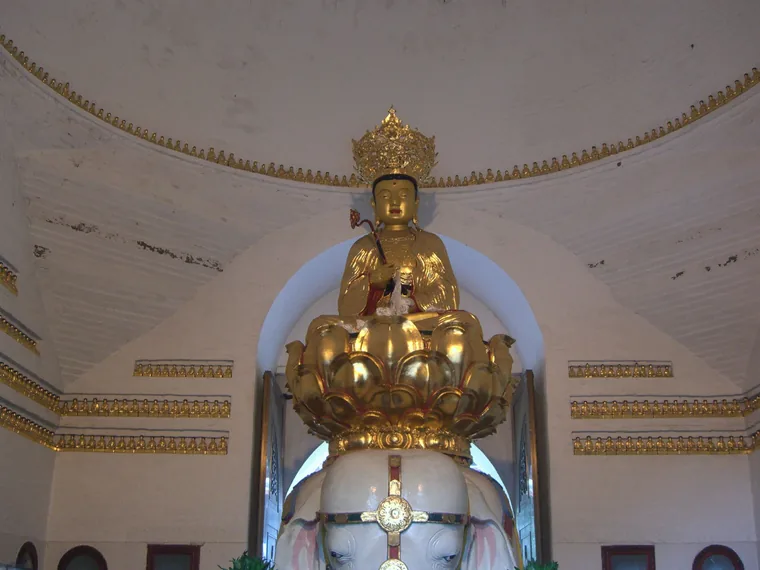
Samantabhadra is an important theme. The brick hall houses a Northern Song bronze figure on a six-tusked white elephant, connecting with Mount Emei's Samantabhadra traditions.
- Were the bronze statue and Wuliangdian built at the same time?
No. The bronze statue of Samantabhadra was cast in the fifth year of Taiping and Xingguo in the Northern Song Dynasty, that is, 980; the existing beamless brick hall was built during the Wanli period of the Ming Dynasty.
- Are Baishui Temple and Wannian Temple two places?
Baishui Temple and Baishui Puxian Temple belong to the historical names of this temple. In the Ming Dynasty, Wannian Temple was granted the title of Holy Shou, and the name Wannian Temple continued to be used. They are not two independent commissioned places.
- Location
- Mount Emei, Sichuan, at the foot of Guanxin Ridge
- Historical title
- Puxian Temple, Baishui Temple, Shengshou Wannian Temple
- Core Statue
- Northern Song Dynasty Samantabhadra bronze statue riding a six-tusked elephant
- Representative building
- Ming Dynasty beamless brick palace
In Wannian Temple, put the things you care about
The bronze statue of Samantabhadra riding a six-tusked white elephant and the Beamless Hall in Wannian Temple provide a clear understanding of the object of the wish. Fulfilling commitments, taking care of family members, and thanking professors can all start with practice.
Turn promises into actions
Arrange the long-lasting responsibilities in studies, career and life based on Samantabhadra's vows.
Continue to learn →Exploring principal figures and cultural objects
Samantabhadra riding an elephant is an object of worship, and scriptures and cultural collections have their own inheritance significance.
Continue to learn →Compare with Baoguo Temple at the foot of the mountain
Both belong to the Emei culture, and each has its own temples, statues and specific memories.
Continue to learn →Samantabhadra, Baishui and Ten Thousand Years, the layers of time in the names of ancient temples
The early history of Wannian Temple is related to Huichi and Puxian Temple in the Eastern Jin Dynasty. Since then, names such as Baishui Temple and Baishui Puxian Temple have entered history one after another. In the Ming Dynasty, it was awarded the title of Wannian Temple. The different old names record the continuous revitalization and inheritance of this mountain temple.
The temple has experienced damage, restoration and expansion. The ancient statues, Ming Dynasty brick hall and later rebuilt courtyards all have their own times and materials. From early history to today's appearance, different stages of construction jointly continue the worship; viewing these levels separately, you can have a clearer understanding of how Wannian Temple preserves the tradition of Samantabhadra Dojo amid changes.
The name of Baishui also forms a cultural memory together with the mountain and forest environment. White Water Autumn Wind is a traditional landscape title related to this temple. The pond water, mountain shadows and seasonal feelings can be another clue to understand the temple; it does not mean that you will encounter the same weather or scene every time you visit.
Follow history and understand Wannian Temple
- Eastern Jin Dynasty
The early history of Puxian Temple
Monastery tradition links its founding to Wisdom, and it has undergone many revivals and name changes in later generations.
- 980 years
Cast bronze statue of Samantabhadra
Cast in the fifth year of the Northern Song Taiping Xingguo era, the bronze Samantabhadra on a six-tusked elephant became an important devotional image and cultural object at the temple.
- Wanli period of Ming Dynasty
Build a brick temple without beams
There is a bronze statue covering the brick temple, and the grant of the Holy Shou Wannian Temple has also become an important memory of this period.
- 1961
Bronze and iron Buddha statues are protected by national cultural relics
The bronze and iron Buddha statues of Shengshou Wannian Temple in Mount Emei are included in the first batch of national key cultural relics protection units. The specific protection objects should be explained separately with the entire temple.
Bronze statues of the Song Dynasty and brick palaces of the Ming Dynasty, two craftsmanship can be seen respectively
The bronze statue of Samantabhadra riding an elephant, cast in the fifth year of Taiping and Xingguo's reign in the Northern Song Dynasty, is the core cultural relic of Wannian Temple. Samantabhadra sits on a rosette, and a six-tusked white elephant forms a distinct image of a mount. When viewing, you can pay attention to how the figures, rosettes and elephant bodies form a whole, rather than just comparing sizes or weights.
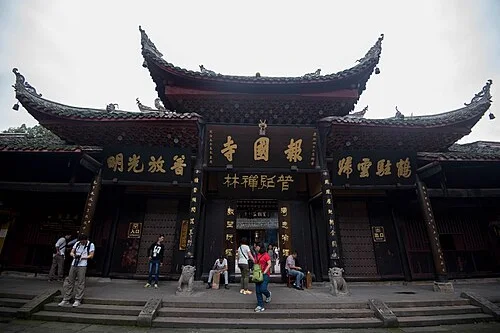
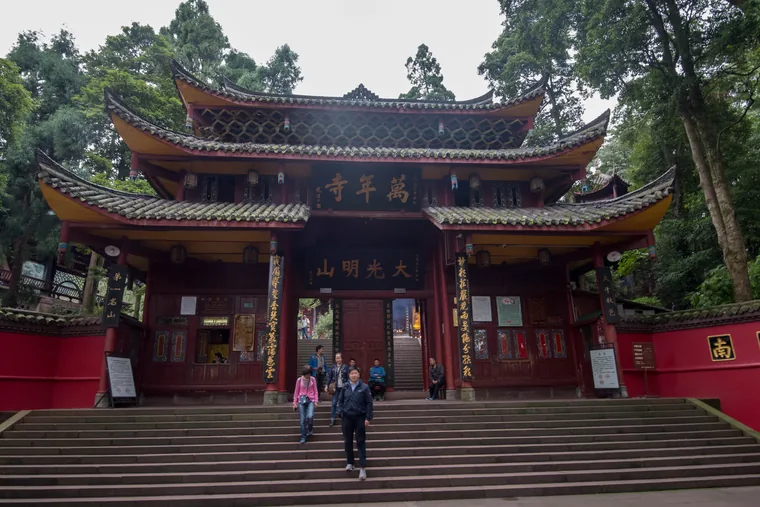
The Beamless Hall that protects this ancient statue today belongs to the Wanli period of the Ming Dynasty. The structure of the masonry dome makes it different from common wooden palaces; the ancient statues come first and the brick palace comes after, which is one of the most important time relationships in understanding this place. The name "Beamless" refers to the construction method, but it does not mean that all halls in the temple do not have wooden beams.
The theme of Samantabhadra runs throughout Mount Emei, and the statues in each temple have specific origins. Wannian Temple's Song Dynasty riding elephant bronze statue, Baoguo Temple's Samantabhadra Temple and the modern golden-domed ten-direction Samantabhadra statue respectively preserve different eras and artistic contents. The same line hopes that the tradition will continue everywhere, making understanding the ashram a process of seeing rich differences.
Xingyuan Building and Xingyuan, let cherish fall into concrete actions
Wannian Temple The collection of Xingyuan Tower includes Buddha’s Tooth, Bay Leaf Sutra and Royal Seal, which respectively connect religious offerings, scripture carriers and historical exchanges. The Buddha's tooth preserves the memory of worship with its traditional title, the Bay-leaf Sutra allows words and materials to impart knowledge together, and the royal seal provides clues to the relationship between the temple and society. Various contents constitute rich cultural preservation.
The preservation of cultural relics requires the care of generations. The bronze statues, brick temples and text collections together remind people that inheritance includes not only respect, but also the cherishment of specific objects, knowledge and environment. Whether you can enter a certain space or view a certain collection should still be subject to actual arrangements.
Practical vows are not just grand oaths. For ordinary people, it can also be fulfilling a commitment seriously, taking care of a relative or friend, continuing to learn, or correcting a habit. Expressing your feelings at Wannian Temple can not only express your concerns, but also write down the actions you are willing to take, so that your wishes can have a landing point in your life.
In front of the statue of Samantabhadra, think clearly about what you are willing to continue doing
One of the most vivid clues to understanding Wannian Temple is the bronze statue of Samantabhadra riding a six-tusked white elephant in Wuliang Hall. The theme of wishing here can not only be used to set new expectations, but also help people recall the promises they have made: how to implement hopes in life, and how to have a continuous response to gratitude.
When praying for your studies, career, and family, you can explain what you need to persist most and the step you are willing to take seriously. Taking care of parents, completing exam preparation, or promoting a cooperation, although they are different situations, they can all be organized from the cultural meaning of long-term practice, rather than just writing about the final result.
Baoguo Temple, Wannian Temple and Huazang Temple at Mount Emei's Golden Summit each have their own settings and images. Keep the precise name of the temple where you made a wish. When giving thanks, distinguish promised offerings from good deeds you committed to doing yourself; a purchase does not automatically replace personal action.
Understanding the halls and the figures within them
| Palace or space | Figures and cultural roles |
|---|---|
| Wuliang Hall (Puxian Hall) | Bronze statue of Samantabhadra Bodhisattva riding a six-tusked white elephant |
| Xingyuan Building and Cultural Collection | Cultural clues such as Buddha’s Tooth, Bay Leaf Sutra and Imperial Seal |
Wuliang Hall (Puxian Hall)
Principal figures: Bronze statue of Samantabhadra Bodhisattva riding a six-tusked white elephant
Samantabhadra Bodhisattva is known for his vast aspiration, echoing the wisdom of Manjushri. The contents of Samantabhadra's Vows, such as paying respect, making offerings, rejoicing, always following Buddhism and dedicating it to others, are concerned with how to transform the understanding of Buddhism into continuous practice. People rely on this to have persistent goals, be responsible for their careers, and realize their good wishes. They also put gratitude, family care, and helping others into the same line of aspirations.
The bronze statue of Samantabhadra in Wannian Temple is mounted on a six-tusked white elephant. The rosette, Bodhisattva and elephant together form a complete statue. The bronze statues of the Northern Song Dynasty and the beamless brick hall of the Ming Dynasty are preserved at different historical levels, giving the Samantabhadra Dojo's aspiration a concrete image that has lasted through the years. To pay homage to this main deity, we can put our wishes into long-term practice and understand them: to cherish learning, to be grateful for family kindness, and to continue to care for others. Riding a six-tusked white elephant is an important clue to identify the statue of Samantabhadra. We must first understand the relationship between the Bodhisattva and the mount, and then understand it in conjunction with the Wuliang Temple. Do not interpret the white elephant as an independent object of wishes.
Associated wishes: For a long-term commitment, you can wish for perseverance and support, describing whom you care for and what you hope to do. If living overseas keeps you apart from family, include wishes for smooth care, patience, safety and companionship. You can name an action you want to sustain; when giving thanks, reflect on promises already kept and those you intend to continue.
Xingyuan Building and Cultural Collection
Cultural role: Cultural clues such as Buddha’s Tooth, Bay Leaf Sutra and Imperial Seal
Collections such as the Buddha's Tooth, Bay Leaf Sutra and Imperial Seal are respectively linked to the reverence of Buddhist relics, the spread of scriptures and the history of the temple. The Bay-leaf Sutra uses leaves as a carrier to preserve Buddhist texts and knowledge inheritance; the imperial seal makes the relationship between the temple and society in different eras visible. They serve as cultural treasures and help readers understand how a temple preserves faith, learning and historical memory.
The relevant collections of Xingyuan Tower and the bronze statue of Samantabhadra in Wuliang Hall have their own viewing themes. The bronze statue represents the center of worship, and the artifacts preserve text and material heritage, making the history of Wannian Temple transcend a single building. The actual exhibition, close viewing and shooting scope of the collection are determined by the on-site arrangements; for learners, this preservation itself can already carry the feelings of gratitude to teachers, cherishing what they have learned and hoping for the continuation of inheritance.
Associated wishes: You can take this opportunity to thank those who teach and preserve knowledge. I hope you will persevere in learning and that important culture will be properly taken care of. If you want to entrust a certain collection or a wishing building, you can explain the need and the customer service will first confirm the feasible scope of on-site visits and recording.
Write down the concerns in culture as your own wishes
Let a promise begin to be fulfilled
Wuliang Hall·The theme of Samantabhadra’s vows
The tradition of Samantabhadra's vows connects reverence, learning, rejoicing and dedication, making the vows include long-term practice and extensive care. The bronze statue of Samantabhadra on the six-tusked white elephant in Wannian Temple gives this practical spirit a clear statue of sustenance. If you want a promise to begin to be fulfilled, you can pray for perseverance and support, and for your goodwill to be maintained over time. The weight of a commitment also lies in its longevity: willingness to take care of your family after your wish is fulfilled, to cooperate with integrity, or to continue learning are all things that can be included in your gratitude.
Write down the responsibility you want to start or continue, the step you can take seriously in the near future, and how you want to continue to practice it.
Example of wish expression
May I not only express my expectations, but also earnestly implement what I have promised; be patient in taking care of my family, studying and doing things, and turn the help I receive into long-term actions.
Make your concern for your family concrete
Samantabhadra practice and altruistic themes
Samantabhadra is willing to expand one's mind through altruism and dedication, and is willing to practice goodwill to benefit family members and more sentient beings. From this, we understand that praying for family members not only contains the tenderness of wishing for the health of relatives and friends, but also the commitment of wishing to be with them for a long time. The Samantabhadra theme of Wannian Temple makes caring for parents, supporting partners and caring for children a concern that can be solemnly expressed.
It can explain the support that the family needs most at present, and pray for physical and mental stability and good care. If you are overseas, you can write down the gratitude or condolences you want to convey most, hoping that your family will understand each other's situation, and let this heart cherish the person who takes care of you.
Example of wish expression
May my family live a stable life, and may I not only think of greetings when I am worried, but also take the initiative to listen and help, and make my concern a normal thing.
Cherish what you have learned and thank those who taught you
Xingyuan Building·Scripture and Inherited Culture
Cultural collections such as the Bayeux Sutra preserve the history of the spread of Buddhist scriptures and allow learning to see the efforts of those who wrote, preserved and taught them. Wannian Temple's wish tradition also values continuous learning and practice. Thanking teachers and cherishing what you have learned are therefore interrelated: I hope you will receive credible teachings, and I hope your existing knowledge will bring goodwill in your life.
You can thank an important teaching, write down how it helped you, and wish your teachers, elders or fellow travelers a blessing. When you are studying abroad or learning a new major, you can also pray for humility, focus, and good relationships with good teachers, so that the cherishment of knowledge can have concrete people and experiences.
Example of wish expression
Thanks to those who are willing to teach me and wait for me to understand. May I cherish what I have learned, honestly ask for advice when I don’t understand something, and use what I have learned seriously.
Be patient in the long term
The theme of Samantabhadra’s vows and inheritance of ancient statues
Wannian Temple The ancient bronze statue and the later brick temple jointly preserve the long history of the temple, and the Samantabhadra vows also emphasize continuous improvement. The two make "long-lasting" have both religious and historical content: good wishes can be accumulated over the years, and culture can also be sustained by the support of different generations. Praying for an unfinished matter can express your hope that your mind will have concentration and your good fortune will continue.
You can write down the studies, care or work you hope to persist in, explain the support you need most along the way, and pray for patience and clear direction. You can also thank those who have been with you for a long time. May each other be physically and mentally stable, so that long-term expectations retain warmth and sustainable power.
Example of wish expression
I wish I could be more patient with important things and not judge the full value based on daily speed; I would like to accumulate seriously and be willing to correct inappropriate methods.
In the image, continue to get to know each other Wannian Temple
Hiking in Mount Emei: A true record of the entire journey from Wannian Temple to Golden Summit by ordinary people
Hiking record starting from Wannian Temple and recognizing its location in Mount Emei.
益达栗 · Bilibili · in Bilibili Watch original video
This is an image of a long hike from Wannian Temple to the Golden Summit, including multiple locations along the way. Puxian Riding an Elephant and the Beamless Brick Temple can be understood from the text and actual photos. The Huazang Temple on the top of the mountain is not the same temple as the Wannian Temple.
If playback is restricted by the network or platform, the original video entrance can be used.
Commissioned services and fees
$245 USD · Basic service fee
In Wannian Temple, write down the specific steps for Samantabhadra’s vows
The basic commission includes tickets, incense, Buddha worship and making wishes; pictures and video visit records correspond to the specific temple, the selected offerings and this commission, and are delivered privately.
You can also entrust your family together. It is recommended that there be no more than 3 people per order, so that you can express your feelings one by one.
A private visit record will be provided 1-2 working days after the service is completed.
Anxin provides entrusted services independently and does not represent the temple. The basic commission does not automatically include collection display, special rituals, Baoguo Temple or other temples in Jinding. Special needs must be confirmed first.
Select your wish, desired date and offerings and submit the request, then add official customer service for verification. Submission does not mean successful reservation, payment or seat reservation.
Yes Submit request and confirm with our team . There is no need to log in for consultation; the appointment has not been successful after submission.
About Wannian Temple , you may also want to know
Are Wuliang Hall and the bronze statue of Puxian both from the Song Dynasty?
No. The bronze statue was cast in 980. The beamless brick hall belongs to the Wanli period of the Ming Dynasty. The ancient statue is hundreds of years older than the current hall.
Is the six-tusked white elephant the golden-domed statue?
No. Wannian Temple preserves the bronze statue of Samantabhadra riding an elephant in the Northern Song Dynasty. The golden top has its own statue of Samantabhadra in ten directions. The location is different from the age of the statue.
Does the absence of beams mean that there are no wooden buildings in the temple?
No. The name "Wannian Temple" specifically refers to the architectural characteristics of the masonry dome hall. Wannian Temple and other temples and courtyards should be recognized separately.
Is it necessary to choose another temple for Baishui Temple?
Baishui Temple and Baishui Puxian Temple are the historical names of this temple. The one chosen on this page is Wannian Temple in Mount Emei.
Are the Three Jewels in Xingyuan Tower the three Buddhas?
No. This refers to collection clues such as the Buddha's Tooth, Bay Leaf Sutra and Royal Seal. It is not a combination of the three Buddha statues, and there is no guarantee that the entire collection can be viewed at any time.
Does the Wannian Temple commission include the entire Mount Emei?
Base scope for confirmed Wannian Temple commission. Baoguo Temple, Huazang Temple and other locations should be communicated separately and not automatically merged in the same place in Mount Emei.
Is the bronze statue of Samantabhadra riding an elephant in Wannian Temple the same as the statue of Samantabhadra on the Golden Dome?
They are images in different settings. Wannian Temple is associated with its brick hall and bronze Samantabhadra on a six-tusked white elephant; Huazang Temple at the Golden Summit has its own layout. Identify the precise temple when choosing a visit or giving thanks.
Can a visit to give thanks on my behalf replace a good deed I promised to keep doing myself?
The commitments fulfilled by me still need to be fulfilled by me. The entrustment can be based on the page list to express respect and gratitude. The original special agreement should be checked separately, so that gratitude and daily actions can be explained separately.