Quick understanding
- Is Wenshu Monastery only for Manjushri Bodhisattva?
Not only. The three main halls are Guanyin, Manjusri and Samantabhadra. The main hall is Shakyamuni, and the sermon hall is dedicated to the Medicine Buddha. The front hall of the heavenly kings also has Maitreya and heavenly king themes.
- What is the relationship between Wenshu Monastery and Kong Lin?
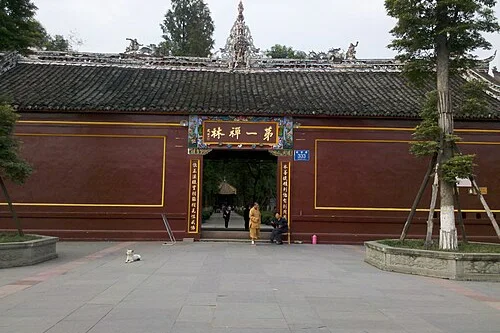
Konglin is a clue about the title and inscription of this temple. It is connected with the memory of Kangxi’s inscriptions preserved in the sermon hall. It is not another temple with the same name in Chengdu.
- Why are there Zen monasteries in urban neighborhoods?
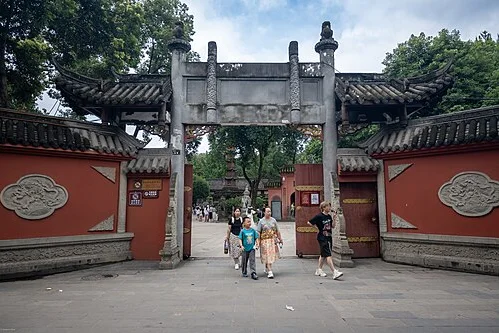
Wenshu Monastery's traditional architecture, monastic studies and urban life have long been adjacent. A quiet courtyard does not mean that it must be far away from the city. Respect and daily life can coexist in different spaces.
- Location
- Wenshu Monastery Street, North Old Town, Chengdu, Sichuan
- Historical name
- Xinxiang Temple; Konglin related titles
- Notable figures venerated
- The Three Great Bodhisattvas, Shakyamuni and the Medicine Buddha
- Local culture
- Western Sichuan wooden courtyards and Laba customs
At Wenshu Monastery, put the things you care about
The Three Great Bodhisattvas of Wenshu Monastery put wisdom, compassion and aspiration together; study, career direction, family care and gratitude for help can all be unfolded from different roles.
Academic and life choices
From Manjusri’s wisdom to Samantabhadra’s vows, clearly seeing the problem and making solid preparations are connected.
Continue to learn →Get to know the Three Great Bodhisattvas
Guanyin, Manjusri, Samantabhadra and the Three Saints of the West each have different identities and themes.
Continue to learn →Compare another Zen monastery in Chengdu
Explore Zhaojue Temple's Trikaya Buddhas and patriarchs, then consider your original temple connection.
Continue to learn →Xinxiang, Manjusri and Konglin, the memory of the temple in three names
The early history of Wenshu Monastery can be traced back to the Sui Dynasty, and Xinxiang Temple is one of its important old names. After it was damaged by war in the late Ming Dynasty, the monks and local society in the Qing Dynasty promoted reconstruction. To understand this period of history, we need to explain the origin of the ancient temple and the existing architectural levels separately, rather than describing all the temples in front of us as original structures from the Sui Dynasty.
Zen Master Ci Du’s training and reconstruction connects the cultural narration of the name of Wenshu Monastery. The story of the light and the incarnation of the Bodhisattva expresses the respect of later generations for the eminent monk in the language of faith, and also gives the reconstruction and the commemoration of the characters a vivid emotion. Legends, architecture and academic traditions work together to preserve the cultural memory of this Chengdu temple.
The Konglin inscription adds another text clue to the temple. The names, inscriptions and memories of the ancestors are interconnected, so that a temple not only has a fixed label, but also has meanings given by different eras. Today, when you walk into the courtyard from the streets, you can still gradually understand it along these clues.
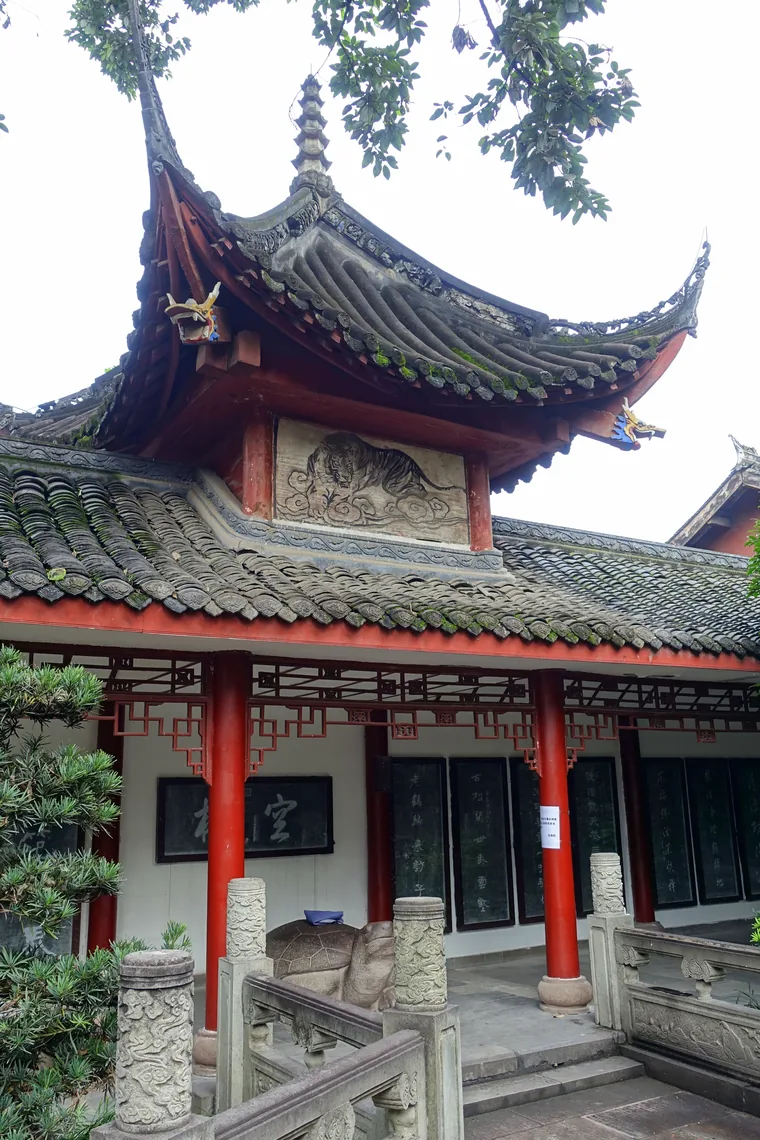
Follow history and understand Wenshu Monastery
- Sui Daye Period
Early clues of Xinxiang Temple
Local history and temple introduction connect the early history of this temple with Xinxiang Temple in Sui Dynasty.
- 1681
Cidu came to the temple to study
The account of Zen Master Cidu studying in the old temple has become an important clue to the revival of the Qing Dynasty and related legends.
- 1697
Qing Dynasty Reconstruction
The Sangha and the local society worked together to promote the reconstruction of the old site, and the name Wenshu Monastery continued to develop.
- 2017
The intangible inheritance of Laba customs
Wenshu Monastery Laba custom is included in the Sichuan Provincial Intangible Cultural Heritage List.
In the courtyard in western Sichuan, the Three Great Bodhisattvas and the main hall have their own places.
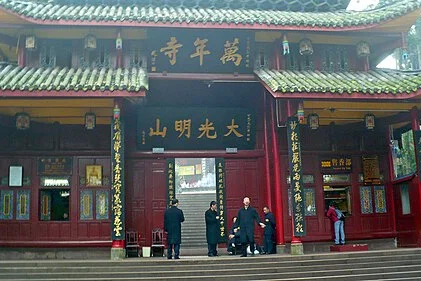
Wenshu Monastery arranges the Tianwang Hall, the Three Great Scholars Hall, the Main Hall, the Dharma Hall and the Sutra Collection Building along the central axis, and the courtyards are unfolded in sequence. The wooden structure, cornices, stone carvings and paintings jointly present the characteristics of Western Sichuan temples, and the ancient trees provide a soft transition between different buildings.
The three main halls are themed with Guanyin, Manjusri and Samantabhadra, which are respectively related to compassion, wisdom and wishes. Wenshu Monastery is a group of bodhisattvas with rich reverence and support for their studies, family care and continuous practice. The relationship between the principals and deities also allows the public to understand how a temple can present multiple cultural contents at the same time.
Shakyamuni in the main hall and the Medicine Buddha in the teaching hall are distinct devotional figures. Their places within the courtyards help explain devotion and distinguish Buddhas, bodhisattvas and guardians, rather than assigning each image a single desired outcome.
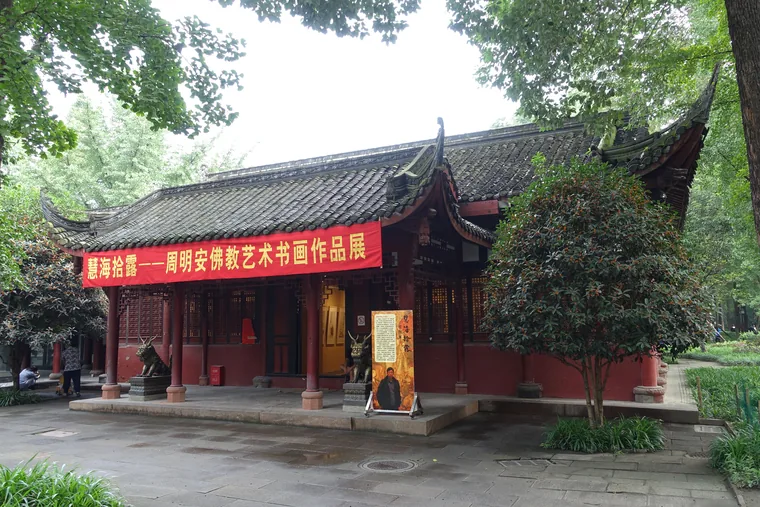
Dharma, sutras and a bowl of Laba porridge continue different intentions
It is said that the Dharma Hall is connected with the tradition of teaching scriptures and teaching precepts. The theme of the pharmacist in the hall and the inscription of Kong Lin together form a clue to understand it. The sutra collection preserves knowledge and texts, so that learning is not just a matter of one visit, but also a long-term inheritance.
The Laba custom of Wenshu Monastery has a history since the Qing Dynasty, and later became part of Sichuan Provincial Intangible Cultural Heritage. Festivals, soup giving and joint participation give the temple a concrete connection with urban residents; the continuation of culture also exists in the recurring daily care.
Study space and public visiting space have their own purposes, and ordinary people's wishes can also maintain their own scale. You can write specifically if you wish to learn to understand, take care of your family, work seriously, or thank you for your help. If you are willing to take away a little inspiration, you might as well find the step where you are ready to start between compassion, wisdom and action.
Manjusri, Guanyin and Samantabhadra, how to illuminate a wish together
The name of Wenshu Monastery first makes people think of the wisdom of Wenshu, and the three major temples bring Guanyin and Samantabhadra into understanding. Wisdom is about seeing things clearly, compassion is about understanding needs, and making wishes is about being willing to implement them; the three threads take care of each other, so that study, work and family concerns do not need to be separated.
When preparing for exams, studying abroad, or changing careers, you can write down the abilities you want to increase, the questions you have, and the preparations you are willing to make. When praying for family members, you can learn about care from the themes of Guanyin’s compassion and medicine, explaining how you want your loved ones to live a stable life and how you are willing to provide support.
Wenshu Monastery and Zhaojue Temple in Chengdu are not copies of the same set of images. Wenshu Monastery introduces the Three Great Bodhisattvas and urban Buddhist learning; Zhaojue Temple also has the Trikaya Buddhas and patriarchs commemorated in Xianjue Hall. Compare their traditions alongside family customs and prior wishes. To give thanks, retain the original place and promise.
Understanding the halls and the figures within them
| Palace or space | Figures and cultural roles |
|---|---|
| Tianwang Palace | Maitreya and the Four Heavenly Kings |
| Three Great Scholars Hall (Guanyin Hall) | Guanyin, Manjusri and Samantabhadra Bodhisattva |
| Main Hall | Shakyamuni Buddha |
| Dharma Hall | the Medicine Buddha |
Tianwang Palace
Principal figures: Maitreya and the Four Heavenly Kings
Maitreya, free translation of Cishi, is the future Buddha in Buddhism. The common images of joy and cloth bags in the Han region make compassion and hope for the future appear close; the image of generosity also carries the desire for family harmony, good encounters, and a calm life. Paying homage to Maitreya can be understood from the two clues of looking forward to a stable future and wishing to deal with others in good faith. The Four Heavenly Kings are respectively Zhi Guo, Zeng Zeng, Guang Mu, and Duo Wen. They are respected for their role of protecting the four directions and guarding the practice of learning.
The Heavenly King's Hall at the front of the central axis of Wenshu Monastery brings the closeness of Maitreya and the solemnity of the Dharma Protector first into view, and then leads to the three major temples and the Buddha Hall. The front and rear halls form a hierarchy from welcome, protection to compassion and wisdom, which gives a concrete cultural basis for the new stage of good relationships, family harmony, and safe entry and exit, and also allows people to understand the order of Zen monastery practice in the bustling city.
Associated wishes: You can wish for your family to have a safe trip and get along peacefully, and also hope that you can still maintain generosity and hope in the face of your new life. If you are preparing to leave your hometown to study or work, you can express your good karma and your family's peace of mind, so that you can look forward to the future while taking care of the concerns of those around you.
Three Great Scholars Hall (Guanyin Hall)
Principal figures: Guanyin, Manjusri and Samantabhadra Bodhisattva
The Three Great Bodhisattvas refer to Avalokitesvara, Manjusri and Samantabhadra Bodhisattva, who are respected for their compassion, wisdom and aspiration respectively. Guanyin is concerned with hearing distress and responding to it, Manjushri is concerned with understanding and discernment, and Samantabhadra continues to practice respect, learning, and altruism. The three of them are in the same hall, making caring for others, understanding the truth and being willing to act become interconnected directions of study.
This hall at Wenshu Monastery is also called Guanyin Hall. Its Three Great Bodhisattvas bring wisdom, compassion and practice together: learning needs understanding, caring for family begins with listening, and sustained good intentions require patience. This group differs from the Pure Land triad of Amitabha, Guanyin and Mahasthamaprapta. Identify the figures by name rather than treating the groups as interchangeable.
Associated wishes: You can place your knowledge and judgment in Manjusri, express your long-term goals and perseverance in good wishes to Samantabhadra, and also wish Guanyin for your family’s well-being and harmonious relationships. You can explain whether what you care about most is understanding, companionship, or responsibility, so that the prayer has a clear object and focus. You can write discernment and preparation when you are studying, you can write care and companionship when you are concerned about your family; the same wish can also include thinking clearly and doing things seriously.
Main Hall
Principal figures: Shakyamuni Buddha
Shakyamuni is the founder of Buddhism. The Buddha's enlightenment story starts from facing the troubles of life, emphasizing the understanding of troubles, the growth of wisdom and compassion. When paying homage to Shakyamuni Buddha, common thoughts include increased blessings and wisdom, physical and mental peace, family peace, and reduction of worries; the teachings represented by the statue also provide a background for learning, reflection, and facing life's transitions.
The bronze statue of Sakyamuni in the main hall of Wenshu Monastery, the three great monks in the front and the Dharma Hall in the rear form a salute sequence with different contents. The enlightenment teachings of the Lord Buddha are parallel to the study of classics, the life of the sangha and daily visits in this city's Zen monastery. The growth of happiness and wisdom is not only a solemn wish, but also related to how to understand oneself and consider others in the bustling life.
Associated wishes: You can pray for yourself to have a clear direction, make progress in your studies, and have fewer worries, and also wish for health and well-being for your family. If you feel confused in your busy work or overseas life, you can express the guidance you hope to receive. May your mind be stable, good luck may help you, and you may continue to have a heart of learning and compassion.
Dharma Hall
Principal figures: the Medicine Buddha
The Medicine Buddha, whose full name is Bhaisajyaguru (the Medicine Buddha), is the main deity of the Oriental Glazed Pure Land. The Twelve Great Vows care about the suffering, physical and mental well-being, and food and clothing of all living beings. The pure and bright light of colored glaze has become a vivid image of this vow. Therefore, people often send their wishes to the Medicine Buddha for the health of their loved ones, the longevity of their parents, a stable rest, and a less troubled life. The wishes include both life and daily care.
The Medicine Buddha in Wenshu Monastery's teaching hall, together with its ordination platform and Konglin inscriptions, preserves memories of teaching and lineage. The Medicine Buddha's Twelve Great Vows connect care for life with continued learning. Wishes for relatives' wellbeing and support can also include wisdom and inner steadiness; writing, images and teaching each offer a way to understand the monastery.
Associated wishes: You can express your wishes for your parents’ longevity, for your relatives and friends to have a stable rest, and for your caregivers to get support. You can also pray that you will be less worried and have peace of mind. The specific arrangements for learning or worship will be subject to the opening of the venue. The family care you want to convey can be expressed clearly in your own words first.
Write down the concerns in culture as your own wishes
Learn clearly and be willing to practice steadfastly
The three major temples·Theme of Manjusri and Samantabhadra
Among the Three Great Bodhisattvas, Manjushri is known for his wisdom, while Samantabhadra explains how learning, respect and goodwill can be put into practice with his vows. Wenshu Monastery offers the two Bodhisattvas with Guanyin's compassion to "learn to understand" while caring about whether they can understand others and whether they are willing to use their knowledge for beneficial purposes. The desire to pursue education and vocational training is thus accompanied by a cultural background of discernment, perseverance and care. Learning to understand also includes knowing how to ask for help and being willing to turn understanding into daily actions; when praying for their children, the patience that parents can give is also part of the support.
Write clearly the stages of preparation for exams, application or professional study, and express the ability you hope to grow, the support you have received from teachers and friends, and your willingness to make serious efforts.
Example of wish expression
I hope that my children will be focused and discerning when studying, and dare to ask for advice when they have questions; I also hope that I will support them patiently, put what they have learned into practice, and make solid preparations for each day.
Seeing each other’s needs in caring
Three Great Scholars Hall·Guanyin; Dharma Hall·Pharmacist Theme
Guanyin's response to suffering begins with hearing others' needs; the Medicine Buddha's Twelve Great Vows concern suffering, bodily and mental wellbeing and basic daily needs. These figures in Wenshu Monastery's Three Great Bodhisattvas Hall and teaching hall provide distinct settings for wishes for family wellbeing, care and understanding during difficulty.
You can explain which family member you wish for, and whether you are most worried about hard work, recuperation, or inner uneasiness. You would like to receive appropriate care and kind support. If you are far away overseas, you can also write down the greetings and thanks you want to convey, so that care can not only recognize the needs of your loved ones, but also retain the expectations of accompanying them.
Example of wish expression
I hope that my family will receive appropriate care, and I hope that I will first hear what they really need, and provide timely and specific care.
A calmness in the bustling daily life
Temple of the Heavenly King, Theme of Tolerance; Zen Academy Study Culture
Maitreya’s meaning of kindness and future Buddhist beliefs always carry the desire for peace, good fortune, and a relaxed mind; Zen monastery practice is also concerned with understanding worries and settling the mind. Wenshu Monastery Living in the daily life of Chengdu, worship allows people to look back at themselves from the hustle and bustle, praying that they can still be calm in the face of chaos and remain gentle to those close to them.
You can write down the one thing that makes you most irritable recently, and pray that you will be less troubled and have more understanding in your relationship. If you are adapting to a new city or cross-border life, you can also express your wish to meet good fate and gradually stabilize, so that the calm wishes can respond to the real needs of this stage.
Example of wish expression
I wish I could still remember to stop when I am busy, not spread my impatience to the people around me, and do one thing well before moving on to the next one.
Thanks for every meal and support along the way
Guanyin’s theme of compassion and the culture of Laba porridge
Guanyin compassionately cares about the difficulties of all living beings, and Wenshu Monastery's Laba porridge and other cultures have brought this care into the daily life of every meal. Memories of food, work, and taking care of each other make gratitude not only about the big things, but also about valuing the time someone is willing to give to someone else. Yearning for the continuation of goodwill echoes the compassionate tradition and life practice of the Zen Academy.
You can express your gratitude for a meal, a reception or a period of patient companionship, and wish the person who takes care of you well. If you have received help when you first arrived overseas, you can also write down that warmth, hoping that you will be able to take care of newcomers in the future, so that your gratitude for ordinary life can continue as a favor.
Example of wish expression
Thank you for having someone prepare, wait, and take care of me. May I cherish these daily kindnesses, and may I also take the initiative to share a little to make it easier for others.
In the image, continue to get to know each other Wenshu Monastery
“A quiet journey: exploring Wenshu Monastery, copying scriptures and expressing wishes — vlog”
Follow the author's personal visit record to see the courtyard and scripture copying experience of Wenshu Monastery in Chengdu.
小甜鹿哦 · Bilibili · in Bilibili Watch original video
This is a personal travel Vlog, presenting the landscape of Wenshu Monastery and the author’s experience at that time. Scripture copying, refreshments and special events must be confirmed according to actual arrangements. The expression of prayer in the title does not constitute a promise of results.
If playback is restricted by the network or platform, the original video entrance can be used.
Commissioned services and fees
$220 USD · Basic service fee
In Chengdu Konglin, write down your thoughts for wisdom and care
The basic commission includes tickets, incense, Buddha worship and making wishes; pictures and video visit records correspond to the specific temple, the selected offerings and this commission, and are delivered privately.
You can also entrust your family together. It is recommended that there be no more than 3 people per order, so that you can express your feelings one by one.
A private visit record will be provided 1-2 working days after the service is completed.
Anxin provides entrusted services independently and does not represent the temple. Basic commissions do not automatically include ordination, meditation hall activities, Laba projects or special rituals, and special confirmation is required first.
Select your wish, desired date and offerings and submit the request, then add official customer service for verification. Submission does not mean successful reservation, payment or seat reservation.
Yes Submit request and confirm with our team . There is no need to log in for consultation; the appointment has not been successful after submission.
About Wenshu Monastery , you may also want to know
Are the Three Buddhas the Three Buddhas?
No. The Three Great Bodhisattvas refer to the three Bodhisattvas Guanyin, Manjusri and Samantabhadra. The identities and meanings of the three Buddha combinations in different temples are different.
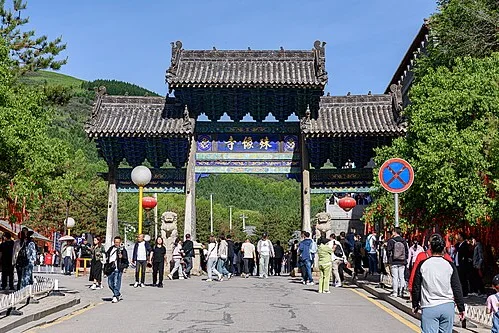
Are Wenshu Monastery and Wutai Mountain Shuxiang Temple the same temple?
No. Wenshu Monastery is in Chengdu's old city with a western Sichuan Chan layout and history. Shuxiang Temple is on Mount Wutai in Shanxi. They have distinct figures and traditions.
Why is the Dharma Hall also related to pharmacists?
The teaching hall honours the Medicine Buddha and connects with scripture teaching, ordination and Konglin inscriptions, combining devotion with learning.
Will Kong Lin accept another commission?
Konglin is a clue about the title and inscription related to Wenshu Monastery, not another independent monastery. Specific services are subject to the confirmed hall and scope.
Does the Laba intangible cultural heritage mean that you can participate in soup soup at any time?
The intangible cultural heritage status refers to this custom and its inheritance, and does not mean that the same activities occur throughout the year. Specific participation must be based on actual arrangements for the year.
Does entrustment include entering a meditation hall or giving ordination?
Basic commissions do not automatically include these learning activities. If there are special needs, please explain them first and then confirm the specific space and feasible arrangements.
Wenshu Monastery Are the Three Great Bodhisattvas the Three Saints of the West?
No. The three great sages are Guanyin, Manjushri and Samantabhadra, who are respectively associated with compassion, wisdom and aspiration; the three sages of the West are centered on Amitabha Buddha and are accompanied by Guanyin and Mahasthamaprapta. Don't just call them based on the number of the three statues.
Wenshu Monastery and Zhaojue Temple, how to choose to educate your children?
Compare the Three Great Bodhisattvas, Trikaya Buddhas and patriarchal traditions, alongside your family's existing connection. For a child, describing their stage of learning, support needed and preparation is more helpful than choosing by the temple's name alone.