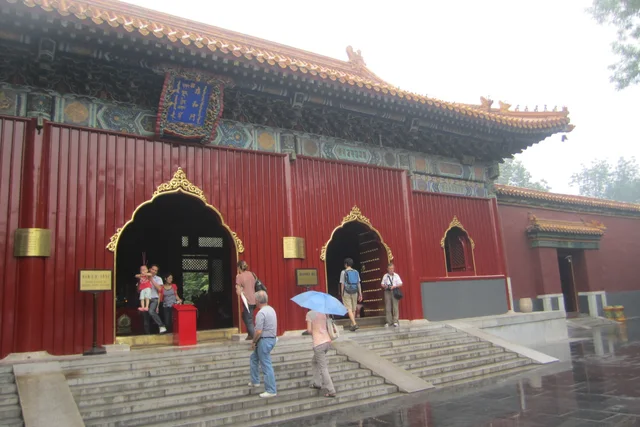
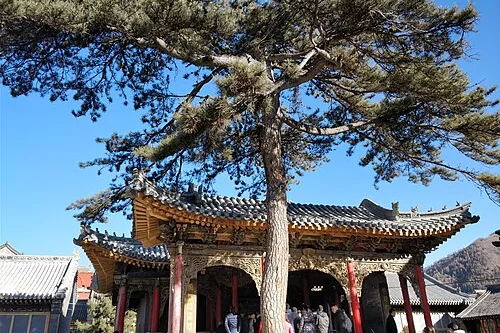
Quick understanding
- Is Wuye (the Fifth Lord) Temple the same place as Wanfo Pavilion (Wuye Temple)?
The Wuye (the Fifth Lord) Temple referred to on this page is the Wanfo Pavilion (Wuye Temple) near Tayuan Temple in Taihuai Town, Wutai Mountain. It is not the entire Wutai Mountain, nor is it the Dragon King Hall on the top of the North Platform; the same name or the same belief and custom does not mean the same service location.
- Who is Wuye (the Fifth Lord), the same as Manjushri Bodhisattva?
Wuye (the Fifth Lord) beliefs and customs are related to the local legend of the Fifth Dragon King and praying for rain and protection; Wutai Mountain as a whole is famous for the Manjusri culture. The two are linked in local folklore narratives, but one should not directly write that all temples are dedicated to Wuye (the Fifth Lord), or take the legend as provable history.
- Why do people choose Wuye Temple to express their wishes?
Local beliefs and customs associate the Fifth Dragon King with the desire to pray for rain and good weather. Today, some people come with thoughts of family, career or life changes. Here we introduce the cultural background and do not rank the “efficiencies” of different wishes.
- Location
- Xinzhou, Shanxi · Taihuai Town, Mount Wutai
- Temple name and nickname
- Wanfo Pavilion (Wuye Temple), commonly known as Wuye (the Fifth Lord) Temple
- Cultural Focus
- Wuye, the Fifth Dragon King, and Manjusri traditions
- Architectural Highlights
- Halls and an old theatre within a setting of local devotion
At Wanfo Pavilion (Wuye Temple) (Wuye (the Fifth Lord) Temple) in Wutai Mountain, put the things you care about
Wuye Temple's Dragon King traditions connect livelihoods, life transitions and giving thanks. Distinguish Wuye from Manjusri, then describe your responsibilities, family circumstances and any promise to give thanks in concrete terms.
Stable career and life
Describe the stage of work, operating responsibilities, and expenses and support that are of greatest concern to your family.
Continue to learn →Recognize Wuye (the Fifth Lord) and Manjusri
Wulongwang Hall and Wanfo Pavilion have distinct themes. Do not treat all figures venerated across the mountain as one.
Continue to learn →Compare the wisdom of Manjusri at Xiantong Temple
Manjusri practice and Wuye traditions on Mount Wutai have distinct themes.
Continue to learn →What is the relationship between Mount Wutai, Taihuai Town and Wuye (the Fifth Lord) Temple?
Mount Wutai is a cultural landscape composed of mountains, temples and ritual traditions, and is famous for its belief in Manjusri. Taihuai Town is an area where temples are concentrated, and Wanfo Pavilion (Wuye Temple) is a specific temple here. Only by distinguishing between mountains, towns and single temples can we understand why the Manjusri culture of Wutai Mountain and the Dragon King belief and custom of Wuye (the Fifth Lord) Temple met in the same pilgrimage, but they are not the same concept.
Mount Wutai was included in the World Heritage List in 2009. Its value covers mountainous landscape, architectural art and long-lasting Buddhist culture. The Temple of Wuye (the Fifth Lord) should be understood in this context. The Tang Dynasty architecture of Foguang Temple and the statues of Shuxiang Temple each have their own places and histories, and cannot all be lumped under the name of Wuye (the Fifth Lord) Temple; Wanfo Pavilion (Wuye Temple) itself deserves attention because of its unique combination of local customs, temples and stages.
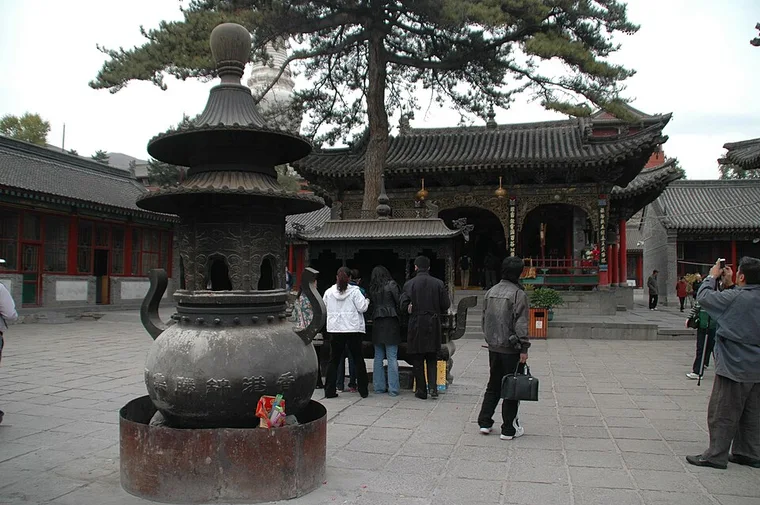
Follow history and understand Wutaishan Wanfo Pavilion (Wuye Temple) (Wuye (the Fifth Lord) Temple)
- Ming Dynasty
The historical starting point of Wanfo Pavilion (Wuye Temple)
The history of the temple can be traced back to the Ming Dynasty, forming a historical clue in the temple culture of Mount Wutai.
- Qing Dynasty
The development of halls and local traditions
After reconstruction, the Fifth Dragon King enshrinements blend with the folk culture of the Taihuai area.
- Continuation through the ages
The stage and the tradition of honoring gods
Opera, gratitude and public gatherings have become important components of the courtyard’s cultural memory.
- 2009
Get to know the greater Mount Wutai
The cultural landscape of Mount Wutai is listed on the World Heritage List, providing a perspective for understanding the background of mountain Buddhism here.
- Mount Wutai
Mountains, monasteries and Manjusri faith form a cultural landscape.
- Taihuai Town
Wutai Mountain is a town where temples are concentrated.
- Wanfo Pavilion (Wuye Temple) · Wuye (the Fifth Lord) Temple
A specific temple in Taihuai Town, connected with Dragon King traditions and the old theatre.
- Wanfo Pavilion (Wuye Temple) · Wuye (the Fifth Lord) Temple
- Taihuai Town
Who is Wuye (the Fifth Lord) and why he came to the story of Manjusri Dojo
Wuye (the Fifth Lord) usually refers to the Fifth Dragon King. Local legends link the Dragon King with Manjushri Bodhisattva, Qingliang Stone and the climate of Mount Wutai, gradually forming a belief narrative familiar to local people. Such stories express people's understanding of wind, rain, land and stable life, and are also a way of blending Buddhist mountain culture with local folk beliefs and customs. It is suitable to be told as a legend, rather than written as a verifiable historical event.
Dragon King Belief was originally closely related to clouds and rain, and good weather. As social life changes, people bring their concerns about livelihood, career, family and life stage here. Understanding the changes from praying for rain in agriculture to the wishes of modern life, we can see why the Wuye (the Fifth Lord) Temple not only belongs to ancient legends, but also continues to appear in the emotions and cultural memories of contemporary people.
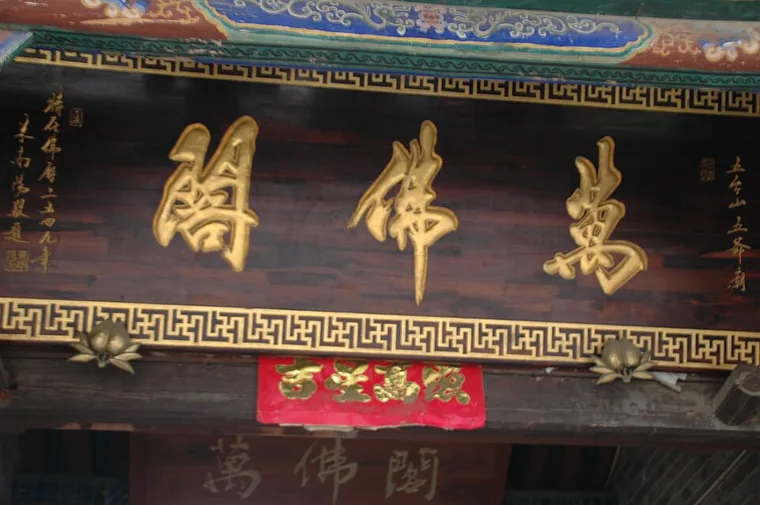
An old theatre connecting wishes and gratitude
The ancient stage of Wuye (the Fifth Lord) Temple is an important clue to understanding this temple. Opera is connected with the tradition of worshiping gods, organizing performances, gatherings and thanksgiving in the same public space. It expands the meaning of the temple from a personal silent wish to a cultural life in which villages, business travelers and visitors participate together. The relative relationship between the palace and the stage also gives this courtyard a distinct identity.
Making a wish and giving thanks are connected: one expresses hope during a difficulty or an uncertain time; the other acknowledges progress that has actually occurred. Giving thanks can be a sincere expression of gratitude, linked to everyday kindness and responsibility. This cultural background helps you put your thoughts into words. You choose your own expression; gratitude does not require ever-increasing spending.
Wuye Temple: hopes for a livelihood and gratitude after a wish comes true
Wuye (the Fifth Lord) Temple is also called Wanfo Pavilion (Wuye Temple). The local beliefs and customs of the Fifth Dragon King meet the Wenshu culture of Mount Wutai, and each still has a different identity. If you want your career or business to be stable, you can first understand the culture of livelihood and worshiping gods, and then explain the most important responsibilities, difficulties and help needed at hand.
Job changes, income arrangements, honest cooperation and family life can all make "seeking money" a wish in a situation. When studying or deciding on a direction, you can also compare the Manjusri themes of Xiantong Temple and Shuxiang Temple; you can choose not only based on a general label, but also cherish your family's original habits and your own experiences.
Giving thanks helps explain the customs here: recall your original wish, what has actually changed and any promise you made, then confirm feasible arrangements. The old theatre illustrates performances honouring deities; a basic visit does not automatically include a performance or special ritual. Incense and expressions at the site follow this temple's current arrangements rather than a generic checklist.
Understanding the halls and the figures within them
| Palace or space | Figures and cultural roles |
|---|---|
| Fifth Dragon King Hall | Fifth Dragon King, popularly known as Wuye (the Fifth Lord) |
| Wanfo Pavilion (Wuye Temple) | Buddhist figures and pavilion spaces |
| Ancient stage | Opera and God-rewarding Cultural Space |
Fifth Dragon King Hall
Principal figures: Fifth Dragon King, popularly known as Wuye (the Fifth Lord)
The most familiar Wuye (the Fifth Lord) here usually refers to the Fifth Dragon King. The Dragon King is associated with clouds, rain, water, and agricultural livelihoods in traditional beliefs; the local legend of Wutai Mountain also connects the Fifth Dragon King with the story of Manjushri Bodhisattva and Qingliang Stone, integrating the Dragon King belief and custom into the culture of this famous Buddhist mountain. To understand Wuye (the Fifth Lord), you need to see not only the local beliefs of the Dragon King, but also the Buddhist background of the Taihuai temple complex.
The wish for good weather in the early years was concerned with crops, harvests and the life of the family. As lifestyles change, people often turn to Wuye (the Fifth Lord) to express their wishes for smooth business, career progress, family safety, and smooth transitions in life. Therefore, the career prayers of the Wuye (the Fifth Lord) Temple are closely related to the livelihood culture; what it carries may be an important choice, or it may just be a simple wish for a family to live a stable life.
Associated wishes: Common wishes concern work, business, a secure livelihood, family wellbeing and important transitions. Describe what matters most to you now. If you made a wish here before, you can also express gratitude to Wuye for what has since changed.
Wanfo Pavilion (Wuye Temple)
Spaces and figures venerated: Buddhist figures and pavilion spaces
Wanfo Pavilion is the temple's formal name and reflects its Buddhist identity. The familiar name Wuye Temple points to devotion to Wuye, the Fifth Dragon King, in Wulongwang Hall. Keeping both names in view places this particular devotion within Mount Wutai's wider Buddhist traditions.
The respectful intention of Wanfo Pavilion (Wuye Temple) can be centered around the safety of the whole family, the increase of happiness and wisdom, the stability of life and gratitude. If you are yearning for the local customs of the Wuye (the Fifth Lord) temple, you can clearly write your wish to Wuye (the Fifth Lord); if you want to make an overall worship and blessing, you can also write clearly whether it is for yourself, your parents or the whole family to express your feelings. Personal concerns do not conflict with temple culture. What is important is that the intention to dedicate has a clear object and content.
Associated wishes: Suitable for expressing wishes for family peace, increased happiness and wisdom, smooth life and gratitude. Regarding Wuye (the Fifth Lord)'s career, livelihood or turning prayers, you can read them together with the introduction of the Fifth Dragon King's Hall, and then write down what you want to convey most this time.
Ancient stage
Cultural role: Opera and God-rewarding Cultural Space
The old theatre is not a hall dedicated to another Buddha or deity. It forms part of Wuye traditions: local stories connect opera with inviting deities to watch and with performances expressing thanks. These performances make devotion a shared public tradition as well as a personal expression.
The theatre facing the hall makes the connection between making wishes and honouring deities visible. For visitors returning to give thanks, the focus is the original concern, what has changed and gratitude for support received. The old theatre helps explain the temple's culture of wishes, thanksgiving and shared celebration.
Associated wishes: If this visit is to give thanks, describe what you previously asked of Wuye, the help you later received and the gratitude you want to express now. The theatre's cultural history does not mean a basic visit requires an opera performance.
Write down the concerns in culture as your own wishes
Career and Livelihood
Wuye (the Fifth Lord) Wuye (the Fifth Lord)
Dragon King of Wuye (the Fifth Lord) The belief and custom has a historical connection with clouds and rain, farming and livelihood stability. People's hope for smooth weather and good harvests has gradually extended to today's wishes for smooth work, business and cooperation. Therefore, when expressing your career aspirations at the Wuye (the Fifth Lord) Temple, you can start by talking about how you make a living, who you need to take care of, and what responsibilities you are taking on.
Job seekers can pray for suitable opportunities and stable jobs; operators can express orderly business, honest dealings, and long-term cooperation. If you are worried about income and family responsibilities, you can also state that you hope to have support in life and have less worries about your family, and connect your career goals with simple daily concerns.
Example of wish expression
I wish to operate in an orderly manner, be honest in dealings, and be able to do the things in front of me conscientiously when encountering difficulties.
Important turning points and new directions
Wuye (the Fifth Lord) Wuye (the Fifth Lord)
Wuye (the Fifth Lord) Temple carries the emotional memory of many people’s solemn vows at a critical stage. Dragon King The belief and custom of Dragon King to smoothly survive changes and protect life has made relocation, starting a business, job hunting and life choices common wishes of the people. Prayer can be a time to sort out your direction, clarifying unspeakable worries and things you really want to keep.
You can explain what this turning point is, which step you are most hesitant or concerned about, and pray that your choices will go smoothly, you will encounter good luck, and the key arrangements will unfold smoothly. If you are overseas, you can also write down your new living environment, family support, and your long-term plans together, so that your wishes retain the specific life background.
Example of wish expression
May this choice make me more practical, may I have the clarity to discern the direction, and the courage to bear the consequences.
My family is safe
Fifth Dragon King Temple · Wuye (the Fifth Lord); Wanfo Pavilion (Wuye Temple) · Overall worship and blessings
Dragon King believes in good weather and the ultimate concern is that the lives of ordinary people can continue stably. Expressing the wish for the safety of the family to Wuye (the Fifth Lord) takes over this layer of care in life; worshiping the Buddha as a whole at Wanfo Pavilion (Wuye Temple) can also convey the hope that the family will be healthy, the happiness and wisdom will grow, and that relatives in distant places will care for each other.
When parents are in China and children are overseas, or a family is temporarily separated in two places, you can write down the people and things you care about most: elders will have to work less hard, travelers who travel far away will have peace of mind, family arrangements will be in place, and reunions will go smoothly. Plain language is enough to convey concern, and there is no need to compress everyone's wishes into a general peace.
Example of wish expression
May the family be safe, may those traveling abroad have a safe journey, and may we reunite soon.
Giving thanks and expressing gratitude
Wuye traditions · giving thanks, connected with performances honouring deities at the old theatre
Returning to give thanks is part of Wuye Temple's religious customs. The old theatre provides a cultural setting for honouring deities. For an individual, giving thanks can mean recalling a past concern, acknowledging help received and expressing renewed care for the people and life they value.
If you have made a wish to Wuye (the Fifth Lord) before, you can write down what happened at that time, the subsequent changes, and what you want to be most grateful for this time. You can also set a simple intention for the future, such as cherishing your family, treating others sincerely, and continuing to do the job at hand. Let gratitude not only look back on the past, but also become a part of future life.
Example of wish expression
Thank you for the help and support I have received during this period. I hope I will cherish the present and bring kindness to others.
In the image, continue to get to know each other Wutaishan Wanfo Pavilion (Wuye Temple) (Wuye (the Fifth Lord) Temple)
Wutai Mountain Tour - Wuye (the Fifth Lord) Temple (Wanfo Pavilion (Wuye Temple))
Explore Wuye Temple's courtyards and local traditions through footage of Wanfo Pavilion.
默默momo默默111 · Bilibili · in Bilibili Watch original video
Put this specific temple back into the background of Wutai Mountain and Taihuai Town, and combine it with the text introduction of Dragon King’s beliefs, customs, courtyards and stages to understand the picture.
If playback is restricted by the network or platform, the original video entrance can be used.
Commissioned services and fees
$240 USD · Basic service fee
Give your heart seriously to the place of your choice
The basic commission includes tickets, incense, Buddha worship and making wishes; pictures and video visit records correspond to the specific temple, the selected offerings and this commission, and are delivered privately.
You can also entrust your family together. It is recommended that there be no more than 3 people per order, so that you can express your feelings one by one.
A private visit record will be provided 1-2 working days after the service is completed.
The basic quotation does not include five platform tours, worship on behalf of other temples, special rituals or open fire lanterns. Optional offerings will only be priced separately after specific content is confirmed.
Select your wish, desired date and offerings and submit the request, then add official customer service for verification. Submission does not mean successful reservation, payment or seat reservation.
Yes Submit request and confirm with our team . There is no need to log in for consultation; the appointment has not been successful after submission.
Commission scope at this temple
The commission focuses on respectful worship and expressing your wishes. Burning incense and open-flame candles are not included by default; our team will confirm the specific arrangements.
About Wutaishan Wanfo Pavilion (Wuye Temple) (Wuye (the Fifth Lord) Temple) , you may also want to know
Is Wuye (the Fifth Lord) Temple Wanfo Pavilion (Wuye Temple)?
The Wuye (the Fifth Lord) Temple referred to on this page is the Wanfo Pavilion (Wuye Temple) in Taihuai Town, Wutai Mountain; the names are different, but they point to the same specific temple.
Can Wuye (the Fifth Lord) and Manjushri Bodhisattva be considered the same name?
It is not appropriate to directly equate. The beliefs and customs of Wuye (the Fifth Lord) are related to the Fifth Dragon King and the legend of praying for rain. Manjusri is an important clue to the Buddhist culture of Mount Wutai. The local narratives are related, but they still need to be distinguished when understanding.
Is the Wuye (the Fifth Lord) temple only for wealth?
This page does not classify the Temple of Wuye (the Fifth Lord) as a place where only one wish can be expressed. You can place your thoughts on family, work, peace or gratitude; we do not promise that a certain wish is "more accurate".
Does the $240 include five-seater service?
Not included. US$240 is the basic quotation for independent entrustment of Wanfo Pavilion (Wuye Temple) on this page, which is not equivalent to a tour of the entire Mount Wutai; multiple temples require separate communication.
Does the basic commission necessarily include burning incense?
Our temple focuses on worship and expression of wishes, and does not include burning incense or open flame lamps by default. Customer service will write down the specific service content when confirming, allowing you to decide based on the true content.
Can you give thanks on my behalf?
Describe your original wish and the gratitude you want to express. Our support team will confirm the arrangements with you. Giving thanks does not automatically require more offerings or additional paid rituals.
If you want a stable career and livelihood, how else can you write your wish besides "getting rich"?
You can explain that you are looking for a job, changing careers, running a business partnership, or bearing household expenses, expressing trustworthiness, stability, and encountering reliable support. You can also write down a step that you are willing to prepare for and take seriously.
What if I cannot remember how I originally promised to give thanks?
First sort out the remembered temple name, time background, original wishes and changes that have occurred, and then explain to the customer service what agreements are still uncertain. Confirm feasible arrangements first and do not create a new ceremony for yourself or the temple.