Quick understanding
- What does Xiantong Temple mainly worship?
Manjusri is an important theme. The Great Manjusri Hall has clues about the five directions of Manjusri. The Thousand Bowl Manjusri Hall and the Copper Hall present different images; the main hall of the Main Hall is dedicated to Shakyamuni, the Medicine Buddha and Amitabha Buddha.
- Are different images of Manjusri gods that have nothing to do with each other?
They are jointly related to the theme of Manjusri’s wisdom. The image, name and space have their own characteristics, showing the rich expression of the same Bodhisattva in Mount Wutai culture.
- Does the Beamless Hall really have no wooden beams?
The Wuliang Hall uses a brick structure to form a space, which is different from the wooden hall; it also has titles such as Wuliang Hall, Seven Places and Nine Halls, and the architecture is connected to the Huayan culture.
- Location
- Mount Wutai, Shanxi·Taihuai
- Important beliefs
- Manjusri Wisdom Theme
- Space characteristics
- Mountain Central Axis and Seventh Palace
- Materials Process
- Timber, brick and copper-cast buildings
In Xiantong Temple, put the things you care about
Xiantong Temple’s Five Directions Manjusri and Thousand Bowl Manjusri give wisdom and aspiration a rich image; the care of the three Buddhas can also bring stability to the family. Study, work and gratitude can be read separately from the specific halls first.
Patience for exams and study
From the wisdom of Manjusri, write down the stages of learning, the guidance and careful preparation required.
Continue to learn →Recognize the different statues of Manjusri
Five Directions Manjusri, Thousand Bo Manjusri and Tongdian each have their own shapes and spaces.
Continue to learn →Compare Shuxiang Temple
Although they both respect Manjusri, the main hall, statues and memories of Xiantong and Shu statues are still different.
Continue to learn →The multiple names of ancient temples and the layers of time in mountain courtyards
The early origins of Xiantong Temple are related to the temple construction in the Eastern Han Dynasty. The old names such as Dafu Lingjiu Temple are also connected to the memory of ancient Buddhism in Mount Wutai. The early traditions, the evolution of the past dynasties, and today's temples each preserve historical layers, which not only reflects long-term respect, but also allows people to see how the construction and restoration of later generations can continue an ancient temple.
The names of the temples such as Xiantong and Yongming in the Ming Dynasty, and the restoration of Xiantong in the Qing Dynasty, show that the ancient temple was built in different eras. The main hall, Brick Hall, Copper Hall and Sutra Collection each have their own age. They continue the life of a temple, not every building material has never changed.
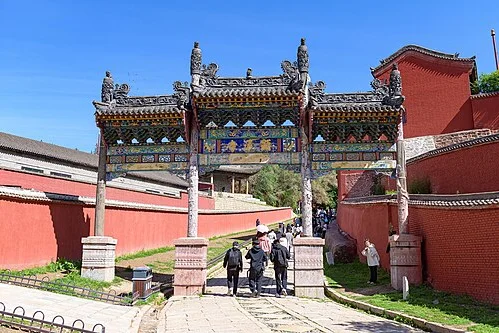
The temple is arranged along the mountain. The main halls are spread out layer by layer along the central axis, and the side courtyards follow the mountains to form different spaces. Compared with the flat compound, the mountains, steps, corner gates and plants jointly organize the line of sight, making the visit both orderly and environmentally changing.
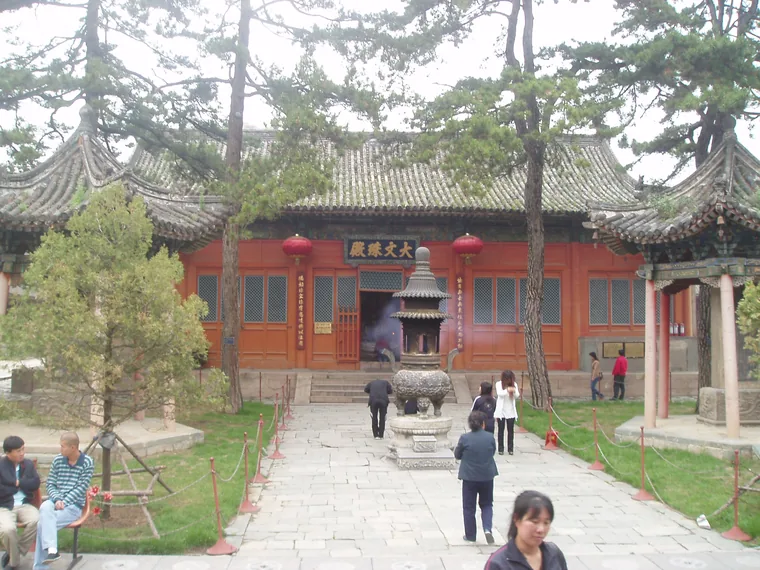
Follow history and understand Xiantong Temple
- Northern Wei Dynasty
Expanded clues of Lingjiu Temple
Dafu Lingjiu Temple in ancient records constitutes an important layer in the history of Xiantong Temple.
- Ming Dynasty
Xiantong and Yongming titles
The name of the temple appears in different stages due to successive reconstructions and grantings.
- 1606
Construction of Brick Hall and Copper Hall
The projects during the Wanli period of the Ming Dynasty left architectural features of different materials and techniques.
- 1687
Restore Xiantong Temple title
During the Kangxi period of the Qing Dynasty, it was rebuilt and the related old names were restored.
- 1899
Rebuilding the Main Hall
The existing main hall has a historical level of reconstruction in the Qing Dynasty.
Five Directions Manjushri and Thousand Bowls of Manjushri, understand wisdom more abundantly
The theme of the five directions of Manjusri in the Grand Manjusri Hall connects the cultures of the east, west, south, north and middle platforms of Shandong Wutai, making one hall show the relationship between mountains and wisdom belief. The worship in the hall and the actual climbing to the top of the five platforms have their own routes, times and visit contents, which can be understood and arranged separately according to needs.
Qianbo Manjusri presents wisdom and vast aspirations with rich images such as a bowl and multiple arms. Complex statues allow the same Bodhisattva to have diverse artistic expressions of his teachings, and also enable the pursuit of knowledge to face different situations. People place their hearts in understanding deeply, applying what they learn and taking responsibility, and cherish how wisdom can help themselves and others in life.
Manjushri’s wisdom can also be a daily reminder: be patient and seek verification when studying, be willing to ask for advice when encountering difficulties, and understand the situation more when making decisions. The wish can include both the expectation for Qingming and the actions that one is willing to practice seriously.
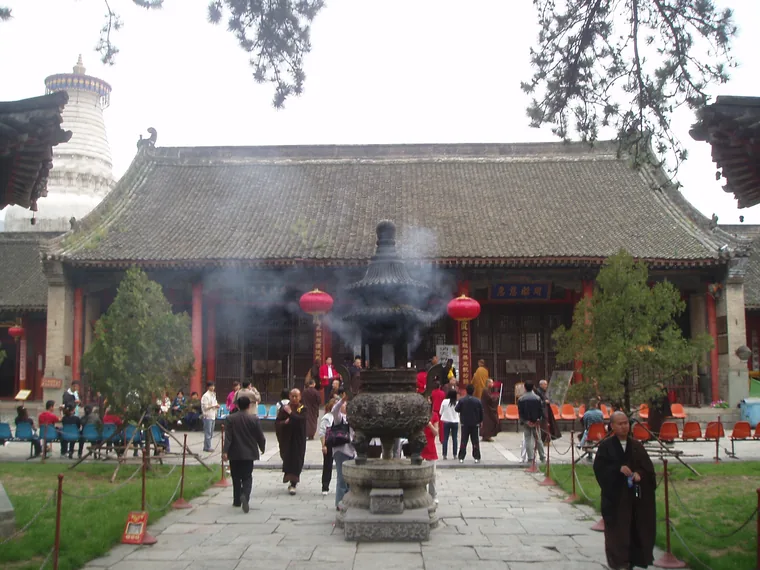
Distinguish the figures and spaces within brick-vaulted halls and bronze architecture
The Mahavira Hall is composed of Shakyamuni, the Medicine Buddha and Amitabha Buddha across the Three Buddhas, each with its own emphasis on the Manjusri theme. To understand different temples, first confirm the main deity and combination, and then understand the cultural direction of care, awareness and stability, which is more clear than just inferring based on similar temple names.
The Wuliang Hall is made of bricks, and the names of the seven places and nine meetings are related to the cultural expression of the Huayan Sutra. Architectural technology and Buddhist connotations meet here: brick coupons organize the space, and the name of the temple preserves the Buddhist narrative. In addition to Manjusri and copper casting art, Xiantong Temple also has brick architectural content worthy of careful reading.
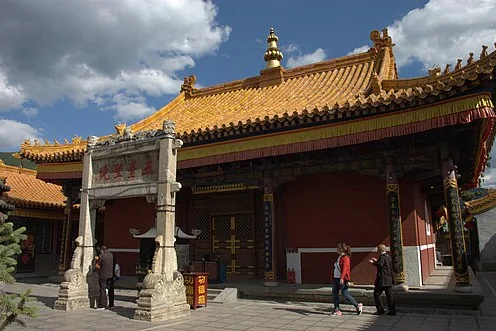
The Bronze Hall presents the possibility of another material through the imitation of wood structure and fine casting. The Manjusri in the hall and the Buddha statues all over the wall together form a solemn image. Appreciating ancient craftsmanship can also express gratitude to those who built and maintained it; close-up photos of cultural relics, special ceremonies and general salutes each have their own practical scope.
We are both in Wutai Mountain, why do we need to see the specific temples clearly?
Xiantong Temple is located in Taihuai, Wutai Mountain. The worship of Manjusri is carried out through different halls and statues. The theme of wisdom of the Five Directions Manjusri, the wish-fulfillment of Qianbo Manjusri, and the statue art of the Tongdian are mutually referenced. There is no need to create another wish-making function for each statue based on the image or artifact.
When wishing for studying in exams, studying abroad, or working, you can write about deep understanding, meeting good teachers, and persistence in preparation; when wishing for your family, you can recognize the care of the three Buddhas in the main hall. Wisdom is not just a grade, it also includes discerning the priorities when faced with choices and applying what you have learned to live honestly and take care of others.
Wuye Temple, Shuxiang Temple, Pusading Monastery and Xiantong Temple each have their own figures venerated and places associated with prior wishes. To give thanks, recall where you expressed the wish and to whom, then confirm the arrangements. Learning about the Five Manjusris in one temple does not mean a basic visit completes a pilgrimage to all five terraces.
Understanding the halls and the figures within them
| Palace or space | Figures and cultural roles |
|---|---|
| Great Manjusri Hall | Manjushri Bodhisattva·Five Directions Manjushri Theme |
| Qianbo Manjusri Hall | Thousand Bowls Manjushri Bodhisattva |
| Main Hall | Shakyamuni Buddha, the Medicine Buddha, Amitabha Buddha |
| Copper Palace | Manjushri Bodhisattva and the Buddha statues on the wall |
Great Manjusri Hall
Principal figures: Manjushri Bodhisattva·Five Directions Manjushri Theme
Manjushri Bodhisattva, also known as Manjushri, is respected for his great wisdom. The wisdom here is concerned with how to understand things, identify troubles, and see the direction; it can not only enter study and study, but also work and life choices. People pray to Manjusri for clarity of thought, advancement in studies, and meeting good teachers. They pray for deeper understanding and clear judgment in confusion. The Five Directions of Manjusri connects the Manjusri culture on the five peaks of Mount Wutai, presenting the same theme of wisdom in various images.
The Great Manjusri Hall of Xiantong Temple focuses on worshiping Manjusri, bringing the culture of the top of Mount Wutai into the temple hall. This place, like Dailuoding and other temples, each has its own specific history and architecture. Understanding the theme of the five directions can cherish the diverse expressions of Manjusri's belief, and also provide a clear place to study, understand the situation and make clear judgments.
Associated wishes: You can write down the topics you most want to learn more about, and pray for a good teacher, concentration, and good luck in asking for advice. If you are facing a new language or study abroad, you can also be willing to accumulate it patiently, stay humble, and let the wisdom you seek be embodied in your own growth.
Qianbo Manjusri Hall
Principal figures: Thousand Bowls Manjushri Bodhisattva
Manjushri Bodhisattva, also known as Manjushri, is respected for his great wisdom. The wisdom here is concerned with how to understand things, identify troubles, and see the direction; it can not only enter study and study, but also work and life choices. People pray to Manjusri for clarity of thought, advancement in studies, and meeting good teachers. They pray for deeper understanding and clear judgment in confusion. Qianbo Manjusri unfolds his vast wisdom with rich bowls and figures, giving the same Bodhisattva's teachings a complex and distinctive artistic expression.
Xiantong Temple Qianbo Manjusri Hall, Great Manjusri Hall, and Copper Temple respectively develop the theme of Manjusri, and different statues jointly preserve the diverse aspects of wisdom and respect. Rich images remind people that understanding can be applied to a variety of situations, and that seeking knowledge can help family members and others. Applying what you have learned, being willing to take responsibility and continuous learning can be expressed by the relationship between wisdom and education. The rich statues of Manjushri Thousand Bowls should be understood from the perspective of wisdom and aspiration. Do not assume that the shape of the "bowl" is responsible for the results of wealth.
Associated wishes: It can explain the one thing you most want to learn to be useful, praying for discernment, perseverance and good destiny. If you want to help family members or companions, you can also write down their needs, so that your request for wisdom includes practical care and willingness to take responsibility. The willingness to learn can be extended to applying what you have learned into reality, daring to ask for advice and taking responsibility seriously, allowing wisdom to take care of those around you at the same time.
Main Hall
Principal figures: Shakyamuni Buddha, the Medicine Buddha, Amitabha Buddha
Shakyamuni, the Medicine Buddha and Amitabha Buddha respectively unfold the teachings of the Buddha and the clues of belief in the Oriental Glazed Pure Land and the Western Pure Land of Bliss. Shakyamuni connects enlightenment and wisdom, Bhaisajyaguru (the Medicine Buddha)'s twelve great wishes care about suffering and life needs, and Amitabha Buddha's infinite light and infinite life express light, peace and refuge. The three statues are juxtaposed, making peace, blessing, wisdom and care for life interconnected.
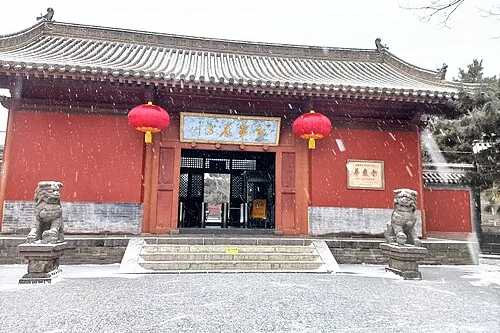
Xiantong Temple's main hall reflects its 1899 reconstruction. The principal Buddhas, flanking arhats and bodhisattvas behind them present teaching, practice and compassion. The Three Buddhas relate to different realms, providing settings for family wellbeing, inner steadiness and remembrance. The building's date and images together help explain today's hall.
Associated wishes: You can pray for your family’s safety, study and direction in life, and you can also express your gratitude to those you miss. If care and overseas life affect you at the same time, you can write down the understanding and support you need most, and hope that each other will be stable and have good relationships.
Copper Palace
Principal figures: Manjushri Bodhisattva and the Buddha statues on the wall
Manjushri Bodhisattva, also known as Manjushri, is respected for his great wisdom. The wisdom here is concerned with how to understand things, identify troubles, and see the direction; it can not only enter study and study, but also work and life choices. People pray to Manjusri for clarity of thought, advancement in studies, and meeting good teachers. They pray for deeper understanding and clear judgment in confusion. The Buddha statues also express respect for the vast Buddhist world. Manjusri and the Buddhas form a relationship between the main statue and the overall art in different scales.
Xiantong Temple The Ming Dynasty Bronze Temple uses imitation wood casting to show architectural techniques. The Manjusri in the temple and the Buddhas on the fine walls complement each other. The theme of wisdom and the copper casting process together preserve the inheritance of different knowledge, allowing visitors to respect Manjusri and thank those who created, preserved and restored it. This expresses the hope of perseverance in learning and cherishing culture, and has unique local content.
Associated wishes: I can express my sincere feelings to my teacher and friend Kang Ning for my inner clarity and in-depth study, and my gratitude for the labor of preserving culture. If you want to record the details of the Bronze Hall or enter a specific space, you can first explain the need and then confirm the methods allowed on site.
Write down the concerns in culture as your own wishes
I am willing to be patient in my studies and have the heart to seek verification.
Grand Manjusri Hall·Manjusri Wisdom Theme
Manjusri is revered for his great wisdom, and the various images of Manjusri in Xiantong Temple make the theme of wisdom run through different temples. The desire to study can be based on caring about understanding things, analyzing questions and meeting good teachers, cherishing the need for verification and continuous accumulation. When faced with different languages and viewpoints while studying abroad, you can also pray for a clear mind and a willingness to ask for advice. For those preparing for the exam, being able to study well, encounter appropriate guidance, and maintain physical and mental rhythm are also things that their families will seriously care about.
Describe the learner and the current stage, the most difficult step to understand, and the support needed; wishes can include focus, patience, and family understanding.
Example of wish expression
When preparing for the exam, I hope that my children will be calm and focused, and that they will encounter suitable guidance and gradually understand what they don’t know. We also hope that we will support them patiently, so that the efforts they put in will slowly turn into truly learned skills.
I am willing to use what I have learned and am willing to take responsibility
Qianbo Manjusri Hall·Theme of Wisdom and Willing Action
Manjushri wisdom is not only concerned with knowing, but also with understanding how to help oneself and others. The vast educational theme of Qianbo Manjusri connects the application of knowledge with the responsibility: I wish to understand what I have learned, and I wish to respond appropriately when facing various needs. Work, family, and the desire to help peers can all start from smart care.
It can explain the one thing you most want to apply what you have learned, and pray for good fortune in discernment, perseverance and cooperation. If it concerns others, you can also write down the needs you want to take care of most, so that you can expect your ability to grow while retaining tenderness and responsibility.
Example of wish expression
I hope that I will use what I have learned where it should be used, and I will not only be anxious to perform; I will act conscientiously when I need to take responsibility, and I will also be willing to continue to learn from my shortcomings.
For the stability of my family, I am willing to take care of you so that I will not be late
Main Hall·Three Buddhas Care Theme
the Medicine Buddha's Twelve Great Vows care about suffering and daily happiness. The three Buddhas in the main hall also present the teacher's teachings and the tranquility of the Pure Land. The family wishes of Xiantong Temple have clear cultural reasons: they hope that their relatives and friends will be healthy and receive support, and they also hope that they will feel less lonely. The worries of living abroad can be found in this combination.
You can write down the person you care about most and the care you need, and pray for physical and mental stability and smooth care. They can also thank the people who continue to accompany them, wishing to give the caregivers the same well-being, and let the blessings be concrete to the daily people and efforts.
Example of wish expression
May your family be safe and receive timely and appropriate care. I also hope that I will not let busyness block my care and share my burdens when needed.
I am grateful for the inheritance and cherish the Qingming life
Bronze Palace and Ancient Temple·Cultural Relics and Culture
The Bronze Hall preserves the theme of wisdom with statues of Manjusri and Buddhas. The Ming Dynasty imitation wood and copper structure also condenses craftsmanship and the knowledge of future generations. To express gratitude for the inheritance, you can thank the instructors and preservers at the same time, and hope that you will cherish the opportunity to understand the world. Living a clear life therefore involves both seeking wisdom and caring about how important things continue to be taken care of.
You can express your gratitude for a teaching or continued support, and wish the relevant people safety. If you are overseas, you can also express your willingness to cherish the culture of your hometown, keep learning, and let existing memories and new experiences illuminate each other.
Example of wish expression
Thank you to those who are willing to teach and support me. May I cherish the help I receive, keep a clear and down-to-earth mind, and help others as soon as I can.
In the image, continue to get to know each other Xiantong Temple
Xiantong Temple, the first temple in Mount Wutai and one of the oldest temples in China, houses the Buddha of Lusena
Follow the author to visit Xiantong Temple in Mount Wutai and see the ancient temples and halls.
奕杞游 · Bilibili · in Bilibili Watch original video
The video introduces the architecture and Buddhist statues of Xiantong Temple in Mount Wutai, not Shuxiang Temple or Wuye (the Fifth Lord) Temple. The themes of Manjusri, Three Buddhas and the Tongdian are understood separately from the main text to avoid confusing the temples on the same mountain.
If playback is restricted by the network or platform, the original video entrance can be used.
Commissioned services and fees
$242 USD · Basic service fee
Write down your thoughts for wisdom, care and wishes at Xiantong Temple
The basic commission includes tickets, incense, Buddha worship and making wishes; pictures and video visit records correspond to the specific temple, the selected offerings and this commission, and are delivered privately.
You can also entrust your family together. It is recommended that there be no more than 3 people per order, so that you can express your feelings one by one.
A private visit record will be provided 1-2 working days after the service is completed.
Anxin provides entrusted services independently and does not represent the temple. The entire trip to Wutai, the special Dharma assembly, close-up shots of the Bronze Hall, and designated cultural relics experiences are not automatically included in the basic commission.
Select your wish, desired date and offerings and submit the request, then add official customer service for verification. Submission does not mean successful reservation, payment or seat reservation.
Yes Submit request and confirm with our team . There is no need to log in for consultation; the appointment has not been successful after submission.
About Xiantong Temple , you may also want to know
Where is Xiantong Temple on this page?
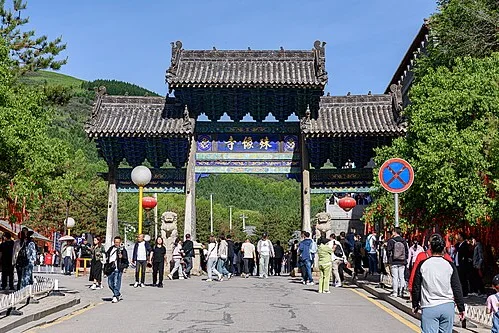
This page refers to the Xiantong Temple in Taihuai, Wutai Mountain, Shanxi Province, also known as Xiantong Temple. Please confirm the entrustment with the specific location.
Does worshiping Manjusri from the five directions in the temple mean completing the entire Wutai pilgrimage?
The theme of the Five Directions Manjusri in a palace is different from the actual appearance on the top of the stage. They are two arrangements and cannot be directly equated.
Is Qianbo Manjusri the god responsible for wealth results?
Qianbo Manjusri expresses wisdom and broad aspirations with rich Buddhist images, which can be used to express the desire to study deeply, apply what you learn, and have perseverance in responsibility.
Are Wuliang Hall and Wuliang Hall different buildings?
These titles are related to the brick structure and cultural connotation of the same building, also known as the Seven Places and Nine Halls. It is not appropriate to repeat arrangements with different titles.
Is the Xiantong Temple Copper Temple and the Emeishan Golden Temple the same place?
No. Their mountains, temples, materials, histories and devotional themes differ.
Does the basic commission include close-up photos of all cultural relics or the whole mountain Dharma ceremony?
Not included automatically. Special ceremonies, open spaces and cultural relics shooting ranges need to be communicated separately and confirmed according to actual conditions.
Both Xiantong Temple and Shuxiang Temple can recognize Manjusri, how to choose?
Compare specific images, halls and your own connection. Xiantong Temple includes the Five Manjusris, Thousand-Bowl Manjusri and Bronze Hall, while Shuxiang Temple is known for its main-hall Manjusri image. To give thanks, respect the original temple and promise.
My child is taking a test, should I just write down performance goals?
You can write clearly about the learning stage, what you hope to understand, focus and patience, and also express your willingness to meet suitable guidance. Parents' support and children's own efforts can achieve their wishes.