
Let’s look at these questions clearly first
- Are Puji, Fayu and Huiji the same place?
No. Puji is often called the Front Temple, Fayu the Rear Temple, and Huiji Fodingshan Temple. All three are on Mount Putuo in Zhejiang. Name the actual temple when specifying a service destination.
- Do all three main halls centre on Guanyin?
Guanyin devotion is central to Puji’s Dayuantong Hall and Fayu’s Nine Dragons Hall. Huiji’s Mahavira Hall centres on Shakyamuni, with a separate Guanyin Hall. Their shared Guanyin tradition does not mean their main halls are identical.
- Does choosing one temple include visits to all three?
No. Each temple has its own base service fee. Confirm its date, scope and private receipt separately. If you want arrangements at more than one temple, discuss each one; there is no automatic three-temple package.
The small screen allows you to swipe left or right to see the full comparison.
| Temple | Setting and familiar name | What to explore |
|---|---|---|
| Puji Temple · Front Temple | Mount Putuo, beside Haiyin Pool | Guanyin and thirty-two manifestations in Dayuantong Hall |
| Fayu Temple · Rear Temple | North of Qianbusha, below Guangxi Peak | Guanyin, the Nine Dragons ceiling and rising courtyards |
| Huiji Temple · Fodingshan Temple | Fodingshan, Mount Putuo | Shakyamuni’s main hall and stone images in Guanyin Hall |
Puji: Haiyin Pool and Guanyin devotion
Puji’s familiar name, Front Temple, its Haiyin Pool and its Dayuantong Hall help connect the temple’s name with its setting. Guanyin’s thirty-two manifestations express compassion for different circumstances. Explore the halls when expressing care for family or giving thanks.
Fayu: the Nine Dragons ceiling and Guanyin
Fayu’s courtyards rise with the hillside. The Nine Dragons ceiling is an architectural feature, while Guanyin is the focus of devotion. Together they shape the hall, but they have different roles. If you made your original wish at Fayu, begin your thanks with that temple and what has changed, rather than automatically substituting another place on Mount Putuo.
Huiji: Shakyamuni and Guanyin on Fodingshan
Huiji stands among the trees on Fodingshan. Its Mahavira Hall centres on Shakyamuni; its separate Guanyin Hall includes a Guanyin image and stone carvings based on paintings from successive dynasties. The principal figure in its main hall differs from those at Puji and Fayu. Huiji’s traditions of Buddhist learning and compassion provide context for personal wishes about growth, family support or a safe journey.
Begin with your connection to the temple
If you have made a wish before, revisit the temple’s name, the figure you honoured and any commitment you made. For a first choice, consider familiar traditions, your family’s practice and the halls you want to understand. There is no reliable comparison of wish-fulfilment rates, and choosing every temple is not a measure of sincerity.
Check each temple, scope and current fee
The base service fee for each temple is listed below. Choosing one temple does not include visits to the other two. Confirm the selected temple’s date, service scope and photo or video receipt. Offerings are optional and priced separately. Discuss each additional temple individually. Anxin provides an independent service and does not represent the temples.
And these specific questions
Can I choose any of the three temples when giving thanks?
Begin with the original temple, wish and commitment. Discuss any change of place or method in light of that commitment and practical circumstances; the three destinations are not interchangeable.
Do I need extra offerings to express thanks?
There is no automatic requirement to add offerings. Express your thanks sincerely and specifically; offerings are optional. Commitments involving your own care, good actions or other personal responsibilities remain yours to fulfil.
Choose the temple, then discuss your arrangements
Photo attribution and permission
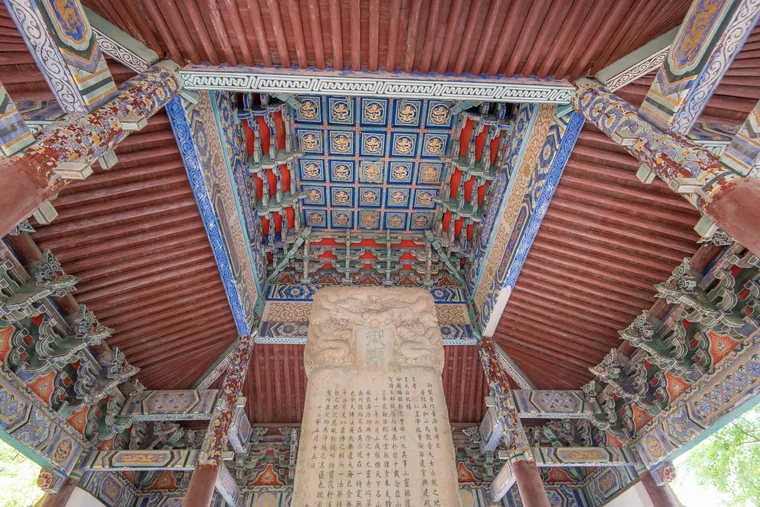
Puji Chan Temple royal stele and pavilion paintings (photographed in 2019)
Photography: Siyuwj · Original file · CC BY-SA 4.0
Keep the correct orientation according to the EXIF of the original image, scale it proportionally and convert it to WebP, without changing the architectural or statue content; derived images use the original license . The pictures are used to understand the temple culture and are not used as samples for safe performance of the contract.