Quick understanding
- Why is Fayu Chan Temple called Hou Temple?
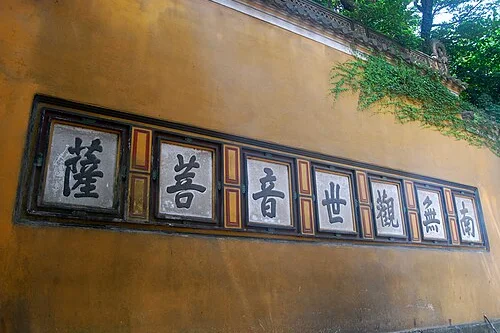
Hou Temple is the customary name of Fayu Chan Temple. It is located at the northern end of Qianbusha in Putuo Mountain and under Guangxi Peak. It has different locations and architectural patterns from Puji Temple in Qiansi and Huiji Temple in Foding Mountain.
- Which principal figures are venerated here?
Nine-Dragon Hall centres on Pilu Guanyin, with island Guanyin and Sudhana's fifty-three visits behind. Jade Buddha Hall honours a jade Shakyamuni; the main hall also has the Three Buddhas, Manjusri and Samantabhadra.
- What is the relationship between Kowloon caisson and Guanyin?
The caisson is an architectural decoration on the roof of the palace, and the Kowloon theme preserves craftsmanship and pattern culture; the main hall Guanyin is centered on compassion and respect, and the two together form a distinct space.
- Location
- Putuo Mountain, Zhejiang·North end of Qianbusha, under Guangxi Peak
- Customary names and early names
- Back Temple; Haichao Temple, Zhenhai Zen Temple
- Create leads
- The eighth year of Wanli in Ming Dynasty (1580)
- Cultural Identification
- Kowloon caisson and island Guanyin sculpture group
At Fayu Chan Temple, put your worries aside
Fayu Temple connects Guanyin's compassion, philanthropy, and Manjushri Samantabhadra's wisdom and actions; it is suitable to write down specific wishes for support, continued learning, and gratitude for help.
Learning and seeking advice
Understand the growth in exams, studies and new jobs from the visit of Shancai and the wisdom of Manjusri.
Continue to learn →Family support and care
Distinguish the principal Guanyin image, island sculpture group and figures in the main Buddhist hall.
Continue to learn →Compare Putuoshanqian Temple
Get to know the Yingshen combination of Puji, and then return to the original temple and wish you are familiar with.
Continue to learn →From Haichaoan to Fayu, the name of the temple leaves the memory of the island and the spread of Buddhism
The establishment of Fayu Chan Temple can be traced back to the eighth year of Wanli in the Ming Dynasty. It was originally called Haichao Temple, and was later expanded to have names such as Haichao Temple and Zhenhai Zen Temple. These names place the temple in the island environment and historical situation at that time, and also indicate that what we see today was not built in one go.
The reconstruction during the Kangxi period of the Qing Dynasty had a profound impact on the scale and image of the temple. The imperial court bestowed "Fayu Chan Temple" and "Fayu Chan Temple", and the names continue to this day. During the Yongzheng period, construction continued to complete the halls, pavilions and ancillary spaces. ‘Dharma rain’ can also be understood from the cultural connotation of nourishment by Buddhist dharma.
The temple experienced war and damage, and was gradually restored in modern times. When understanding the existing buildings, separately read the creation, Qing Dynasty layout and subsequent repairs, and you can see how the ancient temple continues to exist through the efforts of generations.
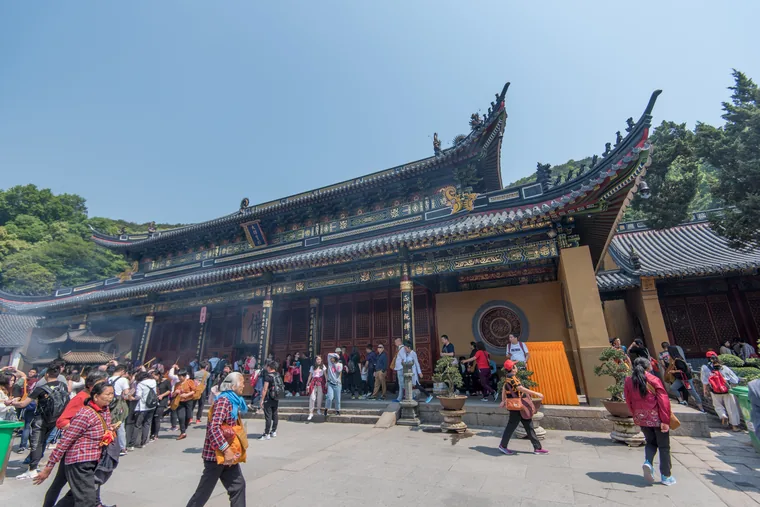
Follow history and understand Fayu Chan Temple
- 1580
Haichaoan was established
Dazhi Zhenrong built Haichao Temple and became the early starting point for the development of Fayu Chan Temple.
- 1606
The name of Zhenhai Zen Temple
In the Ming Dynasty, the Yongshou Zhenhai Zen Temple was granted to the protector of the country, and the temple underwent subsequent construction.
- 1699
The construction of Jiulong Hall and the naming of Dharma Rain
In the Qing Dynasty, the old palace components were used to build the main hall and it was given the title of Fayu Chan Temple.
- Since 1731
Temple layout expansion
During the Yongzheng period, large-scale construction was carried out, and the palaces and pavilions were gradually completed.
- Since 1983
Restoration work begins
The temple continues to repair the damaged buildings, and preservation and use continue each other.
The gradually rising courtyard and the Kowloon caisson visible when looking up
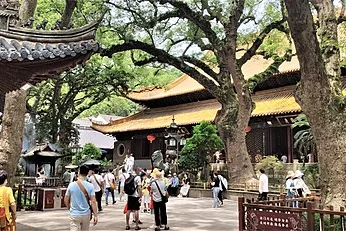
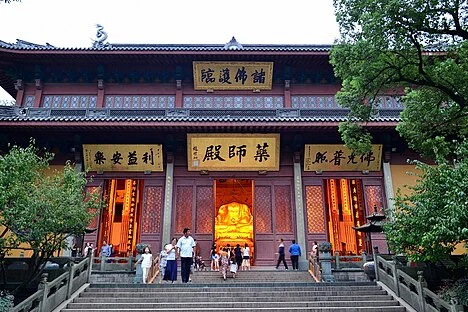
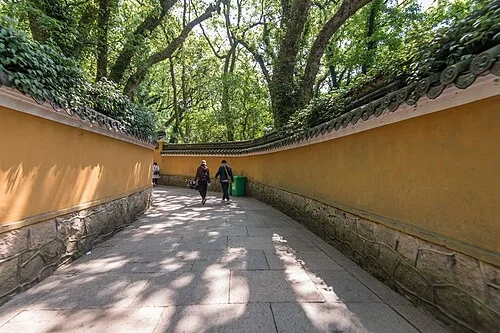
Fayu Chan Temple The front and rear temples unfold step by step along the mountain, including the Heavenly King Hall, the Jade Buddha Hall, the Kowloon Hall, the Imperial Monument Hall, and the Main Hall, forming a continuous but changing walking experience. The slope is not an obstacle to the building, but an important condition for organizing the courtyard, sight lines and rhythm.
Jiulong Hall, also known as Dayuantong Hall, is the main hall of the temple. The Kowloon caisson in the temple is organized into a dome with one dragon in the center and eight dragons surrounding it. The wooden structure and carvings together create an upward sense of space. The relevant components are connected with the history of the transfer of the old halls of the Ming Palace in Nanjing, making this a concrete example of understanding the flow of ancient building materials.
When looking at the caisson, you can pay attention to the relationship between the dragon body, vertical columns and the top structure. Architectural craftsmanship, royal construction and Guanyin worship meet in the same hall, but each has its own theme; to appreciate Kowloon, you don't need to think of the decoration as a separate set of rituals to seek wealth or ward off misfortunes.
Island Guanyin seeks the Dharma with Shancai, so that compassion also includes learning
After the main statue of Guanyin in the Kowloon Hall, there are the large group of statues of Guanyin on the island and the fifty-three ginseng of Shancai. The group sculptures organize landscapes, characters and Buddhist narratives together. When viewing, you can first identify the overall level, and then see how the characters are related to each other in different positions. It has its own characteristics with the presentation of Puji Thirty-two Yingshen.
The theme of seeking dharma through virtuous wealth emphasizes continuous seeking for advice and learning from different virtuous teachers. Wisdom is therefore not just a gift, but also involves the patience of being willing to approach the experience of others and admit that one does not yet understand. This story brings a more fulfilling cultural relevance to education, career growth, and life choices.
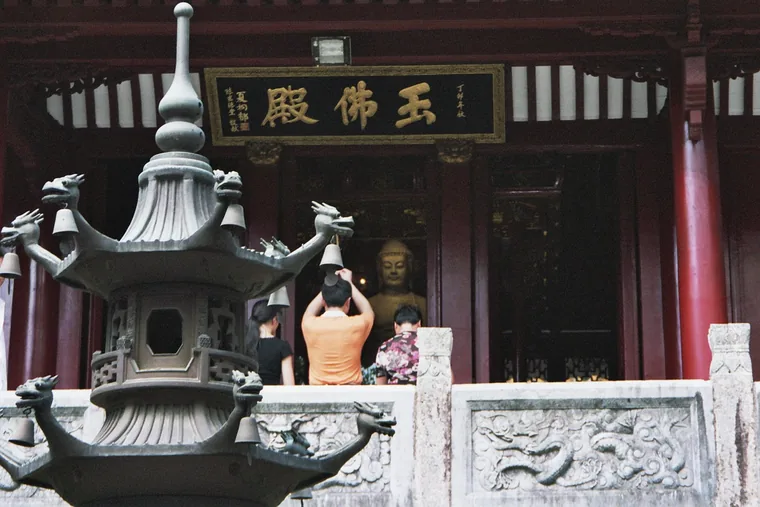
The space for worshiping Fayu is not limited to the Nine Dragons Hall. The Shakyamuni in the Jade Buddha Hall, the Three Buddhas in the Mahavira Hall, Manjusri and Samantabhadra respectively unfold clues to enlightenment, stability, wisdom and practice. Wishlist can thus be directed to specific situations: wishing that someone would be cared for, wishing that I could be better at judging, and wishing that I could put my understanding into action.
Learn from Shancai Shen and understand the difference between Fayu Temple and the former temple
Fayu is also called the rear temple. Nine-Dragon Hall's architecture and Guanyin create its distinctive setting. Distinguish the dragon ceiling's craftsmanship, the principal image and island sculpture narrative to understand compassion and the search for teaching, rather than reducing the temple to a single wish label.
If you are choosing between Puji and Dharma Rain, the former can start from the various responses of Guanyin Yingshen, and the latter can also focus on the learning journey of Shancai Fifty-Three Ginseng. People who are preparing for exams, studying abroad, or entering new industries can organize their wishes based on the cultural meanings of seeking advice, mentoring, and learning. Praying for family members can also be expressed around compassion and care.
To give thanks for progress in learning or a safe journey, explain your original concern, what has actually changed and any promise you made. If the original wish was at Fayu Temple, retain the precise temple name and figure you honoured so the visit continues your own story.
Understanding the halls and the figures within them
| Palace or space | Figures and cultural roles |
|---|---|
| Jiulong Hall (Dayuantong Hall) | Vairocana Guanyin; Island Guanyin and Shancai Fifty-Three Ginseng Group Statues |
| Jade Buddha Hall | Shakyamuni Buddha·Emerald Buddha statue |
| Main Hall | the Three Buddhas, and Manjusri, Samantabhadra Bodhisattva |
Jiulong Hall (Dayuantong Hall)
Principal figures: Vairocana Guanyin; Island Guanyin and Shancai Fifty-Three Ginseng Group Statues
The Nine Dragon Hall of Fayu Temple has Vairocana Guanyin as the main deity, and the island Guanyin behind it is connected with the fifty-three ginseng statues of Shancai. Guanyin expresses his compassion by hearing voices and rescuing those who are suffering, while Shancai is familiar with his journey of seeking Dharma by constantly visiting good teachers. Compassion and participation are juxtaposed in the same hall, so that worship can not only rely on relatives to be cared for, but also care about how a person seeks guidance and improves understanding.
The principal image, island sculpture group and nine-dragon ceiling present devotion, stories and craftsmanship. Sudhana's journey gives a visible setting to seeking guidance from others. Learning, coming through difficulty and gratitude for help can connect with this Guanyin hall. Distinguish the architectural ceiling from the figures and scriptural narrative.
Associated wishes: You can pray for the well-being of your relatives and friends and for support in difficulties, and also for your own courage to study and seek help. If you are overseas and often face the unknown, you can write down your wish to meet a good mentor and have good relationships, so that asking for advice and being taken care of can become expectations that can be expressed calmly. The desire to study can be written about meeting a good teacher and having the courage to ask for advice, and the concern for family can be written about the care you hope to receive. The two do not need to be squeezed into the same general sentence of success.
Jade Buddha Hall
Principal figures: Shakyamuni Buddha·Emerald Buddha statue
Shakyamuni is the founder of Buddhism. The Buddha's enlightenment story starts from facing the troubles of life, emphasizing the understanding of troubles, the growth of wisdom and compassion. When paying homage to Shakyamuni Buddha, common thoughts include increased blessings and wisdom, physical and mental peace, family peace, and reduction of worries; the teachings represented by the statue also provide a background for learning, reflection, and facing life's transitions.
The Jade Buddha Hall of Fayu Temple is in front of the Jiulong Hall. The destruction and re-invitation of the Jade Buddha made the name of the temple, the statue and the history of restoration jointly participate in the memory of the temple today. Looking at the Buddha's teachings through jade statues, you can put together clarity, seeking knowledge, and settling the mind and body; looking at inheritance through restoration, you can also express gratitude to those who continue to worship and culture.
Associated wishes: You can pray for yourself to have clear judgment when facing confusion, wish your family good health, and thank your teachers, friends and relatives for their guidance. If you are starting over after experiencing changes, you can express your willingness to keep learning, be less impatient, and slowly stabilize in the new situation.
Main Hall
Principal figures: the Three Buddhas, and Manjusri, Samantabhadra Bodhisattva
The main hall of Fayu Temple has the Three Buddhas as the main deity, with Manjusri and Samantabhadra Bodhisattva on both sides. The Buddhist statues pay tribute to enlightenment in different combinations. The title "the Three Buddhas" also retains the diverse traditions of time and Buddhist imagery; Manjusri has a distinct identity with his wisdom and Samantabhadra with his vows. To understand this, we can start from the relationship between respecting the Buddha, seeking wisdom, and being willing to practice and realize each other.
The main hall in the deep courtyard echoes the theme of Guanyin and good wealth in the Kowloon Hall in front: good wealth shows the journey of learning, Manjusri reminds people of understanding and discernment, and Samantabhadra makes what is learned move into action. From this, the monastery not only shows respect for seeking comfort, but also presents a level of study that is willing to continue learning and implement good wishes for a long time.
Associated wishes: When preparing for exams, researching or advancing work plans, you can turn to Manjushri for clarity of thinking and Samantabhadra to express perseverance and responsibility. When wishing for your family, you can also include the peace you hope for and the responsibilities you cherish, so that you can see clearly and do it steadfastly in the same mind.
Write down the concerns in culture as your own wishes
The courage to learn and ask others for advice
Kowloon Hall·Fifty-three ginseng for good wealth; Mahavira Palace·Manjusri’s wisdom
The fifty-three ginseng of good wealth in the island group of Kowloon Hall tells about the growth of seeking Dharma through constant visits to good teachers; the Manjushri Bodhisattva in the Mahavira Hall also takes wisdom and discernment as the theme of worship. Together, these two clues make Fayu Temple’s desire for learning concrete: it hopes to have a deeper understanding, but also wants to meet people who can guide the way, and cherish the different experiences in the process of seeking advice. Seeking advice is not only preparation before the exam, but also includes gradually finding your way in an unfamiliar country, language and working methods.
Describe the learning or adaptation stage you are facing, the problems you want to see clearly, the support you need from teachers and friends, and the preparations you are willing to make seriously.
Example of wish expression
I hope that I will dare to ask questions in the new stage of learning and meet teachers and friends who are willing to guide me; I also hope that I will prepare myself steadily and turn the help I receive into truly learned skills.
Support and care in difficult situations
Kowloon Hall·Guanyin Mercy
Guanyin's name is associated with hearing and rescuing people in distress. The Nine Dragons Temple presents the vastness of mercy with the main deity, island narrative and many characters. People need different care when they are sick, lost, or experiencing changes in their lives. Guanyin's faith provides someone to talk to in these difficult-to-explain situations. This group of statues in Fayu Temple can therefore bear both physical and emotional concerns.
You can explain which family member or friend you most hope will be understood this time, and wish you smooth care, less worry in your heart, and reliable support in difficulties. If you are temporarily unable to be with the other person, you can write the full message of comfort and hope you want to convey, and let the compassionate wishes carry specific and gentle company.
Example of wish expression
I hope that my family members who are in trouble will be understood and cared for; I also hope to hear their needs first and then try my best to provide help.
Turn judgment into practical action
Main Hall·Theme of Manjusri and Samantabhadra
Manjusri represents the wisdom of understanding things, and Samantabhadra’s vows include continuous practice such as paying respect, rejoicing, learning and dedicating others. The Main Hall of Fayu Temple allows the two Bodhisattvas to be in the same place, so that the aspirations for study and career can focus on the direction and perseverance at the same time: I wish to think clearly, and I wish that my good wishes are implemented, not just a temporary enthusiasm.
You can explain clearly the plans you need to advance most, pray to Manjushri for judgment and thoughts, and entrust Samantabhadra with patience, responsibility and good cooperation. If the goal affects overseas life or family arrangements, you can also write down the people you want to take care of, so that career progress and daily responsibilities can be connected in your wishes.
Example of wish expression
I hope that I will not only imagine the results repeatedly, but also take the first step of preparation; I will be willing to adjust when encountering difficulties, and will not give up easily.
Returning safely and giving thanks
Guanyin Palace·Image of the Journey of Compassion and Charity
Guanyin traditions at Fayu Temple offer comfort to travellers, while images of Sudhana's journey recall learning from many teachers. Giving thanks after a safe return can acknowledge protection, teaching and people who helped along the way. It looks back on that experience while keeping a wish to treat others kindly.
Describe what worried you at the start of the journey and the care you most want to acknowledge now, alongside wishes for loved ones' safety and continuing kindness. If conveying thanks for family, include what they want to say and details you remember together, keeping the message personal and sincere.
Example of wish expression
Thanks for your care and help along the way. May I keep this peace in my heart and reach out to others when they need it in the future.
In the image, continue to get to know each other Fayu Chan Temple
Fayu Chan Temple
Experience the palace and mountain environment of Fayu Chan Temple in Mount Putuo through images.
故乡回望 · Bilibili · in Bilibili Watch original video
The work revolves around the architecture of Fayu Chan Temple and Guanyin culture. The space of the temple can be observed in combination with the main text; the historical salute fragments in the picture are not regarded as fixed activity commitments.
If playback is restricted by the network or platform, the original video entrance can be used.
Commissioned services and fees
$245 USD · Basic service fee
In Putuohou Temple, express your feelings clearly
The basic commission includes tickets, incense, Buddha worship and making wishes; pictures and video visit records correspond to the specific temple, the selected offerings and this commission, and are delivered privately.
You can also entrust your family together. It is recommended that there be no more than 3 people per order, so that you can express your feelings one by one.
A private visit record will be provided 1-2 working days after the service is completed.
Anxin provides entrusted services independently and does not represent the temple. The basic commission does not automatically include other Putuo temples, special rituals or special ceremonies, and optional offerings must be confirmed separately.
Select your wish, desired date and offerings and submit the request, then add official customer service for verification. Submission does not mean successful reservation, payment or seat reservation.
Yes Submit request and confirm with our team . There is no need to log in for consultation; the appointment has not been successful after submission.
About Fayu Chan Temple , you may also want to know
Are Fayuhou Temple and Pujiqian Temple the same place?
No. These are different temples on Mount Putuo. Fayu is at the north end of Qianbusha below Guangxi Peak, with its own courtyards and figures.
Is Kowloon Temple mainly for Kowloon?
The Kowloon caisson is an architectural decoration of the main hall. In the hall, Guanyin is the core of worship, and on the back there are images of Guanyin on the island and a group of people seeking wealth and wealth. The three should be recognized separately.
What is the connection between the Kowloon caisson and the Ming Palace Museum in Nanjing?
There is a history of using components from the old palace of the Ming Palace in Nanjing during reconstruction in the Qing Dynasty. To understand this period of circulation, we should take the specific components and construction as clues, and do not call the entire temple today the original building of the Ming Palace.
How to understand Shancai Fifty-Three Ginseng?
It is a Buddhist narrative of continuous visits and learning from various good teachers, which can be associated with humility, discernment and willingness to learn. It is not a set of steps to guarantee academic or career results.
Are the Guanyin of Fayu the same as the Puji Yingshen statue?
Both belong to the Guanyin faith, but are presented in different ways. Fayu is characterized by the main statue of Jiulong Hall, the island Guanyin and the Shancai group, and Puji is famous for the main statue and thirty-two attires.
Does the entrustment of Fayu include the other two temples?
Not included automatically. If you want to arrange for multiple temples in the front temple, back temple and Foding Mountain, you should explain the scope in advance, and then confirm the date, service content and visit record respectively.
How can Fayu Temple's traditions relate to wishes about exams or study abroad?
Shancai Ginseng, Manjusri’s wisdom and Samantabhadra’s vows provide cultural clues for seeking advice, discernment and practice. You can write down clearly the stage of study you are in, the help you expect to encounter, and the preparation you are willing to make, and then get to know the corresponding hall.
Do Nine-Dragon Hall and the main hall have the same devotional theme?
The Kowloon Hall focuses on Guanyin, island narratives and philanthropic studies; the Main Hall also has a combination of Buddha, Manjusri and Samantabhadra. The two echo each other, but the relationship between the main deity, the name of the palace and the characters should be distinguished.