Quick understanding
- Who does Baisui Palace mainly commemorate?
The principal commemoration is of the Ming monk Haiyu, known as Wuxia and traditionally honoured as the Manifestation Bodhisattva. Jin Dizang was a different historical monk, remembered at a separate Mount Jiuhua location.
- Why is it also called the Wannian Temple?
Baisui Palace, together with Wannian Temple and Wannian Zen Temple, are names that appear in the history of temples, originating from the tradition of construction and commemoration since the Ming and Qing Dynasties. It is not the Wannian Temple in Mount Emei, Sichuan.
- What is special about the architecture of this temple?
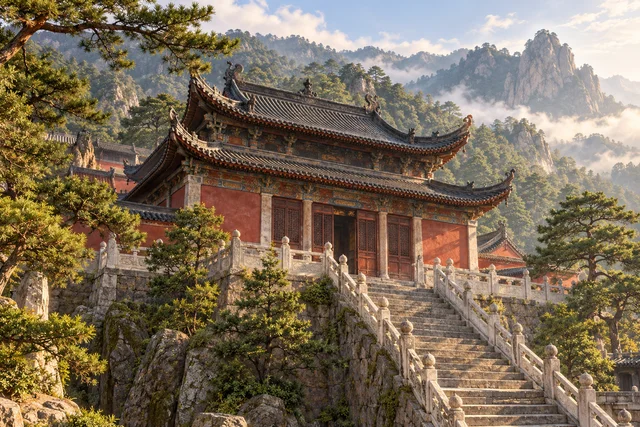
The multi-story pavilion is connected into a whole due to the mountain topography, the hall is connected with the monk's residence, and the interior is also integrated with the mountain rock. Looking from different directions, the floors and heights will change significantly.
- Location
- Jiuhua Mountain, Anhui·Mokong Ridge
- AKA
- Protect the country Wannian Temple, Wannian Temple
- Important commemoration
- Haiyu·Wuxia Zen Master
- Architectural Features
- A multi-story building that takes advantage of the situation
In Baisui Palace, put the things you care about
Baisui Palace is closely related to the memory of Zen Master Wuxia's training; you can get to know this eminent monk and his temple by returning your elders' stability, long-term persistence and grateful company.
The stability and companionship of elders
Bring the blessing of longevity to your daily life, care and companionship.
Continue to learn →Respect long-lasting study
Distinguish the different identities of Zen Master Wuxia, Buddha, Bodhisattva and Bodhidharma.
Continue to learn →Compare Jiuhua Kaishanzu Temple
Go to Huacheng Temple to continue to understand the history of Tongshan and avoid confusing the names of eminent monks and temples.
Continue to learn →The name of Zen Master Wuxia connects a long-lasting intention
Zen Master Haiyu, also known as Wuxia, came to Mount Jiuhua during the Wanli period of the Ming Dynasty and established a nunnery in the Mokong Ridge area. The biography of his life is closely connected with the copying of the Huayan Sutra of Dafang Guangfo, leaving a long-term cultural memory focused on the classics. To understand this story, you can first grasp the characters, era and study experience.
In later generations, Zen Master Wuxia had his body covered with gold as an offering, and was revered as the Yingshen Bodhisattva in tradition. This title preserves respect for the eminent monk's virtues, long-term practice and teachings. The character's life and religious offerings are connected here, and it also provides a specific background for later generations to be grateful to their teachers, cherish their learning and maintain goodwill.
Regarding the length of life and the details of penance, the historical accounts are not exactly the same. What leaves more power than chasing an astonishing number is the spirit of sticking to one thing for a long time. People today can also think about how their own learning, care and commitment can withstand day after day.
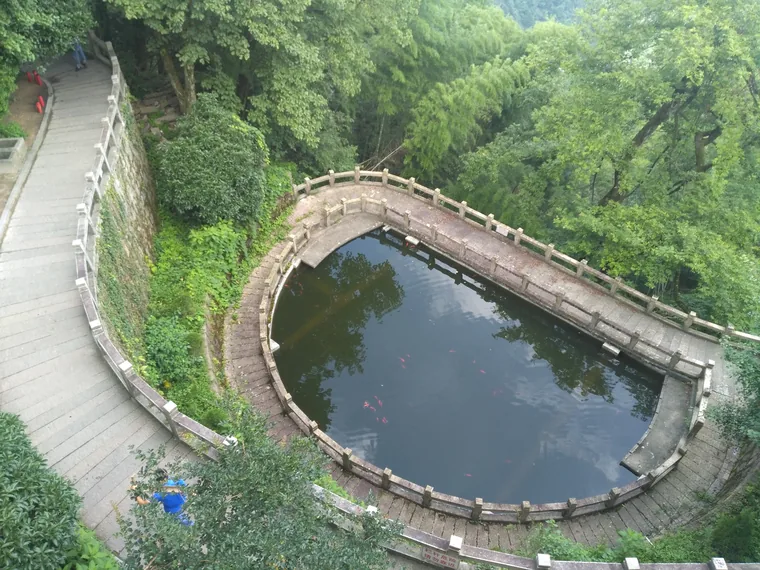
Follow history and understand Baisui Palace
- Wanli period of Ming Dynasty
Wu Xia Lai Shan Jie An
Zen Master Haiyu established a nunnery to study in the Mokong Ridge area, which became an important starting point for the history of Baisui Palace.
- 1623
Zen Master Wuxia passes away
Gilding and commemorative devotion developed later; accounts of his lifespan vary between sources.
- 1630
The title of Yingshen Bodhisattva
The edict issued during the Chongzhen period of the Ming Dynasty has become an important node in the memorial history of the eminent monks of this temple.
- 1839
Qing Dynasty expansion
The expansion during the Daoguang period further developed the temple, and the name of Wannian Zen Temple is found in relevant records.
A pavilion temple composed of rocks
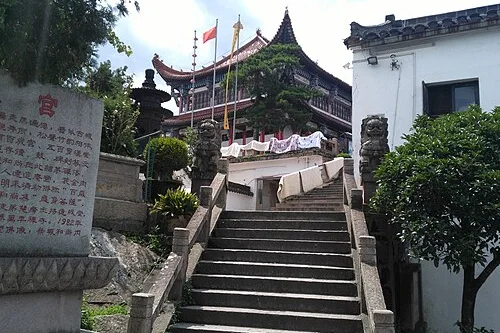
The space of Baisui Palace does not unfold as a row of independent halls to the rear. The mountain gate, Buddhist hall, body hall, dining hall and monk's residence are connected into a whole with the help of the slope. Viewed from different directions, the levels at the lower and higher places are different. This form closely connects the building with the mountain.
Rocks not only form the backdrop outside the temple, but also enter the interior space. The Buddhist niches in the hall are arranged according to the situation, and the mountains and rocks can be seen connecting the buildings between the floors. Through the building, the patio and the turning passage, they handle lighting, transportation and daily use, allowing the limited mountain area to accommodate multiple functions.
Therefore, to understand Baisui Palace, it is suitable to look at the appearance and internal organization at the same time: the exterior has a sense of integrity close to that of a castle, while the interior retains the courtyard and connectivity of a residential building in southern Anhui. The solemnity of the mountain temple comes not only from Buddhist themes, but also from the construction wisdom developed through long-term integration between people and the terrain.
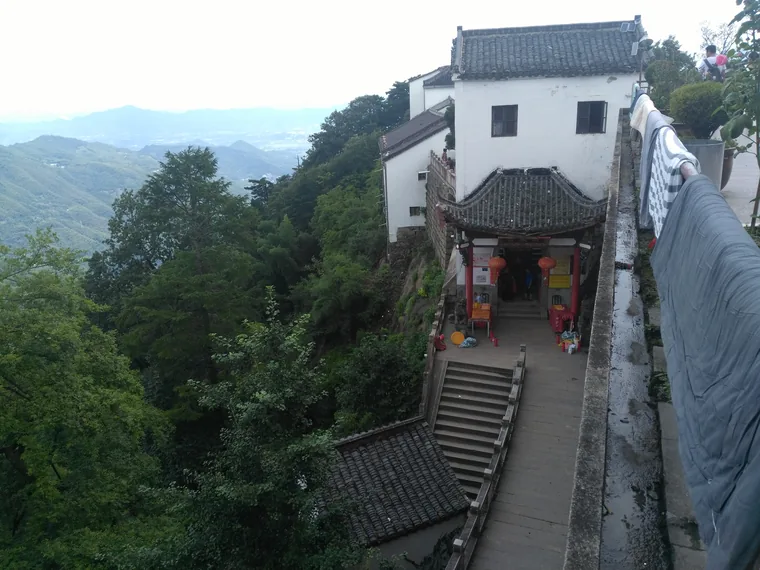
What kind of respect do Buddha, Bodhisattva and Patriarch represent?
Baisui Palace's main hall honours Shakyamuni with Manjusri and Samantabhadra, linking awakening, wisdom and practice. This places commemoration of a monk within a wider Buddhist setting and connects wishes with understanding and action.
Bodhidharma's shrine and Master Wuxia's commemoration preserve distinct memories. Bodhidharma relates to Chan lineage; Wuxia connects directly with Baisui Palace's history. Guidance, concentration, sustained practice, scripture copying and gratitude give different settings for personal growth and respect for teaching.
The heart of Baisui Palace can be associated with persistence, gratitude, and family stability. If you want to bring a tribute back to your life, you might as well write down a small commitment that you are really willing to commit to for the long term: take care of your loved ones, study seriously, or be more patient in your relationship. The wishing mind thus obtains concrete direction.
Understand Zen Master Wuxia and understand the long-term intentions of Baisui Palace
The name of Baisui Palace makes people first think of longevity. For further understanding, you should see Zen Master Wuxia’s training and temple commemoration. The physical worship here is connected to a specific eminent monk and cannot be confused with the commemoration of different figures in other temples in Jiuhua Mountain; the hundred years in the name can also be understood together with the culture of studying, cherishing life and caring for the elders.
When wishing for parents and elders, you can start from respecting life and cherishing companionship, and write down your hopes for daily life, rest and care. When you make a commitment to a long-term plan, you can explain the most difficult stage to stick to, the help you have received, and the next steps, making the respect for long-term practice closer to your daily life.
If you made a wish at Baisui Palace, start with that place and your original promise when giving thanks. A relative coming through a difficulty, completing a course of study or companionship during hardship can all be reasons for gratitude. Personal commitments to care and kindness continue in daily life.
Understanding the halls and the figures within them
| Palace or space | Figures and cultural roles |
|---|---|
| Main hall Buddhist niche | Shakyamuni Buddha, Manjushri Bodhisattva and Samantabhadra Bodhisattva |
| Master Wuxia’s Body Hall | Haiyu·Wuxia Zen Master (traditional honorific title Yingshen Bodhisattva) |
| Bodhidharma’s niche | Patriarch Bodhidharma |
Main hall Buddhist niche
Principal figures: Shakyamuni Buddha, Manjushri Bodhisattva and Samantabhadra Bodhisattva
Shakyamuni, Manjusri and Samantabhadra together form the theme of worship for the three saints of Sakyamuni: the Lord Buddha represents enlightenment and teaching, Manjusri helps people understand things with wisdom, and Samantabhadra turns what he knows and wishes into practice with his actions. The three go hand in hand so that the mind for learning, growth, and long-term planning can simultaneously care about understanding, direction, and persistence, and also connect personal learning with kindness toward others.
The Buddhist niches in the main hall of Baisui Palace are connected with the mountain rocks and the tower structure, placing faith in the specific architectural environment of the mountain temple. Understanding the different roles of Manjushri and Samantabhadra, and looking back at Zen Master Wuxia’s memory of practice, we can read how wisdom and practice echo each other here. When you seek wisdom, you can seek clarity of writing and thinking, and when you seek action, you can also care about long-term dedication and willingness to take responsibility.
Associated wishes: You can pray for discernment and perseverance in your studies, research, creation or work plans. You may also pray for good luck in cooperation and that your family will be taken care of. If you are preparing for a new stage, you can clearly explain what you want to learn and what you hope to make good use of, so that your desire for growth can be combined with understanding and action.
Master Wuxia’s Body Hall
Principal figures: Haiyu·Wuxia Zen Master (traditional honorific title Yingshen Bodhisattva)
Master Wuxia, whose Dharma name was Haiyu, is the Ming monk commemorated at Baisui Palace and traditionally honoured as the “Manifestation Bodhisattva”. Devotion here respects his practice and character; scripture copying and sustained effort help explain his life. This human story connects perseverance, time and gratitude for teaching with concern for life and companionship.
Baisui Palace's history, Master Wuxia's gilded preserved body and memories of scripture copying form its distinctive tradition. They show how a monk is commemorated and invite reflection on commitments sustained over time. Wishes for elders' wellbeing, perseverance in learning or gratitude towards supporters can connect with this respect for a teacher. Keep the particular monk and temple distinct from commemorations elsewhere.
Associated wishes: You can express your feelings for your parents’ longevity, health and long-term companionship for your family, and also pray that you will know how to cherish today and still be able to respond. If you want to make a resolution for a goal that lasts for many years, you can write down the reasons for persistence and the help you have received, so that you can respect and practice while retaining the true feelings of humanity. You can write about daily life and care for your elders, write down long-term study and persistence plans for yourself, and also write down practical agreements about original wishes and thanks.
Bodhidharma’s niche
Principal figures: Patriarch Bodhidharma
Bodhidharma is revered as the first ancestor in the Zen tradition of Han Dynasty. The story of his disciple Huike’s seeking Dharma is an important clue to understand the inheritance and the spirit of Zen. The identity of the founder belongs to the monk who spreads the teachings, and later generations express their cherishment of the teachings with respect. Its culture is often associated with concentration, seeking teachers, firm direction and long-term study, which is suitable for people who want to make progress in their studies and encounter good fate and guidance.
Bodhidharma's shrine, the main Buddha shrine and the commemoration of Master Wuxia at Baisui Palace have distinct roles. The Buddha is central to teaching, Bodhidharma connects with Chan lineage, and Wuxia is a particular monk remembered here. Together they show learning continuing through generations of attention, guidance and practice, with clear objects of gratitude.
Associated wishes: You can wish for meeting a good teacher, making progress in your studies, and having a stable mind. I would also like to thank someone who has patiently guided me in times of confusion. If you are studying abroad or advancing your plans alone, you can write down the support you hope to receive. I hope you will remain humble and have the ability to help those who come after you.
Write down the concerns in culture as your own wishes
Keep an important thing going
Commemoration of Zen Master Wuxia and the tradition of copying scriptures
Zen Master Wuxia’s scripture copying and practice memories give Baisui Palace’s theme of persistence a concrete character. The writing of sutras requires both understanding and long-term concentration; later generations will respect Zen masters, which can inspire the desire to persevere, persevere, and cherish what they have learned. A study, creation or long-term plan can express the desire to stabilize and encounter guidance, rather than just the enthusiasm at the beginning.
It can describe the thing that you most want to accomplish in the long term, pray for concentration, good luck and patience, and thank those who have helped you along the way. If your life or body needs to be adjusted, you can also write down your wish to find a suitable rhythm, so that this wish to respect and persevere can take into account long-term goals and cherishable daily life.
Example of wish expression
I wish I could remember the original intention of starting this thing, not give up easily because the progress is slow, and take the small step in front of me honestly every day.
Elders’ stability and cherished company
Master Wuxia and traditions of honouring eminent monks
Baisui Palace's respect for Zen Master Wuxia connects the life and long-term practice of the eminent monk with the life meaning in the name of the temple. In this way, we can wish our elders a focus on health, happiness, longevity and companionship, and also express gratitude for the years they have devoted. This wish comes from the tradition of respecting life and virtue, and can accommodate the concern of overseas children for their parents to work less hard and have someone to take care of them. There are many daily standards for the stability of the elders: comfortable food and housing, people to greet them, and timely help when in trouble. These are all worthy of being mentioned in the wish.
Write down the care that your elders currently need, the gratitude you most want to express, and the companionship you are willing to continue to bear beyond the distance.
Example of wish expression
May my parents live a long and prosperous life, live a stable life, work less hard, and be more comfortable; may I greet and accompany them in a timely manner, and not push back the days when we can get along with each other again and again.
Wisdom and practical action
Main Hall·Theme of Manjusri and Samantabhadra
In the main hall, the wisdom of Manjusri and the wishes of Samantabhadra are accompanied by Shakyamuni. Manjusri makes people think of learning, understanding things, and discernment, while Samantabhadra continues good wishes such as paying respect, rejoicing, and always following Buddhism into practice. Baisui Palace also preserves the memory of the long-term practice of eminent monks, so that seeking wisdom and willing to take practical actions are not just two words of advice, but a cultural background that supports each other between statues and temple history.
Those seeking a job can write down the areas they wish to have a deeper understanding of, praying for clear ideas and meeting good teachers; those promoting work and plans can express their wish for perseverance and smooth cooperation. If both of them affect your life, you can also hope that what you learn will be useful and willing to take responsibility, so that understanding and practice become the same blessing for growth.
Example of wish expression
I hope that I will be willing to think seriously and do it steadfastly; I will ask for advice when I don’t understand something, and I will stop procrastinating after I understand it.
Thanks for the guidance and help along the way
Patriarch Bodhidharma’s niche and the theme of Sangha inheritance
The shrine of Bodhidharma connects the lineage of Zen masters, and the memory of Zen Master Wuxia solidifies the lineage into a specific eminent monk in Baisui Palace. Respect the ancestors and teachers, and care about how the teachings are cherished and how the practice continues. When people study or start working in a different place, they often rely on the example and patience of others to get through the stage of not understanding. These help can become a form of gratitude in courtesy.
You can write down an experience of being taught, praying for the well-being of your mentor and friends, and also wishing that you will continue to seek advice and learn steadily in the future. If someone has helped you in your overseas life, you can also write down the warmth and inspiration you received, so that you can be grateful and cherish your teaching and care.
Example of wish expression
Thanks to those who taught, waited for and encouraged me along the way. I hope I live up to this patience and am willing to help others seriously when they need it.
In the image, continue to get to know each other Baisui Palace
Visit Jiuhua Mountain and hike to Baisui Palace. The Five Hundred Arhats are so spectacular. It costs 55 yuan to take the sightseeing cable car down the mountain.
Follow the field travel records to get to know Baisui Palace in Mount Jiuhua.
旅行者黄哥 · YouTube · in YouTube Watch original video
The author records the hiking trip to Baisui Palace and the surrounding environment of the temple, which can be combined with the text to observe the ancient temples in the mountains. The fares, transportation and experiences in the video do not represent the current arrangements.
If playback is restricted by the network or platform, the original video entrance can be used.
Commissioned services and fees
$227 USD · Basic service fee
In Baisui Palace, write down your sincere feelings for your long-term concern
The basic commission includes tickets, incense, Buddha worship and making wishes; pictures and video visit records correspond to the specific temple, the selected offerings and this commission, and are delivered privately.
You can also entrust your family together. It is recommended that there be no more than 3 people per order, so that you can express your feelings one by one.
A private visit record will be provided 1-2 working days after the service is completed.
Anxin provides entrusted services independently and does not represent the temple. Baisui Palace, Hall of the Preserved Body and other Jiuhua temples are arranged separately, and the basic commission does not automatically include multi-monastery or special rituals.
Select your wish, desired date and offerings and submit the request, then add official customer service for verification. Submission does not mean successful reservation, payment or seat reservation.
Yes Submit request and confirm with our team . There is no need to log in for consultation; the appointment has not been successful after submission.
About Baisui Palace , you may also want to know
Do Baisui Palace and Roushen Hall commemorate the same monk?
No. Baisui Palace commemorates the Ming monk Wuxia. Roushen Hall on Shenguang Ridge relates to Jin Dizang. Keep their places, identities and histories distinct.
Is Zen Master Wuxia Haiyu?
is the same eminent monk from the Ming Dynasty. His name is Haiyu and his courtesy name is Wuxia. The traditional title of Yingshen Bodhisattva is connected with the commemorative history of this temple.
Does the palace in the name mean that this is a Taoist temple?
Baisui Palace is a Buddhist temple, and is also known as Wannian Temple, Wannian Zen Temple, etc. The religious affiliation cannot be determined based on the word "gong" alone.
Is the Wannian Temple in Baisui Palace the one in Mount Emei?
No. Jiuhuashan Baisui Palace and Sichuan Emeishan Wannian Temple belong to different mountains and temples, so the location should be clearly defined.
Why do floors look different from different directions?
The building conforms to the slope, and multiple functional spaces are connected into a whole. The rocks and terraces are integrated into the architectural organization, so the heights and levels seen in different directions are different.
Can you wish longevity to your elders?
It can express the cherishment of companionship and hope for the stability of the elders, combined with careful care. Lijing does not guarantee longevity or health outcomes. For special entrustments, confirm the scope first.
Is the Immaculate Master of Baisui Palace the same as Kshitigarbha Bodhisattva?
Zen Master Wuxia is an eminent monk with a specific life and temple commemoration. Kshitigarbha Bodhisattva is an object of Buddhist worship. Both are respected in Jiuhuashan culture, and their respective identities should still be distinguished.
Can a wish for an elder say more than simply hoping for a long life?
It can express the wishes of longevity and longevity, and can also supplement the recuperation, companionship and daily care that the elders need most at the moment. Writing clearly how you want to live a stable life can help your wishes preserve the actual situation of your loved ones.