Quick understanding
- What is the main thing to see in Huacheng Temple?
It can be understood from the history of Kaishanzu Temple, the elevated four-entry courtyard, the Ming Dynasty Sutra Collection Building, the caisson and Buddhist cultural relics; the Jiuhuashan Historical Relics Museum is also an important cultural clue here.
- Is Huacheng Temple the Hall of the Preserved Body?
No. Huacheng Temple is located on Jiuhua Street, connected to the history of Jindi Zang in Jiuhua Mountain; Hall of the Preserved Body is located in Shenguang Ridge, with a unique temple-tower integration pattern.
- Can all spaces here be understood as ordinary temples?
It is necessary to understand the uses of ancient temples and cultural relics museums at the same time. Sutra collections, statues, and exhibitions each have their own preservation backgrounds, and the specific scope of worship and entrustment should be confirmed based on the actual location.
- Location
- Jiuhuashan Jiuhua Street, Anhui
- Historical status
- Jiuhua Mountain Kaishanzu Temple
- Architectural clues
- The fourth courtyard and the Ming Dynasty Sutra Collection Building
- Cultural use
- Ancient temple architecture and preservation and display of Buddhist cultural relics
In Huacheng Temple, put the things you care about
Huacheng Temple allows people to understand Mount Jiuhua from the founding ancestral temple, the memory of Jinjizang and the cultural relics of the Sutra collection; seeking knowledge, expressing gratitude to relatives and thanking predecessors can all start from this inheritance.
First understand the origin of Mount Jiuhua
Understand the cultural level of this mountain from the memory of its founding, Buddhist statues and scripture collections.
Continue to learn →Knowledge seeking and gratitude teaching
Clearly write down the stages of study, family ties, and responsibilities you wish to assume.
Continue to learn →Compare Baisui Palace
Get to know the memory of Zen Master Wuxia and distinguish between different ancestors and temples in the same mountain.
Continue to learn →From the Kaishanzu Temple, learn about the historical connection between Jin Dizang and Jiuhua Mountain
The early history of Huacheng Temple can be traced back to the activities of Jiuhuashan monks in the Tang Dynasty. The Silla monk Jinjizang's study in Benshan, the support of monks and laymen, and the construction of temples gradually made this place an important center. To understand this period of history, the characters’ deeds, construction process and subsequent belief development should be understood at different levels.
Jin Dizang was a monk directly connected to the history of Mount Jiuhua, and was revered in the Ksitigarbha faith by later generations. There is no narrative difference between the historical figure and the Kshitigarbha Bodhisattva in the Buddhist scriptures; the connection between the two is an important part of the formation of the culture of this mountain, and is not a synonymous name that can omit the background.
Huacheng Temple in the Ming Dynasty further developed the jungle system and was repaired and supported; the space seen today has been rebuilt many times. The history of temples in the Tang Dynasty and the architecture of later generations have their own epochs. The meeting of beams, temples and cultural relics in the same temple allows people to see how ancient temples continue through continuous construction and protection.
Follow history and understand Huacheng Temple
- Tang Dynasty
Early monasteries and Jinjizo activities
Monk training and temple construction have gradually made Huacheng an important Buddhist center in Jiuhua Mountain.
- 1391
Jungle Development in the Ming Dynasty
The historical data of this mountain records that Huacheng Temple established the jungle system and received support for its repairs.
- Ming Dynasty
Architectural Clues of the Sutra Library
The existing fourth Tibetan Sutra Building retains the architectural style of the Ming Dynasty and is recognized separately from the construction parts of other periods.
- Late Qing Dynasty
Reconstruction of the front palace
The construction of the first three temples in the late Qing Dynasty is an important part of the appearance of the ancient temple today.
- 2024
Digital protection of cultural relics started
Benshan launched the cultural relics digitization project and continued to promote collection collection, system and display protection.
Entering the courtyard from four directions, incorporating the height difference of the mountain into the Anhui-style building
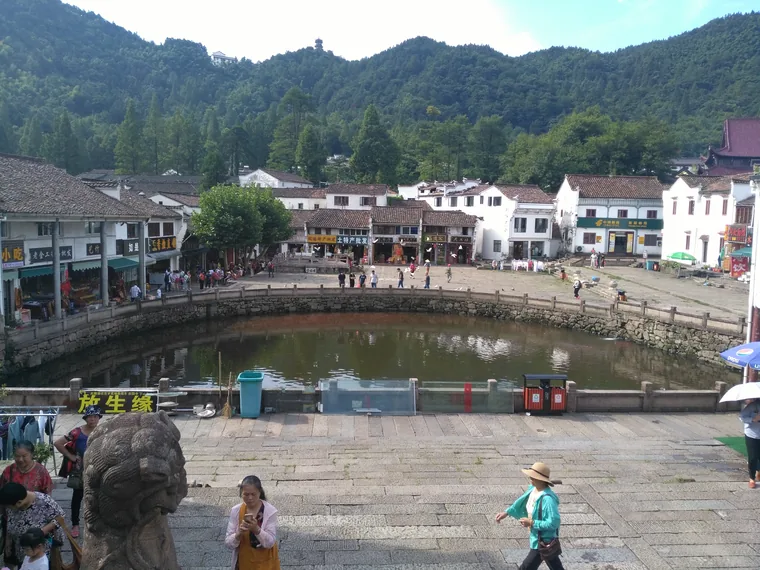
Huacheng Temple The four temples are distributed on different platforms, gradually rising from front to back. Patios, corridors and courtyards connect them, forming a solemn sequence while retaining the spatial scale of residential buildings in southern Anhui. The gray tiles, horse head wall and brick and wood structure make the ancient temple fit into the local architectural context of Jiuhua Street.
The caisson in the main hall is a detail worth looking up at. Layers of components enclose an upward visual center, and dragon patterns and carvings give the space rich decorative layers. To understand this kind of craftsmanship, you can look at the structure, light and carving at the same time, without attaching a wish-granting function to each pattern.
The last Buddhist scripture building retains the architectural style of the Ming Dynasty, which is different from the previous palaces built in the late Qing Dynasty. The inscriptions on the courtyard walls, flowers, trees and steps also contribute to the overall sense of the ancient temple, allowing history to appear not only on the plaques, but also in the steps and turns.
Bronze Buddha, sutras and inscriptions make preservation a kind of inheritance
Jiuhuashan Historical Relics Museum makes Huacheng Temple an important window to understand the cultural heritage of this mountain. The bronze statue of Sakyamuni, scriptures, imperial gifts and inscriptions each record the different processes of statue creation, copying, presentation and preservation. When viewing it, you might as well ask what it is and what era it comes from, and then understand its religious and artistic significance.
The bronze statue of Shakyamuni from the Song Dynasty under the sutra collection building of Huacheng Temple is an important cultural theme among the statues in the collection. The master's enlightenment and teachings can be mutually understood with the inheritance of sutra knowledge, showing the relationship between respect, art and learning. The specific scope of exhibition, viewing and recording will be adjusted according to the cultural relic protection and exhibition arrangements.
Digital protection in recent years has brought the preservation of ancient temple cultural relics to a new stage. For ordinary visitors, viewing carefully, cherishing the text and respecting the preservation methods are all ideas that can be implemented. If you are praying or expressing gratitude for your loved ones, you can also write this wish as a practical action that you are willing to undertake.
From the Kaishan Zu Temple, we can distinguish the different respects and commemorations of Mount Jiuhua
The uniqueness of Huacheng Temple lies first in the historical memory of the founding ancestral temple and Jiuhua Mountain. The stories, scripture collections and cultural relics of Jinjizo allow people to understand how the faith of a mountain continues. Understanding this, we can clearly see the Buddhas, Bodhisattvas, historical monks, and the memorials formed later, instead of treating all names as the same object.
Huacheng Temple, Baisui Palace, Qiyuan Chan Temple and Hall of the Preserved Body in Jiuhua Mountain each have their own highlights. Huacheng Temple is suitable for starting from the history and inheritance, Baisui Palace is suitable for understanding Zen Master Wuxia, and Gion can be understood from the jungle life and different palaces. When choosing, first determine the specific temple, and then combine your original wishes with your family's worship habits.
For learning, gratitude towards teachers or care for parents, describe the guidance you received, the abilities you hope to develop and the care you are willing to provide. If giving thanks, recall the original concern so respect for tradition connects with your actual experience.
Understanding the halls and the figures within them
| Palace or space | Figures and cultural roles |
|---|---|
| Bronze statue of Shakyamuni under the Sutra Tower | Shakyamuni Buddha |
| Sutra Collection Building and Cultural Relics Museum Space | Sutras, Steles and Buddhist Cultural Heritage |
| Kaishanzu Temple and the Memory of Jinjizang | The history of Ksitigarbha and Ksitigarbha belief culture |
Bronze statue of Shakyamuni under the Sutra Tower
Principal figures: Shakyamuni Buddha
Shakyamuni is the founder of Buddhism. The Buddha's enlightenment story starts from facing the troubles of life, emphasizing the understanding of troubles, the growth of wisdom and compassion. When paying homage to Shakyamuni Buddha, common thoughts include increased blessings and wisdom, physical and mental peace, family peace, and reduction of worries; the teachings represented by the statue also provide a background for learning, reflection, and facing life's transitions.
The bronze statue of Sakyamuni from the Song Dynasty preserved in Huacheng Temple, together with the display of cultural relics in the ancient temple, preserves the historical information of Buddhist art in this mountain. Understand the Buddha's teachings through the statues, and then look at the sutras, inscriptions, and buildings to see how faith continues through words, forms, and protection work. For the mind seeking knowledge, discernment and gratitude for teachings, it has both religious themes and cultural preservation significance.
Associated wishes: You can place your wishes for increased happiness, wisdom, academic progress, and peace for your family. You can also express your gratitude to the teachers and friends who have made you understand. The specific display and worship arrangements of the bronze statues and collections will depend on the venue; this introduction focuses on understanding beliefs and cultural relics, and finding clear content for the feelings you want to convey.
Sutra Collection Building and Cultural Relics Museum Space
Cultural role: Sutras, Steles and Buddhist Cultural Heritage
Buddhist scriptures preserve teachings, inscriptions record people and buildings, and cultural relics leave traces of monastic life through craftsmanship and images. The value of the Sutra Library and the Cultural Relics Museum lies in giving future generations the opportunity to read, see and continue to understand these traditions. They belong to cultural preservation and display spaces, expressing the specific labor of inheritance and the cherishment of the knowledge and art of predecessors.
Huacheng Temple The Buddhist scripture building has both ancient architectural value, and the historical relics museum is also responsible for the preservation and display of Jiuhuashan cultural heritage. By viewing the scriptures, inscriptions and statues together, you can understand how Kaishan Zusi preserved the memories of the mountain in different eras. Paying homage to our predecessors, expressing gratitude for their teachings, and wishing to learn and be patient can all rely on this true inheritance without having to turn the exhibits into objects of wishes one by one.
Associated wishes: You can express your gratitude to teachers, elders and cultural guardians, and hope that you will cherish learning opportunities and learn useful things. If you want to arrange a clear Buddhist salute, you can first specify the specific object; the cultural intention of visiting and thanking can also be independent and solemn.
Kaishanzu Temple and the Memory of Jinjizang
Cultural role: The history of Ksitigarbha and Ksitigarbha belief culture
Jin Jizang is a monk who is commemorated in the history of Jiuhua Mountain’s founding. Later generations’ belief in Jizang gave him a deep religious emotion in the memory of his practice in the mountain. Kshitigarbha Bodhisattva is respected for his great vows to save suffering and filial piety to his parents. The historical monks’ training and Bodhisattva beliefs form an interconnected cultural layer here, giving the mountain a specific story of long-term commitment and gratitude for relatives.
As Mount Jiuhua's founding temple, Huacheng introduces Jin Dizang and Ksitigarbha traditions. Roushen Hall on Shenguang Ridge has its own halls, pagodas and devotional layout. Their distinct locations and historical connections help explain the mountain's Buddhist heritage. Keep the history of a human figure distinct from later devotion to Ksitigarbha Bodhisattva, even where the traditions connect.
Associated wishes: You can express wishes for parents' wellbeing and relief from loved ones' worries, and thank people who cared for you. If you want a visit to a particular Ksitigarbha shrine, tell our support team the location. Cultural introductions help you understand the tradition and express gratitude. Record any particular Jiuhua location familiar to your family so the original wish and later thanks remain connected.
Write down the concerns in culture as your own wishes
Seeking knowledge and discernment
Shakyamuni Theme and Sutra Culture
Shakyamuni's teachings are concerned with understanding troubles and cultivating wisdom; Huacheng Temple's bronze statues and scripture collections leave in visible materials how the teachings are recorded and transmitted. With the desire to seek knowledge and discernment, we can not only pray to the Buddha for increased blessings and wisdom, but also cherish the process of knowledge being preserved by our predecessors and continued learning by future generations. Sutra collections and cultural relics also make the pursuit of knowledge not only about a test, but also about the willingness to understand the efforts of predecessors, cherish the teachings, and continue to learn.
Explain what you are learning or hope to understand, write down the teachings you are grateful for, and what life responsibilities you will apply what you have learned.
Example of wish expression
I hope that I will be focused and discerning when I study, and remember the help of my teachers and family members; I also hope that I will cherish the inheritance and use the abilities I have learned to take care of my life and treat others well.
Thank you for the teachings from my predecessors and those around me
Sutra Collection Building·Cultural Preservation and Inheritance Theme
The scriptures, inscriptions and cultural relics in the Sutra Collection Building all undergo the labor of writing, production, preservation and explanation. As an ancestral temple, Huacheng Temple is also responsible for displaying the cultural memory of the mountain, so that gratitude can be directed not only to a certain statue, but also to specific people who keep knowledge alive. Being willing to cherish what you have learned and be grateful for the teachings is connected with this theme of cultural preservation.
You can thank a teacher who helped you understand a tradition, learn a skill, or see a clear direction, and explain why that teaching was important. You can also wish peace to those who protect culture and patiently teach it, and may you continue to cherish and use the knowledge you have gained overseas or in your daily life.
Example of wish expression
Thanks to those who patiently taught me and left knowledge for future generations. May I cherish these intentions and use the gains seriously in my life.
Thank you for your kindness and care
The Ksitigarbha cultural background of Kaishanzu Temple
The Kshitigarbha Bodhisattva faith attaches great importance to the great wish to save suffering and filial piety. The memory of Jindi Zang’s study in Jiuhua Mountain gave this long-term commitment the background of the mountain’s characters. The ancestral temple tradition of Huacheng Temple can thus carry the heart of expressing gratitude to relatives and wishing their living relatives stability. It also allows gratitude to not only look back on the efforts made, but also cherish the present day when we can still accompany and take care of you.
You can name the parents, elders or family members you want to thank the most, and pray that they will be healthy, have less hard work, and receive support in difficult times. When people are overseas, they can also write down their feelings of missing, apologizing and looking forward to reunion, so that a filial wish can have its own family story and warmth.
Example of wish expression
May my family be safe, and may I remember what they have done for me; take care of me as usual, and never leave gratitude until late.
Keeping important things amidst changes
Sakyamuni theme; cultural clues for the reconstruction of ancient temples and the preservation of cultural relics
The awareness and wisdom in the Buddha's teachings enable people to think about what is worth cherishing when looking at changes; Huacheng Temple's successive repairs, scripture collections and cultural relics preservation have given concrete content to continued protection in history. This cultural space can express the hope that one can maintain clarity during relocation, career or family changes, and carefully protect the relationships and values that are still important.
You can write down the favor, study direction or commitment that you most want to keep during this change, and pray for patience, good luck and clear judgment. If distance makes it difficult to take good care of family members, you can also express your wish for stability and continuous contact with your family in your hometown, so that the thoughts of preservation and continuity can enter your life.
Example of wish expression
May I remember what is truly important when facing changes, be willing to adjust, and be willing to hold on to cherished relationships and commitments.
In the image, continue to get to know each other Huacheng Temple
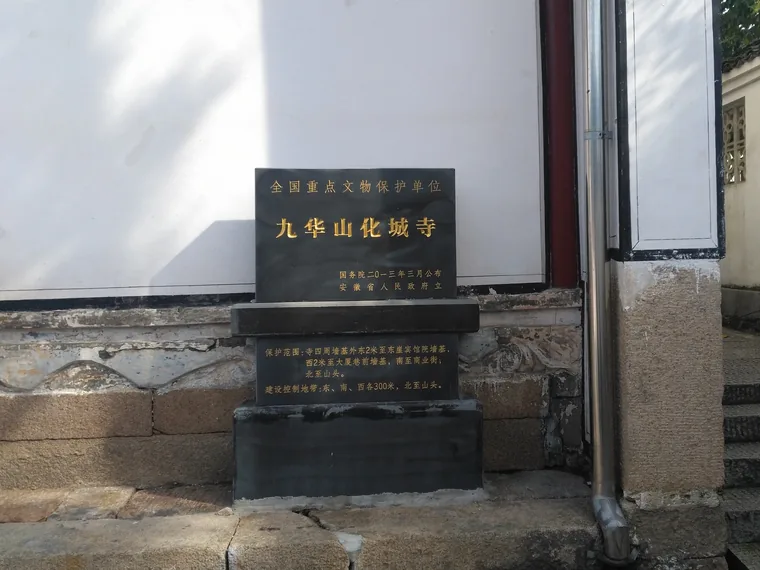
Huacheng Temple ~The main jungle of Jiuhua Mountain's founder temple is the Kshitigarbha Bodhisattva ashram, which was first built in the Tang Dynasty
Follow the on-site images to approach the Huacheng Temple on Jiuhua Street.
别名林紫 · Bilibili · in Bilibili Watch original video
The author records a visit to Huacheng Temple in Jiuhua Mountain to provide an environmental supplement for reading about the theme of Kaishan Temple, ancient architecture and cultural relic preservation.
If playback is restricted by the network or platform, the original video entrance can be used.
Commissioned services and fees
$227 USD · Basic service fee
Leave respect and gratitude at Kaishanzu Temple
The basic commission includes tickets, incense, Buddha worship and making wishes; pictures and video visit records correspond to the specific temple, the selected offerings and this commission, and are delivered privately.
You can also entrust your family together. It is recommended that there be no more than 3 people per order, so that you can express your feelings one by one.
A private visit record will be provided 1-2 working days after the service is completed.
Anxin provides entrusted services independently and does not represent the temple or the museum. The display of cultural relics does not mean that specific ceremonies can be held, and the basic commission does not automatically include the Hall of the Preserved Body or special rituals.
Select your wish, desired date and offerings and submit the request, then add official customer service for verification. Submission does not mean successful reservation, payment or seat reservation.
Yes Submit request and confirm with our team . There is no need to log in for consultation; the appointment has not been successful after submission.
About Huacheng Temple , you may also want to know
What is the relationship between Huacheng Temple and Jiuhuashan Historical Relics Museum?
Huacheng Temple is the founder of the mountain and an important place for the preservation and display of historical cultural relics. When understanding, you should also see the ancient architecture, religious history and purpose of the cultural relics museum.
Are all the existing palaces from the Tang Dynasty?
No. The history of the temple and the age of the existing buildings need to be distinguished. The first three entrances mainly have clues about the construction of the late Qing Dynasty, while the fourth entrance, the Sutra Collection Building, retains the architectural style of the Ming Dynasty.
How to differentiate between Kshitigarbha Bodhisattva and Kshitigarbha Bodhisattva?
Jin Jizang is a monk who is historically connected to Jiuhua Mountain and is revered in the Jizang faith by later generations. The experiences of historical figures and the identity of Bodhisattvas in the classics should be understood separately.
Is the Buddhist Scripture Building just an ordinary building?
It has both ancient architectural and sutra cultural value, and is connected to the temple’s long-term history of preserving cultural relics, texts and memories.
Can rituals be arranged for all the statues in the museum?
It cannot be directly inferred based on the exhibition. There are actual arrangements for collection protection, display and tribute purposes, and special needs must be confirmed in advance.
Will commissioning Huacheng Temple include the Hall of the Preserved Body?
The two places are different locations, and the basic ranges are confirmed separately. If you wish to add the Hall of the Preserved Body or other Jiuhua temples, please inform us in advance.
Are Huacheng Temple and Baisui Palace in Jiuhua Mountain the same place?
It is a different temple. Huacheng Temple connects the founding ancestral temple with the inheritance of cultural relics, and Baisui Palace takes the memory of Zen Master Wuxia as an important clue. Please write down the specific name when entrusting. Do not just use "Jiuhua Mountain" instead of the location.
How should we distinguish Kshitigarbha Bodhisattva from other eminent monks?
Kshitigarbha Bodhisattva is an object of Buddhist worship; Jinjizang and other eminent monks have their own lives and local commemorations. When understanding the relationship between each other, they also retain their respective identities and avoid directly treating each eminent monk as the same Bodhisattva.