Quick understanding
- Who does Hall of the Preserved Body mainly commemorate?
This site connects with Jin Dizang and Ksitigarbha traditions on Mount Jiuhua, distinct from the Ming monk Wuxia commemorated at Baisui Palace. Their traditions involving preserved bodies do not make them the same place or person.
- What’s so special about the tower in the palace?
The wooden pagoda and the inner stone pagoda in the hall protect each other, forming a unified structure of the hall and pagoda; the Buddhist niche in the pagoda body has Ksitigarbha-themed statues, and architecture and worship are combined with each other.
- What feelings can be expressed?
It can be connected with the great wishes in Ksitigarbha culture, expressing gratitude to relatives, remembering and taking care of people in trouble. The wish should be sincere and specific, and the respect should not be stated as necessarily changing the actual outcome.
- Location
- Anhui Jiuhua Mountain·Shenguang Ridge
- Important commemoration
- Golden Ksitigarbha and Ksitigarbha Belief Tradition
- Architectural Features
- Integration of palace and tower, wooden tower and stone protection tower
- Cultural theme
- Great wishes, kindness and compassionate care
Place your concerns in the Hall of the Preserved Body
Hall of the Preserved Body carries the memory of Jin Jizo and the great wishes of Jizo. Personal kindness, long-term care, remembrance and unfinished gratitude can all be understood here from the relationship between specific characters and compassion.
Wishes for relatives and caregivers
Clearly explain long-term care, parental living and family support respectively.
Continue to learn →Recognize the Golden Ksitigarbha and Kshitigarbha Bodhisattva
The commemoration of historical monks and the great vows of Bodhisattva are connected here, and the identities should still be understood separately.
Continue to learn →Meet Baisui Palace separately
Baisui Palace commemorates Zen Master Wuxia, which has its own origins from the Jin Jizo Memorial in the main hall.
Continue to learn →How is the historical memory of Jin Ksitigarbha connected with Ksitigarbha beliefs?
An important historical clue of Jiuhua Mountain’s Ksitigarbha culture is the study and monastic group activities of Silla monk Jin Ksitigarbha in the Tang Dynasty. Huacheng Temple, the old ruins in the mountains and the memorial sites at Shenguang Ridge each preserve different parts of this history. The space where the Hall of the Preserved Body is located is especially connected to the enshrining of the deceased and the homage of the future generations.
Kshitigarbha Bodhisattva is a historical monk associated with Mount Jiuhua, and Kshitigarbha Bodhisattva is revered for his great wishes and relief from suffering. Later generations of believers respected Jin Ksitigarbha in their Ksitigarbha belief, which gradually formed a distinct Taoist culture in this mountain. Personal commemoration and Bodhisattva's vows are connected here, providing different levels of sustenance for filial piety, memorialization and long-term commitment.
Ksitigarbha's great wish is often associated with facing suffering and not abandoning others. Emotional expressions such as kindness and remembrance have also developed among the people. This kind of meaning is not only relevant to the distant world, but can also enter daily life: willing to take care of loved ones, willing to be more patient with people in difficulty, and willing to take continuous actions for commitments.
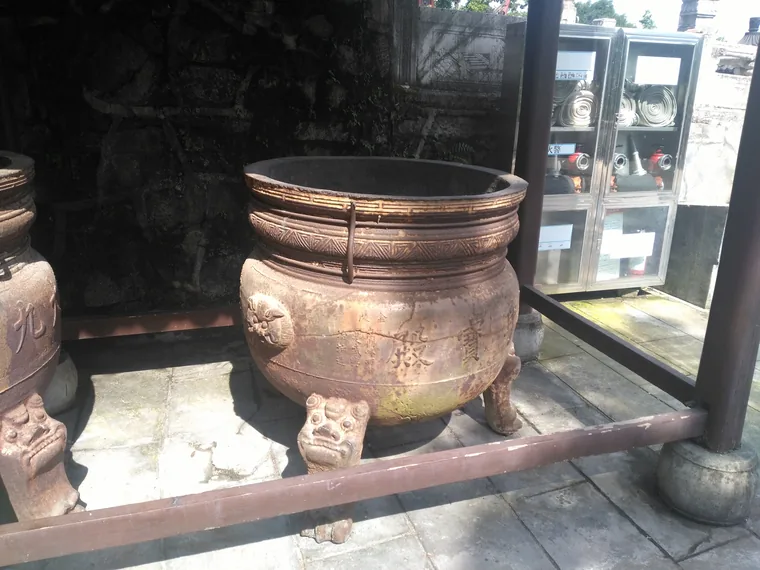
Follow history and understand Hall of the Preserved Body
- 797 years
Clues for the construction of Jinjizang Pagoda
The pagoda-building tradition of Anfengjin Dizang in the Tang Dynasty formed the early historical foundation of the commemorative space here.
- Song Dynasty
Protect the tower with the palace
The construction of the pagoda hall enabled the memorial tower to be protected by the temple, gradually forming a pattern of combining the temple and the tower.
- Qing Dynasty
The existing historical layers of the wooden pagoda
The outer memorial wooden pagoda and the inner stone pagoda protect each other, and the Buddhist niche in the pagoda body continues the Ksitigarbha theme.
- During the Guangxu Period of the Qing Dynasty
Treasure Hall renovation
After being damaged and then repaired, it became an important historical node in the appearance of the existing palace.
Hall, wooden pagoda and stone pagoda, a space that protects each other layer by layer
The early construction clues of the Jinjizang Pagoda can be seen in the Tang Dynasty, and there is a history of protecting the pagoda with a palace in the Song Dynasty. Today's memorial space has been repaired many times, and the inner stone tower, outer wooden tower and temples together form a distinctive pattern. The construction of each era is interconnected, so that enshrinement, commemoration and protection continue in the same space.
The wooden pagoda in the hall is seven-story octagonal, with niches and Ksitigarbha-themed statues on each floor, and a stone pagoda inside. It both organizes the visual center and guides the worshiper in understanding the significance of this commemorative site. When viewing, you can pay attention to the scale relationship between the tower levels, Buddhist niches and surrounding halls, instead of just remembering a slogan.
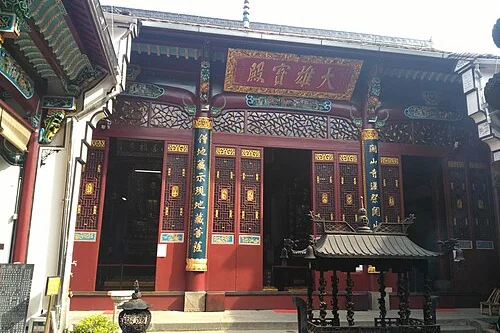
The iron tiles, stone pillars and cloisters of the palace create a sharp contrast between the wood and stone materials. Previous reconstructions have continued the architectural and commemorative traditions together. The Qing Dynasty part of the existing appearance and the earlier tower site need to be understood separately. Ancient history does not mean that every material comes from the Tang Dynasty.
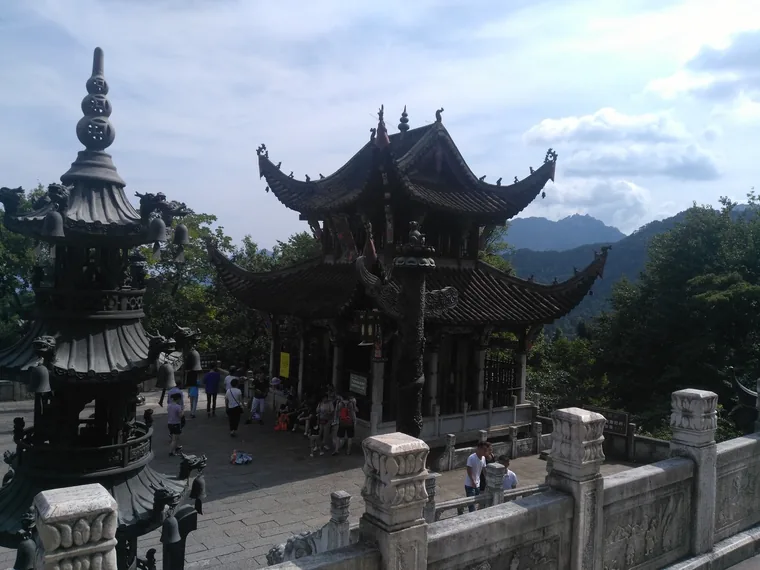
Remembrance is not just looking back, it can also become a mind that takes care of the present.
The Ksitigarbha statue in the Hall of the Preserved Body and the themes of the Ten Kings on both sides preserve the cultural level of Buddhism and folk beliefs. Ksitigarbha shows compassion and great wishes to care for all living beings in distress, while the Ten Kings present the weight of words and deeds through the order of the underworld and the narrative of cause and effect. The two themes allow people to understand life care, reflection and responsibility at the same time.
Some people come here to express their gratitude to their parents, some remember their departed relatives and friends, and some seek a moment of peace for things they cannot bear at the moment. When expressing these feelings, you don't have to write about your personal experience in a grand way; remembering the other person's name, a shared experience, or an unfinished thank you is enough to be specific.
If you are willing to turn respect into a response in life, you can let memorialization and care go hand in hand: seriously accompany those who are still around you, seek needed support, or continue a small and meaningful thing for the person you miss. The great aspirations in culture are thus connected with the feasible actions of ordinary people.
Jiuhua Mountain’s Ksitigarbha aspiration, how to accommodate family favors and longings
Hall of the Preserved Body is located in the Shenguang Ridge of Jiuhua Mountain. The central tower and the Ksitigarbha theme place commemoration, worship and the great wish to save suffering in the same space. Kshitigarbha Bodhisattva is a historical monk in the Jiuhua Mountain tradition, and Kshitigarbha Bodhisattva is an object of Buddhist worship. Understanding the connection between the two helps to understand why this place often carries the heart of family kindness, remembrance, and commitment.
To pray for the family members who are still around you, you can write about rest, care and mutual support; to commemorate the deceased, you can write a title, a true experience and unfinished thanks. The two feelings can be expressed separately. There is no need to include all family members in the same prayer, and there is no need to use heavy words to prove that you miss them.
Mount Jiuhua's temples commemorate different people and venerate different figures. Roushen Hall, Baisui Palace and Huacheng Temple are not interchangeable simply because they share a mountain. To give thanks, retain the original temple name and promise. Special rituals require discussion; a basic visit or expression of remembrance does not include them automatically.
Understanding the halls and the figures within them
| Palace or space | Figures and cultural roles |
|---|---|
| Ksitigarbha Pagoda and Buddhist niche in the center of the hall | Golden Ksitigarbha Memorial and Kshitigarbha Bodhisattva Theme |
| Ten king themes on both sides of the palace | Ten Kings |
Ksitigarbha Pagoda and Buddhist niche in the center of the hall
Principal figures: Golden Ksitigarbha Memorial and Kshitigarbha Bodhisattva Theme
Kshitigarbha Bodhisattva is respected in Mahayana Buddhism for its great wishes and relief from suffering. Related scriptures also attach importance to filial piety, gratitude for relatives and care for all living beings in need. Therefore, Ksitigarbha belief often carries the wish for the well-being of living parents, the memory of deceased relatives and friends, and the hope of surviving difficult times safely. The long-term commitment expressed by the great wish also makes this salute link up with the kindness of patient care and never giving up. Jin Jizo is a historical eminent monk who is commemorated in the Jiuhua Mountain tradition. The two are interconnected in the mountain's worship, preserving the levels of Bodhisattva's great vows and character commemoration respectively.
Hall of the Preserved Body A seven-story octagonal wooden pagoda protects the inner stone pagoda in the center. The Ksitigarbha Buddha niche in the body of the pagoda makes the worship of Buddhas and Bodhisattvas the center of the whole hall. Jin Ksitigarbha’s memory of practice and Ksitigarbha’s power to save suffering meet here, providing a concrete place for gratitude, remembrance and commitment. The structure and commemorative theme of the tower also allow people to understand how the Jiuhua Mountain faith continues history through space. The practice commemoration of Jin Jizo and the great wish theme of Kshitigarbha Bodhisattva are related to each other, but it is not appropriate to confuse historical figures, commemorations in the pagoda and each Ksitigarbha statue into the same thing.
Associated wishes: You can wish your parents, relatives and friends stability and express your unfinished gratitude and longing. If you are taking care of someone or facing farewell, you can also pray for patience and support, so that your family's kindness, remembrance, and current companionship can each be gently carried. Wishes for living relatives and remembrances of deceased relatives can be written separately, so that relatives' favor, care and remembrance can retain their true objects.
Ten king themes on both sides of the palace
Principal figures: Ten Kings
The Ten Kings connect the underworld order in Buddhism and folk belief, and are recognized as cultural narratives that examine words and deeds, cause and effect, and responsibility. Ksitigarbha, on the other hand, cares for all sentient beings in trouble by rescuing suffering and making great wishes. The juxtaposition of the two themes makes the salute not only include compassion and comfort, but also remind people to cherish good deeds and reflect on their impact on others, forming different levels of understanding life, death and ethics.
Hall of the Preserved Body The statues of the Ten Kings on both sides are spread out around the central Jizo Tower. The commemoration and compassion in the center and the causal narratives on both sides together form the viewing relationship in the hall. By getting to know these characters, you can express your blessings in memorial, and also think about how to reduce harm and take honest responsibility in current life, so that the solemnity in facing life can be transformed into kindness to the people around you.
Associated wishes: You can express your willingness to correct hurtful words and deeds, cherish the relationships you can still get along with, and pray for stability for yourself and your relatives and friends. If you have regrets in your heart, you can use your own words to express your gratitude, reflection, and blessings, so that the courtesy can preserve compassion and honesty.
Write down the concerns in culture as your own wishes
Thank you for your kindness and your family’s stability
Central Ksitigarbha Tower·Theme of Ksitigarbha’s compassion and great wishes
Kshitigarbha Bodhisattva is respected for her great vow to save suffering, and the sutra tradition of filial piety and salvation makes family stability a close theme. The commemoration of Jiuhuashan Jinjizang adds specific character background to this belief. Hall of the Preserved Body The central tower and the Ksitigarbha Buddhist niche enable the expression of gratitude for nurturing, wishing for less suffering for loved ones and cherishing caregivers in the same space.
You can write down the names of your parents or elders, thank you for taking care of them, and pray for their physical and mental stability. When living in two places overseas, you can also express your hope that your family will take good care of each other and understand each other, so that your loved ones will remember those who care about you and those who actually contribute.
Example of wish expression
I wish my family peace, and thank them for their long-term care. May I send greetings in a timely manner, share my burdens seriously, and let care appear in ordinary days.
Remembrance and unfinished thanks
Golden Ksitigarbha Memorial and Ksitigarbha Belief Culture
The core of the treasure hall is enshrining and commemorating. Ksitigarbha's compassion also allows thoughts to be directed towards the blessing of peace and gentle peace for the deceased. The historical memory of Jin Jizo is connected with the theme of Bodhisattva, so that the memorial has both the emotions of specific characters and the sustenance of faith. If you are unable to say goodbye or there are still unfinished words, you can use gratitude and remembrance to carry them. Unfinished gratitude can also be an ordinary past event: a meal, a pick-up, or companionship in difficult times, so that the specific appearance of this person can be retained in miss.
Use your usual title and write an experience, gratitude or unfinished words that you want to remember most; if you continue your original wish, add the original temple and the agreement of thanks.
Example of wish expression
May you rest in peace. Thank you for being patient with me when I was most helpless. Many words I didn’t say at the time are still in my heart now. May my family take care of each other and continue to pass on the tenderness you left.
Still willing to take responsibility in the face of difficulties
Ksitigarbha Great Wishes Theme
Ksitigarbha’s great vow is revered for his concern for suffering and his continuous commitment. The memory of Jin Ksitigarbha’s practice in Jiuhua Mountain also gives persistence and compassion a concrete person to rest on. When faced with long-term care, family responsibilities or personal difficulties, this culture can be used to pray for perseverance, good deeds and help, and for those who take the responsibility to receive understanding and support.
It can explain the responsibilities you are facing and where you need help most, praying for discernment, patience and physical and mental stability. If you feel tired from taking care of your family, you can also write down your own needs, hoping that each other will be taken care of, so that you can be compassionate and care for the person who bears the responsibility.
Example of wish expression
I hope that when I face the responsibilities before me, I will not easily escape or exhaust myself; I hope that I will learn to ask for help and work with trustworthy people to get things done.
Reduce harm and seriously correct your words and deeds
Reflections on Ksitigarbha’s compassion and the causal culture of the Ten Kings
The Ten Kings theme uses cause and effect and responsibility to describe the weight of words and deeds, while the Central Ksitigarbha theme uses compassion and care for the sufferings of all living beings. The two cultures of Baodian are connected, so that reflection can retain honesty and hope: we are willing to recognize the impact that has been caused, cherish the relationships that can still be corrected, and slowly learn to reduce harm and treat others well.
You can write down one thing that you want to seriously correct, express your gratitude, apology or willingness to take responsibility, and pray for courage and wisdom to communicate. If there are regrets that cannot be repeated, you can also wish the people involved peace and let reflection continue to bring about cherishing the current relationship.
Example of wish expression
I hope I can see my negligence and not blame the hurt on my emotions; I hope I can apologize sincerely when I can, and I can start correcting it from today.
In the image, continue to get to know each other Hall of the Preserved Body
Jiuhuashan 2·Jiuhua Street, 5 must-visit temples to worship Buddha. Most of the main temples in Jiuhuashan are on Jiuhua Street on the mountain, including Huacheng Temple, Hall of the Preserved Body, Qiyuan Chan Temple, Zhan Tan Lin, Shang Chan Hall, etc. You can visit together. Note that the temples close at 5 p.m.
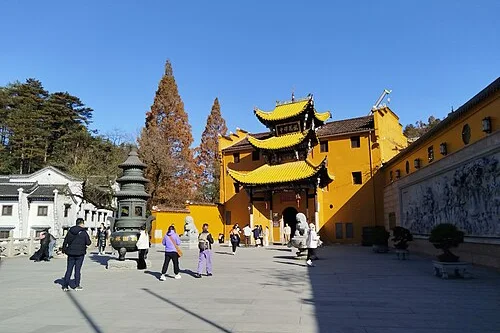
Get to know the mountain environment where the Hall of the Preserved Body is located from the tour images of multiple temples on Jiuhua Street.
路过自然 · Bilibili · in Bilibili Watch original video
This Jiuhuashan tour includes many temples on Jiuhua Street. When viewing, you can distinguish the Hall of the Preserved Body from other spaces along the way. Images are used to supplement the environment and do not replace statues from different temples.
If playback is restricted by the network or platform, the original video entrance can be used.
Commissioned services and fees
$227 USD · Basic service fee
In the Hall of the Preserved Body, express gratitude and remembrance sincerely
The basic commission includes tickets, incense, Buddha worship and making wishes; pictures and video visit records correspond to the specific temple, the selected offerings and this commission, and are delivered privately.
You can also entrust your family together. It is recommended that there be no more than 3 people per order, so that you can express your feelings one by one.
A private visit record will be provided 1-2 working days after the service is completed.
Anxin provides entrusted services independently and does not represent the temple. The basic entrustment does not automatically include other places such as Chaodu, special rituals or Baisui Palace, which needs to be confirmed separately.
Select your wish, desired date and offerings and submit the request, then add official customer service for verification. Submission does not mean successful reservation, payment or seat reservation.
Yes Submit request and confirm with our team . There is no need to log in for consultation; the appointment has not been successful after submission.
About Hall of the Preserved Body , you may also want to know
Where is the Hall of the Preserved Body?
Located in Shenguang Ridge of Jiuhua Mountain, it is a different place from Huacheng Temple in Jiuhua Street and Baisui Palace in Mokong Ridge.
Is Master Wuxia the figure honoured here?
This site relates to Jin Dizang and Ksitigarbha traditions. The Ming monk Wuxia is principally commemorated at Baisui Palace; do not confuse them.
Why is there a stone tower inside the wooden tower?
The inner stone tower, the outer memorial wooden tower and the treasure hall protect each other, forming a unique pattern of the palace and tower being integrated into one. Different parts also have their own construction histories.
Are the Ten Kings and Ksitigarbha the same identity?
No. The Ten Kings are related to the order of the underworld and the culture of cause and effect, and Ksitigarbha takes the great vow of compassion as an important theme. Both have their own positions and meanings in the temple.
Can I express my condolences to my deceased loved ones?
You can sincerely express your thoughts, thanks and wishes, or you can turn your memories into actions to take care of your current life. Specific special ceremonies are not automatically included in the basic commission.
Does the commission include chaodu or jiuhuashan joint worship?
Basic commissions do not automatically include salvation, special rituals, or other monasteries. If there is a special scope and intention, communication should be carried out first before confirming feasible arrangements.
Can the same commission be for the well-being of my parents and also express my longing for my old friend?
You can specify in your wishes: which family member you wish for, what kind of stability you wish for, and what you want to say to which old friend. It is easier to convey the object and emotion clearly than to use the same wording in the same paragraph.
Do I have to write a very long memorial wish and use a special religious title?
Not required. A familiar title, a past event worthy of gratitude and wishes for peace can express solemn feelings; additional complete identity information does not need to be filled in for formality.