Quick understanding
- Which figures are venerated in Qiyuan Temple's main hall?
The main group is Shakyamuni, Amitabha Buddha and the Medicine Buddha, as well as Manjushri, Samantabhadra, Arhat and other themes; behind the Buddha is a group of island sculptures centered on Guanyin.
- Does the jungle here refer to the mountain forest?
The jungle in the Buddhist context also refers to the monastic organization where monks study and live together. Qiyuan Chan Temple is one of the four major jungles in Jiuhua Mountain, and its meaning is not limited to the surrounding trees.
- What is the significance of Thousand Monk Pot?
It is connected with the memory of large-scale rituals and fasting in temples, helping people see the food, cooperation and care required for living together, and is not a separate wishing object.
- Location
- Anhui Jiuhuashan Jiuhua Street entrance area
- Temple status
- One of the four major jungles in Jiuhua Mountain
- Main hall theme
- Buddha, Amitabha Buddha, the Medicine Buddha and the island Guanyin
- Cultural details
- Blue and white porcelain plaque, mountain monk residence and Thousand Monk Pot
In Qiyuan Chan Temple, put the things you care about
Gion’s temples, island sculptures and jungle traditions connect compassion, learning and living together; praying for your family can also start by understanding the characters in the sculptures.
Family care and understanding
Compassionate sorting out the needs of different loved ones from Guanyin.
Continue to learn →Understand front and back group portraits
The principal Buddha, disciples and island sculpture group have distinct roles. The number of figures alone does not establish that they form the same group.
Continue to learn →Understanding the same mountain but different commemorations
Go to Baisui Palace to learn about Zen Master Wuxia, and then compare your reasons for choosing.
Continue to learn →At the intersection of Jiuhua Street, understand why the jungle is also a common life
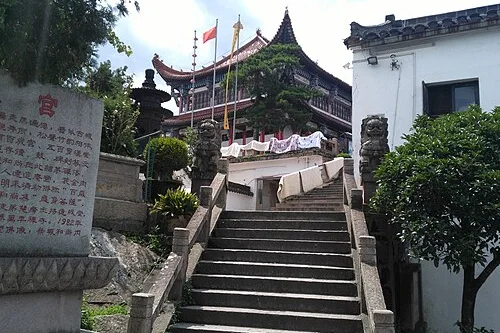
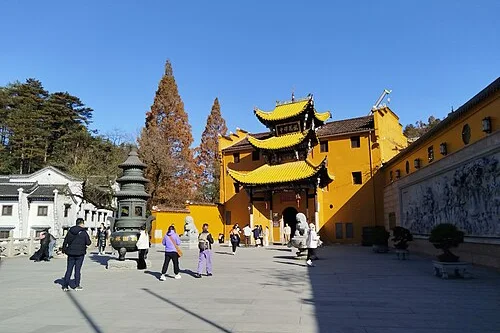
Qiyuan Chan Temple was built in the Ming Dynasty and later underwent reconstruction and expansion during the Qing Dynasty and the Republic of China. Its location allows people to enter the temple from mountain roads and streets, and also connects the magnificent worship space with daily life in the mountains. This is a specific starting point for understanding the Jiuhuashan temple complex.
Known as the Four Jungles, it connects Gion with other important temples in the mountain. The jungle here is not only a natural forest, but also points to a monastic organization where monks live, study and observe order together. By understanding this level, you can see the significance of the dining hall, guest hall and monk's residence besides the Buddhist temple.
The word Gion in the name of the temple connects the Buddhist teachings and the cultural memory of the place of study. Qiyuan Chan Temple in Mount Jiuhua has its own mountain history. Ancient Indian Gion and other temples with the same name are located in different locations. The common name allows the tradition of education to continue, and the buildings in each place preserve the specific local history.
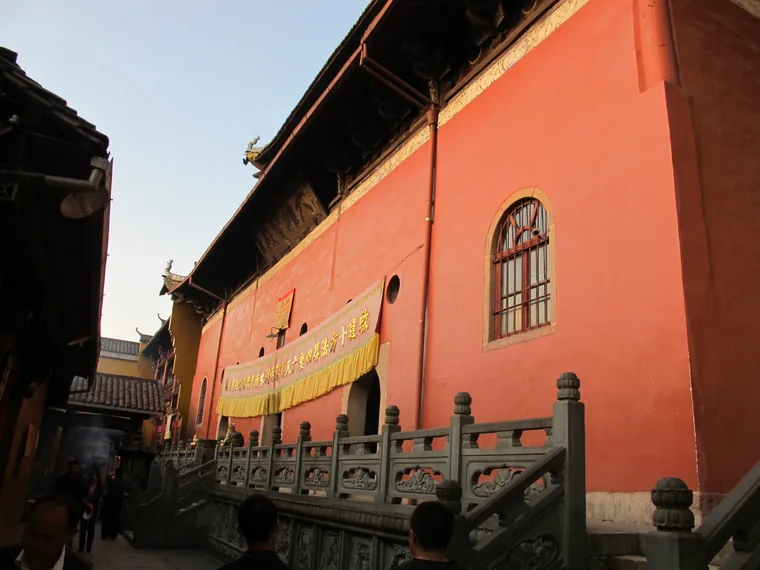
Follow history and understand Qiyuan Chan Temple
- Ming Dynasty
Temple Start-up
The creation and subsequent construction of Qiyuan Chan Temple jointly preserve the history of jungle life and worship in Mount Jiuhua.
- Jiaqing period of Qing Dynasty
Hosted by Zen Master Longshan
Related temple history records that the elders of the mountains asked Zen Master Longshan to preside over and continue the jungle practice.
- 1925
Wisdom and longevity
In modern times, inscriptions have become a node in the cultural memory of temples.
- 1933
Thousand Monk Pots and Memory of Dharma Assembly
The fasting records of the Five Hundred Arhats ordination ceremony make the history of large-scale communal living in the temple concretely visible.
Porcelain plaque, pavilion and turning mountain space
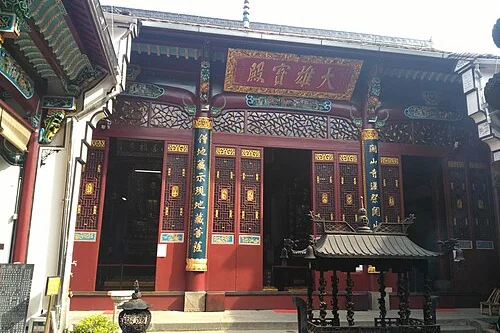
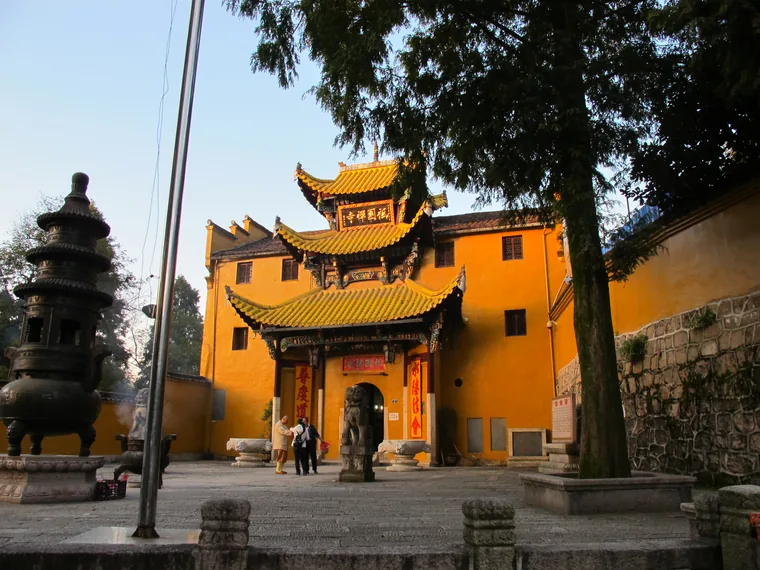
The blue and white temple name plaque made of fired porcelain tiles on the temple gate is a distinctive detail of Gion. The combination of characters, materials and gate tower makes the temple name not only readable, but also becomes a part of the architecture. This way of viewing can draw attention from the large outline to craftsmanship and construction.
The palace unfolds along the mountain, but it does not mechanically repeat the central axis on the ground. Entering the courtyard, turning up the stairs, and then arriving at the Gaochang Hall, the light, darkness and height of the space gradually change. The monks' residences on the side and rear continue to be arranged along the slope, and the pavilions and passages are connected to each other, forming a compact and changeable layout.
The Main Hall has the solemnity of a palace-style building, while many other living rooms retain the residential-style treatment. The juxtaposition of the two scales shows that mountain temples must not only accommodate public worship, but also take care of the daily life of the sangha, where solemnity and practicality coexist.
From three Buddhas and island sculptures to a pot that cooks for everyone
The Shakyamuni, Amitabha Buddha and the Medicine Buddha on the front of the Mahavira Hall are respectively related to the belief themes of enlightenment, pure land and happiness. There are also images of Bodhisattva and Arhat in the hall. When recognizing them, you must first identify the identities of the Buddha, Bodhisattva and their disciples, so that it is easier to understand their level of practice.
The island group of sculptures centered on Guanyin behind the Three Buddhas leads the eye from the solemn seated statue on the front to the narrative composed of mountains, seas and characters. Guanyin, Tongzi and other characters each have their own graphic roles, and the overall theme of compassion brings care into a rich context, and also makes the family's stability and hope for support closer.
The memory of the thousands of monks’ pots in the temple provides another observation: in addition to large-scale Dharma gatherings, there is also the labor of preparing food for everyone. Pray, collaborate and take care of each other, allowing abstract compassion to fall into our daily lives. A salute can also be used to return to life and think about how to take care of specific people seriously.
From the Gion Jungle, learn about another temple in Mount Jiuhua
The jungle tradition of Qiyuan Chan Temple allows you to know Jiuhua Mountain not only by stopping at a certain place to commemorate eminent monks, but also by seeing Buddhist temples, studying and living together. The Heavenly King's Hall, the Main Hall and the island group of sculptures respectively display hope, awareness and compassion. The name of the hall and the front and back of the place are worth distinguishing.
Compared with the founding history of Huacheng Temple and the commemoration of Zen Master Wuxia at Baisui Palace, Gion can be understood from the narrative of jungle space and group portraits. When praying for your family's safety, your children's education, or for your teachers and friends, you should first get to know the person you are praying for, and then let your wishes fall on specific care, learning, and gratitude.
Mount Jiuhua can refer to different temples in different people's memories. For a request or a visit to give thanks, write “Qiyuan Chan Temple” and identify the hall and any promise, rather than naming only the mountain. Private photos and videos document the confirmed temple and visit; they do not add special ceremonies to the service.
Understanding the halls and the figures within them
| Palace or space | Figures and cultural roles |
|---|---|
| Maitreya Hall | Maitreya theme |
| Front of Main Hall | Shakyamuni Buddha, Amitabha Buddha and the Medicine Buddha; Manjusri, Samantabhadra and arhat themes |
| The island group sculptures on the back of the Main Hall | Guanyin (Avalokiteshvara) and related narrative characters |
Maitreya Hall
Principal figures: Maitreya theme
Maitreya, free translation of Cishi, is the future Buddha in Buddhism. The common images of joy and cloth bags in the Han region make compassion and hope for the future appear close; the image of generosity also carries the desire for family harmony, good encounters, and a calm life. Paying homage to Maitreya can be understood from two clues: the expectation for a stable future and the wish to get along with others in good faith.
The Tianwang Hall of Qiyuan Chan Temple, also known as the Maitreya Hall, is located in the front worship sequence of the mountain temple. The Maitreya theme gives a close welcome when entering the steps and courtyards, and the main hall at the rear unfolds the different cares of the Three Buddhas and Guanyin. By understanding the front and back spaces, we can understand the hope of facing the new stage, family harmony and daily study in the same temple.
Associated wishes: You can wish for good luck and peace of mind when moving, starting study or starting a new job, and you can also pray for family members to get along with each other with less trouble. If a family is temporarily separated in two places, you can express your hope for a stable future and a smooth reunion, and hope that you can stay close to each other with a generous heart.
Front of Main Hall
Principal figures: Shakyamuni Buddha, Amitabha Buddha and the Medicine Buddha; Manjusri, Samantabhadra and arhat themes
Shakyamuni, the Medicine Buddha and Amitabha Buddha respectively unfold the teachings of the Buddha and the clues of belief in the Oriental Glazed Pure Land and the Western Pure Land of Bliss. Shakyamuni connects enlightenment and wisdom, Bhaisajyaguru (the Medicine Buddha)'s twelve great wishes care about suffering and life needs, and Amitabha Buddha's infinite light and infinite life express light, peace and refuge. The three statues are juxtaposed, making peace, blessing, wisdom and care for life interconnected.
Qiyuan Chan Temple The three Buddhas occupy the main position in the front of the main hall. The themes of Manjusri, Samantabhadra and arhat unfold the levels of wisdom, vows and practitioners. The rosette, Buddha light and utensils form a solemn scene, allowing visitors to express peace and blessings to the main Buddha, and also learn about the tradition of continuous learning, cherishing teachings and practicing goodwill from the roles of bodhisattva and arhat.
Associated wishes: You can wish for your family’s health, rest and stability, and also pray for your own judgment in your studies and work. If you are most concerned about a long-term goal, you can place your trust in the wisdom of Manjusri and Samantabhadra. May your thoughts be clear and your direction persistent, and at the same time cherish the support given by your relatives and friends.
The island group sculptures on the back of the Main Hall
Principal figures: Guanyin (Avalokiteshvara) and related narrative characters
The name of Guanyin (Avalokiteshvara) is associated with hearing the suffering of all living beings and responding with compassion. Different images of Guanyin allow this relief and care to enter various life situations, so people often pray for the well-being of relatives and friends, safe travels, and help in difficulties. Compassion also includes understanding the needs of others, so family relationships, thoughts and gratitude can all become concrete and intimate thoughts in Guanyin worship.
The island group of sculptures behind the Three Buddhas, with Guanyin as the center, allows mountains, seas, characters and narratives of compassion to unfold in the same hall. The Buddha's teachings on the front and Guanyin's care on the back provide different entrances for worship; the background of mountains and seas allows the concerns of travelers and those who have left home to easily meet the picture. The stability of relatives and friends, and support for children's growth and difficulties can all have gentle and specific content. The island narrative on the back and the Buddhist temple combination on the front should be understood separately, and then see how the two jointly express compassion and teaching.
Associated wishes: You can explain which relative you want to bless the most and what he has been going through recently. May he be taken care of and feel less sad. You can also thank those who have helped you from afar. May this kind of compassion and support continue to remain among family and companions. When sorting out wishes for your family, you can first explain who needs care and how you want to improve their relationship, and then write down your gratitude and companionship clearly.
Write down the concerns in culture as your own wishes
Putting care for family members far away
Island Guanyin Group Sculpture·Compassion Theme
The group of Guanyin sculptures on the island behind the main hall, centered on the compassion of hearing the voice and rescuing the suffering, gives a concrete image of the concern between the mountains and the sea. Guanyin faces the difficulties of different sentient beings, so family members' recuperation, living alone, studying or traveling far can become the content of wishes. For those living overseas, the powerlessness caused by distance can also be gently expressed in this tribute. Some people in the same family may need to recuperate, some are studying, and some are adapting to overseas life; explaining the needs separately can also make the family wishes closer to everyone.
Write down the family members and life stages that you are concerned about. You can wish for peace in daily life, study, relationships, or travel, to avoid using one wish to make decisions for everyone.
Example of wish expression
I hope that my family members will be stable, those who are recuperating will be taken care of, those who are studying will be supported, and those who are outside will encounter kindness; I also hope that we can communicate more patiently and remember to take care of each other's different needs.
Tolerance and hope in the new stage
Tenwangden · Maitreya theme
Maitreya is the future Buddha. The name of Ci is associated with compassion, and the close and joyful image of Han Dynasty makes generosity and harmony seem palpable. The Maitreya Hall in front of Qiyuan Chan Temple allows you to relax your mind and cherish good deeds before entering the temple. When moving, entering a new school, or entering into a new relationship, this tradition can carry the expectation of stability and peace of mind in the future.
You can write down the stage you are opening, and pray that you will meet sincere friends, your family will feel at ease, and you will be less impatient. If changes affect people close to you, you can also express your hope for mutual understanding and retain trust, and let your wishes for the future include your thoughts on how to accompany each other in the present.
Example of wish expression
I hope that I will be willing to learn and adapt slowly in the new stage; I hope that I will be less anxious to compare and more patient with myself and the people around me.
Studying and fulfilling responsibilities conscientiously
Main Hall·Sakyamuni, Manjusri and Samantabhadra Theme
Shakyamuni's teachings are concerned with wisdom and awareness, Manjushri is known for his discernment, and Samantabhadra emphasizes learning and practice in extensive actions. These themes of the Qiyuan Chan Temple Mahavira allow studying and fulfilling responsibilities to be put together: not only do you want to learn clearly, but you also hope that what you learn can help your life and be responsible for the people around you.
You can explain the academic or vocational training you are preparing for, and pray for clear thinking, perseverance, and good mentors. If you already have family or work responsibilities that need to be promoted, you can also write down how you hope to make good use of your skills, and let growth, cooperation, and family care together constitute this wish.
Example of wish expression
I hope that I will do my homework and responsibilities well, and not be perfunctory because of fear of difficulties; I will ask for advice seriously when I encounter something I don’t understand, and take practical action after understanding it.
Thanks for taking care of me and willing to take care of others
Three Buddhas and Guanyin’s Compassion Theme; Thousand Monk Pot’s Memory of Jungle Life
The study and life care of the Three Buddhas, the compassion of Guanyin, and the memory of jungle life preserved by Qian Monk Pot, together give Qiyuan Chan Temple’s theme of gratitude concrete content. Monastery life requires help from everyone, and personal life also relies on a lot of care. When you salute and express your gratitude, you can express your gratitude for your support along the way and pray that you have the ability to continue your gentle care.
You can write down a meal, a guide or a timely care, and bless the people who have helped you. The small help in overseas life is also worth writing down. I hope that in the future I will be willing to explain more and take more care of others in unfamiliar situations, so that my gratitude will last a long time.
Example of wish expression
Thank you to those who prepared, waited and took care of me. I hope I will remember these small toils and take the initiative to share them, and never let my kindness stop at just a word of thanks.
In the image, continue to get to know each other Qiyuan Chan Temple
"087: Gion Temple" Gion Temple is located at the foothills of Dongyan Mountain to the east of Huacheng Temple in Jiuhua Mountain. Together with Ganlu Temple, Baisui Palace and Dongyan Zen Forest, it is collectively known as the four major Zen forests in Jiuhua Mountain. The real name is Zhishuan. It is said that the place where Shakyamuni lived when he was alive was neither a temple nor a temple.
Understanding Qiyuan Chan Temple in Jiuhuashan from field records.
超级小余 · Bilibili · in Bilibili Watch original video
This record with the theme of Jiuhua Mountain Gion Temple can be viewed in conjunction with the mountain temples, temple names and jungle life clues in the text.
If playback is restricted by the network or platform, the original video entrance can be used.
Commissioned services and fees
$227 USD · Basic service fee
In Qiyuan Chan Temple, write your thoughts concretely and sincerely
The basic commission includes tickets, incense, Buddha worship and making wishes; pictures and video visit records correspond to the specific temple, the selected offerings and this commission, and are delivered privately.
You can also entrust your family together. It is recommended that there be no more than 3 people per order, so that you can express your feelings one by one.
A private visit record will be provided 1-2 working days after the service is completed.
Anxin provides entrusted services independently and does not represent the temple. Gion has confirmed separately with Baisui Palace, Huacheng Temple, etc. that the basic commission does not automatically include the scope of pujas, offerings, or multiple temples.
Select your wish, desired date and offerings and submit the request, then add official customer service for verification. Submission does not mean successful reservation, payment or seat reservation.
Yes Submit request and confirm with our team . There is no need to log in for consultation; the appointment has not been successful after submission.
About Qiyuan Chan Temple , you may also want to know
Why is Qiyuan Chan Temple also called one of the four jungles?
This is the traditional name of an important temple in this mountain. In Buddhism, a jungle also refers to an organization where monks study and live together, not just a forest of trees.
Are the three Buddhas in the Main Hall the three Bodhisattvas?
No. Shakyamuni, Amitabha Buddha and the Medicine Buddha are all themes of Buddha, and Bodhisattvas such as Manjusri and Samantabhadra have their own identities with Arhat.
Is Island Guanyin another monastery?
This refers to the sculpture space on the back of the main hall of the temple. With Guanyin as the center, it forms a narrative with mountains, seas and characters.
What are the characteristics of the temple name porcelain plaque?
The temple name of Qiyuan Chan Temple is composed of special porcelain pieces, and the blue and white characters are combined with the gate tower. This is a craftsmanship detail worth taking a closer look at.
Does the Thousand Monks’ Pot mean that you can participate in the Thousand People’s Fasting Ceremony?
It is first of all connected with the memory of the temple’s historical Dharma meetings and offerings, and does not mean that there are regular daily activities of thousands of people. Any special participation arrangements are subject to separate confirmation.
Does the commissioned Gion include the entire Jiuhua Mountain?
The basic commission is confirmed by Qiyuan Chan Temple. If you wish to add Baisui Palace, Hall of the Preserved Body and other places, please explain in advance and confirm the scope separately.
What should you see first among Qiyuan Chan Temple, Huacheng Temple and Baisui Palace?
Qiyuan introduces monastic life and Buddhist image groups; Huacheng connects with founding history and scriptures; Baisui Palace commemorates Wuxia. All are on Mount Jiuhua, but their figures, histories and locations differ.
How can I understand the images on both sides of the main hall before expressing a wish?
First distinguish the main deity, disciples and Bodhisattva according to the name and location of the temple, and then read the stories and cultural meanings of each group. Do not mistake the Buddha and Disciples or the Island Guanyin theme as the same group just because they have the same number of people.