Quick understanding
- What are the important Guanyin themes here?
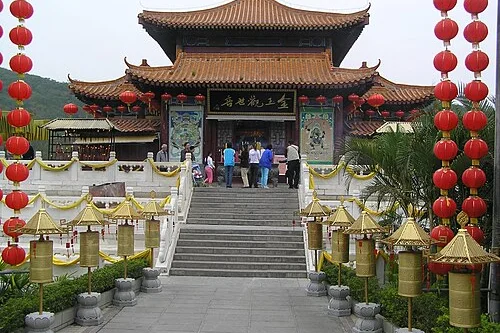
The Guanyin Hall of Yutong presents different images of Yutong, Shuiyue, and Acuoye. There are also independent statues in the Guanyin Pavilion of Acuoye in the back area. They are jointly connected to Dali Guanyin culture, and each has its own differences in location and work.
- Is the current Guanyin Rain Copper statue the original one from 899?
The current image was recast based on historical photos, and the Yutong Guanyin Hall was restored and completed in 1999. The history of Nanzhao’s ancient statues and today’s temples and statues should be understood separately.
- Chongsheng Temple Are the three pagodas as old as the temple in the back area?
The three pagodas are historical relics, and the temples and some statues in the back area have been restored in modern times. It cannot be inferred from the age of the ancient pagodas that all temples and Buddha statues are original to the Dali Kingdom of Nanzhao.
- Location
- Dali, Yunnan·Eastern Foot of Cangshan Mountain
- Clear faith
- Dali Guanyin Culture
- Historical Relics
- Qianxun Tower and the North and South Towers
- Art Clues
- Recast Guanyin and Zhang Shengwen scroll wood carving
In Chongsheng Temple, put the things you care about
The three pagodas, rain copper Guanyin and Achaoya images of Chongsheng Temple retain Dali’s unique Buddhist memory. The stability of relatives, understanding between different cultures, and concern after leaving home can be understood from specific images.
Stability and timely care of loved ones
Cong Yutong Guanyin is compassionate and writes clearly about the current situation, care and companionship of his family.
Continue to learn →Understand the regional Guanyin image
Yutong Guanyin, Achaoye and modern restored temples, each with its own historical level.
Continue to learn →Compare another famous mountain in Yunnan
We are acquainted with Jizushan Jinding Temple separately, and locations in the same province will not be automatically replaced.
Continue to learn →The ancient pagoda and restored temple together constitute today’s memory of Chongsheng Temple
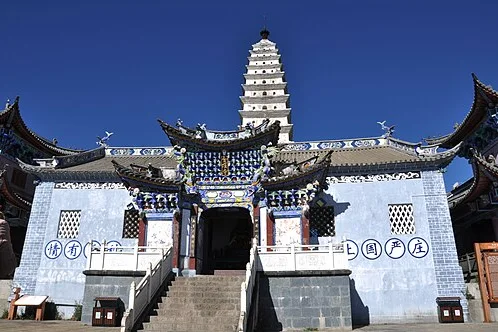
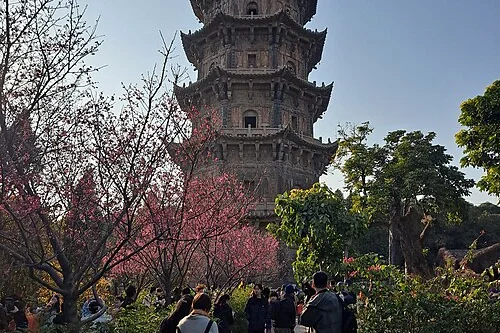
The history of Chongsheng Temple is closely connected with the development of Buddhism in Nanzhao and Dali. Among the three towers, the Qianxun Tower was formed during the Nanzhao period, and the two small towers in the north and south have architectural layers from the Dali Kingdom period; they were not identical works built at the same time in the same year.
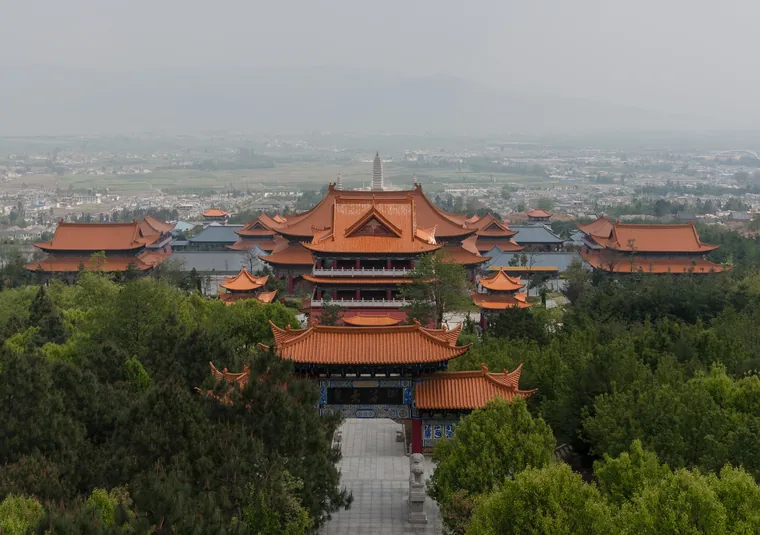
Earthquakes, wars and renovations in the past dynasties have changed the appearance of Chongsheng Temple. The three pagodas have preserved historical relics, restored the temple and modern statues and continued worship. The original site, antiquities and reconstruction jointly present different stages, allowing the public to see how an ancient temple continues to enter Dali life during protection and new construction.
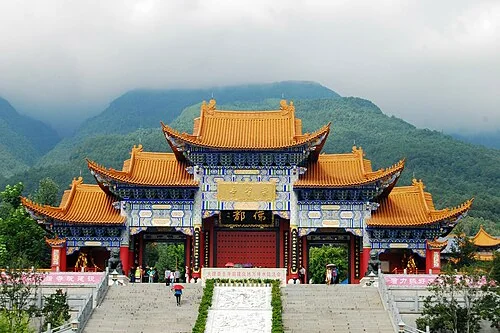
The front area of the scenic spot takes the three pagodas, bells and Guanyin Hall as clues, and the back area presents the restored temple courtyard. Cultural relics, tributes and Guanyin's art together form a multi-layered visiting experience. The specific opening and image range are arranged according to the site; indicating the location of concern when communicating about the commission can clearly correspond to the personal intention and the actual space.
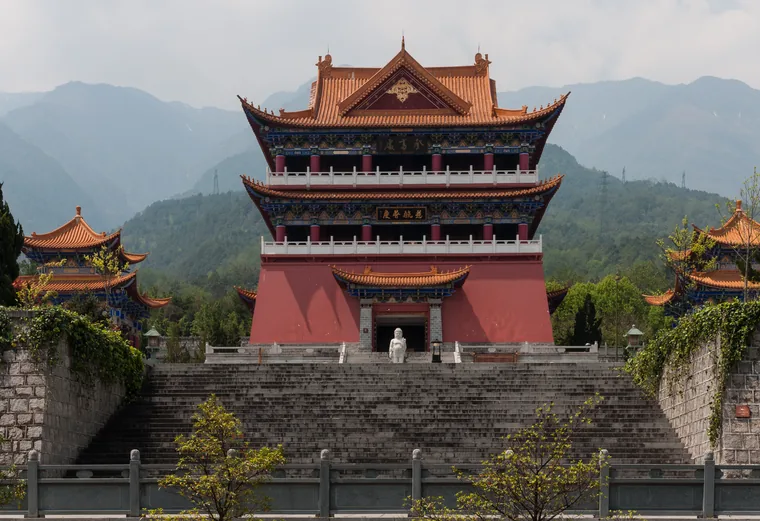
Follow history and understand Chongsheng Temple
- Nanzhao Period
Qianxun Pagoda and the development of ancient temples
The historical shape of the pagoda is connected with Nanzhao Buddhist culture.
- Dali Kingdom Period
Construction of two small towers in the north and south
The two small towers and the large tower have different construction stages, forming a three-tower pattern.
- 1961
The Three Pagodas are listed as key cultural relics for protection
The Three Pagodas became one of the first batch of national key cultural relics protection units.
- 1978-1981
Three Towers Repair and Reinforcement
Conservation projects preserve historical remains and enhance understanding of ancient construction methods.
- 1997
Recasting the Jian Da Bell
The new bell inherits the historical bell culture and is different from the original ruined ancient bell.
- 1999
Restoration of Yutong Guanyin Temple
Rebuilding the temple and recasting Guanyin continue the Guanyin culture of Dali.
Yutong and Acuoye, the same theme of mercy has different regional images
The name Guanyin is associated with the legend of the Nanzhao statue. The copper rain from the sky belongs to cultural narratives and is not a natural phenomenon that can still be expected today. The ancient statue was later destroyed, and in 1999 the temple was restored and recast Guanyin to continue this tradition based on historical images.
The Rain Bronze Guanyin Temple presents images of Shuiyue, Achaoye and Guanyin related to folklore. Achaoye preserves Dali's absorption and development of Buddhist images with its thin waist and bare feet, precious buns, and necklaces. The regional style gives the theme of common compassion multiple faces and makes cultural exchanges visible in the statues.
There is another independent statue in the Guanyin Pavilion of Achaoye in the back area, which is not the same work as the image of the same name in the Yutong Guanyin Hall. To understand them, you can pay attention to posture, clothing and different spaces. You can also understand compassion as the willingness to see, listen and help, rather than comparing the effectiveness of wishes based on the size of the image.
Picture scrolls enter wood carving, and inheritance also includes re-understanding and production
The Main Hall displays the historical images of "Zhang Shengwen's Scroll" with modern wood carvings. The ancient paper and today's wood carvings respectively preserve the materials, age and artistic characteristics. After new research and production, the content of the scroll has entered the temple space, allowing the public to understand Dali's Buddhist memory and contemporary craft inheritance at the same time.
In the cultural display of Yutong Guanyin Hall, you can also get to know the reproductions of "Illustrated Biography of the History of Nanzhao" and "Scroll of Painted Sanskrit Images by Zhang Shengwen". Replicas can help understand history, but they are different from original collections and authentic cultural relics; when appreciating them, there is no need to use the name of the original to add an unreal sense of antiquity.
The three pagodas, the image of Guanyin, the bells and the scrolls provide a variety of ways to understand the ancient temple. When writing down your thoughts for family safety, relationship understanding, traveling, or gratitude, you can first explain the topic you are concerned about, and you are willing to turn this understanding into gentle and concrete care for others.
Between the Cang'er trees, understand compassion and concern for hometown
Chongsheng Temple is located in Dali, Yunnan. The three towers make many people remember this place first, while Guanyin and Guanyin present more specific regional beliefs. Ancient pagodas, ancient statue memories and modern restored temples do not belong to the same era. Only by understanding them separately can we see how culture continues.
Guanyin Compassion can carry the care of relatives, gain understanding, and help someone in trouble; the diversity of regional images also provides close understanding clues for cross-cultural families to respect and listen. The wishes of overseas travelers can also include memories of their hometown, safe travel back and forth, and peace of mind for their family members.
If you made a wish in a particular hall in Dali, when giving thanks retain Chongsheng Temple and the precise location, then describe your original wish and what has changed. The Three Pagodas, wood carvings and bells provide historical context; a basic visit does not automatically include tower entry, bell-ringing or specific documentation of every exhibit.
Understanding the halls and the figures within them
| Palace or space | Figures and cultural roles |
|---|---|
| Rain Copper Guanyin Hall | Rain copper Guanyin and Shuiyue, Acuoye and other Guanyin images |
| Guanyin Pavilion | Guanyin Bodhisattva |
| Wood carving scroll of Main Hall | The theme of "Zhang Shengwen's Picture Scroll" and Buddhist Woodcarving Art |
| Three Pagodas and Jianji Bell Culture | Historical memories of ancient pagodas, stone carvings and recast bells |
Rain Copper Guanyin Hall
Principal figures: Rain copper Guanyin and Shuiyue, Acuoye and other Guanyin images
The name of Guanyin (Avalokiteshvara) is associated with hearing the suffering of all living beings and responding with compassion. Different images of Guanyin allow this relief and care to enter various life situations, so people often pray for the well-being of relatives and friends, safe travels, and help in difficulties. Compassion also includes understanding the needs of others, so family relationships, thoughts and gratitude can all become concrete and intimate thoughts in Guanyin worship. Names such as Yutong, Shuiyue and Acuoye preserve different stories and regional expressions, giving the same theme of compassion a distinctive artistic appearance in Dali.
Chongsheng Temple Yutong Guanyin Temple was restored and built in 1999. The central Guanyin was recast based on historical photos, and different images of Guanyin culture were displayed around it. The memory, recasting techniques and legends of ancient statues have their own layers. Today, we can understand Dali’s expression of compassion from these statues. Praying for stability, understanding, and help in difficult situations for the family has both shared beliefs and specific places of support.
Associated wishes: It can explain the relatives and friends you care about most and the care they need, and pray for health, smooth care and good luck. If you are overseas, you can also write down the gratitude or understanding you most want to convey, so that the blessings can be heard about the situation and efforts of your loved ones.
Guanyin Pavilion
Principal figures: Guanyin Bodhisattva
Achaoye Guanyin is an important traditional image of Guanyin in Dali. Its slim waist and bare feet give the Bodhisattva of Mercy a distinct regional style. Different artistic expressions preserve the same theme of caring for all sentient beings, and also illustrate how Buddhist iconography entered local culture. By understanding this image, we can further cherish different experiences through compassion, be willing to understand the needs of others, and respond with gentleness.
The Acuoye Guanyin Pavilion is an independent space composed of high platforms and pavilions, and the related themes in the Yutong Guanyin Temple have specific locations. The two places jointly display the rich aspects of Dali Guanyin culture, so that visitors can not only understand the images, but also express the family's care, respect for each other, and hope for support in difficult situations. Different forms reflect regional creation and historical continuity. The Acuoye image belongs to the regional expression of Dali's Guanyin culture and should be separated from the specific location of the works in the Yutong Guanyin Hall and Pavilion. They should be recognized as the same statue without the same name.
Associated wishes: You can wish your family peace, harmonious relationships and mutual understanding, indicating the relationship you want to cherish the most. Cross-cultural families also hope that both parties can be heard, respect each other's origins, and take care of different life experiences with compassion. Cross-cultural interaction can express willingness to hear different experiences, cherish one's own place of origin, and respect the feelings of relatives.
Wood carving scroll of Main Hall
Cultural role: The theme of "Zhang Shengwen's Picture Scroll" and Buddhist Woodcarving Art
"Zhang Shengwen Scroll" preserves Dali Buddhist figures, rituals and historical images, and modern wood carvings use new materials and production methods to inherit these contents. Scrolls and sculptures enable knowledge beyond words to be imparted, allowing the public to understand local culture through characters, scenes and craftsmanship. As artistic themes, they can carry the mood of studying, thanking teachers and cherishing inheritance.
Chongsheng Temple Main Hall Wood Carving Scroll transforms historical scrolls into new technological expressions, and has age and material value respectively with ancient paper originals. Understanding this transformation, we can understand how culture enters contemporary space through research, learning and production, and we can also cherish the efforts of craftsmen and preservers. The specific exhibition and shooting will be arranged on site. The cultural visit can start with the scroll theme and wood carving craftsmanship.
Associated wishes: I would like to express my sincere gratitude to my mentor and friend Kang Ning for his in-depth study and patience, and his gratitude to those who help him understand different cultures. If you wish to record a certain section of wood carving or a specific exhibition, you can first explain the need and then confirm the methods and scope allowed on site.
Three Pagodas and Jianji Bell Culture
Cultural role: Historical memories of ancient pagodas, stone carvings and recast bells
The three pagodas preserve Dali Buddhist architecture and local memory at different historical levels, while the Jianji Bell continues the ancient temple culture through sound and recasting. Towers and bells give cities, mountains, rivers, and people a common landmark, and those who live far away can easily be reminded of their hometown by familiar images. Gratitude to predecessors, cherishing culture, and blessings for distant relatives and friends can be expressed tenderly in this context.
Chongsheng Temple Each of the three towers has its own architectural history. The large bell built today was recast in 1997. The cultural relics and reproductions have different contents. Visitors can understand the place through the tower structure, history and bell imagery, and cherish the long-term protection and restoration work. Climbing the tower, ringing the bell and specifying records are in accordance with the on-site regulations. The cultural viewing itself can already carry the memories of hometown and accompanying emotions.
Associated wishes: You can take this opportunity to thank your relatives and friends for their companionship and labor in preserving culture. May the travelers be safe and those at home be safe. If you want to have a special experience or specify a landscape to shoot, you can explain your needs and then confirm the on-site conditions so that your wishes and visit arrangements can be clearly matched.
Write down the concerns in culture as your own wishes
For the sake of stability for loved ones, we are also willing to care in a timely manner
Rain Copper Guanyin Temple·Compassion Theme
Guanyin's compassion for rescuing those who are suffering connects seeing needs with responding; images such as Chongsheng Temple's Yutong and Acuoye also give this kind of care to the Dali region. When wishing for your loved ones, you can hope for good health, good care, and hope that the other person's feelings will be gentle and understood. The concerns in life in the two places overseas can be concretely expressed through this tradition.
You can write down the current situation of your loved ones and the care they need most, praying for physical and mental stability and smooth care. They can also thank those who continue to accompany them, and wish to give those who care about them the same well-being, so that blessings from afar can remember their true dedication.
Example of wish expression
May your family be safe and have appropriate help when encountering difficulties. I also hope that I can greet you more patiently, contact you in a timely manner, and focus my attention on real needs.
Be willing to understand differences and express yourself gently
Guanyin·Regional culture and caring theme
The Dali Guanyin images present common compassion in a regional style, and images such as Ajuye make people realize that culture can have diverse expressions in different places. Understanding differences can lead to getting along from religious art: I am willing to respect where others come from, hear different experiences, and I also hope to be gently understood. Cross-cultural families and overseas life can all be expressed here. When forming a family between different languages and customs, understanding may require repeated explanations and discussions; wishes can preserve the feelings of both parties, rather than requiring only one party to change.
Write down what you have faced together, how you want to be understood and how you are willing to listen. You can also express your gratitude for an experience that has supported each other.
Example of wish expression
May we respect each other’s origins, patiently discuss our different habits, and be listened to by our family members. May I express my feelings gently, listen carefully, and turn the differences in our relationship into opportunities to understand each other.
Starting from the mountains and seas, I hope to be prepared for a long journey
Three Pagodas and Dali Ancient Temple·Travel and memories of hometown
The three pagodas and the Jianji Bell connect the temple to the local memory of Dali, and Guanyin's compassion also carries the desire for peace and mutual care. Traveling far away involves both the journey and the concern for hometown and family: I hope that the journey will be safe, and if you encounter kind help, relatives and friends near and far can feel at ease. Familiarity with landmarks can also be a gentle way for overseas travelers to soothe their homesickness.
You can write down who is traveling, what worries you most at home, and pray for peace, good luck, and smooth adjustment. You can also thank the people who have prepared and taken care of you. May each other be healthy and have the opportunity to reunite, so that you can remember where you came from and be with you on the journey.
Example of wish expression
May my new journey be safe, and may I prepare carefully and study calmly. No matter where you go, remember to stay in touch with the people you care about.
I am grateful for the teaching and willing to continue learning.
Picture scrolls and wood carvings·Art inheritance culture
The transformation of historical scrolls into modern wood carvings allows the culture of Chongsheng Temple to see the dedication of learning, craftsmanship and teaching. Knowledge requires both understanding of the image and research, preservation and patient production. The desire to study can be expressed through thanking teachers, praying for deeper understanding, and cherishing what you have learned to continue to help those who come after you understand the culture.
You can write down the direction you are studying, thank you for an important teaching, and wish the teacher good health. If you are exposed to new knowledge overseas, you may also wish to be humble, attentive, and seek advice in a good way, so that existing experience and new understanding can complement each other.
Example of wish expression
Thanks to those who are willing to teach and support me. May I remain patient, carefully understand what I have learned, and use my own actions to continue the kindness.
In the image, continue to get to know each other Chongsheng Temple
Traveling in Dali\Lightning Protection! Is the 5A Attraction Chongsheng Temple in Dali really worth visiting? [Living in Dali VLOG.23]
Follow the author's travel record and take a look at the three towers and park environment of Chongsheng Temple in Dali.
出走的式微 · Bilibili · in Bilibili Watch original video
This is the author’s personal visit record in Dali in 2022. The regional free admission, seasons and weather in the film belong to the time of filming and do not constitute current opening or price commitments; the ancient pagodas and restored temples should be understood separately in conjunction with the text.
If playback is restricted by the network or platform, the original video entrance can be used.
Commissioned services and fees
$227 USD · Basic service fee
At Chongsheng Temple, leave your thoughts for care, travel and inheritance
The basic commission includes tickets, incense, Buddha worship and making wishes; pictures and video visit records correspond to the specific temple, the selected offerings and this commission, and are delivered privately.
You can also entrust your family together. It is recommended that there be no more than 3 people per order, so that you can express your feelings one by one.
A private visit record will be provided 1-2 working days after the service is completed.
Anxin provides entrusted services independently and does not represent the temple. All scenic area tours, tower climbing, bell ringing, special Dharma meetings and designated exhibition images are not automatically included in the basic commission.
Select your wish, desired date and offerings and submit the request, then add official customer service for verification. Submission does not mean successful reservation, payment or seat reservation.
Yes Submit request and confirm with our team . There is no need to log in for consultation; the appointment has not been successful after submission.
About Chongsheng Temple , you may also want to know
Are the Three Pagodas and the Chongsheng Temple in the back area original structures from the same era?
No. The ancient pagoda has levels of historical relics, and the temples and some statues in the back area have been restored in modern times. All buildings cannot be labeled as original to the Dali Kingdom of Nanzhao.
Raining Copper Does the name Guanyin indicate that it will still rain copper today?
The copper rain falling from the sky belongs to the legend of the cast statue, and the name carries the local culture. It is not a natural phenomenon that can be expected or guaranteed to happen today.
Is the bronze Guanyin an ancient original image?
The current statue was recast based on historical photos. The palace where it is located was restored and completed in 1999. The history of the ancient statue and the current work must be understood separately.
Are Guanyin's two spaces the same work?
The Rain Bronze Guanyin Hall and the Guanyin Pavilion in Acuoye in the back area each have related statues. The theme with the same name does not represent the same work or the same location.
Is the wood carving "Zhang Shengwen Painting Scroll" an authentic ancient paper copy?
It is an artistic expression that transforms historical images into wood carvings. It has different materials and identities from the original ancient paper scrolls and replicas for display.
Can the basic commission guarantee the reflection of the three towers, the ringing of the bell and the shooting of all exhibitions?
Not guaranteed. Weather, opening, activities and shooting ranges are subject to different conditions, and special views and experiences need to be confirmed separately.
How can I express wishes for understanding within a family spanning cultures?
You can clearly explain your life experience and what you hope to be understood, expressing respect, patient listening and shared responsibility. Understanding the regional image of Dali Guanyin can also remind people to preserve the origins of different cultures.
How can overseas travelers express their concern for Dali other than a safe journey?
You can write about the daily life of the elders in the family, expectations for reunion, hope for constant contact, and gratitude to family and friends who have helped you, so that your hometown is more than just a scenery.