Quick understanding
- Is Nanshan Temple an ancient building from the Tang Dynasty?
The existing Nanshan Temple is a modern temple built in the style of the Tang Dynasty. The foundation stone was laid in 1995 and completed in 1998. The architectural style and actual construction year need to be stated separately.
- Which figure is venerated in Doushuai Inner Court?
The inner courtyard of Tushita is dominated by the Maitreya with the heavenly crown, and beside it are the Great Miaoxiang, Dharma Garden Bodhisattva and the Four Heavenly Kings. The Bodhisattva costumes and the Tushita theme jointly preserve the characteristics of this temple.
- Is Guanyin on the sea the main statue of the Golden Hall?
No. The Golden Hall honours the Medicine Buddha, Shakyamuni and Amitabha as the horizontal Three Buddhas. The offshore Guanyin is a different image in another part of the park.
- Location
- Hainan Sanya·Nanshan Cultural Tourism Area
- Completion time
- 1998, modern imitation Tang temple
- Main palace
- Niomon, Tushita inner courtyard and Jindo
- Cultural clues
- Haitian Jungle and Guanyin Cultural Park
In Nanshan Temple, put the things you care about
The Buddhist Hall of Nanshan Temple in Sanya and the Guanyin on the Sea in the Park each have specific spaces; before expressing your feelings for your family’s safety, a stable journey, and a new stage of life, first identify the place and object.
Family care and well-being
Based on the theme of Jintang Medicine Master and Guanyin’s compassion, write about the concern for your loved ones.
Continue to learn →Understand the Buddhist temple and statues in the park
The Three Buddhas, the Heavenly Crown Maitreya and the Sea Guanyin each have identities and different spaces.
Continue to learn →Compare another coastal temple
Xiamen Nanputuo and Sanya Nanshan Temple are not the same place. Choose according to your original connection.
Continue to learn →Imitation of the architectural language of the Tang Dynasty, the construction of modern sea and sky jungle
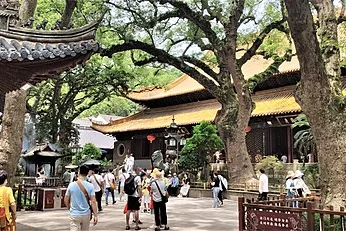
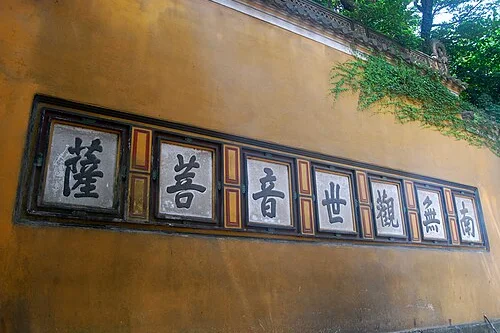
Nanshan Temple is located near the mountains and facing the sea, and is a temple space in the Nanshan Cultural Tourism Zone. Its location selection is related to Zhao Puchu, with the foundation stone laid in 1995 and completed in 1998. The inscriptions on Nanshan Temple and Haitian Jungle have also become important text clues for understanding this modern temple.
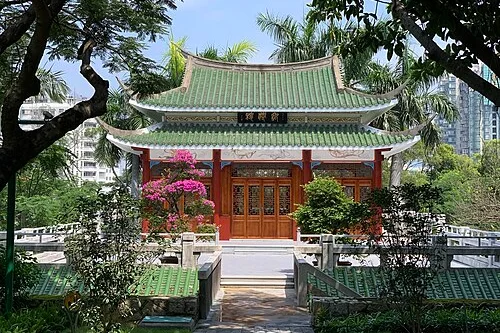
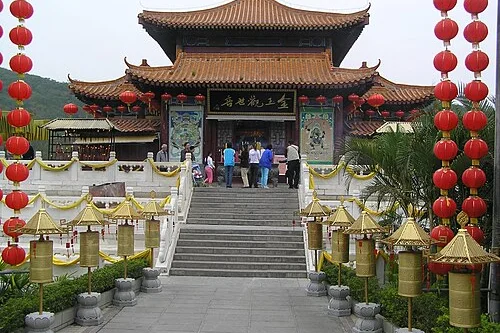
Imitation of the style of the prosperous Tang Dynasty shows the purpose of the building, but does not mean that the building in front of you has experienced thousands of years. The double eaves, cloisters and temple volume together create a sense of solemnity, while the mountains and coast form a background that is different from the ancient temples in the interior. Separating style and era allows you to simultaneously appreciate the design and respect the true history of its construction.
The park is larger than the temple, with offshore Guanyin, other devotional spaces and gardens in separate locations. Explore the temple's three main halls to distinguish Buddhas, bodhisattvas and guardians, rather than understanding the whole site through one offshore statue.
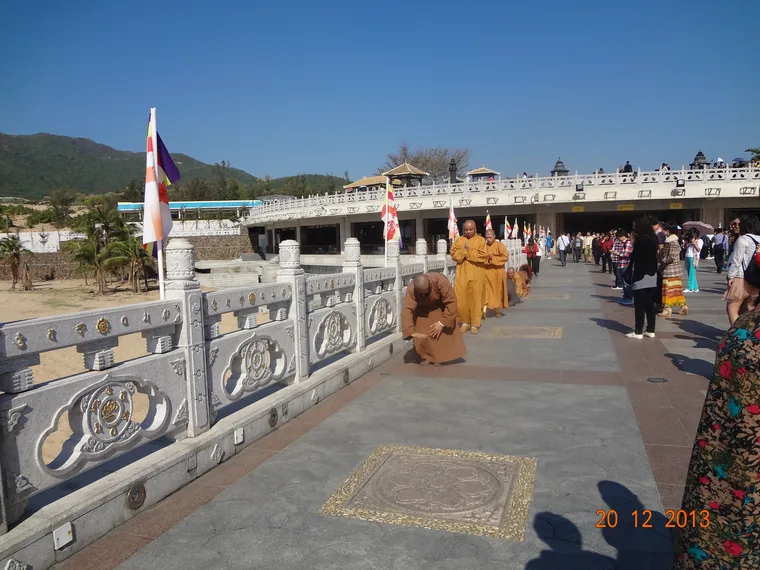
Follow history and understand Nanshan Temple
- 1995
Nanshan Temple foundation laying
The foundation stone of the modern Nanshan Temple was laid in November, and the construction of the temple started next to the mountains and the sea.
- 1998
The temple is built
The temple was built in a high-Tang-inspired style, with Renwang Gate, Doushuai Inner Court and Golden Hall forming its principal devotional sequence.
From Niomon to Tushita Inner Court, learn about different protections and hopes
Renwang Gate is Nanshan Temple's first hall and honours the vajra guardians Miji Jingang and Naluoyan Jingang. Their protective, imposing forms differ from the Buddhas and bodhisattvas behind, making the entrance more than a passageway.
The second inner courtyard of Tushita is dominated by the Heavenly Crown Maitreya, accompanied by the Great Wonderful Appearance and Dharma Garden Bodhisattvas on the left and right, and the Four Heavenly Kings are also protecting it. Tushita connects the Buddhist worldview and Maitreya tradition. The main Buddha's attire makes the image of compassion and future hope distinct, and also gives the front salute of Nanshan Temple its own characteristics.
There is not just one image of Maitreya. The Tianguan statue reminds people that familiar cultural themes can have different artistic expressions; if you only judge the name based on your smile, body posture, or hat crown, it is easy to overlook the description of the specific palace. Tolerance, hope and the future can start from accurate understanding without being reduced to a fixed shape.
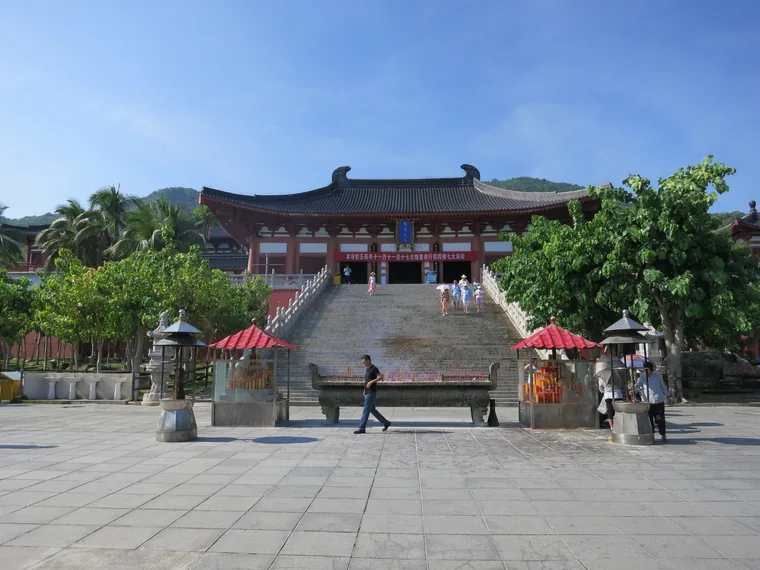
Jintang Three Buddhas and Guanyin on the Sea, distinguish the combination and see the connection
The three main statues of the Golden Hall are composed of Shakyamuni, the Medicine Buddha, and Amitabha Buddha across the Three Buddhas, connecting the themes of different worlds in Buddhism. There are clues of Manjusri and Samantabhadra around Sakyamuni, and the backlights of Medicine Master and Amitabha respectively express the relevant combinations of the Three Saints. The main figure, attendants and backlit themes need to be viewed layer by layer.
The sixteen arhats on both sides of the golden hall present the statues of Buddhist practitioners, which complement the main Buddhist and Bodhisattva themes. The specific combination of this temple allows the public to understand that similar temples can also preserve different traditions. The number of characters, identities and spatial relationships together form the unique statue culture of Nanshan Temple.
Guanyin on the sea in the park presents the connection between Guanyin culture and coastal landscape through images from different orientations. When writing down your thoughts for peace, family care, or inner peace, you can first explain the specific space you are concerned about, or you can implement your compassion into listening, companionship, and practical help; the grand statue does not require people to write down the same grand wishes.
Temple and Guanyin on the sea, how to understand and choose respectively
Nanshan Temple in Sanya is often mentioned alongside the park's offshore Guanyin. Keep the temple halls, park and individual images distinct. Renwang Gate, Doushuai Inner Court and Golden Hall have their own figures; the offshore Guanyin occupies a separate space.
To express your feelings for the well-being of your family, you can first read the pharmacist theme and Guanyin compassion in Jintang; if you want to retain confidence in your new life, you can understand the cultural meaning of Maitreya. Travels, reunions, and longing each have their own experiences. First describe the people you care about, and then write about the step you most hope to take.
Nanshan Temple in Sanya, Nanputuo in Xiamen and Mount Putuo in Zhejiang have different locations and figures. A visit follows the particular temple and current service list. Explain requests for a specific park location or a prior promise; similar names do not automatically include every site.
Understanding the halls and the figures within them
| Palace or space | Figures and cultural roles |
|---|---|
| Nioumon | Secret Vajra and Narayana Vajra |
| Tushita Inner Courtyard | Maitreya, the Great Miracle and Dharma Garden Bodhisattva; the Four Heavenly Kings |
| Jintang | Shakyamuni Buddha, the Medicine Buddha and Amitabha Buddha |
| Park Sea Guanyin (separate from the temple hall) | Guanyin Bodhisattva themed statue |
Nioumon
Principal figures: Secret Vajra and Narayana Vajra
The Mystic Vajra and Narayana Vajra are Buddhist protectors. Their majestic images represent the power of guarding the temple gates and protecting the Buddha's Dharma. The solid connotation of King Kong and the posture of the strongman jointly express firmness and assume the role of protection. People thus wish for safe travel, courage and companionship in facing difficulties, and cherish the effort to maintain a clear direction amid changes.
Nanshan Temple's entrance vajra guardians are followed by Maitreya in Doushuai Inner Court and the Three Buddhas in the Golden Hall. Protection, hope and teaching have distinct places in this sequence. Wishes at the entrance can concern safe journeys and reassurance for family far away.
Associated wishes: It can be used to pray for peace during a long journey, relocation or new living arrangement, and to express the concerns of fellow travelers and their families. If you are facing the unknown, you can also express your willingness to have courage, good luck, and sound preparation, so that your protective intentions include taking care of each other.
Tushita Inner Courtyard
Principal figures: Maitreya, the Great Miracle and Dharma Garden Bodhisattva; the Four Heavenly Kings
Maitreya, free translation of Cishi, is the future Buddha in Buddhism. The common images of joy and cloth bags in the Han region make compassion and hope for the future appear close; the image of generosity also carries the desire for family harmony, good encounters, and a calm life. Paying homage to Maitreya can be understood from the two clues of looking forward to a stable future and wishing to deal with others in good faith. The Maitreya of the main hall presents the Bodhisattva costume, which together with the Great Miracle, Dharma Garden Bodhisattva and the Four Heavenly Kings form the theme of Tushita; the Heavenly Kings contact the four directions for support, and the main deity carries compassion and hope for the future.
The inner courtyard of Nanshan Temple uses the image of a heavenly crown to unfold the Maitreya belief, allowing visitors to see a different expression from the image of a bag. The main statue, the Bodhisattvas on both sides, and the supporting statues are connected in the same space, which also makes the new stage of aspirations concern learning, happiness and peace at the same time. When facing life in a different place, you can rely on the hope of the future Buddha to gradually stabilize your aspirations and receive good support.
Associated wishes: You can pray for good luck and confidence in the new stage of study, work and family, and explain the things you most want to start safely. If you and your loved ones are living in two places temporarily, you can also express your willingness to tolerate each other, communicate and be gentle, and let your expectations for the future take care of the present.
Jintang
Principal figures: Shakyamuni Buddha, the Medicine Buddha and Amitabha Buddha
Shakyamuni, the Medicine Buddha and Amitabha Buddha respectively unfold the teachings of the Buddha and the clues of belief in the Oriental Glazed Pure Land and the Western Pure Land of Bliss. Shakyamuni connects enlightenment and wisdom, Bhaisajyaguru (the Medicine Buddha)'s twelve great wishes care about suffering and life needs, and Amitabha Buddha's infinite light and infinite life express light, peace and refuge. The three statues are juxtaposed, making peace, blessing, wisdom and care for life interconnected.
Nanshan Temple's Golden Hall centres on the Three Buddhas, with Manjusri and Samantabhadra around Shakyamuni and Medicine Buddha and Western Triad themes on the other halos. Sixteen arhats add a setting of practice. Distinguish the Medicine Buddha, Shakyamuni and Amitabha from the Pure Land triad of Amitabha, Guanyin and Mahasthamaprapta. These groups offer contexts for wisdom, family care, remembrance and sustained learning.
Associated wishes: You can describe the person you care about most based on the current situation, and pray for wisdom, physical and mental stability, and good karma support. When expressing longing for an old friend, you can also write down your thanks and wishes for their peace, so that Pure Land culture can carry a gentle memorial; just use familiar language. When you are concerned about your family's recuperation, life settlement, or want to thank you, you can first understand the corresponding theme, and then write about your loved one's situation and your company.
Park Sea Guanyin (separate from the temple hall)
Principal figures: Guanyin Bodhisattva themed statue
The name of Guanyin (Avalokiteshvara) is associated with hearing the suffering of all living beings and responding with compassion. Different images of Guanyin allow this relief and care to enter various life situations, so people often pray for the well-being of relatives and friends, safe travels, and help in difficulties. Compassion also includes understanding the needs of others, so family relationships, thoughts and gratitude can all become concrete and intimate thoughts in Guanyin worship.
Guanyin on the Sea is located on the coast of Nanshan Cultural Park. It uses a multi-faceted shape to form an eye-catching compassionate landmark; it is located in specific spaces with Nanshan Temple, Jintang and other temples. The sense of watching the coast makes it easy to resonate with the long journey, the family ties between the two places and the hope of taking care of each other. When visiting the park, you can learn about the rituals in the temple and the statues on the sea separately, and the scope of special commissions must be confirmed first.
Associated wishes: You can wish your family safety, care and help when traveling far away, and also thank those who support you along the way. If you want to be particularly interested in Guanyin at sea, you can first write down the location and needs, and let customer service confirm the feasible arrangements and on-site record range.
Write down the concerns in culture as your own wishes
Have peace on your journey and remember to look after each other
Nioumon·Protect theme
The two Vajras of Niomon express Buddhist support with their solidity and majesty. Guanyin is compassionate and cares about whether travelers can be taken care of. These themes of Nanshan Temple and Coastal Park make the wish for a safe journey contain courage and care at the same time: May the trip be safe, the people traveling with you be understood, and the family members far away feel at ease.
You can write down who this journey is related to, what worries your family the most, and pray for peace and good luck in going out. If you are leaving your hometown to study or move, you can also express your hope for mutual care and safe reunion, so that the desire to travel far connects the hearts of those who care about you.
Example of wish expression
May this journey be safe and those traveling together take care of each other. We also hope that we will not neglect our bodies and communication because we are in a hurry, and we may adjust calmly when encountering changes.
Facing the new stage, keep a little hope
Tushita Inner Court·Tianguan Maitreya theme
The Heavenly Crown Maitreya connects the Tushita tradition with the hope, compassion and practice of the future Buddha. The inner courtyard of Nanshan Temple is composed of the main deity, Bodhisattvas, and heavenly kings, so that the mind that welcomes changes can have learning, peace, and support. When it comes to a new school, a new job, or a family stage, you can express your hope that the future will become more stable, and that you can retain confidence in an unfamiliar situation.
It can explain something that is starting, praying for mentors, companions and suitable opportunities. If the changes worry your family, you can also write down how you hope to understand each other, wish for good communication, physical and mental stability, and let future expectations take care of the relationship.
Example of wish expression
I hope that when I face the new stage, I will be less panicked and more willing to learn; I will prepare well and give myself time to adapt.
Let your family receive appropriate care
Jintang Pharmacist Theme; Guanyin Compassion Theme
the Medicine Buddha's twelve great wishes are concerned about the suffering and happiness of all living beings, and the Guanyin tradition responds to different difficulties with compassion. The theme of Jintang Pharmacist and the Guanyin culture of the park each have specific sustenance, so that praying for the health of the family can not only hope that the body will be taken care of, but also hope that the heart will be less lonely and the caregiver will be supported. The concern between the two places overseas can especially be expressed tenderly through this. Wishes for the well-being of the family can also include the caregiver's rest, daily arrangements, and mutual understanding, so that care does not fall on just one person.
Please describe the family members you are concerned about, the current care they need, and how you hope to support each other. The necessary information is enough, and no additional complete personal information will be disclosed.
Example of wish expression
I hope that my family will have a stable rest and daily life, and that they will receive appropriate care in case of trouble; I also hope that those who take care of the family will have less hard work, and that we will be more considerate and settle down together.
Place your thoughts in gratitude
Jintang·Amitabha Buddha and Pure Land Culture
Amitabha Buddha is revered for its infinite light, infinite life and Western Pure Land beliefs. The meaning of guidance and tranquility often carries the meaning of gratitude, remembrance and blessings to old friends. The theme of Nanshan Temple Amitabha Buddha and the Western Three Saints gives the commemorative intention a clear religious background, and also accommodates the longing of those who live overseas and cannot say goodbye in person.
You can write down the name or title of the old friend, thank you for a period of time that accompanied you in your daily life, and wish him peace. If there are still unfinished words, you can also familiarize yourself with the language expression, so that this memorial can preserve the shared experience, and tenderly bless the family members who are still with you.
Example of wish expression
Thank you for taking care of me. I still remember those ordinary moments. May this longing be quiet and long-lasting, and may I cherish the life in front of me.
In the image, continue to get to know each other Nanshan Temple
Aerial photography of Guanyin and Nanshan Temple on the sea in Nanshan, Sanya (March 8, 2021)
Take a look at the coastal environment where Nanshan Temple and Guanyin in Sanya are located from aerial images.
椰子哥丶天行者 · Bilibili · in Bilibili Watch original video
The video records the two spaces of Nanshan Temple and Guanyin on the sea in 2021; Guanyin on the sea cannot be used as the main statue of the golden hall in the temple. The differences between scenic spots, temples and independent statues can be understood in conjunction with the text.
If playback is restricted by the network or platform, the original video entrance can be used.
Commissioned services and fees
$239 USD · Basic service fee
In Sanya Nanshan, leave your thoughts for peace and care
The basic commission includes tickets, incense, Buddha worship and making wishes; pictures and video visit records correspond to the specific temple, the selected offerings and this commission, and are delivered privately.
You can also entrust your family together. It is recommended that there be no more than 3 people per order, so that you can express your feelings one by one.
A private visit record will be provided 1-2 working days after the service is completed.
Anxin provides entrusted services independently and does not represent the temple or the scenic spot. Nanshan Temple, Maritime Guanyin and other park projects must specify the specific location. The basic commission does not automatically cover the entire park or special rituals.
Select your wish, desired date and offerings and submit the request, then add official customer service for verification. Submission does not mean successful reservation, payment or seat reservation.
Yes Submit request and confirm with our team . There is no need to log in for consultation; the appointment has not been successful after submission.
About Nanshan Temple , you may also want to know
Is this page Nanshan Temple in Sanya, Hainan?
Yes, it is located in the Nanshan Cultural Tourism Zone in Sanya, not the Nanshan Temple with the same name in other cities or islands.
Are the imitation Tang Dynasty buildings the remains of the Tang Dynasty?
No. Nanshan Temple The existing temple is a modern construction, imitating the architectural style of the Tang Dynasty. It needs to be understood separately from the construction time from 1995 to 1998.
Why are the images of Maitreya and Budai different?
Maitreya statues are represented in different ways. The inner courtyard of Nanshan Temple adopts the image of a crown of heaven, which should be understood according to the actual combination of the temple.
Are the three Buddhas in Jintang the three-faced Guanyin?
No. The Golden Hall is a combination of Sakyamuni, Medicine Master and Amitabha Buddha; Guanyin on the Sea is another Guanyin-themed statue with a different identity and location.
Are there necessarily the Eighteen Arhats on both sides of the Golden Hall?
Nanshan Temple There are sixteen arhats on both sides of the golden hall. The statues of the saints and the three Buddhas and Bodhisattvas together form the statues of the main hall.
Does the commission include Maritime Guanyin and the entire park?
Not included automatically. Please explain the specific space and intention, and then confirm the scope and arrangement. Do not combine the scenic landmarks with the inner hall of the temple.
Are Nanshan Temple and Nanshanhai Guanyin the same temple?
They are not the same hall. Nanshan Temple has its own halls and figures; the offshore Guanyin is elsewhere in the same cultural tourism park. Keep the precise location when reading, submitting a request or recalling an original wish.
I live overseas. What should I explain first when conveying wishes for my family's safety?
First describe the family you wish to go to Sanya Nanshan Temple, which family member you wish to pray for and at what stage, and then write down the care and support you hope to receive. If there is a specific location or original agreement, it will also be mentioned, and the customer service will check the existing service scope.