Quick understanding
- Which figures are venerated in Daci'en Temple's main hall?
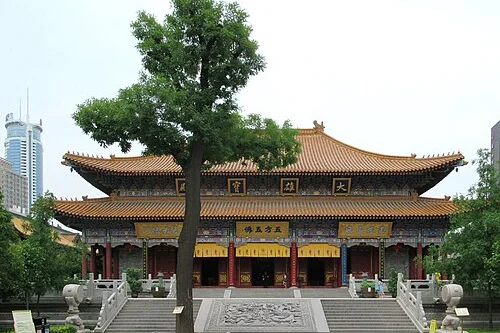
The main hall presents the Trikaya Buddhas through Dharmakaya, Sambhogakaya and Nirmanakaya; the Dharma Hall separately honours Amitabha. This is distinct from a group of Buddhas organised by their different realms.
- Are Big Wild Goose Pagoda and Da Ci'en Temple two unrelated attractions?
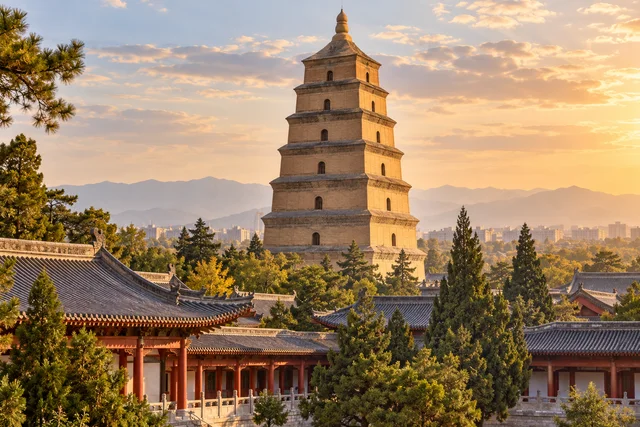
The Big Wild Goose Pagoda is located in Da Ci'en Temple and is connected to Xuanzang's preservation of Buddhist statues and translation of scriptures; the specific arrangements for climbing the pagoda and visiting temples still need to be confirmed separately.
- Is the Xuanzang Tripitaka Academy the original structure of the Tang Dynasty Translation Academy?
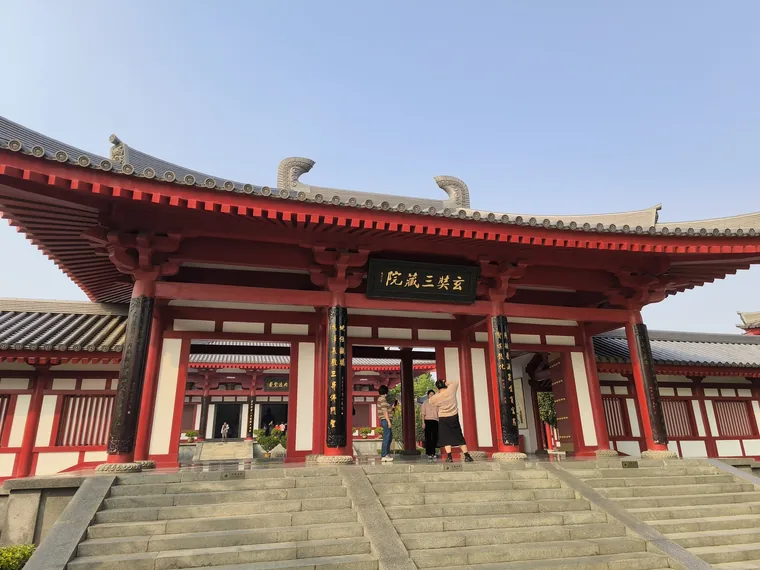
The present Xuanzang Sanzangyuan is a modern memorial building imitating the Tang Dynasty. It was completed in 2000 to commemorate the real monk Xuanzang’s experience of studying, translating scriptures and spreading Buddhism. It is not a complete preservation of the original structure from the Tang Dynasty.
- Location
- Xi'an, Shaanxi·Yanta District
- Important History
- The reconstruction and name of Ci'en Temple in 648
- Main hall theme
- The Trikaya Buddhas and Buddhist learning
- Distinctive culture
- Xuanzang’s Translation of the Scriptures, the Big Wild Goose Pagoda and the Memorial Hall
In Da Ci'en Temple, put your concerns to rest
Da Ci'en Temple's name of kindness, Xuanzang's quest for Dharma, and memory of translations connect family kindness, learning, and travel. Understand the respective roles of the Trikaya Buddha, Amitabha, and historical eminent monks, and then explain your own stages and concerns clearly.
Traveling for study and professional growth
Preparation, verification, and cross-cultural learning from Xuanzang’s Dharma understanding.
Continue to learn →Thank you for your kindness and mentors
Understand the commemorative significance of Buddha, Bodhisattva, historical monks and kindness respectively.
Continue to learn →Compare Daxingshan Temple
Both in Xi'an, Tang's secret translation of scriptures and Xuanzang's pursuit of Dharma each have their own inheritance clues.
Continue to learn →The name of kindness, from remembering my mother to the Tang Dynasty Bible Translation Dojo
Da Ci'en Temple was preceded by the history of Wulu Temple in the Sui Dynasty. In 648, Prince Li Zhi rebuilt the temple in memory of his mother, Empress Wende, and the name Ci'en thus had the theme of expressing gratitude for his parents' kindness. The early old temple, the expansion in the Tang Dynasty, and the later courtyards should be recognized separately.
Xuanzang presided over the translation of scriptures here, and the temple became one of the important translation sites in Chang'an during the Tang Dynasty, and it also entered the inheritance and memory of the Dharma-Xiang Weishi Sect. Translation is not just a side job after a long journey. The understanding of scriptures, text selection and joint learning are all long-term investments.
After the end of the Tang Dynasty, the temple suffered from wars and decline many times, and the existing temples have the architectural quality after the Ming and Qing Dynasties. Today's scale is different from that of the Tang Temple District. When understanding history, it is not necessary to describe every antique building as an original Tang Dynasty building used by Xuanzang himself.
Follow history and understand Da Ci'en Temple
- 589 years
Historical clues of Wulu Temple
The old temple in the Sui Dynasty is the historical level before the reconstruction in the Tang Dynasty.
- 648 years
Ci’en Temple reconstruction and scripture translation
Prince Li Zhi rebuilt the temple in memory of his mother, and Xuanzang's translation career was connected with this.
- 652 years
Building the Big Wild Goose Pagoda
A pagoda was built to preserve the sutra images and relics, and was built many times in later generations.
- Ming and Qing Dynasties
Courtyard and hall restored
The scale and halls of the existing temple retain the architectural level of later generations, which is different from the large temple area in the Tang Dynasty.
- 2000
Xuanzang Sanzang Yuan was completed
The modern memorial building imitates the Tang Dynasty style to carry the memory of seeking Dharma, translating scriptures and spreading Dharma.
The Trikaya Buddha and the Dharma Hall allow worship to be linked to understanding and learning
The main hall's Trikaya Buddhas express Dharmakaya, Sambhogakaya and Nirmanakaya. This classification is distinct from the horizontal Three Buddhas—Shakyamuni, the Medicine Buddha and Amitabha—associated with different realms. Similar names deserve careful distinction.
The Bodhisattva, disciples and arhat in the main hall jointly unfold the statue levels, and there are Guanyin group sculptures behind them. The Lord Buddha presents the teachings of the three bodies, the Bodhisattva unfolds compassion and wisdom, and the disciples and arhat preserve hearing, practice, and inheritance. Different roles are connected in the same hall, making the relationship between awareness and practice visible.
The Dharma Hall connects with teaching and also with Amitabha devotion. A temple is a place of learning as well as visits to pay respects. Wishes about study or clarity in life can include patience, seeking guidance and continued practice.
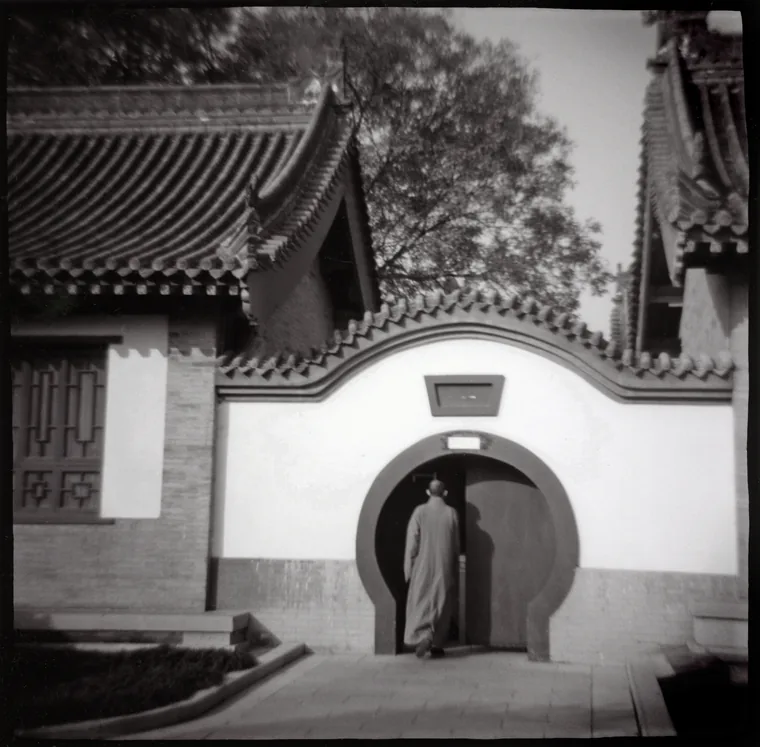
Big Wild Goose Pagoda and Xuanzang Sanzangyuan, ancient pagodas and modern memorials have their own ages
In 652, Xuanzang presided over the construction of the Big Wild Goose Pagoda to place Buddhist statues and relics. The tower has been built over the years, and today's seven-story image and the early tower system are preserved in different historical stages. The ancient pagoda is connected with scripture statues and scripture translation projects, allowing the public to understand the preservation, dissemination and cross-regional exchange of knowledge through architecture.
The sacred prefaces on both sides of the south gate of the pagoda connect the royal family of the Tang Dynasty, the Bible translation industry and the art of calligraphy. The words and stone carvings are worth reading in their own right: they make a familiar city landmark also a concrete piece of evidence for understanding how culture spreads through translation and communication.
The modern Xuanzang Sanzang Yuan commemorates Xuanzang’s life through different courtyards and displays. Xuanzang is an eminent historical monk, and the novel Tang Monk and the mythological plot belong to another literary world. Understanding the true hardships of seeking Dharma and translating scriptures can provide a more life-like understanding for traveling, studying, and thanking teachers.
Understand family love and the direction of growth from kindness and seeking the Dharma
Da Ci'en Temple is located in Xi'an. The Big Wild Goose Pagoda is an important building and cannot be confused with the Small Wild Goose Pagoda or other temples. The name of Kindness connects personal kindness and remembrance, and Xuanzang Sanzangyuan makes seeking Dharma, translating scriptures and cross-cultural exchanges have specific characters to read.
For parents, describe gratitude for their care, current needs and thanks not yet expressed. For study abroad or professional growth, describe what you hope to understand, support needed and continued preparation. Distinguish the main hall's Trikaya Buddhas, Amitabha in the Dharma Hall and historical monks from one another.
If the family originally made a wish here, keep Da Ci'en Temple and the specific temple first, and then explain the changes that you want to thank now. The tower and commemorative space help to understand history, and it does not mean that ordinary commissions automatically include tower climbing, special relic festivals, or all park projects.
Understanding the halls and the figures within them
| Palace or space | Figures and cultural roles |
|---|---|
| Main Hall | The Trikaya Buddhas · Dharmakaya, Sambhogakaya and Nirmanakaya |
| Dharma Hall | Amitabha Buddha |
| Xuanzang Sanzangyuan | Monk Xuanzang, seeking Dharma and translating scriptures to commemorate |
| Big Wild Goose Pagoda and the Preface to the Holy Religion | Preservation of Buddhist statues, Tang Dynasty inscriptions and memory of cultural exchanges |
Main Hall
Principal figures: The Trikaya Buddhas · Dharmakaya, Sambhogakaya and Nirmanakaya
The Trikaya doctrine presents awakening and teaching through Dharmakaya, Sambhogakaya and Nirmanakaya: truth and Dharma nature, cultivated merit, and teaching adapted to beings' circumstances. Connecting truth, practice and teaching gives context to wishes for understanding, perseverance and applying learning in life.
Clay images of the Trikaya Buddhas are central to Daci'en Temple's main hall, with bodhisattvas, disciples, arhats and a Guanyin group presenting learning and compassion. The three bodies concern aspects of awakening, while the surrounding figures make teaching and practice visible. The temple's translation and study history gives local context to curiosity, discernment and humility.
Associated wishes: You can explain the topic or choice you want to understand most, and pray for wisdom, patience and trustworthy guidance. If you are faced with different knowledge and life experiences overseas, you can also stay humble and let the new understanding help you take responsibility and take care of your relatives and friends.
Dharma Hall
Principal figures: Amitabha Buddha
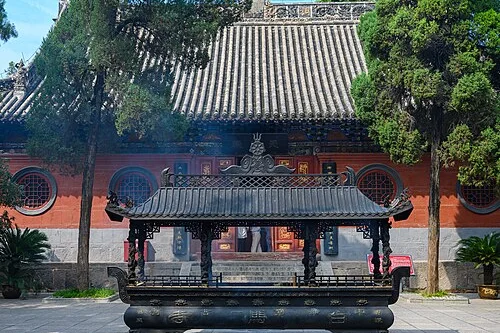
Amitabha Buddha is worshiped with infinite light and infinite life, and is the main deity of the Western Pure Land of Bliss. Its themes of guidance and happiness often convey the hope that relatives and friends will be safe, have inner support, and express gratitude for old friends. The Dharma Hall is also a cultural space where scriptures are preached, connecting worship and learning. People can cherish the opportunity to settle their souls and listen to the teachings at the same time.
The bronze Amitabha in Daci'en Temple's Dharma Hall has a different setting from the Trikaya Buddhas in the main hall. Pure Land devotion and scripture teaching show how respect and learning continue together. Public visits and formal teaching have separate arrangements; wishes for family, remembrance and learning can be expressed distinctly.
Associated wishes: It can be used to wish well-being and peace of mind for relatives and friends, and it can also be used to express gratitude, longing and peace to an old friend. If there are specific rituals or learning needs, you can explain them first and let customer service confirm the feasible arrangements; you can also express them solemnly in familiar language.
Xuanzang Sanzangyuan
Cultural role: Monk Xuanzang, seeking Dharma and translating scriptures to commemorate
Xuanzang was an eminent monk who sought Dharma and translated scriptures in the Tang Dynasty. His travels to study and his return to China for translation enabled the exchange of Buddhist knowledge in different languages. The persistence, seeking advice and teaching of real people provide concrete experiences for future generations to understand the inheritance of knowledge. Commemorating Xuanzang can mean perseverance in studies, safe travels, respect for different cultures, and thanks to those who gave me direction.
Xuanzang Sanzang Yuan, completed in 2000, presents the theme of seeking Dharma and translating scriptures in different courtyards. The central space houses the bronze statue of Xuanzang and the parietal bone relics. The modern memorial architecture enables people to continue to understand the experiences of the Tang Dynasty, and together with the history of Da Ci'en Temple form a learning background. For overseas study, relocation or professional training, this culture allows you to explore the world and cherish the teacher's kindness at the same time. Xuanzang is an eminent monk in history. To commemorate his pursuit of Dharma and translation of scriptures, we should not directly borrow plots from novels as historical facts, nor should we regard the modern Tripitaka Monastery as the original structure of that time.
Associated wishes: You can pray for peace, patience, and good teachers for traveling, language learning, and professional growth, and thank those who help you adapt to your new life. If you encounter difficulties, you can explain the guidance you want most, and hope to have a deeper understanding and good communication. Studying abroad and seeking knowledge can express patience in seeking evidence, respect for differences, and gratitude to those who support one's travels and studies.
Big Wild Goose Pagoda and the Preface to the Holy Religion
Cultural role: Preservation of Buddhist statues, Tang Dynasty inscriptions and memory of cultural exchanges
The Big Wild Goose Pagoda was originally connected to the need to preserve sutras and images, while the preface to the Holy Religion was connected to the writing of the Tang Dynasty, the spread of Buddhism and the art of calligraphy. Buildings and inscriptions allow cross-regional Dharma seeking, scripture translation and teaching to leave visible memories, allowing the public to understand how monasteries preserve knowledge. Cherishing the heritage therefore also includes gratitude for the scriptures, craftsmanship and guardians of different generations.
The Big Wild Goose Pagoda was built in the Tang Dynasty and has been restored to its present appearance. The inscriptions also have textual and artistic value. By reading Da Ci'en Temple through the relationship between the pagoda and the temple and the inscriptions, you can understand the characters, knowledge and city history at the same time. Climbing the tower, recording designated inscriptions, and taking close-up photos of cultural relics are arranged on site. Cultural visits can begin by understanding the process of dissemination and preservation.
Associated wishes: You can take this opportunity to express your gratitude to teachers and cultural preservers, and to wish your family far away from home a safe and stable life. If you want to climb a tower or record a certain inscription, you can first explain your needs and then confirm the on-site conditions so that the visit arrangement can clearly correspond to your personal wishes.
Write down the concerns in culture as your own wishes
I would like to understand more clearly, and I would like to learn more steadfastly.
Main hall · the Trikaya Buddhas and learning
The Trikaya Buddhas connect truth, practice and teaching through the three bodies of Buddhahood. Xuanzang's translation work gives learning a particular human history at Daci'en Temple. Wishes may concern understanding, sustained preparation and guidance from teachers. For overseas learners facing different languages, ideas and ways of life, they can also express discernment and humility.
You can write down the problem you most want to understand, and pray for concentration, patience and trustworthy teaching. If you are starting in a new field, you can also thank those who have provided support. I hope you will cherish your experience and continue to seek advice, so that your learning can continue in a direction.
Example of wish expression
I hope that when I encounter something I don’t understand, I will ask for advice seriously and not rush to draw conclusions for myself; I hope that I will practice well every day so that my understanding will become clearer step by step.
I am grateful for my kindness and cherish today that I can respond to you.
Name of Ci'en Temple·Culture of gratitude and commemoration
Buddhist compassion and dedication enable individuals to care for their families. The temple appreciates the culture and cherishes the upbringing and teachings. Da Ci'en Temple's family wishes can be used to wish parents stability, and to express gratitude for their efforts in the past and present. When living overseas, the concerns in the distance, the unfulfilled gratitude, and the hope that the family will be less worried can all be expressed concretely.
You can write down the names of your loved ones and an experience of being deeply cared for, and pray for their health and smooth care. If there is something you want to say most to thank you, you can also keep familiar words so that your loved ones will remember the people who continue to accompany you and your daily efforts.
Example of wish expression
I am grateful for the care my family has taken me, and I am also grateful for my efforts in ordinary days. May I cherish today when I can still respond and express my concerns seriously.
May relatives and friends be safe and care about each other.
Dharma Hall Amitabha Buddha Pure Land Theme
Amitabha Buddha's theme of pure land happiness and Guanyin's compassion work together to provide cultural sustenance for settlement and care for relatives and friends' wishes. The different spaces of the Dharma Hall and the main hall of Da Ci'en Temple make these wishes have their own objects: I hope that my family will be physically and mentally stable, I also hope that there will be understanding in the relationship, and there will be support in difficult times. The expectation of the two places accompanying each other can gently enter into prayer.
It can explain the person and current situation that concerns you most, and pray for peace, good luck and a stable mind. You can also express your gratitude to relatives and friends who help your family. May the caregivers be cared for as well, so that blessings from afar can connect with real support and human kindness.
Example of wish expression
May the people you care about live a stable life and have appropriate help when encountering difficulties. I also hope that I can keep in touch so that the concern from afar can still be concrete.
Travel far away to study and respect different worlds
Xuanzang Sanzangyuan·Seeking Dharma and exchanging culture
Xuanzang’s pursuit of Dharma and translation of scriptures are integrated into a complete experience through travel, study and cross-cultural understanding. Sanzang-in Temple and the Big Wild Goose Pagoda give this history a concrete architectural and cultural relic background. When praying for overseas study or relocation, you can cherish the courage to explore the world, as well as the patience to understand different experiences, respect others, and continue to accumulate. Cross-cultural growth is not only about reaching the destination, but also about understanding different experiences, asking for advice in difficulties, and honestly conveying what you have learned to others.
Describe the stage of study or work, the problems you most hope to understand and the preparations you have made; write down the specific teachings and your own changes when thanking you.
Example of wish expression
I hope that I will have a clear direction when I travel far to study, I will meet teachers and friends who are willing to guide me, and I will remain humble in different cultures; I hope that I will gain from what I have learned, and I hope that my parents will feel at ease. I will never forget to thank those who have supported me along the way.
In the image, continue to get to know each other Da Ci'en Temple
[4K HDR] Travel through thousands of years of memories of the prosperous Tang Dynasty, taking you to Xi'an Da Ci'en Temple and the Big Wild Goose Pagoda | Roaming China | Xi'an | Cloud Travel Immersive Stroll Travel Pocket3
Follow the author's walking record to get to know Da Ci'en Temple and the Big Wild Goose Pagoda in Xi'an.
楚狂-漫游中国 · Bilibili · in Bilibili Watch original video
The video records the visiting environment of Da Ci'en Temple and the pagoda courtyard; the Xuanzang Memorial Space, the modern courtyard and the history of temple construction in the Tang Dynasty are read separately. The old routes and opening conditions do not represent the current arrangements.
If playback is restricted by the network or platform, the original video entrance can be used.
Commissioned services and fees
$226 USD · Basic service fee
In Da Ci'en Temple, write down your thoughts for family kindness, study and travel
The basic commission includes tickets, incense, Buddha worship and making wishes; pictures and video visit records correspond to the specific temple, the selected offerings and this commission, and are delivered privately.
You can also entrust your family together. It is recommended that there be no more than 3 people per order, so that you can express your feelings one by one.
A private visit record will be provided 1-2 working days after the service is completed.
Anxin provides entrusted services independently and does not represent the temple. Pagoda climbing, special relic ceremonies, special ceremonies and designated exhibition photography are not automatically included in the basic commission.
Select your wish, desired date and offerings and submit the request, then add official customer service for verification. Submission does not mean successful reservation, payment or seat reservation.
Yes Submit request and confirm with our team . There is no need to log in for consultation; the appointment has not been successful after submission.
About Da Ci'en Temple , you may also want to know
How to distinguish Da Ci'en Temple from Big Wild Goose Pagoda?
Da Ci'en Temple is a temple. The Big Wild Goose Pagoda is located in the temple and is connected to the Xuanzang Sutra and Statue Preservation Project. The specific visit and pagoda climbing arrangements must be confirmed separately.
Are the Big Wild Goose Pagoda and the Small Wild Goose Pagoda the same tower?
No. The Big Wild Goose Pagoda is in Da Ci'en Temple, and the Small Wild Goose Pagoda belongs to another temple history in Xi'an, and the locations should not be mixed.
Are the main hall's Trikaya Buddhas equivalent to the Medicine Buddha, Amitabha and Shakyamuni?
This temple's main hall expresses awakening and teaching through Dharmakaya, Sambhogakaya and Nirmanakaya. The horizontal Three Buddhas are grouped by different realms and form a separate classification.
Is Xuanzang Sanzangyuan the original building where Xuanzang translated scriptures?
The current memorial courtyard was completed in 2000 and is a modern imitation of Tang Dynasty architecture; the history of translation of scriptures in the Tang Dynasty and the modern memorial space should be understood separately.
Are the stories of Xuanzang and the novel Tang Monk completely equivalent?
Xuanzang is an eminent monk in history, and his real experiences in seeking Dharma, translating scriptures and communicating with each other are worthy of recognition; the scenes between gods and demons in the novel belong to literary creation.
Does the basic commission guarantee tower climbing, bell ringing, or special relic observances?
Not automatically guaranteed. Open spaces, activities and cultural relics protection have their own conditions, and special projects should be explained before confirmation.
How can I connect with the Dharma-seeking tradition of Da Ci'en Temple when studying abroad, studying for graduate school, or working cross-culturally?
Can express patience in learning, meeting good teachers, understanding different cultures and applying what you have learned to life. Write down the current stage and specific problems, and let Xuanzang’s memory of seeking Dharma and translating scriptures become the basis for understanding and preparation.
I want to thank my parents and my teacher. Can I express them separately?
Yes. Tell your parents about nurturing, care and companionship, and tell your teachers about specific teachings and guidance; then write down how you want them to be stable and the responsibilities you are willing to continue to assume.