Quick understanding
- What does Daming Temple mainly worship?
The main hall is related to the theme of enlightenment and practice of Shakyamuni Buddha; the mountain gate is also the hall of heavenly kings, for Maitreya, Wei Tuo and the Four Heavenly Kings. Jianzhen Memorial Hall is a commemorative space for eminent monks and cultural exchanges.
- Does the name of Daming Temple come from the Ming Dynasty?
The name of the temple is related to the name of Emperor Xiaowu of the Southern Song Dynasty, which originated earlier than the Ming Dynasty. In history, it also had titles such as Qiling Temple and Fajing Temple.
- Are the Jianzhen Memorial Hall and the original Tang Dynasty building the same thing?
No. Today's memorial hall was built in 1973 to commemorate Jianzhen and its contribution to cultural exchanges. It is not a fully preserved palace from the Jianzhen era.
- Location
- Jiangsu Yangzhou·Shu Gang Zhongfeng
- Origin of temple name
- Southern Dynasties and Song Dynasty
- Salute theme
- Shakyamuni, Maitreya and the Dharma Protector
- Distinctive culture
- Jianzhen’s journey to the east, Pingshan Hall and gardens
In Daming Temple, put the things you care about
Yangzhou Daming Temple puts together the context of paying homage to Sakyamuni, Jianzhen’s journey to the east, and the garden context. Studying, living in Japan, safe travels, and gratitude to teachers and friends can all sort out my feelings from specific people and experiences.
Going to Japan and living overseas
From the perspective of Jianzhen’s travels and exchanges, he writes about his departure, adaptation and concerns about his family.
Continue to learn →Distinguish between Buddha and historical monks
The principal hall figures, Jianzhen commemoration and gardens' literary memories have distinct roles.
Continue to learn →Comparing Xuanzang’s journey of seeking Dharma
Read separately from the Dharma-seeking tradition of Da Ci'en Temple and learn about two communication memories.
Continue to learn →Daming is the reign name of the Southern Dynasties, and the name of the ancient temple has undergone many changes.
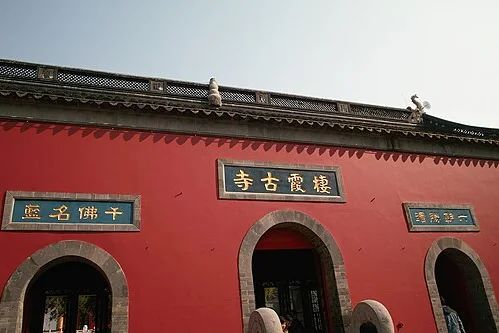
Daming Temple was first built in the Daming Dynasty of the Southern Song Dynasty. The name of the temple was taken from the reign name at that time. After the Qiling Pagoda was built in the Sui Dynasty, the name of the pagoda also entered the temple title; later names such as Puhui, Qiling, and Fajing showed the different stages of construction and historical background.
The name of Fajing Temple in the Qing Dynasty is connected with the history of the Southern Tour. In 1980, the original name of Daming Temple was restored. When reading the names of different temples, first connect them with their times and locations, so that it will not be easy to mistakenly divide the history of the same temple into several unrelated commissioned locations.
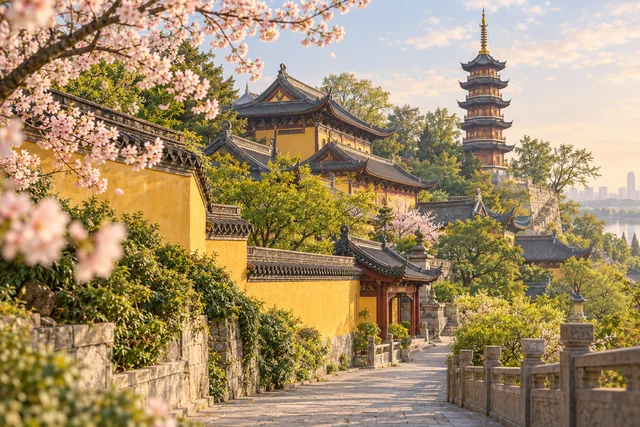
The ancient temple has experienced fires, wars and reconstructions, and its appearance today is in different stages of preservation. The establishment of the Qiling Pagoda in the Sui Dynasty and its restoration in later generations have their own histories. The name of the temple, the original site and the existing buildings jointly connect Yangzhou culture. Understanding Daming Temple from these levels, we can see how local memory continues through restoration.
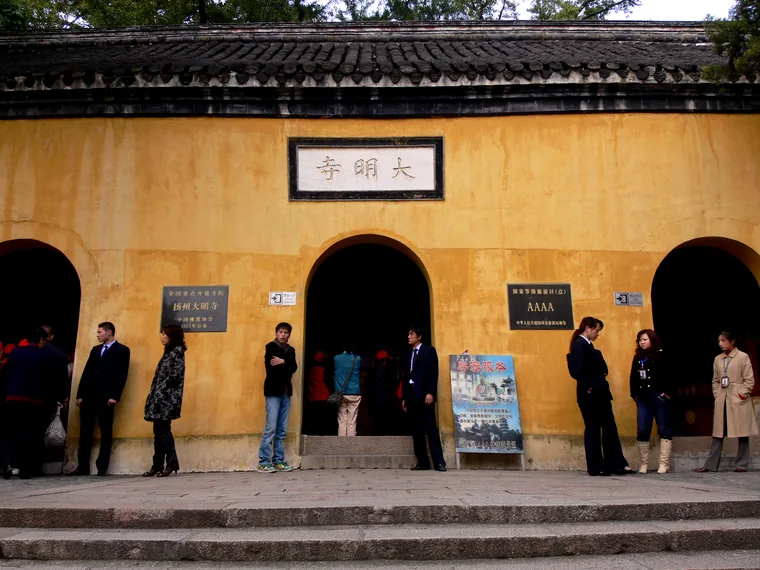
Follow history and understand Daming Temple
- Southern Dynasties and Song Dynasty
Daming Temple first built
The name of the temple comes from the Song Dynasty of the Southern Dynasty, earlier than the Ming Dynasty of later generations.
- 601
Building a spiritual tower
The pagoda built in the Sui Dynasty formed the historical name of Qiling Temple. The early pagoda was later damaged.
- 743-753
Jianzhen planned and completed the eastward journey
Arriving in Japan after many setbacks has become an important history of Sino-Japanese Buddhist cultural exchanges.
- Qing Dynasty
The name and reconstruction of Fajing Temple
The temple continues Buddhist and garden life through renaming, damage and restoration.
- 1973
The Jianzhen Memorial Hall was built
Modern memorial architecture carries the memory of the eminent monk Jianzhen and his contribution to exchanges.
- 1980
Restore the name of Daming Temple
In the context of the exchange of the Jianzhen statue back to Yangzhou, the historical temple name was restored.
Jianzhen’s long journey commemorates persistence and mutual understanding
Jianzhen once promoted legal studies at Daming Temple. Planning for the eastward journey began in 743, and after many setbacks, it finally arrived in Japan in 753. This history makes Daming Temple an important place for understanding Sino-Japanese Buddhism and cultural exchanges.
The foundation stone of Jianzhen Memorial Hall was laid during the commemoration event in 1963 and completed in 1973. Modern architecture preserves the contributions of eminent monks in the Tang Dynasty in teaching, traveling and cultural exchanges, and the experiences of the characters make persistence and mutual learning concrete. The intention to study abroad, move and study can express gratitude and hope through this history.
For people today, traveling might mean studying abroad, moving, or starting a new job. From Jianzhen's story, you can hope that you will be patient and prepared when encountering difficulties, respect the unfamiliar environment, and be grateful to those who help you adapt to the new life, instead of just hoping for a result without setbacks.
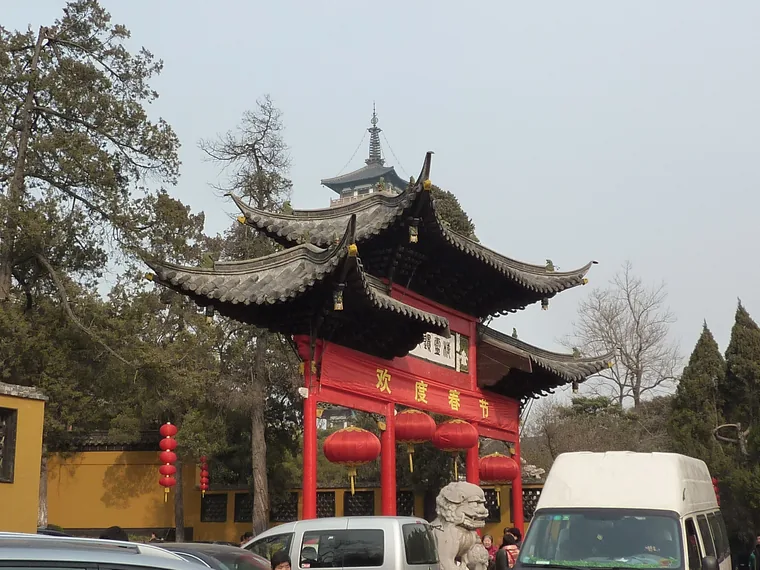
From the Salute Hall to the Pingshan Hall, let care and landscape have their own place
The mountain gate and the Hall of Heavenly Kings, Maitreya, Wei Tuo and the Four Heavenly Kings respectively present the themes of peace, protection and protection. After entering the courtyard, the Mahavira Hall continues the life of Buddhist worship. The temple's Buddha bathing event is also here to commemorate the birthday of Shakyamuni Buddha, reminding people to pay attention to their words, deeds and hearts.
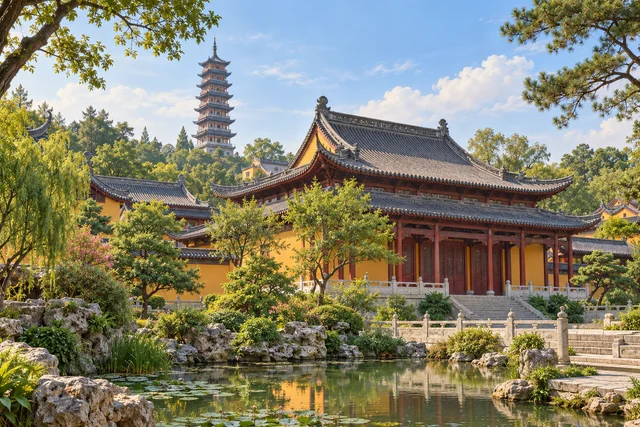
Pingshan Hall is connected with the cultural memory of Ouyang Xiu when he was working in Yangzhou. The landscape vision and the interactions between literati constitute the characteristics. The flowers, trees, and spring stones in the West Garden add to the garden level, making a visit to the ancient temple combine with articles, local history, and landscape art. It also preserves a gentle cultural background for cherishing gatherings and expressing gratitude for companionship.
Express your feelings at Daming Temple, you can wish for your family’s safety, you can also thank your teachers, and you can make wishes for study and travel. Salutes, commemorations, garden viewings and special events each have their own scope. Written wishes in concrete terms and arrangements communicated clearly will be closer to daily needs than combining all experiences into one vague expectation.
Traveling eastward from Jianzhen, understanding the desire to travel far and study
Daming Temple In Yangzhou, Jiangsu, the Jianzhen Memorial Hall makes Sino-Japanese exchanges and difficult journeys a history that can be read in detail. Commemorating eminent monks and worshiping Buddha in the main hall have different objects: Jianzhen is a historical monk and should not be confused with Shakyamuni Buddha. Nor should modern memorial buildings be said to be original structures from the Eastward Journey period.
If you are in Japan or about to go abroad, you can write down your adaptation to the language, study, work, and hope that your family will feel at ease. A safe trip also includes being willing to meet people who can help you, preparing carefully, and reporting that you are safe in a timely manner. The memory of Jianzhen’s persistence and communication makes this wish to cherish direction, patience and understanding between different cultures.
To give thanks for a journey, progress in learning or help from teachers and friends, recall your original concerns and what has changed, retaining the original temple and promise. Gardens, ancient towers and cultural introductions help you understand the temple; they do not include all sightseeing and special experiences in a basic visit.
Understanding the halls and the figures within them
| Palace or space | Figures and cultural roles |
|---|---|
| Main Hall | Shakyamuni Buddha |
| Shanmen and Tianwang Hall | Maitreya Buddha, Skanda and the Four Heavenly Kings |
| Jianzhen Memorial Hall | The eminent monk Jianzhen and memories of Sino-Japanese cultural exchanges |
| Pingshan Hall and West Garden | Ouyang Xiu culture, landscape vision and garden art |
Main Hall
Principal figures: Shakyamuni Buddha
Shakyamuni is the founder of Buddhism. The Buddha's enlightenment story starts from facing the troubles of life, emphasizing the understanding of troubles, the growth of wisdom and compassion. When paying homage to Shakyamuni Buddha, common thoughts include increased blessings and wisdom, physical and mental peace, family peace, and reduction of worries; the teachings represented by the statue also provide a background for learning, reflection, and facing life's transitions.
Daming Temple The main hall has Shakyamuni as the center of worship, and the tradition of bathing the Buddha on his birthday has also been launched to commemorate the Buddha. Education and learning make the monastery not only a monument, but also a culture of understanding troubles, increasing compassion and serious practice. Hopes of seeing the direction clearly, being patient in studying, or wishing for stability in one's family can be expressed by respect for one's teacher.
Associated wishes: You can pray for your studies, life choices, and physical and mental peace, and explain the issues you most want to understand. If you are often affected by impatience recently, you can also hope that you can be calm in your heart, treat your relatives and friends kindly, and let clarity become a warm life direction.
Shanmen and Tianwang Hall
Principal figures: Maitreya Buddha, Skanda and the Four Heavenly Kings
Maitreya, free translation of Cishi, is the future Buddha in Buddhism. The familiar image of joy is associated with generosity, good deeds and future harmony. Wei Tuo is the heavenly general who protects the Dharma and the temple; the Four Heavenly Kings, Zhi Guo, Zeng Zeng, Guang Mu, and Duo Wen respectively contact the guardians of the four directions. Maitreya's compassion and the solemnity of the protector together form the theme of welcome and protection, giving cultural suspense to the new stage of auspiciousness, family harmony and safe entry and exit.
Daming Temple The mountain gate is also the Hall of the Heavenly Kings, with Maitreya in the middle, Wei Tuo at the back, and the four heavenly kings spread out in front to pay homage. From being welcomed with loving kindness to the practice of protection, those traveling far away can wish for peace and be grateful to those who are helping along the way. The combination of the temple entrance allows for future hope, family harmony and a safe journey to be placed.
Associated wishes: You can write down who is traveling, adapting to a new life or taking on responsibilities, and pray for peace and good support. If family members are concerned about this, they can also communicate with each other in an open and peaceful manner, and let blessings connect those traveling with them and family members far away.
Jianzhen Memorial Hall
Cultural role: The eminent monk Jianzhen and memories of Sino-Japanese cultural exchanges
Jianzhen was an eminent monk in the Tang Dynasty. His journey eastward to spread the Dharma and teach played an important role in the history of Sino-Japanese cultural exchanges. The experience of continuing to teach despite hardships connects commemoration with study, travel, perseverance and mutual learning. From this, people thanked their teachers, wished good communication, and cherished their patience and commitment in transferring knowledge across languages and regions.
Daming Temple Jianzhen Memorial Hall was laid in 1963 and completed in 1973. It uses modern memorial architecture to preserve the memories of historical monks and exchanges. Understanding this hall through the characters' experiences can provide a concrete historical background for studying abroad, moving, and learning about different cultures. Commemoration reflects respect for teachings and perseverance, and cherishes those who have helped along the way. Jianzhen was a historical eminent monk, and the memorial hall connects his Dharma-seeking exchanges and experiences of his eastward journey; the memory of this figure and the worship of Sakyamuni in the main hall can be mutually referenced, but their identities are not confused.
Associated wishes: You can express your feelings for traveling far away to study, understanding different cultures and continuous growth, and pray for peace, good teachers and trustworthy companions. You can also thank the people who helped you adapt to your new life. I wish them good health and remember to help you in your studies and exchanges. When traveling to Japan, studying abroad, or working cross-border, you can express your adaptability, preparation, and peace of mind with your family, as well as express your gratitude to those who provide support for your journey.
Pingshan Hall and West Garden
Cultural role: Ouyang Xiu culture, landscape vision and garden art
Pingshan Temple is connected to the construction when Ouyang Xiu was the governor of Yangzhou. The memory of literati, the broad vision of the landscape, and the springs, stones, flowers and trees in the West Garden enable Daming Temple to preserve cultural life beyond worship. Gardens and articles allow local experiences to be known through generations, and also enable the encounters between people and landscapes to carry the mood of calmness, gratitude, and cherishment.
Pingshan Hall and Xiyuan each have architectural, garden and historical themes, which together with the Buddhist worship in the temple form a visiting level. From the memories of people to the springs, rocks, flowers and trees, you can understand how the ancient temple entered Yangzhou culture, and you can also cherish the time you can spend with your relatives and friends today. The specific tour and designated records are arranged on site, and the cultural viewing itself can preserve a warm and shared memory.
Associated wishes: You can use this to thank the people who accompany you, and hope that each other can live a calm life and have the opportunity to get together. If you live overseas, you can also express your longing for your hometown, relatives and friends. If you have special needs for garden tours or photography, please confirm the feasible scope first.
Write down the concerns in culture as your own wishes
Willing to learn with patience and a clear direction
Mahavira · Shakyamuni Study Theme
Shakyamuni's teaching and learning themes enable wisdom, care, continuous understanding and growth of compassion; the teaching experience of Jianzhen also provides character background for long-term learning. These two clues of Daming Temple not only make the academic aspirations clear, but also cherish the teacher's patience, seeking advice, and accumulation. The language and cultural differences of studying abroad also factor into this wish.
You can write down the field you are studying, thank those who have given guidance, and pray for concentration, humility, and good relationships with good teachers. If the progress is not as expected, you can also keep yourself physically and mentally stable and continue to seek advice, so that you have the mental energy to continue learning.
Example of wish expression
May I clearly see what I need to learn, be willing to ask for advice when I don’t understand something, and slowly build a solid foundation through the exercises I can complete every day.
Never forget to prepare when traveling far away, and cherish helping each other
Jianzhen Memorial Hall·Travel and cultural exchange
The history of Jianzhen’s journey to the East connects long journeys with teaching, exchanges and persistence, and the guardian of the mountain gate also provides Buddhist cultural sustenance for Ping An. If you leave your hometown to study or move, you can wish for a safe journey and help, and you can also cherish learning from people of different cultures. The meaning of a long journey therefore has both purpose and the favors along the way. Today's journey may also mean entering a strange language and way of life. Being willing to patiently adapt and respect differences is equally worthy of expression as peace on the way.
Describe the stage of travel or overseas life, the most concerning step and the help you need. Also write down how you hope to keep in touch with your family.
Example of wish expression
I wish that I have a safe trip to Japan, that I can slowly settle into a new language and life, and that I can meet mentors and friends who are willing to guide me. I wish that my family will feel at ease, and I will prepare carefully and report that I am safe in a timely manner, and remember to thank those who have helped me along the way.
Leave kindness to those close to you
Temple of the Heavenly King · Maitreya and the Dharma Protector Theme
Maitreya is close to the future and happiness with kindness, and the welcoming image of the Temple of the Heavenly King of the Mountain Gate connects generosity and protection. The culture of Daming Temple can provide families with less impatience and more understanding, and can also make the changing relationship look forward to a stable future. Those close to you often bear the most, and blessings can especially cherish their feelings.
You can write down the communication you most want to improve, and pray for mutual patience and gentleness. If you live in two places, you can keep a sentence of gratitude that you want to say, hoping that the care in the distance will be understood, and that tolerance can be implemented in real people and experiences.
Example of wish expression
May my family be with you in peace, and may I be less anxious and more attentive; express my needs in a gentle way and cherish ordinary interactions.
Leave a little calmness and gratitude in your daily life
Pingshan Hall, Xiyuan·Landscape and Gratitude Culture
Pingshan Hall and Xiyuan preserve Yangzhou literati, landscape and garden culture, making it possible to care about how to cherish daily life and get together when visiting ancient temples. From springs, rocks, flowers and trees to the memory of articles, the encounters between people and places can still be remembered tenderly over time. By being grateful for your companionship in life, you can wish your relatives and friends peace and stability, and cherish the care you have received.
You can write down a recent ordinary but worthy of gratitude, and wish the relevant people good health. If you are overseas, you can also express the scenery and mood you most want to share with your family, hoping that there will still be opportunities to get together, and let gratitude connect where you come from with the present.
Example of wish expression
Thanks to those who took care of me along the way. May we have time to get along well, and may I not only remember to be busy, but also express my gratitude and concern seriously.
In the image, continue to get to know each other Daming Temple
Is Jianzhen considered a traitor if he traveled to Japan? ? ? 【Yangzhou Daming Temple】
Learn about Yangzhou Daming Temple, Jianzhen Memorial Hall and Pingshan Hall through humanistic explanation.
考工志 · Bilibili · in Bilibili Watch original video
The video revolves around the history and culture of Yangzhou Daming Temple and Jianzhen’s eastward journey. The original question is based on the author's narrative method, and the identities of the commemorative monk and the Buddha statue in the temple are understood separately.
If playback is restricted by the network or platform, the original video entrance can be used.
Commissioned services and fees
$227 USD · Basic service fee
In Daming Temple, write down your thoughts for studying, traveling and family
The basic commission includes tickets, incense, Buddha worship and making wishes; pictures and video visit records correspond to the specific temple, the selected offerings and this commission, and are delivered privately.
You can also entrust your family together. It is recommended that there be no more than 3 people per order, so that you can express your feelings one by one.
A private visit record will be provided 1-2 working days after the service is completed.
Anxin provides entrusted services independently and does not represent the temple. Pagoda climbing, special commemorative events, special religious ceremonies and designated garden photography are not automatically included in the basic commission.
Select your wish, desired date and offerings and submit the request, then add official customer service for verification. Submission does not mean successful reservation, payment or seat reservation.
Yes Submit request and confirm with our team . There is no need to log in for consultation; the appointment has not been successful after submission.
About Daming Temple , you may also want to know
Was Daming Temple built in the Ming Dynasty?
No. The name of the temple comes from the name of Daming Dynasty in the Southern Song Dynasty, and the history of the temple is earlier than the Ming Dynasty.
Are Hojing Temple and Daming Temple the two temples here?
Fajing Temple is one of the historical names of this temple. In 1980, the name Daming Temple was restored; this page refers to the temple in Shugang, Yangzhou.
Is Jianzhen a Buddha or a Bodhisattva?
Jianzhen was a distinguished monk from the Tang Dynasty. The memorial hall uses modern architecture to preserve his contribution to teaching, traveling and Sino-Japanese cultural exchanges.
Is today’s Jianzhen Memorial Hall the original structure from the Tang Dynasty?
The memorial hall was built in 1973. It is a modern memorial building and is related to the history of the Tang Dynasty where Jianzhen lived.
The Qiling Pagoda was built in the Sui Dynasty. Does this mean that the current tower is completely original from the Sui Dynasty?
This cannot be presumed. The tower was destroyed in the early days, and the history of its construction, later restoration, and existing buildings should be understood separately.
Does the basic commission include tower climbing and all garden activities?
Not included automatically. Tower climbing, designated cultural activities and special imaging needs must be confirmed separately according to the actual opening and arrangement.
Why can people in Japan organize their wishes based on the culture of Daming Temple?
Jianzhen’s eastward journey connected the historical exchanges between Yangzhou and Japan. The themes of traveling, learning, persevering and understanding different cultures can be used to express the feelings of adapting to a new life, reassuring family members and expressing gratitude to teachers and friends.
A journey ended safely and my studies have progressed. What can I say when giving thanks?
Look back on what you were worried about at the beginning, the steps you have taken now, and the people who have helped you. Then write down your gratitude and the responsibilities you are willing to continue to cherish. Also explain the original acknowledgment agreement.