Quick understanding
- What is the main worship in Daxiangguo Temple?
Octagonal Glazed Hall is known for a four-facing Thousand-Armed, Thousand-Eyed Guanyin. The main hall honours Shakyamuni, Amitabha and the Medicine Buddha; Heavenly Kings Hall has Maitreya and the Four Heavenly Kings.
- Are the four sides of Guanyin four different gods?
This is a multi-faceted multi-armed statue of the same Guanyin theme, expressing a wide range of concerns with rich images, rather than allocating four results in four directions.
- Can the story of Xiangguo Temple in the novel be regarded as the history of the temple’s construction?
No. Lu Zhishen's uprooting of weeping willows belongs to the literary narrative of "Water Margin"; to understand the true history of the temple, we must also look at the historical levels of the Northern Qi, Tang, Song and Qing dynasties.
- Location
- Kaifeng, Henan Free Road
- Historical starting point
- Historical clues of Jianguo Temple in Northern Qi Dynasty
- Bright statue
- Four Thousand Hands and Thousand Eyes Guanyin Wood Sculpture
- Architectural Features
- Central axis courtyard and octagonal hall in Qing Dynasty
In Daxiangguo Temple, put the things you care about
The four-sided Guanyin with thousands of hands and eyes in Daxiangguo Temple is a distinct image of compassion in the ancient temple of Kaifeng; the care of family members, care during long journeys, and gratitude to fellow travelers can all be concretely expressed along different halls.
Families receive timely care
From the mercy of Guanyin, the Thousand Hands and Thousand Eyes, write down who needs help and how they want to be cared for.
Continue to learn →Distinguish between Guanyin and the three Buddhas in the main hall
The Octagonal Glaze Hall and the Main Hall have their own themes, and the directions are not classified as wishes.
Continue to learn →Compare Luoyang White Horse Temple
These temples in Kaifeng and Luoyang have distinct histories and figures.
Continue to learn →From Jianguo Temple to Xiangguo Temple, an ancient temple has experienced the rise and fall of Kaifeng
The history of Daxiangguo Temple can be traced back to Jianguo Temple in the Northern Qi Dynasty. After restoration in the Tang Dynasty, it was named Xiangguo Temple in 712. During the capital period of the Northern Song Dynasty, royal worship, Buddhist exchanges and urban life met here, and the influence of the temple also expanded with the prosperity of Bianliang.
The connection between the temple and the city is not just on one central axis. The temple fairs, transactions and cultural activities in the traditional narrative make this place a window to understand the public life of the Song Dynasty. The temple area in the Song Dynasty has its own historical level compared to today’s scope and architecture. The continued local memory allows the ancient temple to continue to enter Kaifeng’s urban culture.
Floods in the Yellow River caused huge damage in the late Ming Dynasty, and were gradually rebuilt in the Qing Dynasty. Looking back at the ancient temple from today's palace, we can see that continuation and reconstruction coexist: the temple name, memory, and ritual traditions have been passed down, but not all existing buildings have been completely preserved since the Northern Qi Dynasty.
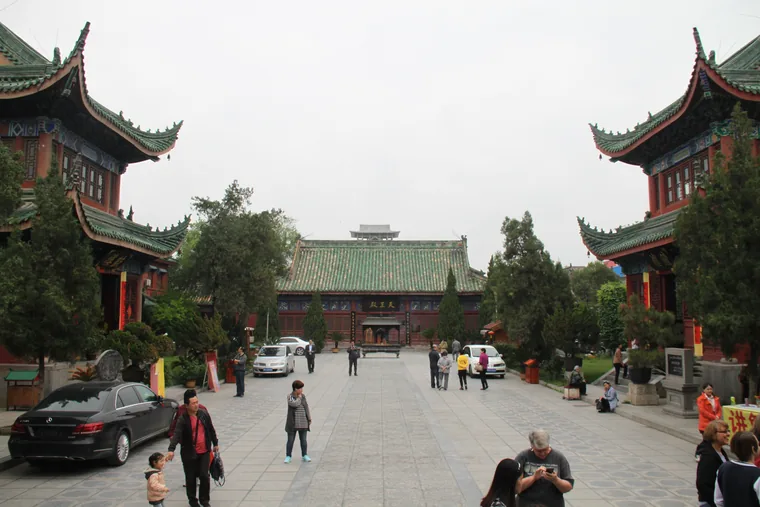
Follow history and understand Daxiangguo Temple
- Northern Qi Period
The historical starting point of Jianguo Temple
Temple history traces the early construction of the temple to the Northern Qi Dynasty, and later it experienced damage and restoration.
- 712 years
Named Xiangguo Temple
After the restoration of the Tang Dynasty, the temple was named Xiangguo Temple.
- Northern Song Dynasty
Important temples in the capital
Royal tribute, Buddhist exchanges and urban culture have made the ancient temple an important public memory in Bianliang.
- Qianlong period of Qing Dynasty
Rebuilding temples and inheriting wood carvings
The existing artistic images of the central axis hall and the octagonal hall are at the level of reconstruction and repair in the Qing Dynasty.
- 1768
Bronze bell cast
The Qing Dynasty bronze bell connects the sound culture of Xiangguo Shuangzhong.
- Since 1992
Restore Buddhist life
After modern restoration, the temple gradually resumed Buddhist activities and exchanges.
The octagonal glass palace makes the compassion of thousands of hands and eyes become a three-dimensional image
The Octagonal Glaze Hall is also called the Arhat Hall. The octagonal pavilion and cloister form a distinct space. The four-sided Guanyin with thousands of hands and eyes in the temple is an important clue to understanding Daxiangguo Temple: it uses the tradition of ginkgo wood carving in the Qing Dynasty to present the complex arms, hands, eyes and overall image, and also reflects the craftsman's arrangement of volume and details.
Thousands of hands and thousands of eyes are associated with the connotation of observing suffering and responding to all sentient beings’ compassion in Guanyin belief. To understand this group of statues, you don’t need to assign each hand to a wish, or understand the four sides as four different effects; you can also enter from the attitude of life that is willing to see and reach out to help.
The arhat statues in the temple preserve the artistic level of practitioners, while Guanyin expresses compassion with multiple hands and eyes, giving each Buddhist figure his own identity. Facing the grand group portraits, you can slow down and observe the postures, expressions and spatial organization, so as to gain an understanding of wood carvings, character relationships and the tradition of statues in addition to paying respect.
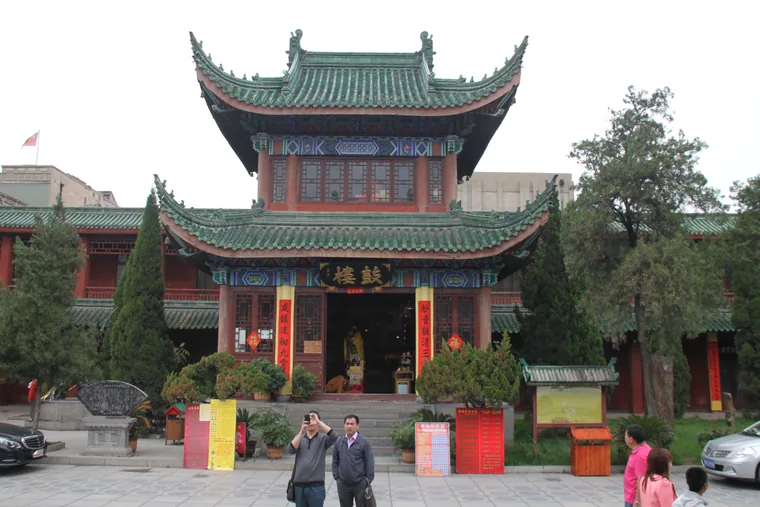
Each palace has its own theme, and the frost bell connects the sound of the ancient temple and the city.
The Temple of Heavenly Kings presents the theme of generosity and protection with Maitreya and the Four Heavenly Kings. The Shakyamuni, Amitabha Buddha and the Medicine Buddha in the Mahavira Hall are linked to Saha, Bliss and the Pure Land through the combination of three generations. The front part welcomes the entrance and the main hall for education, so that hope, happiness and compassion can be placed in different spaces.
The Qing Dynasty bronze bell stored in the bell tower is connected with the city memory of Xiangguo Shuang Bell. The age when the bell was cast in 1768 is different from the earlier origin of the temple; the bell tower, ancient bells and poems from past dynasties respectively constitute the level of sound culture, which does not mean that any visitor can ring the bell on his own.
When writing down your thoughts for family stability, relationship understanding, or continuous learning, you can first express your concern and then choose a cultural theme that you understand. Guanyin's listening, the pharmacist's care, and Maitreya's kindness can all become gentle reminders; a wish can also include the actions you are willing to take.
In Kaifeng Ancient Temple, let your concerns have concrete responses
Daxiangguo Temple In Kaifeng, Henan, Guanyin's four-sided Thousand Hands and Thousand Eyes in the Octagonal Glazed Temple transform the compassion of seeing and responding into a three-dimensional image. The four sides and multiple arms should be understood from the overall image. There is no need to assign the machinery for wealth, marriage or health to different sides according to the orientation.
To pray for your family, you can write about the care and peace of mind you need most at the moment; to wish for travel and getting along, you can combine the protection of the Heavenly King's Palace and the peace of Maitreya. The Shakyamuni, Medicine Master and Amitabha Buddha in the main hall also have themes of wisdom, happiness and gratitude. It will be more clear to know them separately from the Guanyin hall.
Kaifeng's history, the Xiangguo bells and memories of visits with loved ones may guide your choice. To give thanks, identify the original wish and place, then say whom or what you appreciate now. A cultural account of the bells does not mean a basic visit includes bell-ringing or ceremonies.
Understanding the halls and the figures within them
| Palace or space | Figures and cultural roles |
|---|---|
| Octagonal Glaze Hall | Thousand Hands and Thousand Eyes Guanyin Bodhisattva |
| Main Hall | Shakyamuni Buddha, Amitabha Buddha, the Medicine Buddha |
| Tianwang Palace | Maitreya Buddha and the Four Heavenly Kings |
| Bell Tower and Xiangguo Frost Bell | Qing Dynasty Bronze Bells, Bianliang Sound and Poetry Memory |
Octagonal Glaze Hall
Principal figures: Thousand Hands and Thousand Eyes Guanyin Bodhisattva
Thousand Hands and Thousand Eyes Guanyin is the image expression of Guanyin (Avalokiteshvara)'s compassionate will: the many eyes symbolize seeing the different sufferings of all living beings, and the many arms symbolize the widespread relief. It turns the sound of rescuing the suffering into a visible image, so that family members can be healthy, have support in difficult situations, and have someone to take care of them, which has become a familiar prayer for the public. It also reminds people to cherish their ability to care for others.
The four-sided Guanyin in the Octagonal Glazed Temple is made of Qing Dynasty ginkgo wood carvings that present a multi-faceted, multi-armed image, which together with the Octagonal Pavilion and the Corridor form a distinctive space in Daxiangguo Temple. The four sides direct compassion toward a wide range of needs, and the complex hands and eyes express seeing and responding; this statue has specific cultural content as it provides care for family members, help in difficulties, and understanding in relationships. The four sides, hands and eyes jointly express the omnipresence of compassion, and it is not appropriate to create an exclusive division of wishes for each direction.
Associated wishes: You can write down the relatives and friends you care about most and the care you need, and pray for stability, good luck and understanding. If you are unable to accompany you in person for the time being, you can also thank those who have been helping you, and let your compassion care for those in need and those who provide care. You can write about the loved ones who need care and the people who take care of them at the same time, expressing peace and gratitude to both parties.
Main Hall
Principal figures: Shakyamuni Buddha, Amitabha Buddha, the Medicine Buddha
Shakyamuni, the Medicine Buddha and Amitabha Buddha respectively unfold the teachings of the Buddha and the clues of belief in the Oriental Glazed Pure Land and the Western Pure Land of Bliss. Shakyamuni connects enlightenment and wisdom, Bhaisajyaguru (the Medicine Buddha)'s twelve great wishes care about suffering and life needs, and Amitabha Buddha's infinite light and infinite life express light, peace and refuge. The three statues are juxtaposed, making peace, blessing, wisdom and care for life interconnected.
Daxiangguo Temple's main hall presents Shakyamuni's teaching, Pure Land traditions and the Medicine Buddha through the horizontal Three Buddhas. Qing buildings and later restoration preserve distinct periods. Today's devotion gives a setting for wisdom, relatives' wellbeing and remembrance; distinguish it from earlier exhibition phases when reading the history.
Associated wishes: You can express your feelings for your studies, your family, or the people you miss based on your current situation, and pray for clarity and happiness. If you want to arrange a specific ceremony, you can explain your needs first and let customer service confirm the feasible scope of the site; familiar language can also be expressed solemnly.
Tianwang Palace
Principal figures: Maitreya Buddha and the Four Heavenly Kings
Maitreya, free translation of Cishi, is the future Buddha in Buddhism. The common images of joy and cloth bags in the Han region make compassion and hope for the future appear close; the image of generosity also carries the desire for family harmony, good encounters, and a calm life. Paying homage to Maitreya can be understood from two clues: the expectation for a stable future and the wish to get along with others in good faith. The Four Heavenly Kings protect the four directions with the four characters of holding the country, growing, widening the eyes, and learning more, forming the guardian theme of the front hall.
Daxiangguo Temple The Heavenly King Hall is greeted with a seated statue of Maitreya and the Heavenly Kings on both sides. The hope, compassion and support for the future are jointly launched into the temple to pay homage. Statues, objects and postures of military commanders convey traditional solemnity, and also give cultural sustenance to the desire for safe travel and family harmony; people can not only hope for a safe journey, but also hope for a harmonious relationship and good karma.
Associated wishes: You can wish for safe travel for relatives and friends traveling with you, and pray for smooth communication for families in both places. If you are going through a new stage, you can also express your willingness to maintain confidence and patience, so that future hopes can cherish the present and take care of each other.
Bell Tower and Xiangguo Frost Bell
Cultural role: Qing Dynasty Bronze Bells, Bianliang Sound and Poetry Memory
Xiangguo Frost Bell is a sound image in Bianliang culture. The sound of ancient temple bells connects the city’s early morning, seasons and poetic memories. As cultural relics, bronze bells from the Qing Dynasty also preserve the history of casting techniques and temple life. Its cultural value lies in allowing time, place and people's emotions to be remembered together, and it can carry the mood of gratitude, gathering and cherishing daily life.
The bell tower of Daxiangguo Temple and the 1768 bronze bell make the sound culture have concrete buildings and utensils, and the image of the ancient city also enters the temple for visits. When you see the clock and the bell tower, you can think of how a city retains its memories through different generations and cherishes the people who can travel with it today. The protection and ringing arrangements of the ancient bells are subject to on-site regulations. The visit can start with the theme of understanding cultural relics and poetry.
Associated wishes: You can take this opportunity to thank the people who have accompanied you through a period of time, and hope that each other will be stable and have the opportunity to get together. If you want to arrange a special experience, you can first explain your needs and then confirm the methods and scope allowed on site.
Write down the concerns in culture as your own wishes
Seeing concern, I am willing to reach out in time
Octagonal Glass Palace·Thousand Hands and Thousand Eyes Guanyin
Four-sided, Thousand Hands and Thousand Eyes Guanyin has transformed the compassion that is widely seen and offers relief into a vivid statue, and the Daxiangguo Temple and the Octagonal Glazed Temple give this meaning a complete space. When you wish for your family, you can hope that your needs will be responded to in a timely manner and you will be cared for and have good relationships; for families in two places overseas, you can also hope that those who care about you will be heard and help you will be cherished. When concerns are responded to, sometimes the caregiver has time to rest, family members can discuss problems, and overseas relatives can be informed of the current situation in a timely manner.
Explain the current situation of your loved ones, the care and caregivers you need most at the moment; as a thank you after your wish is fulfilled, you can write down the specific help you have received.
Example of wish expression
I hope that my parents can live in peace and have someone to take care of them when they need it; I also hope that the people who take care of them can get understanding and rest. I will keep in touch carefully and cherish every helping hand I extend to my family.
For a stable life, keep a clear mind
Main Hall·Three Buddhas Salute Theme
The Three Buddhas are located across the main hall, allowing the Master’s wisdom, the Medicine Master’s twelve wishes and the peace and happiness of Amitabha’s Pure Land to unfold together. To live a stable life, you can not only pray for the well-being of your family, but also care about understanding the situation and have a refuge in your heart. For people with intertwined work and family responsibilities, this combination can carry multiple concerns, each with clear cultural reasons.
You can write down the most difficult thing to feel at ease about right now, and pray for clarity, support and family peace. If you need to take care of the needs of different people, you can also express your respective situations concisely, hoping that each other can gain understanding and important arrangements can be carried out steadily.
Example of wish expression
I hope that the people I care about live a stable life, and I also hope that I can stay clear in the changes, deal with what I can do in front of me seriously, and not ignore important people because of anxiety.
Stay a little tolerant and allow room for getting along.
Tenwangden · Maitreya wide theme
Maitreya's name and future Buddha status carry generosity, harmony and hope for the future. The Tianwang Temple in the front of Daxiangguo Temple connects this close kindness and support, so that the desire to get along with each other not only hopes for peace, but also wants to be less impatient and more considerate. Long-distance family and cooperative relationships can use this to convey the feeling of continued companionship.
You can write about the relationship you cherish most, and pray that both parties have the patience to express and hear each other's difficulties. If you are going through changes, you can also hope that there will be good relationships and reunions in the future, and let your gentle mind take care of your true feelings at the moment.
Example of wish expression
May we have something to say and give each other some room. May I be less impatient, more understanding, and express my true needs in a gentle way.
In the sound of ancient city bells, thank those who travel with you
Xiangguo Frost Bell·Gratitude and City Memory
The frost bell of Xiangguo brought the temple into Bianliang poetry and city memory. The image of the bell connected the seasons, time and the gathering of people. The preservation of ancient bells also depends on the people who continue to protect them. Gratitude to fellow travelers can start from this culture: Cherish the daily life we have spent together, wish relatives and friends near and far are safe, and may we still have the opportunity to get to know familiar or unfamiliar places together.
You can express your gratitude for your companionship or companionship, write down the fragment you want to keep most, and wish the relevant people good health. If you haven’t seen each other for a long time due to living overseas, you can also express your longing for reunion and let the memory of the ancient city connect you with your hometown, present and future.
Example of wish expression
Thanks to those who have taken care of and accompanied me along the way. May we cherish the days when we can still communicate and be together, and may I remember to express my gratitude in person.
In the image, continue to get to know each other Daxiangguo Temple
Kaifeng Tourism Daxiangguo Temple! Guanyin is so worth it! There are also performances by monks, great!
Understand the visiting environment and Guanyin culture of Daxiangguo Temple in Kaifeng from personal travel records.
花花有对小虎牙 · Bilibili · in Bilibili Watch original video
The author records his experience at Daxiangguo Temple in Kaifeng in 2021, including the four sides of Guanyin and the activities at that time. Performances and openings are old images and do not mean that the current service includes the same items.
If playback is restricted by the network or platform, the original video entrance can be used.
Commissioned services and fees
$226 USD · Basic service fee
At Daxiangguo Temple, leave your thoughts for the people you care about
The basic commission includes tickets, incense, Buddha worship and making wishes; pictures and video visit records correspond to the specific temple, the selected offerings and this commission, and are delivered privately.
You can also entrust your family together. It is recommended that there be no more than 3 people per order, so that you can express your feelings one by one.
A private visit record will be provided 1-2 working days after the service is completed.
Anxin provides entrusted services independently and does not represent the temple. Special pujas, bell ringing, close-up photos of designated cultural relics and special events are not automatically included in the basic commission.
Select your wish, desired date and offerings and submit the request, then add official customer service for verification. Submission does not mean successful reservation, payment or seat reservation.
Yes Submit request and confirm with our team . There is no need to log in for consultation; the appointment has not been successful after submission.
About Daxiangguo Temple , you may also want to know
Daxiangguo Temple is in Kaifeng or another city?
This page refers to Daxiangguo Temple on Ziyou Road, Kaifeng, Henan Province. Please confirm the entrustment location with the specific city and temple name.
Are the Octagonal Hall and Arhat Hall two buildings?
The Octagonal Glaze Hall is also called the Arhat Hall. These titles refer to the space and cultural features of the same building and should not be repeated.
Can Guanyin find four results according to the direction?
The four sides belong to the same artistic expression of the Guanyin statue, which does not mean that the result is determined by the direction distribution; you can express your care and wishes in your own words.
Are the three Buddhas in the Main Hall the past, present and future?
This hall brings together Shakyamuni, Amitabha and the Medicine Buddha, associated with different Buddha realms and commonly called the horizontal Three Buddhas.
Can the story of Lu Zhishen prove the true history of somewhere in the temple?
Lu Zhishen is a novel character. Literary memory can help to understand cultural influence, but cannot directly serve as historical evidence of a certain building, ancient tree or event.
Does the basic commission include ringing a bell or attending a puja?
Not included automatically. Bell ringing, specific pujas and special cultural relic photography need to be communicated separately and confirmed according to actual conditions.
Must family wishes be divided among the directions of four-facing Guanyin?
No need to. The comprehensive statue of compassion and understanding that can be seen and responded to by Guanyin with Thousand Hands and Thousand Eyes clearly describes the parents' situation, the care they need, and the companionship they want to express.
I am overseas and want to thank the people who have taken care of my family. Can I write a wish together?
Yes. In addition to wishing the family members stability, you can also thank the caregivers for their efforts, wishing them less hard work, receiving support, and caring for both those who receive help and those who give help.