Quick understanding
- What does Hanshan Temple mainly worship?
The main hall centres on Shakyamuni, while images and carvings of Hanshan and Shide preserve memories of poet-monks and harmony. Buddhist devotion and cultural commemoration have distinct meanings.
- Is Han Shan the author of "Night Mooring at Maple Bridge"?
The author is Zhang Ji, a poet from the Tang Dynasty. Hanshan is another figure associated with the name of the temple and the culture of poetic monks. Poems cannot be attributed to him just because his names are similar.
- Is the bell in Hanshan Temple the same one from the Tang Dynasty?
The temple has been built and destroyed many times, and the bell has a history of being damaged, recast, and given away. Today's bells continue cultural memory, but every existing bell should not be called the original bell that Zhang Ji heard back then.
- Location
- Suzhou, Jiangsu, Maple Bridge area
- Early temple history
- During the Liang Tianjian period of the Southern Dynasties
- Poetry and Prose Relations
- Zhang Ji's "Night Mooring at Maple Bridge" and poetry monuments of past dynasties
- Cultural characteristics
- Poetic Monk, Hehe Culture and Bell Memory
In Hanshan Temple, put the things you care about
Hanshan Temple's poems, bells and lost images of cold mountains connect distant travel, family harmony and mutual understanding; these cultural clues can make an overseas wish more concrete.
Safe journeys and care for home
Make it clear where you are, who you care about, and how you hope to be at peace with each other.
Continue to learn →Family harmony and mutual understanding
Get to know Hanshan Shide and Hehe Culture, and then write about your own relationship wishes.
Continue to learn →Solemn thanks for my original wish
Note your original wish and any promise before discussing arrangements to give thanks.
Continue to learn →From the bells in the poem to the specific temple beside the Maple Bridge
Zhang Ji's "Night Mooring at Maple Bridge" has brought Hanshan Temple into countless people's reading memories. The night, passenger ships and bells in the poem retain the emotions of a journey. When I come to the temple today, I can still feel how literature changes the way people understand a place. The resonance brought by poetry and the meaning of Buddhist worship can exist at the same time.
The early history of Hanshan Temple can be traced back to the Liang Tianjian period in the Southern Dynasty. It has been repaired and rebuilt many times. The familiar temple names, poem names and buildings in front of you have their own ages. When getting to know ancient temples, it is more interesting to read them separately than to lump everything into the "original appearance of thousands of years".
The poem stele is not the only item left by Zhang Ji himself. Calligraphers in the past dynasties focused on famous works, repaired broken tablets, and published them in later generations, giving the same poem different glyphs and fates. Walking into the stele gallery, in addition to reviewing poems, you can also observe the years left by the strokes, calligraphy and stone surfaces.
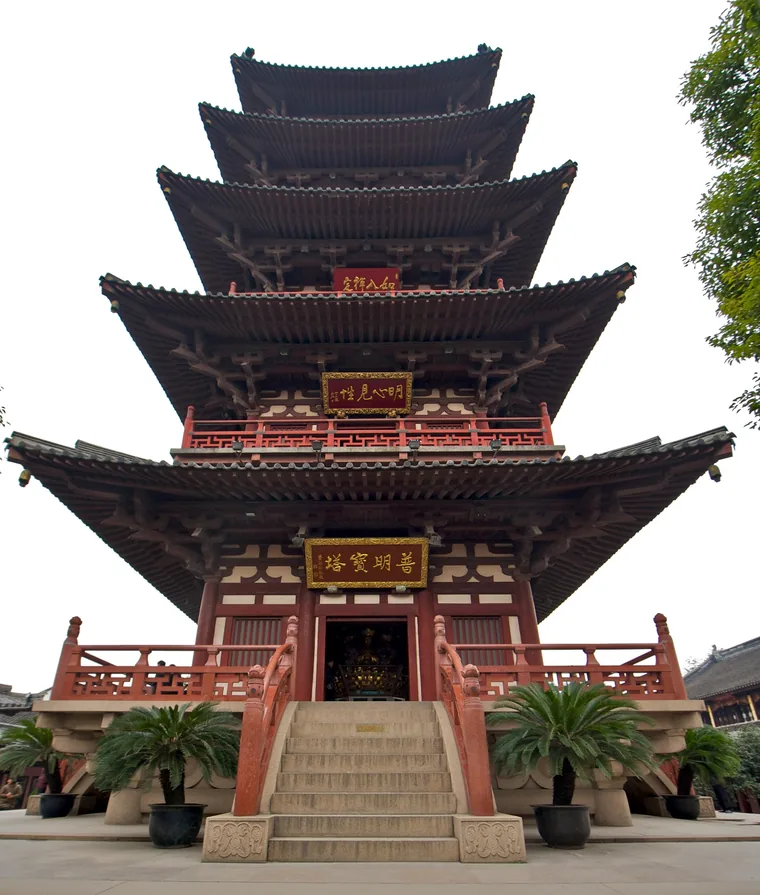
Follow history and understand Hanshan Temple
- During the Liang Tianjian period of the Southern Dynasties
The early history of the temple
The clues to the construction of Hanshan Temple can be traced back to this period, and the name and architecture continued to change in later generations.
- Tang Dynasty
Zhang Ji’s poem reaches a wider audience
"Night Mooring at Maple Bridge" makes the Hanshan Temple bells a distinctive image in literature.
- Late Qing Dynasty
Reinscribing the poem and repairing the temple
Renovation and publication of famous articles on stones make poetry, calligraphy and temple architecture interconnected again.
- Around 1910
Restoration of major halls and stone inscriptions
Cheng Dequan and others participated in the fundraising for the construction of the Main Hall, the back building, and the corridor, and organized poetry, sculptures, and stone engravings.
- 1954
Conservation in modern times
Restoration and relocation of related buildings will continue to preserve the cultural landscape around the ancient temple and Maple Bridge.
Renovations and stele corridors in the late Qing Dynasty allowed the heritage to continue to be read
The renovations from the late Qing Dynasty to the Republic of China are important clues to understanding the architecture and inscriptions of Hanshan Temple today. Chen Kuilong, Cheng Dequan and others participated in the fundraising. Yu Yue wrote "Night Mooring at Maple Bridge", and Cheng Dequan organized the publication of poems and related sculptures. The temple thus preserves a set of construction, calligraphy and local history materials that can be referenced with each other.
The reconstruction around 1910 involved the main hall, back building, corridor, etc., allowing the ancient temple to continue to be used. The palaces seen today preserve the layers of construction from later generations, and present different histories together with the memories of Tang Dynasty poetry and prose. The restoration itself also records how future generations understand, protect and continue the culture of previous generations.
The celebrity stories in the inscriptions also need to be distinguished between the original, re-engraved and later legends. It is difficult to prove each other’s authorship of some couplets and their experience of visiting the temple, and local chronicles also retain relevant debates. Acknowledging these differences when appreciating calligraphy and remembering stories can lead to a more accurate understanding of the value of artifacts.
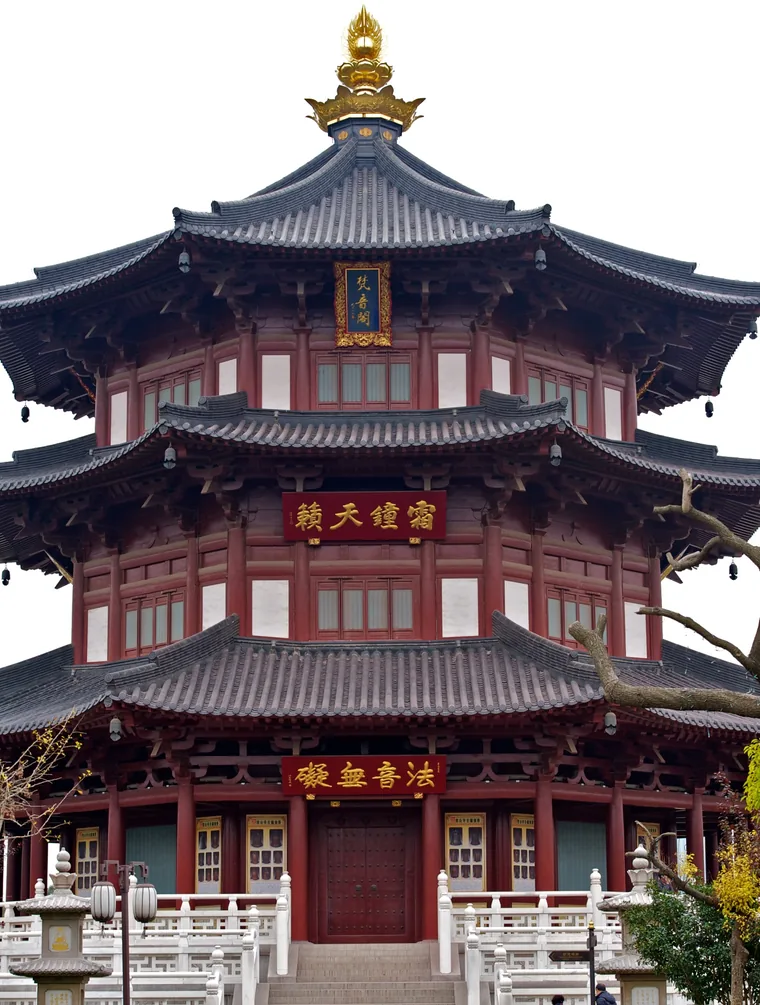
Hanshan, Shide and Bells: Understanding harmony and longing
The images of Hanshan and Shide’s poetic monks are an important aspect of Hanshan Temple culture. The related carvings and poems in the temple bring elegance, wit and the wisdom of getting along with each other into the religious space; the harmony culture of later generations connected the images of the two people with the wishes of family harmony and mutual understanding.
The sound of bells turns time into an audible experience. Regarding the circulation of ancient bells, there are records of damage and recasting in the history of the temple, as well as understandings formed in different eras. As a Buddhist instrument and cultural image, the clock helps people pay attention to the present; its meaning does not need to be reduced to a few ringings to achieve a certain result.
People who travel far away may think of their hometown in the poem, while those who stay at home are waiting for news of safety. By writing these thoughts into a greeting, an agreement, or a belated thank you, the nostalgia in literature can be connected with today's life.
In addition to the sound of bells, we also get to know Hanshan Temple’s feelings of harmony and travel.
The night mooring and the sound of temple bells in the poem have brought Hanshan Temple into the cultural memory of many people. When people are overseas, they may think of a journey in their hometown, a poem they heard with their family, or a farewell in which they hope each other will be safe. Such a connection can be written directly into the wish, and there is no need to just use a general "safe entry and exit" summary.
Hanshan, Shide’s poetic monk image and Hehe culture also connect this place to family, companionship and understanding of differences. Writing harmony in your own words can mean being willing to listen one more time, misunderstanding less, or continuing to take care of each other in different life rhythms; the cultural meaning thus falls back to daily relationships.
When comparing Hanshan Temple with Xiyuan Temple in Suzhou, consider the traditions you wish to explore. Hanshan Temple is associated with poetry, bells and Hanshan and Shide; other temples have their own images and lineages. The place where you originally made a wish remains important when giving thanks. Festival bell-ringing and other special activities are not automatically included.
Understanding the halls and the figures within them
| Palace or space | Figures and cultural roles |
|---|---|
| Main Hall | Shakyamuni Buddha |
| Statues and carvings of Hanshan and Shide | Hanshan and Shide as poet-monks |
Main Hall
Principal figures: Shakyamuni Buddha
Shakyamuni is the founder of Buddhism. The Buddha's enlightenment story starts from facing the troubles of life, emphasizing the understanding of troubles, the growth of wisdom and compassion. When paying homage to Shakyamuni Buddha, common thoughts include increased blessings and wisdom, physical and mental peace, family peace, and reduction of worries; the teachings represented by the statue also provide a background for learning, reflection, and facing life's transitions.
Hanshan Temple The main hall, poetry tablets, calligraphy and bells together form the ancient temple experience. The Buddhist temple retains the respect for enlightenment and compassion, and the surrounding text and art allow the feelings of a person's journey and life to be expressed. When the two meet, prayers can be for increased blessings and wisdom, peace of mind, wishes for peace for distant relatives, or gratitude for those who accompany you.
Associated wishes: It can be used to pray for clarity when changing jobs, traveling far away or making family decisions. It can also be used to wish peace and good luck to relatives and friends. If you have many unspoken worries accumulated in your heart, you can explain what you most want to settle down. May you be understood and become more calm in your daily life.
Statues and carvings of Hanshan and Shide
Cultural role: Hanshan and Shide as poet-monks
Hanshan and Shi are recognized as poetic monks and are connected to the harmony culture of Hanshan Temple.
The portraits, carvings and stories found in Hanshan make the literary memory of the temple also include the ideal of people getting along with each other. When reading these images, one can understand the cultural meaning of companionship, tolerance and mutual fulfillment; the specific legends should be understood as stories passed down.
Associated wishes: The understanding between family, partners and friends can be entered into the wish, and it can also express mutual support and gratitude in long-distance life.
Write down the concerns in culture as your own wishes
Safe journeys and care for home
Main Hall·Buddhist Worship; the cultural image of the journey in "Night Mooring at Maple Bridge"
Living abroad makes the connection between traveling and hometown concrete. The poems and bells of Hanshan Temple can become a cultural starting point for sorting out your thoughts; you can write down how you want your family to live in peace, and also write down the companionship you are willing to maintain despite the distance.
First explain the relatives you care about far away, the journey or life stage, and then write down the changes you hope to happen, and the actions you are willing to take seriously. You can use the example sentences below as a starting point and replace them with expressions that fit your life.
Example of wish expression
May my family members who are far away travel safely and miss each other in different places; may I cherish every time we get together and convey my daily concerns seriously.
Family harmony and understanding differences
Hanshan and Shide · The culture of harmony
The images of Hanshan and Shide's poetic monks have been continued through poetry, sculptures and Hehe culture, and are often used to express the friendly coexistence between different temperaments. This tradition of Hanshan Temple makes family harmony not only the desire to "fewer quarrels", but also includes the willingness to understand each other's situation, cherish the days spent together, and allow family ties to continue to grow despite differences.
It can express your feelings that you most want to be understood, and pray for your partner, elders or children to communicate gently and respect each other. Families across countries or in two places can also write down their hopes for reunion and how they expect to be together, so that the wishes of harmony can point to a real relationship rather than predetermining answers for others.
Example of wish expression
I hope we can talk well when we have different opinions, be less anxious to prove ourselves, and be more patient in understanding each other.
Finding calm and gathering your thoughts
Mahavira · Awareness and reflection; the image of the pause of the bells
The Buddha's enlightenment teachings care about understanding troubles, reducing attachment and increasing wisdom; the bells and poems of Hanshan Temple also provide a cultural image of stopping to look at matters of the mind. By paying homage to the Buddha Hall and sorting out your mind, you can pray for a clear understanding of the situation and less worries. You also hope that you can still maintain compassion and accept kind guidance despite fatigue and changes.
You can explain the pressure, regret or choice that affects you most recently, and pray that your heart will gradually gain order, and you will encounter understanding and support. If you live overseas and find it difficult to speak to your family, you can also write down what you want to be understood most, and let a wish gently accommodate your true feelings.
Example of wish expression
May I slowly sort out the chaos before me, without having to solve all the problems at once, and be willing to accept help from those around me.
Gratitude for companionship and everyday life
Hanshan, Shide cultural image; paying homage to the Buddhist temple
The companionship stories of Hanshan and Shide and the Hehe culture make it possible to express gratitude to others for their understanding. Paying respect to the Lord Buddha can also express gratitude for the teachings and the desire for increased blessings and wisdom. Hanshan Temple can therefore accommodate a common kind of acknowledgment: thanking others for going through difficult times together, and hoping to have more understanding and kindness in getting along with each other in the future.
You can write down a time when family, friends or teachers provided support, explain why this companionship is precious, and wish the other person stability. If you haven’t expressed your gratitude seriously for a long time, you can also write down the words you want to bring to the next gathering, so that the cherishment can move from memory to the life we are still together.
Example of wish expression
Thanks to my family for their quiet care over the years. I hope I won’t wait until we are separated to express my love, but also put love into ordinary days.
In the image, continue to get to know each other Hanshan Temple
Zen (Linji Sect) thousand-year-old temple, the bells of Hanshan Temple - Tour Suzhou Hanshan Temple.
Follow the tour video to learn about the courtyard and bell culture of Suzhou Hanshan Temple.
探城s · Bilibili · in Bilibili Watch original video
The author records the field walking experience of Hanshan Temple in Suzhou, which can be cross-referenced with the poetry, temples and bell-listening culture in the text.
If playback is restricted by the network or platform, the original video entrance can be used.
Commissioned services and fees
$223 USD · Basic service fee
In the sound of Suzhou bells, convey a sincere concern
The basic commission includes tickets, incense, Buddha worship and making wishes; pictures and video visit records correspond to the specific temple, the selected offerings and this commission, and are delivered privately.
You can also entrust your family together. It is recommended that there be no more than 3 people per order, so that you can express your feelings one by one.
A private visit record will be provided 1-2 working days after the service is completed.
Anxin provides entrusted services independently and does not represent the temple. The basic commission does not automatically include bell-ringing activities, special pujas or special ceremonies, and these items need to be understood separately.
Select your wish, desired date and offerings and submit the request, then add official customer service for verification. Submission does not mean successful reservation, payment or seat reservation.
Yes Submit request and confirm with our team . There is no need to log in for consultation; the appointment has not been successful after submission.
About Hanshan Temple , you may also want to know
What are the different relationships between Hanshan Temple and Zhang Ji and Hanshan?
Zhang Ji wrote Night Mooring at Maple Bridge, bringing the temple’s bells to a wide audience. Hanshan is the poet-monk associated with the temple’s name and culture. They are different people.
Is today’s bell the original bell in Tang poetry?
Both temples and bells have gone through ups and downs, and ancient bells have a complicated history of being damaged, recast, and given away. Today's bells continue cultural memory, so we cannot call the existing bells the original bells of the Tang Dynasty.
What is the relationship between the poem stele written by Yu Yue and the original work by Zhang Ji?
Yu Yue re-edited Zhang Ji's poems and published them in stone in the late Qing Dynasty. It belongs to the inheritance of calligraphy and stele inscriptions of later generations, and is not the original stele of the Tang Dynasty left by Zhang Ji himself.
How are Hanshan Shide and Hehe Culture connected?
The image of the two poets and monks is associated with the harmony culture of later generations, often triggering associations with understanding, tolerance, and family coexistence. You can appreciate its cultural significance and respect everyone's realistic choices.
Why should the Main Hall be viewed together with the history of its renovation?
The existing palace has been restored by later generations, especially in the late Qing Dynasty and the early Republic of China. Understanding these structures helps to understand how today's buildings, poetic monuments and sculptures are preserved together.
Can basic entrustment guarantee participation in New Year’s Eve bell ringing?
Cannot be automatically determined by normal underlying delegation. Bell ringing or specific festival activities have their own arrangements. If necessary, you should first understand the specific items, dates and scope with customer service.
Is the harmony culture of Hanshan Temple only related to seeking marriage?
Harmony can also be associated with family harmony, getting along with friends, understanding differences and mutual fulfillment. You can first understand the cultural image of Hanshan Shide, and then write clearly about your immediate relationships and expectations.
Do wishes for family in Japan or South Korea require a different service?
You can learn about and make reservations according to the same temple service list, and explain your concerns and dates in your own language. The region does not change the basic service and product selection on this page; personal information is only provided for communication needs.