Quick understanding
- Where is Guangren Temple and what are its characteristics?
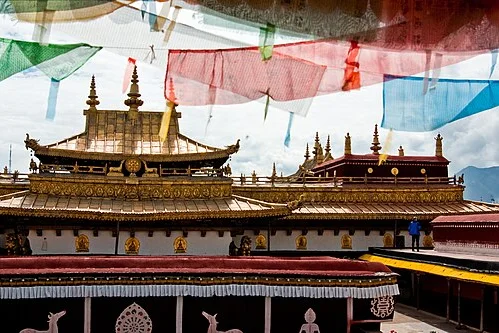
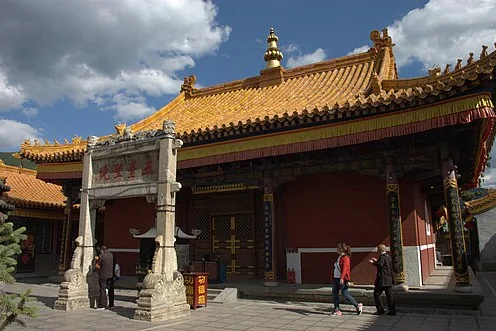
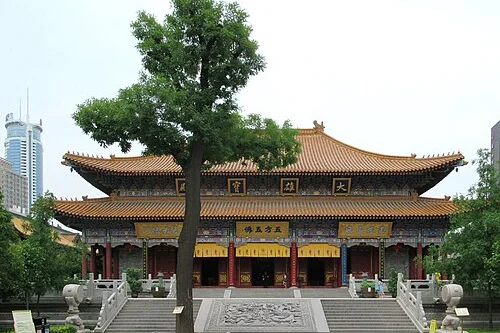
Located in the northwest corner of the Xi'an city wall, it is an important temple for Tibetan Buddhism in Shaanxi Province. The layout, sculptures and scripture collections show the characteristics of Tibetan-Chinese cultural exchanges.
- Which principal figures and traditions can I explore?
The main sequence of the temple introduction is Thousand-Hand Guanyin Hall, Green Tara Hall and Master Tsongkhapa Hall. The identities of Bodhisattvas and Patriarchs should be recognized separately.
- Was the twelve-year-old life-size statue moved from the original statue in Lhasa?
Our temple copied the twelve-year-old life-size statue of Buddha in 2006. The copy is different from the original image, which does not mean that the original image of Jokhang Temple was moved to Xi'an.
- Location
- Xi'an, Shaanxi·Northwest corner of the city wall
- Imperial construction time
- The 42nd year of Emperor Kangxi’s reign in the Qing Dynasty, 1703
- Notable figures venerated
- Thousand-Hand Guanyin, Green Tara and Tsongkhapa Patriarch
- Cultural characteristics
- Tibetan-Chinese architecture, statues and exchange of scriptures
In Guangren Temple, put the things you care about
Xi'an Guangren Temple puts the learning traditions of Thousand-Hand Guanyin, Green Tara and Tsongkhapa Patriarch in a specific temple; facing life in a foreign land, studying and family concerns, you can understand compassion, courage and seeking advice respectively.
Courage and stability in change
Understand the compassion of Green Tara and write down the support needed for moving, traveling or a new stage.
Continue to learn →Understand the roles of the three palaces
Thousand-Armed Guanyin, Green Tara and Tsongkhapa have distinct identities; explore each separately.
Continue to learn →Compare Beijing Yonghe Temple
Both belong to Tibetan Buddhist culture, and each has its own history, palace and family connections.
Continue to learn →Guangfu kindness within the city walls, construction and cultural exchanges in the Qing Dynasty
Guangren Temple was built by Emperor Kangxi of the Qing Dynasty in 1703. The name of the temple means widespread kindness. The space located in the northwest corner of the Xi'an city wall connects it with the ancient city streets, city walls and people passing by. The history of this temple should start from the specific construction, rather than just pushing it back to the Tang Dynasty just because Xi'an is ancient.
The layout and sculptures of the temple combine Tibetan and Chinese characteristics, and the imperial stele pavilion and the temple behind form a connection between text and space. Different traditions meet in building materials, shapes and titles. What is left is not a unified style that can erase differences, but a history of continuous exchanges.
The uniqueness of Guangren Temple is that it provides another clue to understand the Buddhist culture of Xi'an. The Tang Mi tradition of Daxingshan Temple, the Taoist culture of Baxian Palace and the Tibetan theme of Guangren Temple each have their own history and identity; they are both in the ancient city and should not be replaced with each other based on similar wishes.
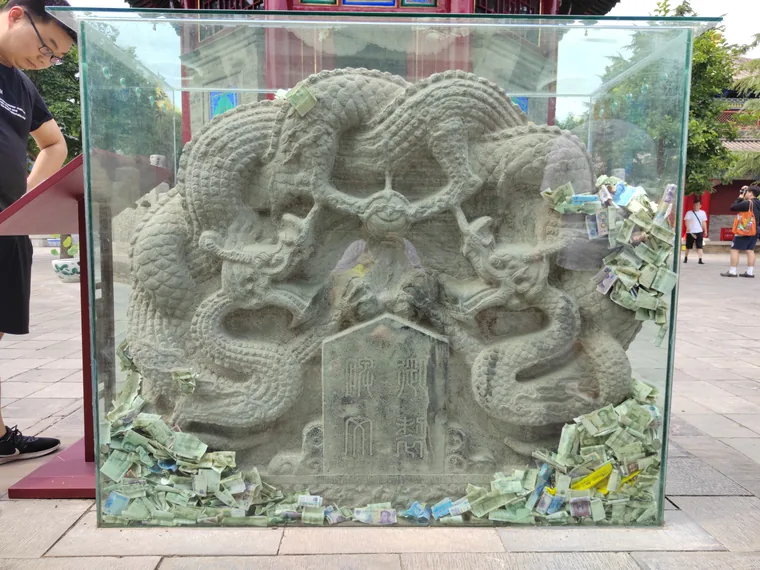
Follow history and understand Guangren Temple
- 1703
Imperial Construct Guangren Temple
The temple was built in the 42nd year of Emperor Kangxi of the Qing Dynasty. The name of the temple is associated with the meaning of kosen-rufu benevolence.
- Early 21st century
Restoration of the mountain gate and the space in front of the temple
The layout of the temple is continuing during the restoration, and spaces such as the mountain gate and the square in front of the temple have been renovated.
- 2006
Reproduction of Buddha statues and historical figures
The reproduction of the life-size statue of the twelve-year-old Buddha and the statue of Princess Wencheng have become new clues to the cultural exchanges between Tibetan and Chinese.
Guanyin, Tara and Patriarch met each other in the temple
Thousand-Hand Guanyin Hall, Green Tara Hall, and Master Tsongkhapa Hall enter the main space of the temple in sequence. Guanyin expresses extensive compassion with his many hands and eyes, Green Tara carries hope in the face of difficulties with the tradition of salvation, and Tsongkhapa preserves the memory of Gelug practice as a patriarch. Different themes give rise to care, courage and curiosity.
Thousand-Hand Guanyin's many-handed figure expresses a response to many needs. Green Tara also has a distinct position in Tibetan Buddhist culture. When paying respects, you can focus on courage, care and stability of mind; there is no need to reassign each image to a fixed function of seeking wealth, examination or relationship results.
The significance of the Patriarch's Hall makes people turn their attention from wishes to learning. The meaning, methods and Sangha inheritance require long-term teaching and practice. Ordinary people can also organize their own direction from this: what they still don’t understand, what habits need to be adjusted, and what principles they already understand are ready to be implemented seriously.
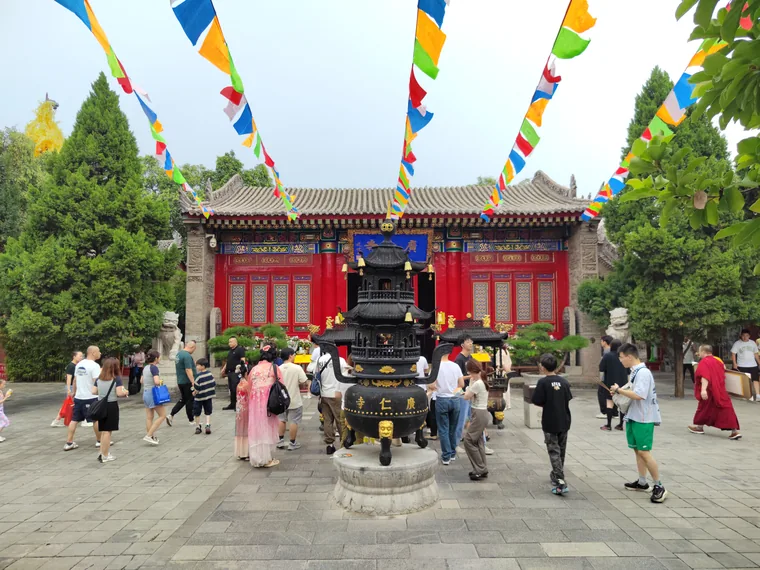
Sutras and replicas record the journey of words and images
The scripture collection preserved by Guangren Temple includes Tibetan and Chinese versions. Engraving, sorting and preservation enable the spread of Buddhist knowledge in different languages. The version date of the scriptures may be different from the time when the temple was founded. To understand the culture of ancient temples, it is also necessary to separate the origin of a collection from the evolution of a building.
In 2006, the life-size statue of the twelve-year-old Buddha and the statue of Princess Wencheng were copied to increase the content of image communication in Guangren Temple. The reproduction continues learning and respect with new production, and Princess Wencheng preserves the characters and exchange memories; Xi'an Guangren Temple and Lhasa Jokhang Temple each have their own location and history, and the related images make the cultural connection between the two places more visible.
After words and images travel far away, they still need to be understood in specific people and lives. When you write your thoughts for your studies, your family, or distant relatives and friends, you can not only express your concern, but also explain your response: you are willing to listen more, learn more, and act promptly when you can help, so that kosen-rufu's kindness can have a daily dimension.
In Guangren Temple, where Tibetan and Chinese meet, distinguish between compassion and practice
Guangren Temple is located in Xi'an, Shaanxi. The Thousand-Hand Guanyin Temple, Green Tara Temple and Master Tsongkhapa Temple present their own themes. The exchange between Tibetan and Chinese is the background to understanding the monastery. It does not mean that you need to understand the special rituals before you can seriously express your wishes; first understand the characters and the temple, and you will have a clear entrance to reading.
When you are concerned about your loved ones, you can use Guanyin's compassion to describe care and mutual understanding; when you experience a move or job change, you can use Green Tara's rescue theme to express stability and courage; when preparing for exams, research or professional growth, you can combine the ancestors and learning traditions, and be willing to patiently seek advice and gain a deeper understanding. Each wish can bring its own details of life.
Guangren Temple, Yonghe Temple and Lhasa's temples have distinct locations and traditions. Respect your original connection and devotional customs when choosing. For thanks at the original temple or special rituals, explain the promise and confirm the scope; a basic visit does not automatically include initiations, teachings or courses.
Understanding the halls and the figures within them
| Palace or space | Figures and cultural roles |
|---|---|
| Thousand-Armed Guanyin Hall | Thousand Hands Guanyin Bodhisattva |
| Green Tara Temple | Green Tara |
| Master Tsongkhapa Temple | Tsongkhapa Patriarch |
Thousand-Armed Guanyin Hall
Principal figures: Thousand Hands Guanyin Bodhisattva
Thousand Hands and Thousand Eyes Guanyin is the image expression of Guanyin (Avalokiteshvara)'s compassionate will: the many eyes symbolize seeing the different sufferings of all living beings, and the many arms symbolize the widespread relief. It turns the sound of rescuing the suffering into a visible image, so that family members can be healthy, have support in difficult situations, and have someone to take care of them, which has become a familiar prayer for the public. It also reminds people to cherish their ability to care for others.
Guangren Temple Thousand-Hand Guanyin Temple is located behind the Royal Stele Pavilion, allowing the history of the temple and compassion to meet in the visiting sequence. Many hands and eyes turned the willingness to respond to a wide range of needs into statues, and also gave the family peace, concern in both places, and hope for help in difficult times. Subsequently, the themes of Tara and Patriarchs unfolded different aspects of rescue, meditation, and inheritance.
Associated wishes: It can be used to wish relatives and friends smooth care, physical and mental stability, and safe travels, expressing the concerns that you want to convey the most. If you have been cared for by others, you can also express your gratitude for the good deeds. May the helper be well and let your compassionate mind remember both the person who gave and the person who received care.
Green Tara Temple
Principal figures: Green Tara
Green Tara is an important female Buddhist deity in Tibetan Buddhism. She is revered for her compassion, rescue and quick response to difficulties. The green image and the theme of salvation enable people to rely on peace in the face of fear, uncertainty and travel, and also hope to increase their courage to face difficulties. Knowing Tara, this wish can be understood in the context of the tradition of caring for the needs of all sentient beings and acting compassionately.
Guangren Temple Green Tara Hall provides a specific entrance to understand the Tibetan culture of this temple. Guanyin, Tara and Tsongkhapa each carry out the themes of compassionate aid, practice and teaching, so that when life turns around, they can not only pray for stability, but also care about themselves and ask for good deeds. The culture of the main deity and the location of the temple together make the wishes clear. Green Tara is different from Patriarch Tsongkhapa. The former’s compassionate rescue and the latter’s inheritance and teachings have different backgrounds, and cannot be confused as the same identity just because they are in the same hospital.
Associated wishes: can explain the changes you are most worried about, praying for peace, courage and appropriate support. When you first arrive overseas or are temporarily separated from your family, you can also wish each other stability and hope that you will have good care around you and feel less lonely. When facing an unfamiliar environment, you can express your hope that someone will guide you, keep your courage, and be willing to take care of those you are traveling with.
Master Tsongkhapa Temple
Principal figures: Tsongkhapa Patriarch
Master Tsongkhapa is the founder of the Gelug sect of Tibetan Buddhism, which attaches great importance to precepts, listening and contemplation, and step-by-step practice. Guru commemoration not only allows people to know a religious master with his life and works, but also makes it concrete how the teachings can be continued through study, thinking and practice. People can rely on this to hope to meet good teachers, grow in wisdom, improve their studies, and be firm-minded in the face of difficulties.
Guangren Temple Master Tsongkhapa Temple preserves the Gelug sect’s learning heritage in memory of the ancestor. The life and teachings of the master make listening, thinking, and meditation not just terms, but also a path of learning that can be aspired to: listen carefully, understand patiently, and then put what you have learned into practice. This prays for academic advancement, meeting good teachers, and long-term growth. It has a clear character and traditional background.
Associated wishes: You can write down the direction you are studying, thank those who have taught you, and pray for concentration, humility and trustworthy guidance. If you encounter stagnation in the new environment, you can also retain the courage to ask for advice and accumulate patience, so that learning can become sustainable growth.
Write down the concerns in culture as your own wishes
Let compassion become concrete help
Thousand-Armed Guanyin Hall · compassion
Thousand Hands and Thousand Eyes Guanyin connects seeing suffering with giving help. The statue with many hands and eyes expresses compassion and can face many needs. Guangren Temple Guanyin has a concrete intention to care for his family members. He is willing to take care of his family in a timely manner, get along well with others and be understood, and he is also willing to support those who help him. This tradition can accommodate overseas families' daily thoughts about their relatives far away.
It can explain the care that relatives and friends need most, praying for physical and mental stability, mutual help and good luck. You can also express your gratitude for your continued companionship, and hope that you retain understanding and patience, so that the feelings expressed to Guanyin can be specific to the life situation and people's efforts.
Example of wish expression
I hope that those who care about me will receive timely help, and I hope that I will hear clearly what they need first; those who can share the burden will share it seriously, and not just keep my concern in my heart.
Face changes with more courage and stability
Green Tara Temple·Compassion and Rescue Theme
Green Tara is revered in Tibetan Buddhism for her compassionate salvation, and the tradition connects courage and peace in the face of fear and distress. Guangren Temple Tara Temple's wishes for changes in life have a clear target: I hope that the situation will gradually stabilize and receive support, and I hope that I will still have the strength and clarity to face the unknown. Leaving home, moving, and changing jobs can all be expressed this way. The transition of life in a foreign land may be a new language, a new job, or settling down alone; writing about these specific situations can make prayers more relevant to real needs.
Explain the new stage you or your loved ones are entering, the step you are most concerned about and the help you need. You can also make up for the preparations you have made carefully.
Example of wish expression
I hope that I will gradually settle down in the new city, and that I can get appropriate help when I encounter difficulties. I also hope that I will have the courage to ask for advice and prepare patiently. I hope that my family far away will feel at ease, and that we can still take care of each other in a timely manner.
Keep a humble heart while studying
Master Tsongkhapa Hall · Patriarch and study themes
Tsongkhapa attaches great importance to listening, thinking, cultivating and discipline. The memory of the ancestors allows learning to connect teaching, thinking and practice. This heritage preserved by Guangren Temple provides a cultural background for examinations, professional learning, and understanding of life: I wish to meet a good teacher, I wish to focus my mind, and I wish to cherish what I have learned and remain humble. Learn to care about growth and remember the people who support you.
You can write about the topics you are trying to understand, thank the teachers who gave you the direction, and pray for their well-being. If you are learning different languages or knowledge overseas, you can also be patient and ask for advice, so that your existing experience and new understanding can complement each other.
Example of wish expression
I hope that I will be honest and ask for advice when I don’t understand, and practice it seriously after I understand; I will cherish the teacher’s teachings and give myself the patience to accumulate solidly.
Give a response to the concern from afar
Guanyin’s caring theme and Tibetan-Chinese exchange culture
The compassionate themes of Guanyin and Tara both care about the needs in different situations. The Tibetan culture of Guangren Temple also gives historical meaning to travel, exchanges and inheritance. When wishing for family members far away, you can pray for safety, help in difficulties, and hope that each other's concerns will be heard tenderly. The loneliness and inconvenience caused by distance can be cared for concretely in our hearts.
You can write down the names and current situation of your relatives far away, explain what you want them to know most, and pray for smooth care and smooth relationship. You can also thank the relatives and friends who are helping you locally, and wish them good health, so that the blessings of the two places can connect a real support network.
Example of wish expression
May our family members far away be safe, and may we have more contact and understanding. Even if we are far apart, remember to greet each other seriously and hear each other's daily life.
In the image, continue to get to know each other Guangren Temple
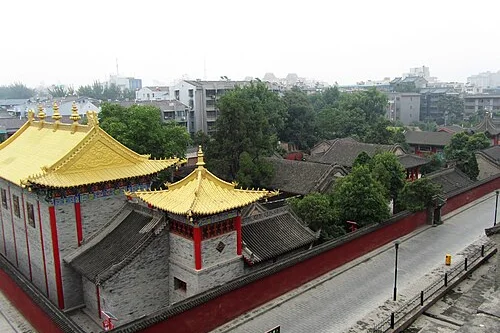
Aerial Photography Guangren Temple: The only Tibetan Buddhist temple in Xi'an. The Sutra Pavilion is of high standard and has the only gold-tiled hall in Shaanxi Province.
Understand the courtyard, roof and urban environment of Xi'an Guangren Temple through aerial photography.
成博士陕西旅游 · Bilibili · in Bilibili Watch original video
The video focuses on Guangren Temple in Xi'an, not the temples of the same name in other cities. Aerial photography is used to supplement the architectural scale, mainly for understanding the identities of Green Tara and different temples in conjunction with the main text.
If playback is restricted by the network or platform, the original video entrance can be used.
Commissioned services and fees
$220 USD · Basic service fee
In Guangren, Xi’an, I wrote down my thoughts on compassion and cultivation.
The basic commission includes tickets, incense, Buddha worship and making wishes; pictures and video visit records correspond to the specific temple, the selected offerings and this commission, and are delivered privately.
You can also entrust your family together. It is recommended that there be no more than 3 people per order, so that you can express your feelings one by one.
A private visit record will be provided 1-2 working days after the service is completed.
Anxin provides entrusted services independently and does not represent the temple. Basic entrustment does not automatically include initiation, Dharma transmission, specific study activities or other monasteries in Lhasa, special needs must be confirmed first.
Select your wish, desired date and offerings and submit the request, then add official customer service for verification. Submission does not mean successful reservation, payment or seat reservation.
Yes Submit request and confirm with our team . There is no need to log in for consultation; the appointment has not been successful after submission.
About Guangren Temple , you may also want to know
Is Guangren Temple located in Xi'an or Lhasa?
This page refers to Guangren Temple in the northwest corner of Xi'an City Wall. The Tibetan cultural connection does not mean that it belongs to the same compound of a monastery in Lhasa.
Was Guangren Temple built in the Tang Dynasty?
This temple was built by imperial decree in 1703 and belongs to the construction history of the Qing Dynasty. The age of the ancient city of Xi'an and the founding time of this temple need to be explained separately.
Are Green Tara and Tsongkhapa the same identity?
No. The theme of Tara and the lineage of the Patriarch have their own places respectively. Tsongkhapa should be recognized as the Patriarch and should not be confused with the Bodhisattva.
Is the twelve-year-old life-size statue the original statue of Jokhang Temple?
The statues related to this temple were copied in 2006, which does not mean that the original statues of Jokhang Temple in Lhasa were moved to Xi'an.
Is the statue of Princess Wencheng another principal religious figure?
Princess Wencheng is first and foremost a historical figure and cultural exchange clue. She cannot be directly equated with Buddha or Bodhisattva just because there are related statues in temples.
Does the commission include initiation or transmission?
Basic commissions do not automatically include these academic and ritual activities. Please explain your special needs first, and then confirm the appropriate scope and arrangements.
Which themes at Guangren Temple relate to study abroad or adapting to work overseas?
You can understand the compassionate rescue of Green Tara and the spiritual theme of Patriarch Tsongkhapa, and then write about the most difficult thing to adapt to at the moment, the guidance you hope to get, and your continued preparation.
If you are not familiar with Tibetan Buddhist titles, how should you fill in your wishes?
Just use your own words to explain clearly who you are for, what you encounter, and how you want to be stable. If you remember the name of the palace or the person you are paying homage to, you can explain it at the same time. There is no need to use unfamiliar terms for the sake of formality.