Quick understanding
- What is the most distinctive theme of worship at Famen Temple?
Offering Buddha finger relics is an important tradition here, which is related to the respect for Shakyamuni Buddha. The treasure letters, offering vessels and inscriptions unearthed from the underground palace in the Tang Dynasty also preserve the historical clues of this tradition.
- Are the True Body Pagoda and the Namaste Relic Pagoda the same building?
No. The True Body Pagoda is connected to the ancient temple and the Tang Dynasty Underground Palace, and has experienced collapse and reconstruction; the Namaste Relic Pagoda is a modern building, and was completed and relic enshrined in 2009.
- After seeing the introduction of the underground palace cultural relics, can I guarantee that I will see the relics on the same day?
No. There are separate arrangements for historical excavations, cultural relic exhibitions and specific holidays. The specific location, opening and imaging range need to be confirmed separately.
- Location
- Baoji, Shaanxi·Fufeng Famen Town
- Salute Tradition
- Shakyamuni Buddha and Buddha finger relics as offerings
- Important findings
- Archeology of the Tang Dynasty Underground Palace in 1987
- Spatial difference
- Ancient temple pagoda, treasure display and modern stupa
In Famen Temple, put the things you care about
Famen Temple connects Buddha's memory, blessings and cultural heritage with the Buddha's finger relics and the Tang Dynasty underground palace cultural relics. When wishing for family members, expressing gratitude to ancestors, or praying for the Qingming Festival, you can first clearly understand the relationship between ancient temples, pagodas, and display spaces.
Family stability and peace of mind
Based on the Buddha's teachings and relic reverence, write down the care of your loved ones and the direction of your life.
Continue to learn →Distinguish between ancient pagodas and modern stupas
The original underground palace, modern buildings and treasure displays each have their own eras and functions.
Continue to learn →From wishing to thanking
Review the original wishes and changes that have occurred, and then sort out the thanks and continued commitment.
Continue to learn →A pagoda was built for the relics, and readable physical evidence was left behind for the offerings in the Tang Dynasty
There are different stories about the early origins of Famen Temple. The royal reception of Buddha bones in the Tang Dynasty and the construction of the temple constitute a distinct history. The Buddha's finger relics are respected according to the Buddhist reverence tradition, and the pagoda, container, inscription and offering activities jointly preserve the culture. From architecture to artifacts and texts, we can more fully understand how faith and society are connected.
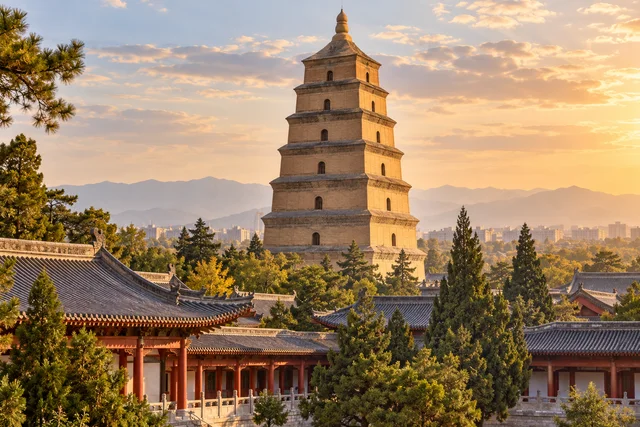
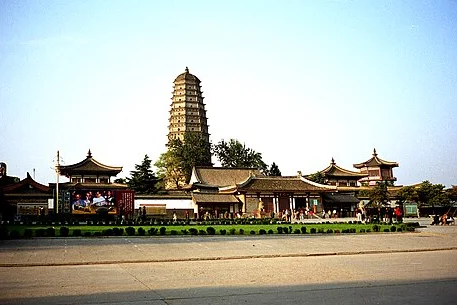
The Zhenshen Pagoda had different stages including wood and brick, and in the Ming Dynasty, a high-rise brick pagoda was formed. In 1981, half of the tower collapsed, and subsequent reconstruction preparations led to the cleaning of the tower base; a construction crisis also provided an opportunity to re-understand the Tang Dynasty underground palace.
The offerings and inscriptions in the underground palace under the tower make documents, materials and space corroborate each other. The names, inscriptions and placement relationships of artifacts can help to understand the etiquette, craftsmanship and social life of the Tang Dynasty; religious honorifics and archaeological research on artifacts, materials and ages each have their own levels of expression.
Follow history and understand Famen Temple
- Tang Dynasty
Relic offerings and development of pagodas and temples
The royal greetings, offerings and temple construction form an important historical level of Famen Temple.
- 874
The underground palace in the Tang Dynasty was closed
Steles and archaeological records preserve historical clues to the support and sealing of the underground palace.
- Ming Dynasty
Brick Tower Rebuild Layers
The brick tower was formed after the old wooden tower was damaged, and was continuously repaired in later generations.
- 1981
Half of the pagoda collapsed
The destruction of the tower led to subsequent conservation, cleanup and reconstruction work.
- 1987
Archaeological Discovery of the Tang Dynasty Underground Palace
The cleaning of the tower base revealed the underground palace and a large number of supporting objects, and the recording and protection were carried out simultaneously.
- 2009
Completion and enshrinement of the Namaste Relic Pagoda
Modern architecture and worship activities add a new level to related cultural spaces.
Discovered in 1987, it’s not just the shining gold and silverware that’s precious
In 1987, the Tang Dynasty underground palace was discovered during the cleaning of the tower base. Subsequent archeology gradually revealed the relationship between the entrance, different chamber sections and storage. Discovery and conservation is not simply about removing treasures, but recording locations, preserving information and handling fragile materials, and requires the input of many people.
Multiple treasure letters, gold and silverware, glass, porcelain and silk fabrics present the rich layers of offerings and craftsmanship in the Tang Dynasty. The state of preservation of materials such as wood and silk is different from that of metal. The complete combination can be understood in conjunction with archaeological records. Today, it can be seen that the artifacts and historical enshrine structures have their own contents, which also makes people realize the importance of cultural relic protection and recording.
The treasure hall and cultural relics display allow the public to understand the artifacts unearthed from the underground palace. There are separate spaces for historical discovery sites, current exhibitions, and Buddhist observances. Cultural visits allow you to appreciate the craftsmanship of the Tang Dynasty and understand the history of offerings. The on-site arrangements for temple worship and special celebrations are confirmed separately, so that different needs have clear scope.
Ancient temple, cultural relics museum and namaste stupa, clearly explain the location and expectations
The modern Namaste Relic Pagoda entered the Famen Temple landscape with folded hands. In 2009, it was completed and the Buddha's finger relic was enshrined. It, together with the Zhenshen Pagoda of the ancient temple and the original underground palace of the Tang Dynasty discovered in 1987, have respective times, shapes and functions. The remains of ancient offerings and the modern worship space together constitute today's cultural experience.
Famen Temple Temples, treasure displays and cultural attractions each have their own spaces and functions. Temple worship, cultural relic visits and special observances can be understood separately. The specific opening and image range are arranged according to the on-site arrangement. Explaining the location and needs when communicating about the entrustment will help to clearly match the intentions and feasible visits.
When writing a message for your family's stability, to honor your ancestors, or to have a clear mind, you can start with respect and genuine concern. It is not necessary to prove your sincerity through valuables or special projects, nor to turn the relic reverence into a guarantee of real results; the wish can also include the actions you are willing to undertake.
Recognize the relics and respect them clearly, and keep the specific thoughts in your life
Famen Temple is located in Fufeng, Shaanxi Province. It is famous for its Buddhist finger relics and artifacts from the underground palace of the Tang Dynasty. Respecting the relics is a tradition to commemorate the Buddha and cherish his teachings. The relics should not be written as another independent deity. Praying for blessings and wisdom, stability and gratitude to relatives and friends can be understood from this relationship.
The True Body Pagoda, the original Tang Dynasty underground palace, the modern Namaste Relic Pagoda and the treasure display each have their own era and space. Distinguishing them first will help you clarify your memories of the original temple and what you hope to express; cultural understanding and Buddhist ritual entrustment do not automatically mean that visits to all spaces have been arranged.
For family wishes, describe rest, companionship and support for caregivers. To give thanks, recall your original wish, what has actually changed and any promise. If you want a particular observance or ritual, check what is feasible with our support team first. A cultural introduction does not add unconfirmed services.
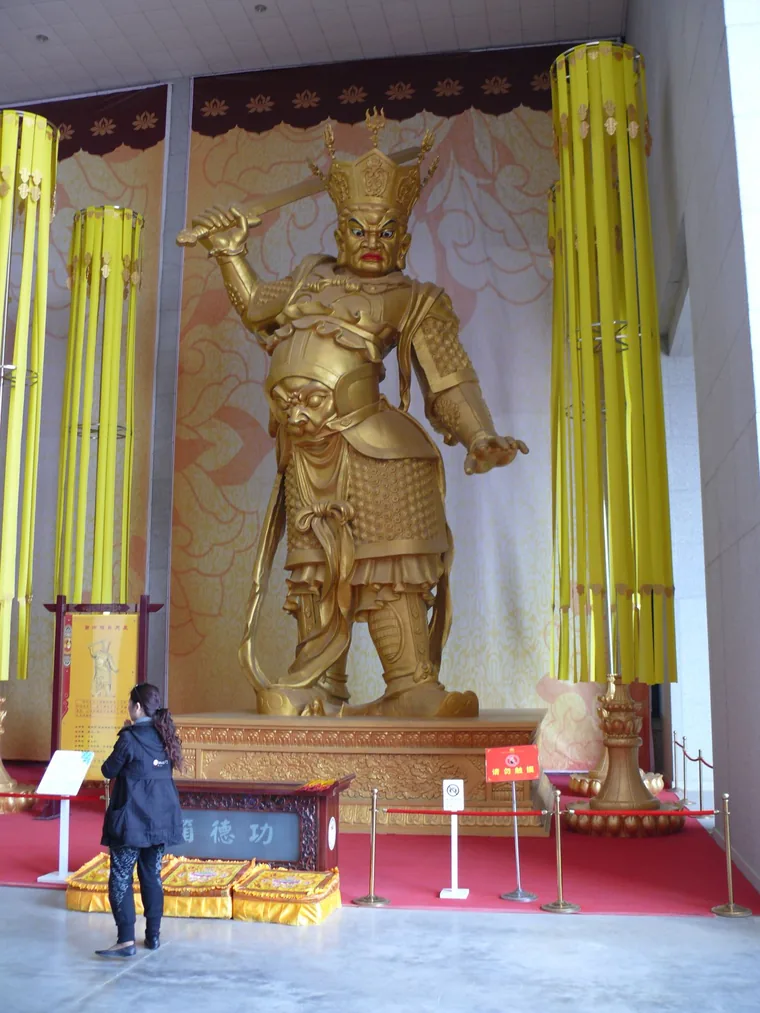
Understanding the halls and the figures within them
| Palace or space | Figures and cultural roles |
|---|---|
| Buddha pointing to the relic and paying homage to the stupa with folded hands | Shakyamuni Buddha·Buddha finger relic offering tradition |
| The True Body Pagoda and the Tang Dynasty Underground Palace | Ancient temple tower system, relic offerings and archaeological space |
| Treasure Hall and Tang Dynasty Offering Objects | Multiple treasure letters, offerings and cultural relics protection culture |
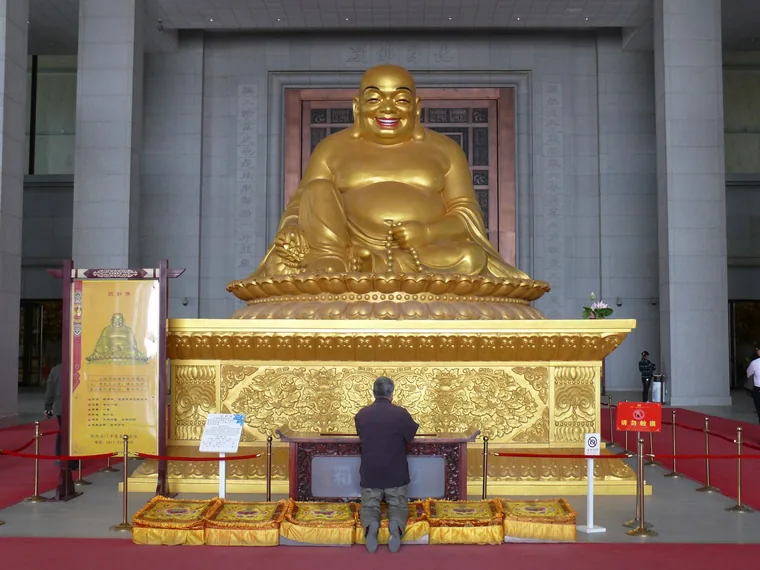
Buddha pointing to the relic and paying homage to the stupa with folded hands
Principal figures: Shakyamuni Buddha·Buddha finger relic offering tradition
Shakyamuni is the founder of Buddhism. The Buddha's enlightenment story starts from facing the troubles of life, emphasizing the understanding of troubles, the growth of wisdom and compassion. When paying homage to Shakyamuni Buddha, common thoughts include increased blessings and wisdom, physical and mental peace, family peace, and reduction of worries; the teachings represented by the statue also provide a background for learning, reflection, and facing life's transitions. Buddha finger relic offerings center on respect for the Buddha and his teachings, preserving the tradition of commemorating, being grateful and cherishing the Buddha's teachings.
Famen Temple The Namaste Relic Pagoda was completed in 2009 and an enshrinement ceremony was held to present the Buddha's finger relics in a modern architecture. Its space and the original underground palace of the Tang Dynasty have their own eras and functions. The specific location, time and visible method of the ceremony will be arranged on site. Understanding this tradition, one can express the stability of relatives and friends, gratitude for ancestors, and pursuit of clarity in the heart of cherishing teachings and living seriously. The Buddha's finger relics are worshiped in connection with the commemoration of Shakyamuni Buddha, and there should not be another "relic god" identity separate from the Buddha; the specific space still needs to be distinguished from the ancient pagoda and the display of cultural relics.
Associated wishes: You can pray for your family’s well-being, inner clarity and gratitude, and explain the people and situations you care about most. If you wish to have a special ceremony, you can first explain your needs and confirm the actual arrangements on site so that the ceremony can be clearly matched with the feasible visit. You can write down your family members' well-being, seeking clarity of mind, and expressing gratitude to your ancestors respectively, keeping the people you care about and the true situation.
The True Body Pagoda and the Tang Dynasty Underground Palace
Cultural role: Ancient temple tower system, relic offerings and archaeological space
In Buddhism, the pagoda is closely connected with relic enshrining, commemoration and worship. The underground palace under the pagoda also preserves ancient offerings and texts. Famen Temple, the True Body Pagoda and the Tang Dynasty Underground Palace, enable belief traditions to be recognized together with specific archaeological discoveries. The discovery in 1987 brought the long-sealed history of feeding back into public view, and also demonstrated the value of recording, protection and research.
The Zhenshen Pagoda has been rebuilt. Today, the pagoda body, the original underground palace of the Tang Dynasty and the unearthed artifacts each have their own historical levels. By reading these spaces based on the relationship between pagodas and temples, we can understand how offerings are preserved through buildings, utensils and inscriptions, and we can also thank those who have long-term and careful protection. Entry to the site and designated photography are subject to on-site conditions, and cultural visits can start with a clear relationship between the times.
Associated wishes: It can be used to express gratitude to predecessors, teachers and cultural preservers, and hope that important memories will be properly taken care of. If you wish to enter a specific heritage space or record cultural relics, you can explain your need and then confirm the methods and scope allowed on site.
Treasure Hall and Tang Dynasty Offering Objects
Cultural role: Multiple treasure letters, offerings and cultural relics protection culture
Multiple treasure letters, offerings and inscriptions jointly preserve the solemn and historical information of Tang Dynasty salute. The layers of enshrining reflect the cherishment of the relics, and the gold and silver craftsmanship embodies the knowledge and labor of the craftsmen. The cultural value of the treasure house thus combines belief, art and protection, allowing the public to understand how cultural relics move from underground discovery to preservation, research and display.
The artifacts unearthed from the Famen Temple underground palace have been subsequently protected and displayed. The fragility of the materials, the records of the inscriptions, and the combination of the artifacts can all help to understand the history of offerings. Originals, reproductions, and actual exhibitions have different scopes. Visitors can respect on-site instructions and protection arrangements. Thinking about learning and inheritance from these artifacts, we can also cherish the patient work of archaeologists, organizers and restorers.
Associated wishes: I would like to express my sincere gratitude to Kang Ning, a person who has persevered in learning, has a deep understanding and preserved, and is also grateful to those who have helped me understand culture. If there are designated exhibits or photography needs, you can first confirm the visibility and permission range of the site, so that cherished culture can be implemented in a visit that respects protection.
Write down the concerns in culture as your own wishes
May your heart be clear and face life seriously
Buddha and relic worship theme
The core of Buddha finger relic worship is to commemorate Shakyamuni and cherish the Buddha's teachings. The Buddha's teachings are also concerned with increasing wisdom and compassion. Famen Temple can therefore provide a specific cultural background for seeking clarity: a willingness to recognize one’s own troubles, and a willingness to take seriously the situations of those around you, so that peace of mind and life responsibilities support each other. May you have a clear mind, or be willing to carefully understand the situation and be kind to those who share the responsibility when facing changes in work, family or life.
Describe the part of life that most needs stability, what you hope to understand and whom you want to thank. If giving thanks after a wish comes true, add what has actually changed.
Example of wish expression
May I have a clear mind when facing changes in my life, be able to patiently understand the situation, and take responsibility seriously; may my family be healthy and take care of each other, and may I never forget the help I have received, and keep gratitude in my daily actions.
For the stability of relatives and friends, I am willing to take care and take action
Relic offering tradition·Theme of care and well-being
Buddhism is compassionate and concerned about the sufferings of all living beings, and relic offerings also carry blessings of blessings, wisdom and peace with respect for the Buddha's teachings. The relatives and friends of Famen Temple can hope for physical and mental health, care and support, and hope that those who care will be considered. The concerns of overseas families can be solemnly expressed in this tradition.
It can explain the current care needed by relatives and pray for stability, good luck and smooth care. You can also thank the medical staff, family members or companions for their efforts, wish them good health, and bless both those who receive and those who give help.
Example of wish expression
May your family be safe and receive appropriate care when needed. I also hope that I can be more patient in contacting you and put my concern on real and specific needs.
Remember the ancestors and cherish those who can still accompany you
Buddhist culture of respect and gratitude and remembrance
Respecting relics preserves remembrance and gratitude, and the Buddhist view of impermanence reminds people to cherish companionship and the continuation of goodwill. The memorial wish of Famen Temple can therefore thank the deceased, wish him peace, and hope that those who are still with him can support each other. The solemnity of commemoration can preserve the specific experience and allow the thoughts to be carried softly.
You can write the name of the person you miss and an unforgettable care, to express your gratitude and unfinished words. If you are overseas and unable to say goodbye in person, you can convey it in a familiar language. I hope your family will be understood in commemoration and cherish the relationship that can still be responded to today.
Example of wish expression
I am grateful to those who have taken care of and supported me. May I remember the warmth, cherish the people I can still contact, and continue to pass on the goodwill I received.
Respect the inheritance and be willing to patiently seek verification
Underground Palace and Treasure Display·Cultural Protection Theme
The underground palace of the Tang Dynasty and the offering utensils make the history of Famen Temple not only a place of faith, but also a record of writing, craftsmanship and archeology. To understand the different eras of the pagoda, underground palace, and treasure letter, you need to patiently understand the evidence and materials so that the culture can be accurately taught. The desire to learn can thus cherish the efforts of those who seek proof, mentors, and those who preserve knowledge.
You can write down the areas you most want to learn more about, and pray for focus, humility and trustworthy guidance. You can also thank teachers and cultural protectors, and wish them well and let their pursuit of knowledge continue to bring respect for history and different experiences.
Example of wish expression
Thanks to those who patiently recorded, protected and taught. May I respect the facts, seek verification carefully when I have questions, and use what I have learned to help others.
In the image, continue to get to know each other Famen Temple
Famen Temple visit record. Famen Town, Fufeng County, Baoji, Shaanxi
Follow the visit record to see the temple and cultural space of Famen Temple in Fufeng, Shaanxi.
模玩长安 · Bilibili · in Bilibili Watch original video
The video belongs to the author’s Baoji visit record. Temples, real body pagodas and related museums have different functions. Relic relics are understood in traditional culture, and the old display arrangements cannot be regarded as current service commitments.
If playback is restricted by the network or platform, the original video entrance can be used.
Commissioned services and fees
$227 USD · Basic service fee
At Famen Temple, write down your thoughts for respect, care and gratitude.
The basic commission includes tickets, incense, Buddha worship and making wishes; pictures and video visit records correspond to the specific temple, the selected offerings and this commission, and are delivered privately.
You can also entrust your family together. It is recommended that there be no more than 3 people per order, so that you can express your feelings one by one.
A private visit record will be provided 1-2 working days after the service is completed.
Anxin provides entrusted services independently and does not represent the temple. Special relic displays, close-up shots of cultural relics, visits to all scenic spots and special Dharma sessions are not automatically included in the basic commission.
Select your wish, desired date and offerings and submit the request, then add official customer service for verification. Submission does not mean successful reservation, payment or seat reservation.
Yes Submit request and confirm with our team . There is no need to log in for consultation; the appointment has not been successful after submission.
About Famen Temple , you may also want to know
In what year was the underground palace of Famen Temple discovered?
The Tang Dynasty Underground Palace was discovered during the cleaning and archaeological work of the tower base in 1987. Since then, the unearthed artifacts have been protected, studied and displayed.
Are the True Body Pagoda and Namaste Relic Pagoda the same tower renamed?
No. They have different architectural shapes and ages. The Zhenshen Pagoda is connected with the ancient temple and the underground palace of the Tang Dynasty, while the Heshi Relic Pagoda is a modern building.
Is the modern stupa underground palace the Tang underground palace discovered in 1987?
No. The enfeng space under modern architecture must be recognized separately from the underground palace of the Tang Dynasty found under the ancient temple tower.
Are the number of visible layers in the photo of the multiple treasure letter equal to the number of layers in the original structure?
Not necessarily. Materials such as wood may have been decayed when unearthed, and the visible parts and the original complete structure of the artifact need to be understood in combination with preservation and archaeological records.
Is visiting the Treasure Hall equivalent to completing the entire temple ceremony?
There are separate arrangements for the display of cultural relics, worship in temples, and specific relic festivals. It cannot be automatically presumed that all items are included from one visit.
Does the basic entrustment guarantee that you can see the relics or take close-ups on the same day?
Not guaranteed. The scope of display, opening, ceremony and shooting must be confirmed separately according to actual conditions, and special needs must be explained in advance.
Does paying respects to the Buddha's finger relic mean honouring a new Buddha or deity?
It should be understood from the perspective of commemorating Shakyamuni Buddha, cherishing the tradition of teachings and offerings, and not treating the relic as another independent deity. Your family’s stability, clarity and gratitude can be expressed in your own words.
What should I tell you when arranging to give thanks at Famen Temple?
First write down the original specific location, original wishes and agreement of thanks, and then talk about the changes and helpers that you want to thank now. If a specific celebration method is involved, the service scope and arrangements will be confirmed separately.