Quick understanding
- Which principal figures are venerated at Guangxiao Temple?
The main hall principally honours Shakyamuni with Guanyin imagery behind. Other spaces include Maitreya, Heavenly Kings, a reclining Buddha and commemoration of the Sixth Patriarch Huineng.
- What is the connection between the Sixth Patriarch Huineng and Guangxiao Temple?
Tradition links Hui Neng’s ordination here with the story of Feng Banner. The Sixth Patriarch Hall, Bodhi Tree and Qifa Pagoda jointly preserve the memory of this ancestor. Story telling and construction dates should be recognized separately.
- Are the Iron Tower and the Sutra Tower from the same period?
No. The Dabei Building has clues about its construction in the Tang Dynasty, the East and West Iron Towers are relics from the Southern Han Dynasty, and other palaces have different levels including the Song, Ming and Qing Dynasties.
- Location
- Guangxiao Road, Yuexiu District, Guangzhou, Guangdong
- Traditional clues
- Memory of the Sixth Patriarch of Zen Buddhism, Hui Neng, who received the ordination
- Important cultural relics
- Qifa Pagoda, Tang Dynasty Sutra Building and Southern Han Dynasty Iron Pagoda
- Historical status
- Lingnan Buddhist Temple·National Key Cultural Relics Protection Unit
In Guangxiao Temple, put the things you care about
The Buddhist temple of Guangxiao Temple in Guangzhou and the memory of the Sixth Patriarch Hui Neng and Feng Banner have specific cultural origins for seeking knowledge, facing choices, family stability and gratitude.
See your heart clearly in the changes
Write clearly the choices at hand, the direction you want to keep, and the actions you are willing to take.
Continue to learn →Distinguish between Buddha and Patriarch
Shakyamuni, the Sixth Patriarch Huineng and different halls present their respective teachings and commemorations.
Continue to learn →Extend understanding of the inheritance of the Sixth Patriarch
Read separately from Nanhua Temple in Shaoguan to preserve the historical connections between different places.
Continue to learn →From the old ruins of Helin to the Zen memory of the Sixth Patriarch’s ordination
The history of Guangxiao Temple is closely connected with the history of Guangzhou city. The records of Yu Fan living here to give lectures and plant myrobalan seeds, as well as the tradition of his family leaving their house as a temple, connect the name of the temple to He Lin. Later names such as Qianming Faxing, Guangxiao and Guangxiao recorded the changes in the past dynasties.
The Sixth Patriarch Huineng was an important person who knew Guangxiao Temple. The story of the ordination and the wind flag brought this place into Zen memory. Spaces such as the Jifa Pagoda, the Hall of the Sixth Patriarch, and the Bodhi Tree carry tradition. They use commemorations of characters and Zen stories to inspire thinking about thoughts and understandings, and also keep teachings and local history connected.
Guangxiao Temple has also received eminent monks from different regions and has become a place for the spread and exchange of Lingnan Buddhism. Its value lies not only in a famous patriarch, but also in the long-term exchanges of knowledge, people and culture, giving a city temple a broader connection.
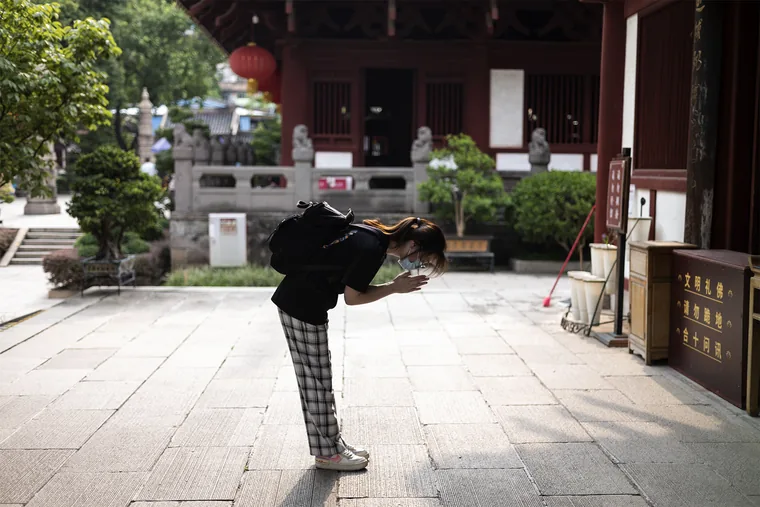
Follow history and understand Guangxiao Temple
- 676 years
Memory of the Sixth Patriarch’s ordination
Tradition links Huineng’s ordination at Guangxiao Temple with the Qifa Pagoda, which has become an important clue to the Zen culture of this temple.
- 826 years
Construction of Dabei Building
The age clues from the stone sutra blocks of the Tang Dynasty add a concrete layer to the Buddhist cultural relics preserved in this temple.
- 963-967
Nanhan Iron Tower
The west and east iron towers were cast successively, and the Buddha statues on the tower body and metal craftsmanship jointly reflect the construction of this period.
- Southern Song Dynasty
The name of Guangxiao
The evolution of the temple name gradually formed the name Guangxiao, which is recognized separately from the early titles such as Halin and Dharma.
- 1692
Clues for the construction of the Sixth Patriarch Hall
The architectural hierarchy of the Sixth Ancestor Hall during the Kangxi period of the Qing Dynasty continues the temple's commemoration of Huineng and the inheritance of Zen Buddhism.
- 1961
National Cultural Relics Protection
Guangxiao Temple was announced as a national key cultural relic protection unit.
In a temple, you can see the layers left over from many eras
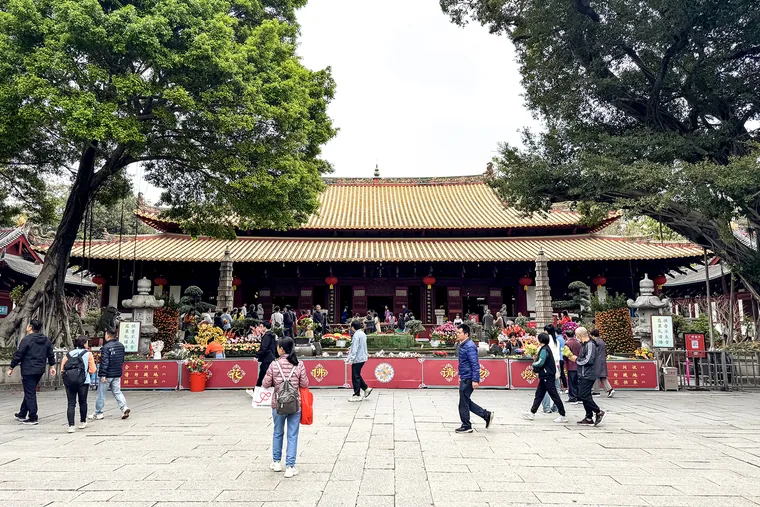
The Main Hall has historical clues that it was first built in the Eastern Jin Dynasty. It has been continuously renovated in the past dynasties, and the existing buildings retain the style of the Song Dynasty. The early construction of the temple and the later beams each have their own eras. The layer-by-layer restoration allows the continuation of the worship, and allows today's visit to understand the architectural appearance of the ancient temple formed in different generations.
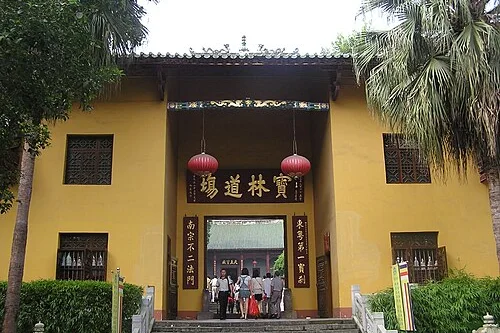
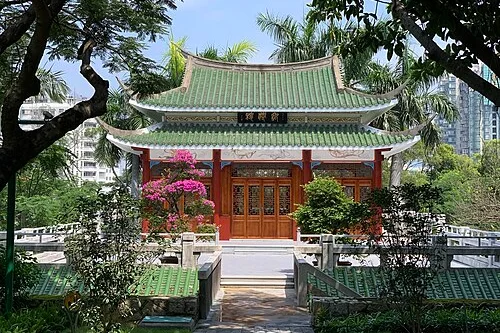
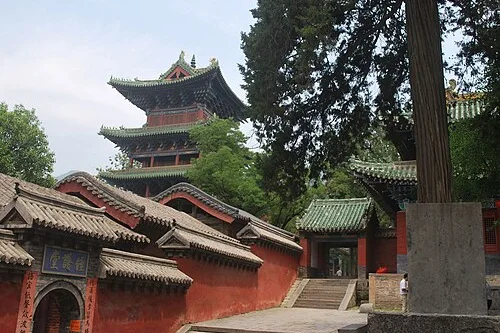
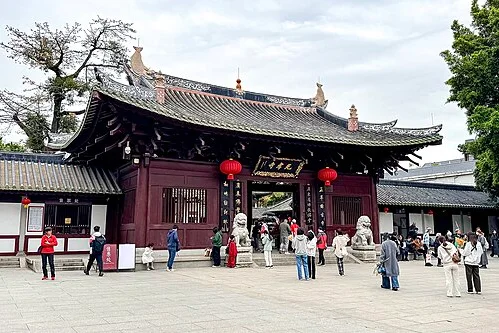
The halls on both sides, the Sixth Ancestor Hall at the rear, and the Bell and Drum Tower are all in different stages of construction. Ancient trees connect these spaces, and the eaves, corridors, stone foundations and courtyards together form the scale of an ancient Lingnan temple. If you pay more attention to the materials and construction when viewing, you will find that history is not just a uniform ancient appearance.
The Bodhi tree in the temple is connected with the memory of the Sixth Patriarch, and it also has the experience of being replanted and continued by future generations. Respect for ancient trees can include both cultural and natural aspects: remember the tradition and cherish the real life. It is not necessary to say that every existing tree is originally planted to this day.
Sutra pillars and iron towers allow Buddhist art to rest on specific materials
The Dabei Building retains clues of its construction in the Tang Dynasty, and the text and stone carvings jointly carry Buddhist scriptures. The sutra building is different from the Buddhist temple. It forms a cultural heritage with stone materials, shapes and characters. When understanding it, you can not only pay attention to the content of belief, but also see how the carvings are preserved over time.
The East and West Iron Towers come from the Southern Han Dynasty. The towers are decorated with small Buddha themes layer by layer, combining statues with metal casting. The preservation status of the two towers has its own characteristics. It not only records the craftsmanship, but also preserves the experience of damage, repair and protection of later generations. Viewing them side by side can give people a clearer understanding of how cultural relics continue through time.
The Qifa Pagoda is also famous for commemorating the ancestors, and has its own role with the Iron Pagoda and Sutra Tower. By understanding these relics separately, and then returning to the subject of worship such as Sakyamuni, Guanyin and the Sixth Patriarch, we can see Buddhist thought, personal memory and Lingnan craftsmanship at the same time, instead of just remembering a string of cultural relic names.
From the memory of the Sixth Patriarch, learn about Guangxiao Temple and your own life
Guangxiao Temple In Guangzhou, the story of the Sixth Patriarch Huineng and the Wind Banner is its vivid cultural memory. The realizations in the story make people think of seeing their own hearts clearly, and the Buddhist temple and the commemoration of the ancestors each have specific objects; when understanding, you can not only read the inspiration from the legend, but also retain the distinction between characters, temples and history.
To express your wishes for a career change, study, or interpersonal relationships, you can first clarify the things that need to be discerned most at hand: what kind of job you want to go to, how to respond to your family, or how to cherish your teachings. In this way, the culture studied by the ancestors is close to one's own life, and is not just an abstract "wisdom of enlightenment".
Guangxiao Temple in Guangzhou and Nanhua Temple in Shaoguan both commemorate the Sixth Patriarch, but they are different places connected to different experiences. If you made a wish at Guangxiao Temple, keep that temple, the figure you honoured and any promise when planning to give thanks. You can give thanks for what has changed before expressing your next hopes.
Understanding the halls and the figures within them
| Palace or space | Figures and cultural roles |
|---|---|
| Main Hall | Shakyamuni Buddha; Queen Guanyin theme |
| Tianwang Palace | Maitreya and the Four Heavenly Kings |
| Memorial of the Sixth Patriarch’s Hall and Jifa Pagoda | Sixth Patriarch Huineng |
| Sleeping Buddha Hall | Shakyamuni Reclining Buddha |
Main Hall
Principal figures: Shakyamuni Buddha; Queen Guanyin theme
Shakyamuni is the founder of Buddhism. The Buddha's enlightenment story starts from facing the troubles of life, emphasizing the understanding of troubles, the growth of wisdom and compassion. When paying homage to Shakyamuni Buddha, common thoughts include increased blessings and wisdom, physical and mental peace, family peace, and reduction of worries; the teachings represented by the statue also provide a background for learning, reflection, and facing life's transitions.
The main hall of Guangxiao Temple is centered on the image of Sakyamuni preaching, and behind it is Guanyin's compassionate care. The two statues together make teaching and response to distress echo each other. The construction and restoration of ancient temples over the years have allowed these traditions to continue to enter Guangzhou's daily life. Visitors can not only pray for clarity for themselves, but also for the well-being of their families, and express gratitude for the efforts of their predecessors in preserving teachings and architecture.
Associated wishes: You can pray for wisdom, good luck and peace of mind for your studies and important choices, as well as blessings for peace for your relatives and friends. If your work and life are often hectic, you can say what you want to see clearly, so that the Buddha's mind will not only take care of your own growth, but also cherish the feelings of those around you.
Tianwang Palace
Principal figures: Maitreya and the Four Heavenly Kings
Maitreya, free translation of Cishi, is the future Buddha in Buddhism. The common images of joy and cloth bags in the Han region make compassion and hope for the future appear close; the image of generosity also carries the desire for family harmony, good encounters, and a calm life. Paying homage to Maitreya can be understood from two clues: the expectation for a stable future and the wish to get along with others in good faith. The Four Heavenly Kings are the deities of Buddhism who protect the four directions and protect the practice of Buddhism.
Guangxiao Temple The Temple of the Heavenly King has Maitreya in the center, and the Heavenly King plays the protective role with different magical weapons. The front hall will be accompanied by a gentle welcome and solemn protection, and then enter the rear to pay homage to the main Buddha and the ancestors. This kind of spatial relationship enables auspiciousness in the new stage, peace of family relationships, and peace of travel to and from each other to have their own cultural basis in the same wish.
Associated wishes: You can pray for good luck in your new life and stability for your family, and also thank those who take care of you. Long-distance partners or transnational families can express their hope for gentle communication and smooth reunion, so that their expectations for the future can retain the meaning of kindness and protection.
Memorial of the Sixth Patriarch’s Hall and Jifa Pagoda
Principal figures: Sixth Patriarch Huineng
Hui Neng is the Sixth Patriarch of Zen Buddhism and is associated with the story of the wind banner, tonsure and hair loss memory at Guangxiao Temple. Zen Buddhism attaches great importance to the understanding of one's own mind. The questions and answers of Wind and Flags use external phenomena to draw people back to see how the mind participates in understanding. Therefore, the meaning of Patriarch is not only a title, but also about how to learn, be aware of troubles, and implement understanding into daily interactions and practice.
Cultural clues such as the Sixth Patriarch Hall, the Pagoda and the Bodhi Tree preserve the relationship between Huineng and Guangxiao Temple in different spaces. Through the characters, stories and memorial buildings, you can see the position of Guangzhou's ancient temples in the inheritance of Zen Buddhism. To pay tribute to the ancestors, you can be grateful for the teachings, wish to meet a good teacher, or pray that you will still be willing to reflect and learn amidst the chaos. The commemoration of the ancestors is different from the main deity of the Buddhist temple: as a figure of inheritance, the deeds of the Sixth Patriarch can help understand learning and spiritual cultivation, and cannot be directly equated with the identity of Shakyamuni.
Associated wishes: You can express your feelings for study concentration, work judgment and understanding your own emotions. You can also express your gratitude to those who have inspired you. If you face different experiences overseas, you can pray for fewer prejudices, deeper understanding, and let the ancestors take care of true learning and getting along with each other. When thanking teachers, sorting out career choices, or hoping to adjust the way you get along, you can write down which teachings you received help from, and how you would like to continue learning.
Sleeping Buddha Hall
Principal figures: Shakyamuni Reclining Buddha
The image of Shakyamuni lying on his side in the Temple of the Sleeping Buddha represents Nirvana. Nirvana is associated with the cessation and liberation of worries in Buddhism, and the peaceful lying posture turns this ultimate concern into visible art. Knowing the Reclining Buddha, one can understand the worship in terms of tranquility, enlightenment and the impermanence of life. Therefore, it can carry different thoughts such as peace of mind, remembering relatives and friends, and cherishing those who can still be with you.
The reclining Buddha in Guangxiao Temple and the seated Sakyamuni statue in the Main Hall are expressions of the same Buddha in different themes. One presents sermons and teachings, while the other expresses serenity and reflection on life through Nirvana; the material, posture, and hall space make both of them have viewing experiences. This can provide a clear cultural context for paying tribute to deceased relatives and friends, or wishing peace to surviving family members.
Associated wishes: You can write down your thoughts and gratitude to a loved one. May you and your family feel at ease, and cherish the moment where you can still express your love and care today. If you just want to calm down the long-term fatigue, you can also pray for less worries and a calmer life, and let the wishes take care of you gently.
Write down the concerns in culture as your own wishes
See your own heart clearly amid the turmoil
The Sixth Patriarch Huineng and the Wind Banner Cultural Theme
The story of Huineng's wind flags leads the debate on external changes to the observation of mind and understanding; Guangxiao Temple preserves this Zen memory with memorials such as the Sixth Patriarch Hall and the Jifa Pagoda. Therefore, seeking clarity in the midst of chaos is not only a desire to stop temporarily, but also a desire to see one's persistence, understand how to respond, and hope to treat others with more wisdom and compassion every day. The so-called seeing your heart clearly can also mean discerning what you really value, where your anxiety comes from, and what you can take seriously next.
Explain the choices you are facing and the issues you most want to think clearly about, write down your responsibilities and preparations, and also express your gratitude to those who have helped you.
Example of wish expression
I hope that when I face new work and life, I can clearly understand the importance and not neglect my true feelings due to temporary anxiety; I hope that I will be willing to listen to teachings, prepare carefully, and cherish my family who always support me.
Study and thank teachers
Main Hall·Sakyamuni Theme; Culture inherited by the Sixth Patriarch
Shakyamuni’s teachings connect learning and enlightenment, and the commemoration of the Sixth Patriarch Hui Neng implements the inheritance of teachings in the Han Dynasty into characters and stories. These two clues of Guangxiao Temple allow learning and gratitude to teachers to coexist: I am willing to learn to understand and gain knowledge, but I also cherish the people who help me understand, so that the teachings can continue through subsequent studies.
It can describe the studies, vocational training or research that you are preparing for, and pray for concentration, humility and good relationships with good teachers. You can also thank your teachers or peers for their explanations and demonstrations. May they be safe and may you remain willing to ask for advice in a new city or field.
Example of wish expression
May I cherish the time when someone is willing to teach me and understand the problem seriously; I hope I will not be discouraged because I don’t know how to do it for the time being, nor will I be scorned because I have made a little progress.
Get along with your family and walk in peace
Temple of the Heavenly King·Tolerance and Protection Theme
The loving meaning of Maitreya and future Buddhist beliefs have a close connection with family harmony and auspiciousness in the new stage; the support of the king of heaven from all directions is also related to the safety of entry and exit. The Tianwang Hall in the front of Guangxiao Temple combines joy and solemnity, and can accommodate family members' wishes for getting along, long-distance reunions, and traveling together. They not only look forward to a stable future, but also cherish the good fortune in front of them.
It can be used to wish good luck to relatives who are traveling far away or preparing to return home. It can also be used to express communication and ease with partners, parents and children. If the family lives apart from the jet lag, you can write down the reunions you look forward to the most and the care you are most grateful for, so that the peace of mind can not only travel, but also have the warmth of getting along.
Example of wish expression
I hope that my family will have a safe journey and have fewer arguments every day. I also hope that I will have the patience to listen to each other's words and give each other room to be calm.
Let your thoughts go and cherish the present moment
Sleeping Buddha Hall·Tranquility and Nirvana themes
The Reclining Buddha presents the Buddhist thinking on the impermanence of life and the cessation of troubles with the peaceful image of Shakyamuni Nirvana. Expressing remembrance through this layer of culture, you can thank the deceased for the care they gave you, and cherish your loved ones who are still living. The different themes of the sitting Buddha and the reclining Buddha at Guangxiao Temple allow teachings, remembrances, and current concerns to be referenced in the same ancient temple.
You can write down the person you miss the most, a small thing you still remember and your unspoken gratitude, and pray that your family will gradually find peace in their hearts. If you live overseas and can't get together, you can express your regrets gently and let the memories preserve the family ties while leaving the wish to cherish today's company.
Example of wish expression
May the people I miss be in peace, and thank you for being with me. May I cherish the days we can still get along with each other and take good care of myself and my family.
In the image, continue to get to know each other Guangxiao Temple
Guangzhou Guangxiao Temple 2026 | The quiet morning of the thousand-year-old temple, praying for the safety and health of all fans | 4K Street Photography China
From the on-site walking images of Guangxiao Temple in Guangzhou, you can understand the courtyard in front of the temple and the environment of the ancient temple.
街拍中国 WalkingChina · YouTube · in YouTube Watch original video
The author records the visit to Guangxiao Temple in Guangzhou, which can be combined with the text to understand the ancient trees, temples and continuous worship life. Personal wishes and video experiences do not constitute a promise of realistic results.
If playback is restricted by the network or platform, the original video entrance can be used.
Commissioned services and fees
$220 USD · Basic service fee
In the ancient Lingnan temple, earnestly express your pursuit of learning and gratitude
The basic commission includes tickets, incense, Buddha worship and making wishes; pictures and video visit records correspond to the specific temple, the selected offerings and this commission, and are delivered privately.
You can also entrust your family together. It is recommended that there be no more than 3 people per order, so that you can express your feelings one by one.
A private visit record will be provided 1-2 working days after the service is completed.
Anxin provides entrusted services independently and does not represent the temple. The basic commission does not automatically include special rituals, cultural relics exhibitions and explanations, or other Guangzhou temples, and special confirmation is required.
Select your wish, desired date and offerings and submit the request, then add official customer service for verification. Submission does not mean successful reservation, payment or seat reservation.
Yes Submit request and confirm with our team . There is no need to log in for consultation; the appointment has not been successful after submission.
About Guangxiao Temple , you may also want to know
Is the Sixth Patriarch of Guangxiao Temple the Buddha?
The Sixth Patriarch Huineng is a historical monk and the founder of Zen Buddhism. He has a different identity from Shakyamuni Buddha and does not belong to the Taoist immortal system.
Can the story of Feng Banner be used as a live record?
It should be understood as the Zen tradition and the memory of the ancestors, and their ideological inspiration should be recognized, while the biography, historical figures and construction era should be explained separately.
Is the Sleeping Buddha another Buddha?
The reclining Buddha here represents the theme of Shakyamuni's Nirvana. It is an expression of different statues of the same Buddha, not an independent deity named after sleep.
Is the current Bodhi tree definitely the original tree from the time of the Sixth Patriarch?
The ancient trees are connected with the tradition of the Sixth Patriarch, and there are also records of the continuation of their planting in later generations. It is not appropriate to directly conclude that all existing trees were originally planted at that time.
What is the difference between the Jingzhu of the Tang Dynasty and the Iron Tower of the Southern Han Dynasty?
They have their own characteristics in age, material, form and cultural role. The sutra building focuses on stone carvings and text, while the iron tower combines casting and layers of Buddha statues.
Does the commission Guangxiao Temple include Nanhua Temple?
Not included in base range. Although both temples have cultural connections with the Sixth Patriarch, they are located in Guangzhou and Shaoguan, so the location and arrangement must be confirmed separately.
Guangxiao Temple and Nanhua Temple are both related to the Sixth Patriarch. Are they the same place?
No. Guangxiao Temple is in Guangzhou and Nanhua Temple is in Shaoguan. They preserve different memories of Huineng, the Sixth Patriarch. Identify the precise location when choosing a temple, submitting a request or giving thanks.
When faced with a change in work, how can you make your wishes clearer than "a smooth career"?
You can explain the choices at hand, the responsibilities you attach importance to, the judgment and cooperation methods you hope to grow, and then write down a step you are willing to make serious preparations or adjustments. You can also thank those who have provided guidance and support along the way.