Quick understanding
- Is Shaolin Temple only about martial arts?
It is also an important ancestral palace of Zen Buddhism. The permanent residence hall, ancestor memorials, murals and inscriptions preserve the multiple histories of religious training, art and martial arts.
- Which figures are venerated here?
Lixue Pavilion has an image of Bodhidharma. Thousand-Buddha Hall has Vairocana and arhat murals; Sixth Patriarch Hall connects with Chan patriarchs and Guanyin; Kinnara Hall honours a guardian; Baiyi Hall combines Guanyin devotion with martial-arts murals.
- What is the relationship between Bodhidharma and early temple building?
The clues to the construction of Shaolin Temple are related to Batuo in the Northern Wei Dynasty, and Bodhidharma occupied an important position in the subsequent Zen inheritance narrative. The origin of the temple building and the legend of the ancestor are not the same thing.
- Location
- Dengfeng, Henan·Foothills of Songshan Shaoshi Mountain
- Early temple construction
- During the Taihe Period of the Northern Wei Dynasty, it was associated with Batuo’s missionary work
- Cultural Tradition
- Zen Ancestral Court and Shaolin Martial Arts
- Reading highlights
- Permanent residence, memory of ancestors, inscriptions and murals
In Shaolin Temple, put the things you care about
The ancestors, protectors and murals of Shaolin Temple give persistence, learning, responsibility and physical and mental stability a distinct cultural background; commissioned worship and martial arts training are arranged separately.
Stick to a long-term plan
Write down the current difficulties, next steps, and actions you are willing to persist in in your wishes.
Continue to learn →Gratitude for teaching and support
Understand the relationship between learning and inheritance from the ancestors.
Continue to learn →Paying respects and giving thanks
Review your original wishes and then check the actual service items on this page.
Continue to learn →Study the temple first, then study kung fu: two traditions of Shaolin
The early history of Shaolin Temple is linked to records of Bhattaga preaching in Songshan Mountain during the Northern Wei Dynasty, and Bodhidharma became a central figure in the narrative of the ancestral home of Zen Buddhism. Distinguishing these two clues helps avoid reducing the long formation process of a temple into the story of a certain patriarch who 'founded Shaolin Kung Fu' on a certain day.
Zen Buddhism emphasizes the awareness and practice of body and mind. The Lixue Pavilion, the Sixth Patriarch Hall and related inscriptions turn the relationship between master and disciple into a visible cultural space; the story of Bodhidharma and Huike's pursuit of the Dharma also expresses their firmness and respect for their teacher as a legend. Memorials, texts, and architecture together allow future generations to understand how learning continues through different generations.
Shaolin martial arts brings this temple to the wider world, but the thickness of martial arts culture is not limited to performances. Long-term practice, physical coordination, master-disciple teaching and restraint of strength can all be cross-referenced with the monastery's themes of concentration and self-discipline. Practical training in martial arts and Buddhist salutes each have specific content.
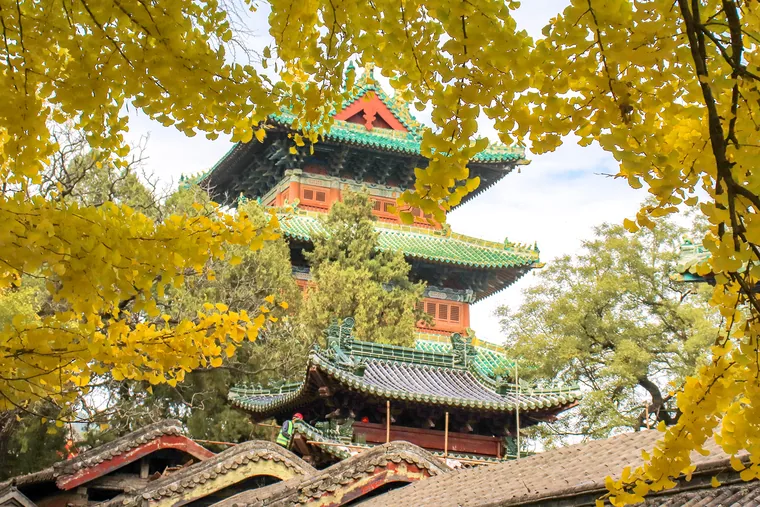
Follow history and understand Shaolin Temple
- Taihe period of the Northern Wei Dynasty
Shaolin Temple’s early temple building clues
The temple is connected with the records of Bhatta's missionary work in Songshan Mountain and became the starting point for subsequent development.
- Wanli period of Ming Dynasty
Construction of Thousand Buddha Hall
The construction and later repairs of the Thousand Buddhas Hall left behind the important hall and mural art today.
- 1928
Damage in fire
Important buildings such as the Tianwang Hall and the Main Hall were destroyed by fire, and the temple suffered heavy losses.
- Late twentieth century
Restoration of halls and devotional spaces
The important halls, ancestors and guardian spaces are gradually restored, allowing the ancient temple culture to continue to be passed down.
From the central axis hall to the Five Hundred Arhats and martial arts performers on the wall
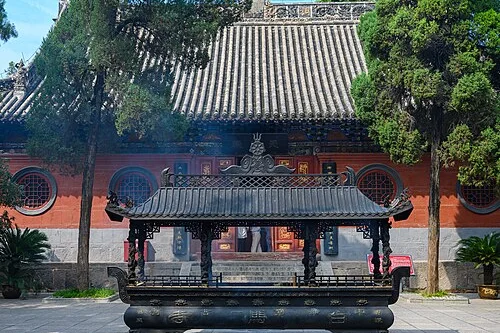
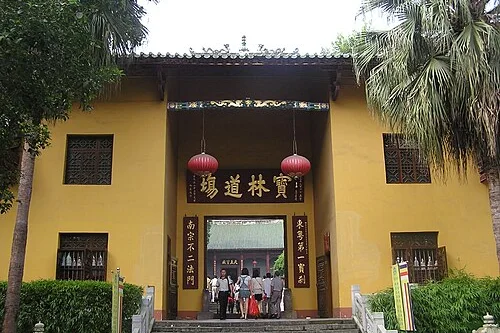
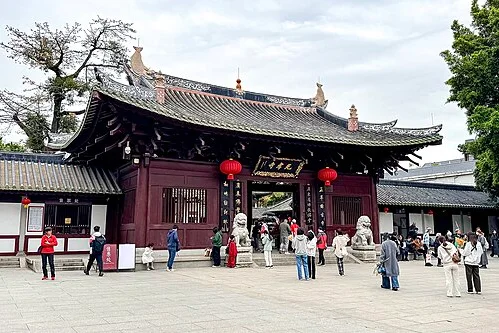
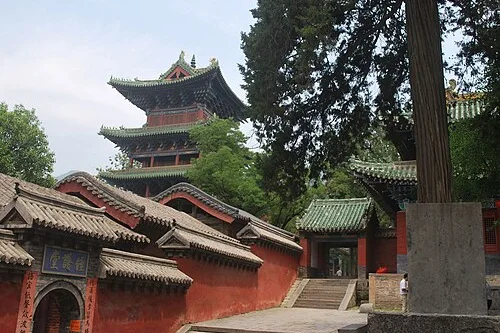
The permanent hospital consists of the mountain gate, the Heavenly King Hall, the Main Hall, the Dharma Hall and the rear courtyard. The Lixue Pavilion and the Thousand Buddha Hall are located deep in the central axis. There are also spaces on both sides such as the Sixth Patriarch Hall, the Kinnara Hall, and the Baiyi Hall. The hall structure serves Buddhist services and also accommodates lectures, practice and daily life, presenting a complete appearance of a Zen temple.
The Thousand Buddha Hall features Buddha statues and large arhat murals to create a distinct scene of worship. The characters in the painting are distributed among the mountains, rivers and clouds, with different postures and actions. Details such as paying homage, talking and holding alms bowls allow Buddhist art to present a rich world of characters. When viewing, pay attention to how the group portraits create layers on the wall, rather than just looking for one prominent protagonist.
The martial arts images in Baiyi Palace preserve the martial arts tradition inside the temple building. They are materials for understanding historical narratives, painting expressions and the image of Shaolin; themes such as "Thirteen Stick Monks Save the King of Tang" have not only entered murals, but also entered later popular culture, requiring separate reading of historical materials, artistic reproduction and film and television interpretation.
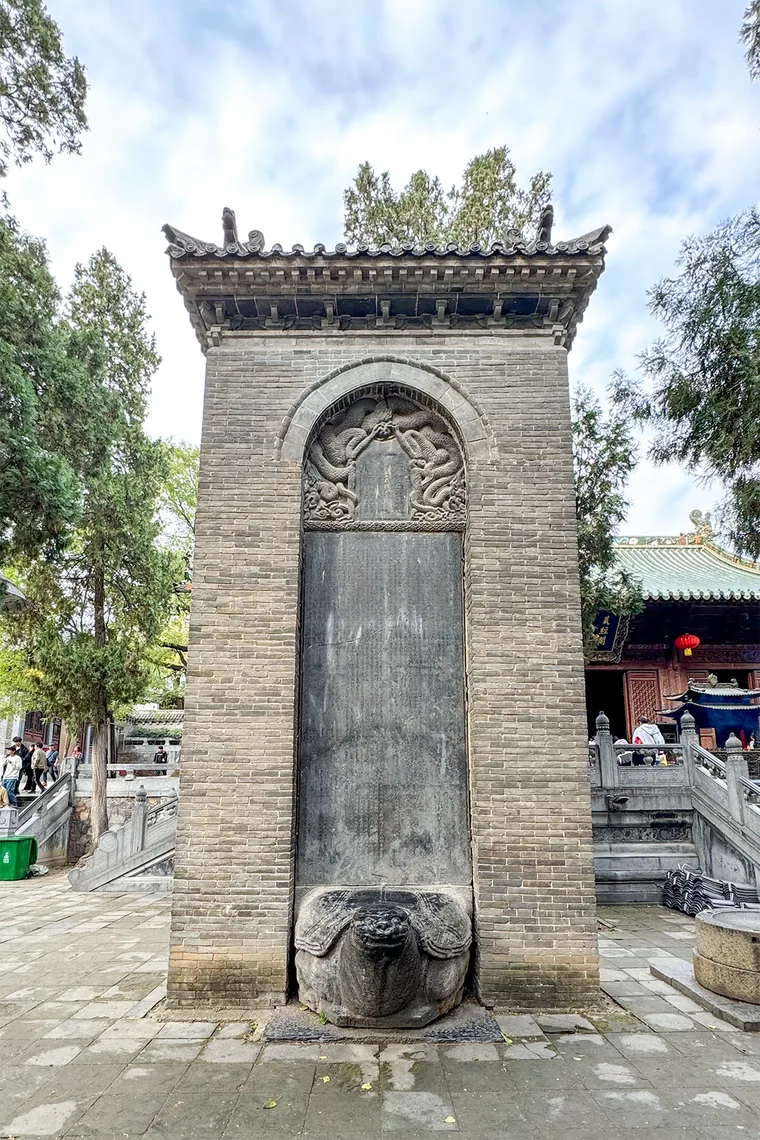
Destruction, restoration and continued living of the ancestral home
Shaolin Temple has been built and destroyed many times over the long years. The war in 1928 caused the destruction of important temples. Today's mountain gates, murals, inscriptions and restored buildings come from different historical stages; together they constitute the existing temple, rather than a group of Northern Wei buildings that have been preserved intact to this day.
Restoration in the late twentieth century brought some of the halls and statues back into monastic life. Combinations such as Kinnara Dharma Protector, Sixth Patriarch and Guanyin also allow people to see the expression of how restoration can restore religious space. Understanding that renovation will not diminish the significance of ancient temples, but rather understanding that preservation and inheritance require continued investment.
Tallinn and permanent residences also serve different functions. The tomb tower preserves the monk’s posthumous memory, while the permanent residence continues Buddhist worship and study activities. Facing these different spaces, a wish can be about courage or restraint: I hope that I can persist in my passion, and I hope that I can still treat others gently when I have the strength.
Seeing Zen Buddhism and Zen Martial Arts, I also made my wish to grow concrete.
The popularity of Shaolin Temple is often associated with Kung Fu. The memory of the ancestors, Buddhist statues and murals in the temple make this impression more complete. The Lixue Pavilion, the Thousand Buddha Hall and the halls on both sides provide clues to understanding inheritance, art and belief respectively. Only by looking at the specific space can we take the Shaolin impression in the film and television back to the real temple.
When you are preparing for an exam, changing jobs, or adhering to a long-term plan, you can start from the cultural association of Zen learning and practice and write down concentration, patience, restraint, and responsibility in concrete terms. For example, first explain what you want to accomplish, where you encounter difficulties, and then write how you hope to face and continue.
Anxin provides the visits listed on this page. Apprenticeship, martial arts classes, performance seats and special rituals are separate activities and are not included simply by selecting Shaolin Temple. If you made a promise outside the current service list, discuss it with our support team before arranging to give thanks.
Understanding the halls and the figures within them
| Palace or space | Figures and cultural roles |
|---|---|
| Lixue Pavilion | Patriarch Bodhidharma |
| Thousand Buddha Hall | Vairocana and arhat theme |
| Sixth Patriarch Hall | The Sixth Generation Patriarch of Zen Buddhism and Guanyin (Avalokiteshvara) |
| Kinnara Temple | Different dharma bodies of Kinnara protector |
| White Palace | Guanyin in white |
Lixue Pavilion
Principal figures: Patriarch Bodhidharma
Li Xue Pavilion connects the Zen inheritance story of Bodhidharma and Huike. It is a cultural space for understanding the ancestors, studying and inheriting.
The emphasis on seeking Dharma and teaching in the story preserves the way people understand serious study and respect for teachers. By reading in memory of the ancestors, you can understand the meaning of persistence and study; the practice in personal life should still be based on sustainable, serious and measured actions.
Associated wishes: Suitable for organizing feelings of gratitude to teachers, long-term study and long-term plans; you can write down things you want to persist in and actions you are willing to take.
Thousand Buddha Hall
Principal figures: Vairocana and arhat theme
Vairocana Buddha is connected with the Dharmakaya of Buddhism to express universal truth and perfect enlightenment. Light is an important clue for people to understand his name and image. The meaning of the Dharmakaya transcends a person's life story and points to the reality explained by the Buddha's teachings. By paying homage to him, people often hope for increased happiness and wisdom, understanding of affairs and clarity of mind, and they are also willing to view their own and other people's situations with a broader and more equal mind.
Thousand Buddha Hall is also known as Pilu Pavilion. The large arhat murals in the hall organize many figures with landscapes and clouds. The main Buddha presents the meaning of perfect enlightenment, while the arhat allows people to see the different expressions and activities of practitioners. This combination makes Shaolin Temple not only famous for Zen martial arts, but also displays a tradition of Buddhist teachings, monastic training and religious paintings.
Associated wishes: You can pray for increased blessings and wisdom, see the direction clearly, and also make wishes for patience in study and work. When facing problems that require collaboration, you can write down your wish to understand different experiences and receive kind guidance, so that personal growth can be connected with respect for your peers.
Sixth Patriarch Hall
Principal figures: The Sixth Generation Patriarch of Zen Buddhism and Guanyin (Avalokiteshvara)
The six generations of Zen ancestors in the Sixth Patriarch Hall include Bodhidharma, Huike and other inheritance figures. They are monks who spread the teachings and are respected by future generations; Guanyin (Avalokiteshvara) embodies the compassion of hearing the voice and relieving the suffering. The statue of the Patriarch paying homage to Guanyin puts the clues of learning and teaching Buddhism and the clues of faith that care for life and respond to suffering in the same scene.
The group of statues in the Sixth Patriarch Hall of Shaolin and the story of Bodhisattva's return to the west behind the Bodhisattva show how the temple preserves the memory of Zen through statues and landscape narratives. Here, inheritance is not only the name of the ancestor, but also a process in which generations of people are willing to ask for advice and are willing to teach. Being grateful to teachers, cherishing what you have learned, and being willing to be more patient with beginners can all echo this heritage.
Associated wishes: You can thank the teachers who gave you direction, and pray for good mentors and focus for your future studies; you can also ask Guanyin for the safety of your relatives and friends, and hope that after you learn the skills, you will still be considerate and gentle enough to help others.
Kinnara Temple
Principal figures: Different dharma bodies of Kinnara protector
Kinnara is the sacred image that protects the temple in the tradition of Shaolin Temple, and is closely connected with the temple protection narrative and the memory of Shaolin martial arts. The meaning of Dharma protector is to protect the dojo and practice, and to use power to protect. From this, we understand that respect, courage, responsibility and restraint can all become wishes: I hope someone will protect me when I am in trouble, and I hope I know how to measure myself when I have the strength.
The Kinnara theme is displayed in the temple with images of protectors, wonderful Dharma, and Dharma-holding. The related murals in the Baiyi Hall also retain the story of protecting the temple. The sculptures and paintings together illustrate that this protector has entered the unique cultural memory of Shaolin Temple. From this one can understand why Shaolin's images of power are often associated with protection, and also understand the different layers of martial arts training, temple beliefs, and narratives of later generations.
Associated wishes: You can pray for the safety of your family and have the courage to face difficulties. You can also express your willingness to be patient and responsible when working, training and taking care of others. If you are shouldering family burdens, you can tell the support you hope to receive and the people you want to protect the most.
White Palace
Principal figures: Guanyin in white
The name of Guanyin (Avalokiteshvara) is associated with hearing the suffering of all living beings and responding with compassion. Different images of Guanyin allow this relief and care to enter various life situations, so people often pray for the well-being of relatives and friends, safe travels, and help in difficulties. Compassion also includes understanding the needs of others, so family relationships, thoughts and gratitude can all become concrete and intimate thoughts in Guanyin worship.
Shaolin's Baiyi Hall takes its name from Guanyin devotion and is also known for martial-arts murals. Compassionate imagery and scenes of training and teaching coexist in the hall, showing religious life alongside physical practice. This provides a setting for wishes about family wellbeing, safe training and care during a busy life.
Associated wishes: You can wish your relatives and friends in training, work or care for physical and mental stability, and you can also express your hope that you will be less reluctant and calm. If a family member is far away overseas, you can pray that he will receive appropriate support and be cared for when he is tired, so that your wishes can have a gentle and specific target.
Write down the concerns in culture as your own wishes
Persistence in learning and long-term planning
Li Xueting·Memory of Patriarch Bodhidharma
Long-term goals often need to be achieved through practical actions. The Zen and Zen martial arts culture of Shaolin Temple is reminiscent of learning, persistence and self-discipline; you can write down your wishes for a specific plan and thank those who have accompanied you through difficulties.
First explain the plan you are sticking to, the difficulties encountered and the next step. Then write down the changes you hope to happen and the actions you are willing to take seriously. You can use the example sentences below as a starting point and replace them with expressions that fit your life.
Example of wish expression
I wish to implement my goals in my daily actions and not give up easily when encountering difficulties; I also wish to stay awake when adjustments are needed and remember those who have taught and helped me.
Courage, responsibility and restraint
Kinnara Hall·Dharma Protector Theme
Kinnara’s Shaolin temple protection narrative puts the meaning of strength in protecting the temple and practicing cultivation; different images of the guardians and related murals give courage the specific cultural background of the temple. Therefore, when facing pressure from family, work or training, you can pray for help and courage to bear the burden, and hope that your strength will be accompanied by responsibility and restraint.
You can tell clearly what you are responsible for, the family members or companions you most want to support, and wish you all peace and that the difficulties will be properly handled. You can also express your wish to be sober and patient under pressure, leave toughness and impatience aside, and let the guardian truly take care of the feelings of those around you.
Example of wish expression
I hope that I can stand up when my family needs it, and that I can calmly see the situation first and not let anger make my decision for me.
Physical and mental stability and regular life
Baiyi Palace·Guanyin Compassion; Shaolin Zen Martial Arts Culture
The compassionate care of Guanyin in Bai makes it an easy-to-understand wish for his family to be healthy and take care of them despite fatigue; the martial arts murals in the Baiyi Hall also present the Shaolin culture of continuous practice and master-disciple teaching. The body is both involved in training here and deserves to be cherished. People who work, study or are in long-term care overseas can wish for physical and mental stability, orderly practice and support in life.
You can explain who has been working hard recently, what training or stage of life they are in, and pray for stability, health and appropriate help. You can also write a thank you to the caregiver and a desire to worry less about the family, so that the wishes take care of physical and emotional needs rather than just how many tasks can be completed.
Example of wish expression
I hope that I and my family can spend busy days smoothly; I also hope that I will be less reluctant, rest seriously, and practice step by step.
Gratitude to teachers and inheritance of goodwill
Sixth Patriarch Hall, Patriarch and Guanyin; Thousand Buddha Hall, Study Group Statues
The group of portraits of the Patriarch of the Sixth Patriarch Hall paying homage to Guanyin combines inheritance and compassion; the arhat paintings of the Thousand Buddha Hall show the different postures of many practitioners. From this understanding of gratitude, we not only cherish the skills taught by our teachers, but also cherish the care we received during our studies. For those who travel far, study abroad, or enter new jobs, this inheritance can become a source of sustenance for those who are willing to continue learning and be kind to those who come after them.
You can record when your teachers have patiently guided you, wish them stability, and express the direction in which you want to continue your studies. If you have already started to lead others, you can also pray for more patience and consideration, so that the knowledge, experience and gentleness you have gained can continue to be passed on through you.
Example of wish expression
Thanks to the teacher for not urging me when I was clumsy. I hope that I can learn steadily and be patient with newbies in the future.
In the image, continue to get to know each other Shaolin Temple
Have you been here? Check in to the Shaolin Temple in Songshan, Henan, and the 10-minute video will take you through the thousand-year-old temple
Learn about the courtyard and architecture of Shaolin Temple in Songshan, Henan through tour records.
飘零章丘行 · Bilibili · in Bilibili Watch original video
The author walked into the Shaolin Temple in Songshan Mountain with his camera to provide on-the-ground environment supplement for the Zen temples, ancient buildings and temple walks in the text.
If playback is restricted by the network or platform, the original video entrance can be used.
Commissioned services and fees
$232 USD · Basic service fee
In the Zen ancestral court, express a sincere wish
The basic commission includes tickets, incense, Buddha worship and making wishes; pictures and video visit records correspond to the specific temple, the selected offerings and this commission, and are delivered privately.
You can also entrust your family together. It is recommended that there be no more than 3 people per order, so that you can express your feelings one by one.
A private visit record will be provided 1-2 working days after the service is completed.
Anxin provides commissioned services independently and does not represent Shaolin Temple. Basic entrustment does not include martial arts courses, apprenticeships, performances or special rituals. Relevant needs should be understood separately.
Select your wish, desired date and offerings and submit the request, then add official customer service for verification. Submission does not mean successful reservation, payment or seat reservation.
Yes Submit request and confirm with our team . There is no need to log in for consultation; the appointment has not been successful after submission.
About Shaolin Temple , you may also want to know
Shaolin Temple Did Batuo build the temple or Bodhidharma built the temple?
The early records of temple construction are related to the missionary work of Batuo in the Northern Wei Dynasty; Bodhidharma occupies a central position in the subsequent narrative of the inheritance of the Zen ancestral court. The two historical threads should be read separately.
Are the palaces we see now all original to the Northern Wei Dynasty?
No. The temple has been built and destroyed many times. Some important buildings were destroyed by war in 1928 and were later restored. Existing buildings, inscriptions, murals and statues come from different stages.
How should we understand the story of Li Xueting?
The traditional story of Lixue Pavilion contacting Hui Ke to seek Dharma from Bodhidharma preserves the cultural memory of determined study, respect for teachers and inheritance of teachings.
What is most worth observing in the Thousand Buddhas Hall?
You can pay attention to the overall relationship between the Buddha statue and the large arhat mural, as well as the layers and postures of the figures in the landscape and clouds. It provides a concrete entrance to understand Shaolin religious art.
Why is the Baiyi Palace also called the Quanpu Palace?
The hall preserves murals of Shaolin martial practice and boxing manuals. Guanyin devotion and martial imagery within one building are a distinctive aspect of Shaolin's Chan and martial traditions.
Does the basic commission include apprenticeship to learn martial arts?
Not included. Buddha worship and expression of wishes in independent entrustment are different services from martial arts courses, apprenticeships or performances, and the specific content should be confirmed separately.
How can Shaolin Temple's traditions relate to wishes about a career or long-term plans?
Focus, patience and responsibility can be associated with Zen learning, ancestor inheritance and Zen martial arts practice. Writing your goals down into specific actions and expectations makes it easier to express your feelings clearly than just writing "career success."
Commissioned Shaolin Temple salute, does it include martial arts performance or apprenticeship?
The basic services and optional offerings on this page are arranged according to the list. Martial arts courses, performances and apprenticeships are not automatically included. If you have additional demands, please confirm the executable scope first.