Quick understanding
- What are the main themes of worship at Nanhua Temple?
The Sixth Patriarch Hall carries the tradition of offering offerings to patriarchs such as Hui Neng; the Mahavira Hall houses Shakyamuni, the Medicine Buddha and Amitabha Buddha; and the Heavenly King Hall houses Maitreya, Wei Tuo and the Four Heavenly Kings.
- Is the Sixth Patriarch Huineng a Buddha or a Bodhisattva?
Huineng is an eminent monk in the history of Chinese Zen Buddhism. He is revered as the Sixth Patriarch. The Patriarch supports him to promote, teach and pass on the Dharma to preserve respect for him.
- Are the Song Dynasty wood carving arhat the same as the main hall painted sculpture arhat?
should be recognized separately. The wood carvings in the collection and the painted sculptures in the palace have different materials, ages and preservation histories. It cannot be said that all arhats are the same original works from the Song Dynasty.
- Location
- Shaoguan, Guangdong·Caoxi
- Important inheritance
- The Sixth Patriarch Huineng and the Southern Zen Method
- Salute combination
- Three Buddhas, Maitreya and Protectors
- Art Clues
- Patriarch offering and wood carving arhat
In Nanhua Chan Temple, put the things you care about
The inheritance of the Sixth Patriarch Huineng and Caoxi in Nanhua Chan Temple allows for awareness, introspection and gratitude to teachers and friends with specific character backgrounds; the three Buddhas in the main temple can also bring stability to the family. First distinguish between the Patriarch and the Buddha, and then bring your mind back to daily life.
Stress and Awareness in Relationships
Learn about your own mind from the teachings of the Sixth Patriarch, and write down the steps to adjust your impatience, understanding and hope.
Continue to learn →Distinguish between the Patriarch and the three Buddhas in the main hall
Recognize Huineng's historical identity, medicine master, Amitabha and other ritual themes respectively.
Continue to learn →Compare Guangzhou Guangxiao Temple
Both share the memory of the Sixth Patriarch, Guangxiao and Caoxi Nanhua retain their respective historical locations.
Continue to learn →From Baolin to Nanhua, Caoxi became the specific place for the inheritance of Zen Buddhism
The early history of Nanhua Temple was related to Baolin Temple in the Liang Dynasty in the Southern Dynasties. It was later known as Zhongxing, Faquan, etc., and the name Nanhua Chan Temple was used in the Northern Song Dynasty. Multiple temple names belonging to different stages of the same dojo does not mean that they need to be divided into several commissioned locations.
Huineng promoted the Southern Zen method here, bringing Caoxi into the core memory of Chinese Zen. The worship of ancestors retains faith and respect, and the teachings and inheritance of historical figures make the practice concrete and visible. People's expressions of understanding their own minds, perseverance in learning, and gratitude to their teachers can be unfolded by this teaching and the culture of teacher gratitude.
In modern times, Xuyun and others promoted restoration, reconstruction and restoration of monastic life. The continuation of the ancient temple requires real construction and maintenance, so today's temples are of different ages; seeing the levels of restoration will not reduce its value as a heritage site.
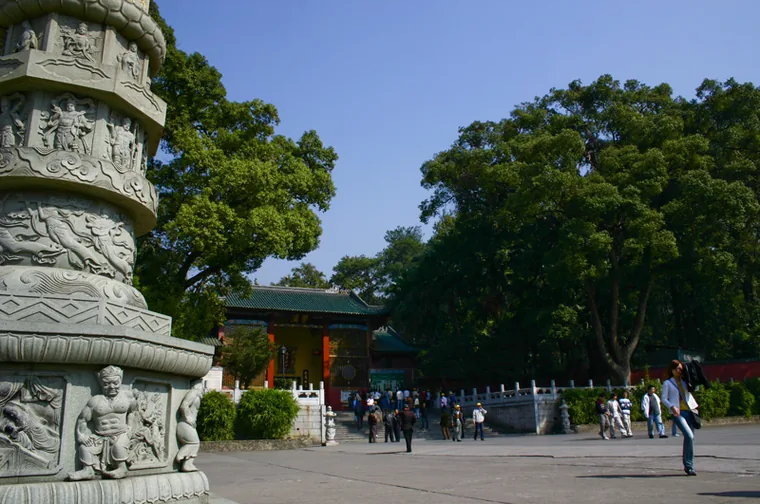
Follow history and understand Nanhua Chan Temple
- Southern Dynasties Liang Dynasty
Early history of Baolin Temple
The ancient temple was originally inherited from Baolin Temple, and has been renamed and built many times in later generations.
- Tang Dynasty
Huineng promotes the Southern Zen method
Caoxi is closely connected with the memory of the Sixth Patriarch Huineng’s propagation and inheritance.
- Northern Song Dynasty
Nanhua Chan Temple title
The name of Nanhua Temple has become an important aspect in the history of the temple.
- 1930s and 1940s
Restoration and Dojo Revitalization
Xuyun and others promoted the construction and restoration of monk life, and continued the Caoxi Zen style.
- 1981
Renovation and installation of the Sixth Patriarch Hall
The Patriarch’s offering was reconnected with the restored hall.
- 2012
Ancestral Hall Project and Support Adjustment
During the reconstruction period, the ancestor's offerings were temporarily moved, and there are actual arrangements for maintenance and visits.
The Sixth Patriarch Hall and the Three Buddhas Main Hall each have different objects of worship.
The Sixth Patriarch Hall carries the tradition of offering offerings to Patriarchs such as Huineng, Hanshan, and Dantian. Eminent monks from different historical stages jointly participate in the promotion, study and protection of the temple. They maintain the tradition of offering statues and real bodies while preserving religious culture. The commemoration of characters allows those who come after us to see how teachings are continued through generations, and also gives teachers a concrete place to rely on.
Shakyamuni, the Medicine Buddha and Amitabha Buddha in the Mahavira Hall constitute a combination of three Buddhas with different Buddhist themes. The Maitreya and the protector of the Heavenly King's Hall have another level of identity. The objects of worship, cultural themes and artistic materials need to be viewed separately in their respective spaces.
Temple maintenance will bring adjustments to the location of offerings. During the construction of the Ancestral Hall in 2012, the Patriarch's offerings were temporarily moved to the Main Hall to preserve the actual arrangements at a certain stage. Understanding the relationship between repair and worship can help you understand how the temple maintains the building while continuing to make offerings. Please confirm the on-site arrangements for your current visit.
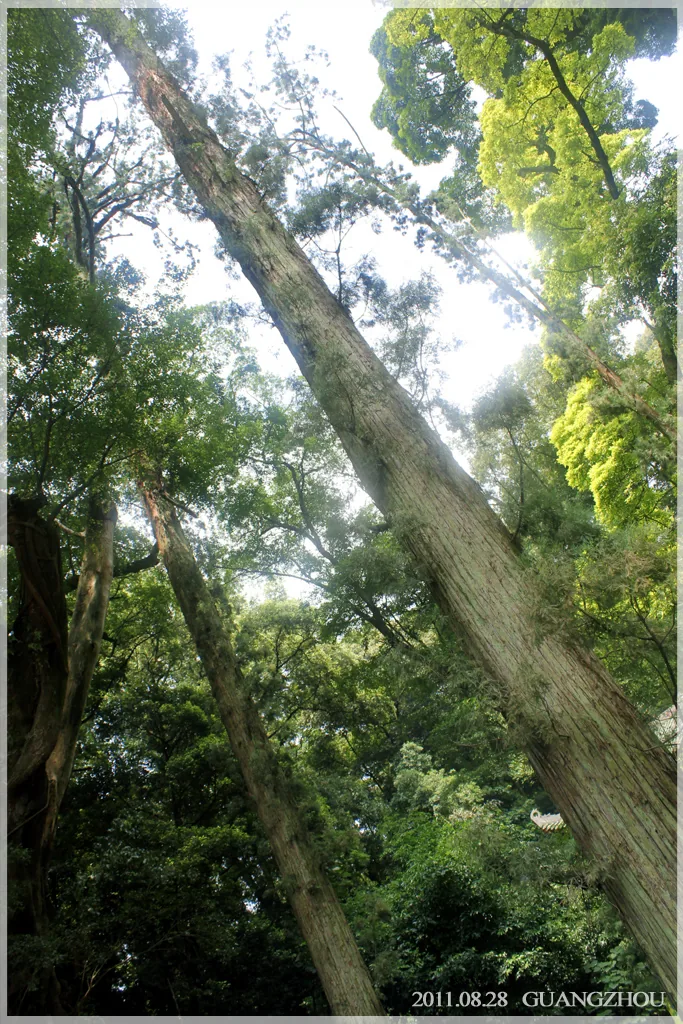
In addition to wood carvings and colored sculptures, bring Zen style back to your life
The wood carving arhat collected by Nanhua Temple is an important clue to understanding the sculpture art of the Song Dynasty. Later generations re-engraved and restored it and preserved it in different stages of preservation. The materials, clothing patterns, expressions and inscriptions all provide research content. From ancient works to preserving history, we can understand how religious art continues to be cherished in future generations.
The arhat colored sculptures in the main hall have different spaces and materials, and are not the same batch of works as the wood sculptures in the collection. Looking at these images, one can understand how Buddhist art expresses the posture of practitioners, without the need to judge one's good or bad fortune by a certain expression or number.
Caoxi Zen style can also be a daily reminder: be aware of emotions, listen carefully, use less hurtful words, and turn care into practical actions. Whether you make a wish for your family, study, or relationships, you can write down one thing you are willing to change so that your thoughts have a direction that can be implemented.
From the Zen style of Caoxi, I see myself and the people around me
Nanhua Chan Temple is located in Caoxi, Shaoguan, Guangdong. It is recognized for the spread of Buddhism and Zen inheritance of the Sixth Patriarch Huineng. The historical identity of the Patriarch is different from paying homage to Buddhas and Bodhisattvas. You can start from this line of inheritance to learn, appreciate teachings, and understand your own mind, and then learn about the themes of the three Buddhas and protectors in the main hall.
When you are under stress overseas, have misunderstandings with family, or want to improve a habit, the desire can also be a willingness to stop and listen, see your own impatience, and ask for advice seriously. For the well-being of loved ones, you can combine the care of a pharmacist to clearly explain the care required and shared responsibilities, so that awareness and compassion can enter your life at the same time.
Guangxiao Temple in Guangzhou and Nanhua Chan Temple in Shaoguan both commemorate the Sixth Patriarch, but their places and histories differ. To give thanks, retain the original temple, wish and promise. Learning about Chan and its patriarchs does not include meditation courses, special ceremonies or specified close-up images in a basic visit.
Understanding the halls and the figures within them
| Palace or space | Figures and cultural roles |
|---|---|
| Sixth Ancestor Hall | The tradition of offerings to ancestors such as Huineng, Hanshan, and Dantian |
| Main Hall | Shakyamuni Buddha, the Medicine Buddha, Amitabha Buddha |
| Tianwang Palace | Maitreya, Skanda and the Four Heavenly Kings |
Sixth Ancestor Hall
Principal figures: The tradition of offerings to ancestors such as Huineng, Hanshan, and Dantian
Huineng is revered as the Sixth Patriarch in Zen Buddhism and is commemorated for his teachings and inheritance; eminent monks such as Hanshan and Dantian have contacted this temple for continued training and support. Patriarch offerings preserve the memory of a specific person's propagation of the Dharma, allowing them to respect, care, and be grateful to their teachers, understand their own minds, and bring their teachings back to daily life. People rely on this to persevere in learning, have a clear mind, and retain compassion in dealing with each other.
Commemoration in Nanhua Temple's Sixth Patriarch Hall connects with successive restorations, including the 1981 installation and a change of position during works in 2012. The setting shows how generations value Chan lineage. Current access and devotional arrangements follow site rules. Huineng is a historical patriarch: commemoration of his teaching is distinct from the main hall's Buddhas, and his title is not another name for the Medicine Buddha or Amitabha.
Associated wishes: You can thank the people who gave you direction, and pray that your teachers and friends will be healthy and you will be humble and diligent. If you are trying to understand your heart and life, you can also write down the situation you most want to adjust. Please be patient and ask for advice, so that you can continue to cherish compassion and honesty as you grow. If you want to grow, you can write down a specific habit and the way you are willing to adjust. When thanking your mentors and friends, you can also explain what kind of guidance you have received.
Main Hall
Principal figures: Shakyamuni Buddha, the Medicine Buddha, Amitabha Buddha
Shakyamuni, the Medicine Buddha and Amitabha Buddha respectively unfold the teachings of the Buddha and the clues of belief in the Oriental Glazed Pure Land and the Western Pure Land of Bliss. Shakyamuni connects enlightenment and wisdom, Bhaisajyaguru (the Medicine Buddha)'s twelve great wishes care about suffering and life needs, and Amitabha Buddha's infinite light and infinite life express light, peace and refuge. The three statues are juxtaposed, making peace, blessing, wisdom and care for life interconnected.
The three Buddhas and the arhat colored sculptures in the main hall of Nanhua Chan Temple together present the image of Buddhists and practitioners. They have been rebuilt, gilded and preserved in different stages of protection through the ages. The colorful sculptures and Song Dynasty wood carvings in the hall each have historical value. Understanding their levels can help you cherish your beliefs and cultural relics at the same time. The well-being of your family, increased happiness and wisdom, and gratitude to your ancestors can all be placed according to the culture of the Three Buddhas.
Associated wishes: You can express your wishes for your family’s stability, perseverance in learning, and those you miss, and explain your current situation and what you want to convey most. If you live overseas, you can pray for smooth care and good luck in helping each other. You can also thank the person who takes care of you, so that your care can remain a concrete human feeling.
Tianwang Palace
Principal figures: Maitreya, Skanda and the Four Heavenly Kings
Maitreya, free translation of Cishi, is the future Buddha in Buddhism. The familiar image of joy is associated with generosity, good deeds and future harmony. Wei Tuo is the heavenly general who protects the Dharma and the temple; the Four Heavenly Kings, Zhi Guo, Zeng Zeng, Guang Mu, and Duo Wen respectively contact the guardians of the four directions. Maitreya's compassion and the solemnity of the protector together form the theme of welcome and protection, giving cultural suspense to the new stage of auspiciousness, family harmony and safe entry and exit.
Nanhua Chan Temple The Heavenly King Hall has Maitreya in the middle, Wei Tuo in the back, and the Heavenly Kings are arranged in front to form a salute, which is spread out separately from the three Buddhas in the main hall and the high monks in the Sixth Patriarch Hall. The hope for the future, the firmness of support, and the teachings of the ancestors complement each other, so that there are constant wishes for family harmony, safe travels, and goodwill, and there are clear characters and cultural backgrounds.
Associated wishes: It can express your feelings for safe travel, harmonious family relationship and smooth new stage. If you need to coordinate the rhythms of different people, you can also pray for patience, understanding and reliable support, so that the blessing of guardianship will be remembered by everyone who travels together.
Write down the concerns in culture as your own wishes
Be willing to be aware of your own heart and respond to others gently
The inheritance of the Sixth Patriarch·Caoxi Zen Style
The Sixth Patriarch Huineng’s Zen teachings emphasized understanding one’s own mind, and the memory of the Patriarch allowed the practice to move from abstract principles to the inheritance of concrete figures. Nanhua Chan Temple thus enables awareness and compassion to be connected: I am willing to recognize my own impatience and troubles, and I am willing to be more understanding when facing my relatives and friends. The pressures and relationship changes of overseas life can be seen tenderly in this kind of heart. Awareness is not just about not having worries, it can also mean being willing to pause, listen to the other person, and then respond in a gentler way after discovering that you are impatient.
Write down the specific relationship you want to improve, the problems you see and the steps you are willing to make adjustments; if it is a thank you, review the changes that have occurred.
Example of wish expression
I hope that I can see my impatience under pressure, be more patient before responding to my family, and be able to listen to the other person’s real needs; I also hope that I can get appropriate guidance and apply the principles I have understood to my life seriously.
Appreciate the teachings and bring what you have learned back to life
The Sixth Patriarch Hall·The Patriarch and the inheritance of learning
Hui Neng and later generations of eminent monks jointly preserved the memory of Nanhua Chan Temple’s teaching, propagation and protection. The teachings can be continued through learning and practice. Thanks to the teacher, I can not only wish them well, but also hope that I will understand it carefully, continue to practice, and let the guidance I have received enter my life. For study or professional growth, this culture has a clear character background.
You can give thanks for an important teaching, write down how it helped you, and pray for the stability of your mentor and friend. If you are learning in a new environment, you can also be humble and ask for advice, accumulate knowledge with perseverance, and let knowledge continue to become the power to take care of yourself and others.
Example of wish expression
Thanks to those who have patiently reminded and taught me. May I put what I have learned into my life, continue to ask for advice when I don’t understand something, and take my responsibilities seriously.
For the sake of the stability of the family, we are willing to take care of it in a practical way
Main Hall·Three Buddhas Care Theme
the Medicine Buddha's Twelve Great Vows care about suffering, physical and mental well-being, and daily needs. The three Buddhas in the main hall also unfold wisdom and the tranquility of the Pure Land. Nanhua Chan Temple wishes for stability for the family, so that the caretakers can be supported, the hearts will be less lonely, and the people who help can be understood. The thoughts of the two places overseas can be expressed concretely in the heart.
It can explain the care that your family needs most in the near future, and pray for health, smooth care and good luck. You can also thank the medical staff, relatives, friends, or long-term companions. May they be equally stable, and let the blessings remember every continuous labor and tenderness.
Example of wish expression
May the family be physically and mentally stable and receive appropriate help when needed. I also hope that I can be more patient and caring, and not let distance and busyness block contact.
Live in harmony and protect goodwill
Temple of the Heavenly King · Maitreya and the Dharma Protector Theme
Maitreya Ci and the future Buddhist faith carry generosity and hope, while Wei Tuo and Tianwang express their firmness in their protective roles. Nanhua Chan Temple Tianwang Temple puts joyful welcome and guardianship together, providing a background for the wishes of getting along and goodwill: may you be less impatient, trust cherished, and still maintain the spirit of companionship amidst changes.
You can write about a relationship that you most want to be treated gently, and pray for patience and gentle communication between both parties. If you are facing a move away from home or a new stage, you may also wish for peace, good fortune, and reunion to be expected, so that you can protect goodwill while taking care of real distance and needs.
Example of wish expression
I hope there is trust and room for us to get along. May I speak softly, be trustworthy in my actions, and put good intentions into small things that can be accomplished.
In the image, continue to get to know each other Nanhua Chan Temple
Shaoguan trip VLOG (Nanhua Temple, Zhuji Lane, Danxia Mountain)
In the travel images of Shaoguan, take a look at the local environment where Nanhua Temple is located.
超超管家 · Bilibili · in Bilibili Watch original video
The creator's 2020 journey includes Nanhua Temple, Zhuji Lane and Danxia Mountain. Huineng's role as a patriarch differs from the temple's Three Buddhas; not every scene on the journey belongs to Nanhua Temple.
If playback is restricted by the network or platform, the original video entrance can be used.
Commissioned services and fees
$223 USD · Basic service fee
At Nanhua Temple, leave your thoughts for practice, gratitude and your family
The basic commission includes tickets, incense, Buddha worship and making wishes; pictures and video visit records correspond to the specific temple, the selected offerings and this commission, and are delivered privately.
You can also entrust your family together. It is recommended that there be no more than 3 people per order, so that you can express your feelings one by one.
A private visit record will be provided 1-2 working days after the service is completed.
Anxin provides entrusted services independently and does not represent the temple. Special Dharma ceremonies, meditation activities, close-up visits to ancestors and photography of designated cultural relics are not automatically included in the basic commission.
Select your wish, desired date and offerings and submit the request, then add official customer service for verification. Submission does not mean successful reservation, payment or seat reservation.
Yes Submit request and confirm with our team . There is no need to log in for consultation; the appointment has not been successful after submission.
About Nanhua Chan Temple , you may also want to know
How do you understand Nanhua Temple and Caoxi Sixth Patriarch’s Dojo?
This page refers to Nanhua Temple in Shaoguan, Guangdong. The tradition of Cao Xi and the Sixth Patriarch Huineng made this place an important Zen dojo.
Are Huineng and Huineng the two founders?
Huineng and Huineng both refer to the Sixth Patriarch of Zen Buddhism, a historical eminent monk, and jointly preserve the memory of his teachings and inheritance.
Do the Sixth Patriarch, the Medicine Buddha and Amitabha Buddha have the same identity?
No. The Sixth Patriarch is the eminent patriarch, and the Medicine Master and Amitabha are the Buddhas in Buddhism. They must be distinguished when recognizing and expressing respect.
In the old video, the Patriarch is in the Main Hall. Does this mean that this has always been the case?
During the reconstruction of the ancestral hall, the location of the offerings was temporarily adjusted. The old images cannot automatically represent the layout of all periods. The specific space should be confirmed according to the actual arrangement.
Are all arhat statues original wood carvings from the Song Dynasty?
No. The collection of wood carvings, later supplementary carvings and the painted sculptures in the palace each have different materials, ages and preservation histories, and cannot be combined into the same batch of Song Dynasty originals.
Does the basic commission guarantee participation in meditation or close-up photography of the ancestor’s offerings?
Not automatically guaranteed. Study, ceremony, open space and cultural relic photography have their own conditions, which need to be communicated and confirmed separately.
Can wishing to improve one's temper or get along with family members also be considered wishes?
Yes. Write down the most difficult thing to communicate recently, hoping to increase your patience, understanding and willingness to try. The cultural clues of the Sixth Patriarch and Zen practice can help bring self-examination back to the true relationship.
Both Nanhua and Guangxiao commemorate the Sixth Patriarch. Can I choose either place to give thanks?
First check which temple it was in, what was expressed, and whether there was an agreement to thank you. A shared heritage link does not automatically mean that two locations are interchangeable.