Quick understanding
- What are the main themes of worship at Guiyuan Chan Temple?
The main hall is Shakyamuni, with an island Guanyin theme behind it; the arhat hall preserves the statues of the Five Hundred Arhats, and there are also sutra collections and other halls in the temple.
- Can counting arhat determine a year's luck?
Numbering arhat is a local folk custom and expression of vision in Wuhan. It can be used to organize thoughts through statues and verses, but it cannot guarantee or determine the actual fortune.
- Are Guiyuan Temple and Guiyuan Chan Temple two places?
This page refers to Guiyuan Chan Temple in Hanyang, Wuhan. The abbreviation and the complete temple name do not represent two independent temples, and the specific commissions are still arranged according to the confirmed space.
- Location
- Hubei Wuhan·Hanyang
- Creation time
- The fifteenth year of Shunzhi in the Qing Dynasty, 1658
- Studying Tradition
- Related inheritance of Soto Sect of Zen Buddhism
- Cultural highlights
- the Five Hundred Arhats and the Island Guanyin Statue
In Guiyuan Chan Temple, put the things you care about
The Buddhist temple of Guiyuan Chan Temple, the island Guanyin and the arhat hall allow enlightenment, compassion and introspection to have identifiable objects; the teaching of choice, family care and gratitude can be made more concrete.
Organizing your mind when faced with choices
Starting from study and introspection, explain the issues you most want to see clearly.
Continue to learn →Getting to know arhat and Buddha and Bodhisattvas
The Five Hundred Arhats, the main Buddha and the island Guanyin each have their own identities and are not mixed with the same wish-making function.
Continue to learn →Compare Suzhou West Garden
Although they share the same arhat culture, the temple statues, history and original location are still different.
Continue to learn →From Hanyang Sunflower Garden to Chanyuan, the name means return
Guiyuan Chan Temple was founded in the 15th year of Shunzhi in the Qing Dynasty. It was run by masters such as Bai Guang and gradually formed a jungle on the old site of Hanyang. The name of the temple is connected with the Buddhist expression of returning to the origin. It can be understood from the meaning of the scriptures and can also help today's people reorganize their emotions in the bustling city.
The temple was continuously constructed in different stages, with Buddhist halls, meditation halls, sutra collections and later courtyards forming a pattern. The history of its creation in the early Qing Dynasty, subsequent damage and reconstruction, and modern expansion allows visitors to see how the ancient temple gradually continued worship, study, and daily life.
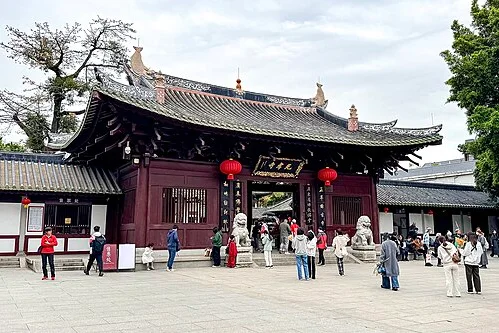
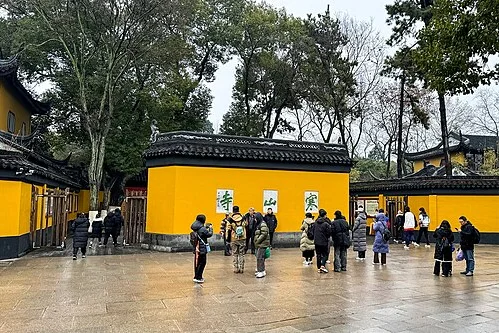
The Sutra Collection, the Mahavira Hall and the Arhat Hall in the old courtyard each have their own emphasis. The courtyard gates and paths connect different areas. Observing an urban temple can also start from these functional relationships: learning, worship, preservation of texts, and reception of interactions, all continuing together in a limited neighborhood environment.
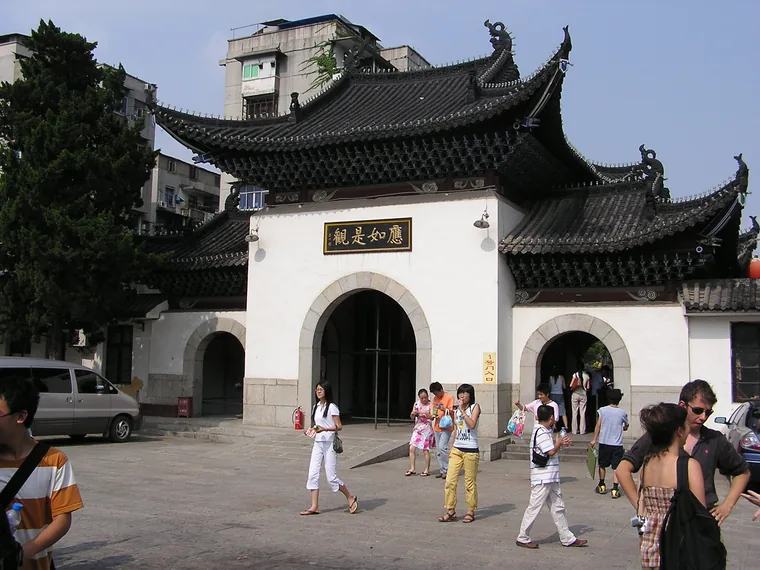
Follow history and understand Guiyuan Chan Temple
- 1658
Created by Guiyuan Chan Temple
In the fifteenth year of Shunzhi in the Qing Dynasty, master Bai Guang and other masters established a temple in Hanyang, and subsequent temples were gradually formed.
- Daoguang period of Qing Dynasty
Addition of arhat hall
Arhat images and devotion became important parts of the temple's culture; accounts differ on specific construction dates.
- 1852
Damage caused by war
The temple and arhat were damaged, but later generations continued to repair and restore the tradition of statues.
- Late Qing Dynasty to Republic of China
Renovation and expansion
The arhat hall, sutra collection and other temples were continued during subsequent restorations, forming architectural layers of different ages.
The look of the Five Hundred Arhats makes watching go one step further than counting.
The arhat hall is the distinctive cultural space of Guiyuan Chan Temple. The Five Hundred Arhats statues have different postures and expressions, and the similar but different emotions of people also obtain specific images. When watching, you can first pay attention to the movements, expressions and relationships between each other. There is no need to rush to find a certain statue that is responsible for a certain result.
Arhat Hall experienced construction, war and restoration in the Qing Dynasty and later generations. What we see today also includes inheritance and reconstruction. Different sculpture techniques allow the coexistence of volume and detail. The long-term labor of local artists also deserves to be recognized together with religious stories.
Counting arhat formed a local folk custom in Wuhan, and the temple authorities interpreted it as a way to express visions and be enlightened or exhorted by verses. Numbers can help people stay, but what is really worth taking away is not necessarily the so-called fortune answer. It can also be more aware of impatience, persistence, or habits that need adjustment.
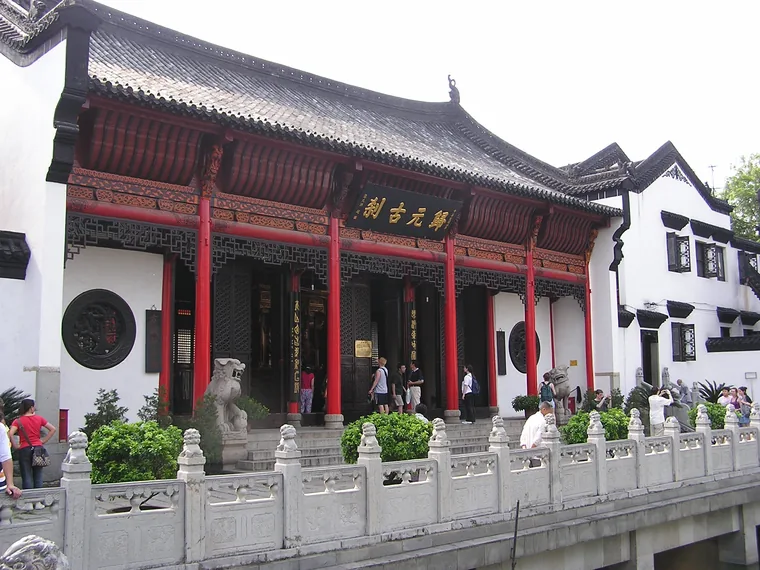
Island Guanyin and plate printing images, compassion has different artistic expressions
The Main Hall is dominated by Shakyamuni, and the Guanyin Island group behind it forms another viewing direction. Buddha and Bodhisattva, the main image and the theme behind each have their own relationship; in the same hall, worship can also shift from enlightenment and education to the theme of listening and helping all sentient beings.
Guiyuan Chan Temple Related Guanyin images are also circulated through plate printing and other methods. The Guiyuan version of the portraits preserved in the museum allows people to understand the temple from the inscriptions, character postures and communication paths. The traditional authorship is attributed to the source of the preserved image, while the later editions have specific production dates. Together, they show how the art of compassion transcends time and geography.
The circulation of images also shows that temple culture can be recognized by people in different places beyond one courtyard. For ordinary people's wishes, compassion can also occur from specific places: hearing the needs of family members, helping those who encounter difficulties, being more patient in misunderstandings, and allowing the mind to have a practical direction.
Understand arhat and Guanyin, and also see your own problems clearly
The arhat hall of Guiyuan Chan Temple in Wuhan makes many people know this place with the folk impression of "counting arhat". For further reading, we should separate the academic status of arhat, specific statues and folk temple tour habits, and then look at the different themes of the Buddhist temple and Guanyin group sculptures; an exhortation can inspire self-examination, but also requires returning to one's actual situation.
Life choices, studies, and family care can all start from this understanding. If you hope to see the direction of your work clearly, you can explain your current questions and responsibilities; if you are concerned about your relatives and friends, you can write how you hope to understand and take care of them. I wish I didn’t have to wait for a ready-made answer, but could first explain the question clearly in my own words.
Comparing Guiyuan Temple in Wuhan's Hanyang district with Xiyuan Temple in Suzhou can help you explore arhat traditions, but their places, images and histories differ. If you made a wish at Guiyuan Temple, keep the original location and promise when giving thanks. A basic visit follows the service list and does not automatically include divination interpretation or other unlisted activities.
Understanding the halls and the figures within them
| Palace or space | Figures and cultural roles |
|---|---|
| Main Hall | Shakyamuni Buddha |
| Back of Main Hall·Island Guanyin | Guanyin Bodhisattva theme group sculpture |
| arhat hall | the Five Hundred Arhats and related Buddhist statue themes |
Main Hall
Principal figures: Shakyamuni Buddha
Shakyamuni is the founder of Buddhism. The Buddha's enlightenment story starts from facing the troubles of life, emphasizing the understanding of troubles, the growth of wisdom and compassion. When paying homage to Shakyamuni Buddha, common thoughts include increased blessings and wisdom, physical and mental peace, family peace, and reduction of worries; the teachings represented by the statue also provide a background for learning, reflection, and facing life's transitions.
The main hall of Guiyuan Chan Temple has Shakyamuni as its main offering, embodying the center of Buddhist worship, study and education in the Zen temple. The island Guanyin behind the main statue is also expanded with sculptures of compassion, and the two viewing themes are connected in the same hall. Being taught by our teacher to understand the choices in life can provide you with wisdom, continuous learning, and peace of mind. You can also cherish the opportunity to re-understand yourself amidst the chaos.
Associated wishes: You can pray for clarity to see your choices, academic progress, or family responsibilities, and explain what you want to understand most. If you are adapting to a new overseas environment, you can also express your willingness to meet trustworthy mentors and friends, and be patient so that your expectations for growth have a practical life background.
Back of Main Hall·Island Guanyin
Principal figures: Guanyin Bodhisattva theme group sculpture
The name of Guanyin (Avalokiteshvara) is associated with hearing the suffering of all living beings and responding with compassion. Different images of Guanyin allow this relief and care to enter various life situations, so people often pray for the well-being of relatives and friends, safe travels, and help in difficulties. Compassion also includes understanding the needs of others, so family relationships, thoughts and gratitude can all become concrete and intimate thoughts in Guanyin worship.
Behind the main statue of Guiyuan Chan Temple, a group of sculptures of Guanyin on the island present a rich story. Mercy unfolds from a Bodhisattva to many characters and situations. The teachings on the front and the theme of relief behind the main hall enable visitors to not only focus on their own studies, but also wish their relatives and friends to be understood and cared for. The group of sculptures belong to another viewing aspect of the same hall, forming a unique spatial experience of this temple.
Associated wishes: You can wish your relatives and friends physical and mental stability, smooth care, and harmonious relationships, and explain the people and situations you care about most. If it is difficult to live together in the two places, you can also write down the understanding you most want to convey, so that your heart can be accompanied by peace and gentleness.
arhat hall
Principal figures: the Five Hundred Arhats and related Buddhist statue themes
An arhat is a respected saint who has achieved great achievements in Buddhist studies. The statues often show their own characteristics in different ages, expressions and postures. The group portraits not only preserve the memory of the disciples and the teachings, but also make learning more than just abstract terms. From this, people place their thoughts on perseverance in learning, less worries, and encountering good teachers and friends, and gain introspection and comfort from the solemn or friendly images.
Guiyuan Chan Temple the Five Hundred Arhats form a rich group of images with different expressions and postures, and the local custom of counting arhats allows viewing to meet personal feelings. To understand his identity as a practitioner, one can put back a piece of advice that touches him in self-examination and diligence: I am willing to understand my habits, cherish my teachings, and be more patient and aware in my life. Numbers and verses carry cultural experiences, and they still need to be understood from real situations in the future. The number of arhats belongs to the familiar folk custom of visiting temples; the academic status and sculpture art of arhat itself need to be understood separately from the personal advice and folk experience.
Associated wishes: You can pray for concentration to continue learning, reduce impatience, or improve your relationship, and write down the habits you most want to adjust. You can also thank the people who have patiently reminded you, and hope that you can listen to the teachings and let a viewing experience become a gentle and concrete growth intention. You can write down the confusion at hand and the step you are willing to make adjustments. You can also thank the people who have taught you, so that self-reflection can fall into your life and not just stop at a signature.
Write down the concerns in culture as your own wishes
See the confusing choices again
Mahavira Hall·Theme of Enlightenment and Study
Shakyamuni's theme of education and enlightenment is concerned with how people understand suffering, discern situations and continue to practice. The main temple of Guiyuan Chan Temple and the culture of the Zen monastery provide this background for sorting out choices: I hope to see gains and losses clearly, and I also hope that my mind will be stable and less affected by impatience. Career and family choices in overseas life can be expressed here to seek wisdom. Making clear choices sometimes also means seeing the support you already have, acknowledging the questions you still need to ask, and the actual responsibilities you are willing to take.
Explain the choice that needs to be thought through most, the people and responsibilities involved, and then write down the preparations or adjustments that you are willing to complete seriously.
Example of wish expression
I hope that when I face the choice, I will have a clear mind, see the responsibilities before me and the help that is available; I hope that I will ask others for advice, and I hope that I will start from the step I can take today to live a good life seriously.
Concern can be felt by the other party
Island Guanyin·Compassion and Listening Theme
Island Guanyin uses group sculptures to bring compassion into the situations of many characters. Guanyin's tradition of hearing and rescuing the suffering also attaches great importance to responding to different needs. Guiyuan Chan Temple has different themes before and after the same temple, so that caring for family members can start from understanding and caring: I hope the other party will be heard, the care needed can be continued, and the warmth in the relationship will not be lost due to distance.
You can write down the hardest things for your relatives and friends recently, and pray for physical and mental stability and help. You can also express a word of thanks or understanding to let your family members far away know that your efforts are cherished and that those who are willing to take care of you will also receive support.
Example of wish expression
I hope that my family will receive proper care, and I hope that I will not rush to arrange everything for them. I will listen to them first, and then do what I can to help them.
From a word of advice, an adjustment begins
arhat church·introspection and counting arhat folk custom
arhat is a Buddhist practitioner. The group of statues in Guiyuan Chan Temple the Five Hundred Arhats presents different faces with various expressions. The local culture of arhat and verse enables an exhortation to touch personal experience, and its value can be understood through awareness, self-examination and continued learning. I wish to be less impatient and treat people well, so I have a dual background of study and culture.
You can write a sentence that makes you feel something, explain what kind of situation it touches, and pray for patience in facing adjustments. If your relationship has been affected by habits, you can also express your willingness to communicate honestly, cherish reminders, and hope that each other has room to understand again.
Example of wish expression
I wish I would be aware of my impatience sooner, pause before speaking; not rush to judge others, and give myself time to practice changing.
Thanks for the teaching and willing to continue learning
Sutra collection and Guanyin image inheritance culture
The teaching and practice relationship between Buddha and arhat allows the group of statues in Guiyuan Chan Temple to preserve the meaning of inheritance: learning relies on listening, understanding and continuous practice, as well as the patience of teachers and friends. Gratitude teaching can simultaneously wish the teacher good health, perseverance in his studies, and wish to continue to give the goodwill to those who come after him.
You can thank an important pointer and write down how it helped you overcome difficulties. When you are studying in a new field, you can also pray for good teachers and humility. May you have the patience to accumulate, and let your expectations of learning cherish everyone who provides support.
Example of wish expression
Thanks to those who have patiently taught and reminded me. May I cherish these encounters, learn to understand and be willing to practice, and let what I gain become a little bit of strength to help others.
In the image, continue to get to know each other Guiyuan Chan Temple
Wuhan Guiyuan Temple & Moon Lake & Guqin Terrace
In the author’s Wuhan travel photos, take a look at the environment around Guiyuan Temple and Hanyang.
RainCaiTV · Bilibili · in Bilibili Watch original video
The video records Guiyuan Temple, Yuehu Lake and Guqintai at the same time, which is a multi-location travel image. The temple architecture and the surrounding urban scenery are understood separately, and the entire scene is not labeled as Guiyuan Temple.
If playback is restricted by the network or platform, the original video entrance can be used.
Commissioned services and fees
$221 USD · Basic service fee
Returning to Yuan in Hanyang, writing my thoughts for awareness and care
The basic commission includes tickets, incense, Buddha worship and making wishes; pictures and video visit records correspond to the specific temple, the selected offerings and this commission, and are delivered privately.
You can also entrust your family together. It is recommended that there be no more than 3 people per order, so that you can express your feelings one by one.
A private visit record will be provided 1-2 working days after the service is completed.
Anxin provides entrusted services independently and does not represent the temple. Basic commissions do not automatically include special rituals, interpretation of designated numbers, viewing of specific collections or other temples, special needs to be confirmed first.
Select your wish, desired date and offerings and submit the request, then add official customer service for verification. Submission does not mean successful reservation, payment or seat reservation.
Yes Submit request and confirm with our team . There is no need to log in for consultation; the appointment has not been successful after submission.
About Guiyuan Chan Temple , you may also want to know
Is Guiyuan Temple the same temple in Hanyang, Wuhan?
Yes, this page refers to Guiyuan Chan Temple in Hanyang, Wuhan. The abbreviation Guiyuan Temple and the complete temple name refer to this temple, not another commissioned place with the same name.
the Five Hundred Arhats Are they the five hundred gods of wealth?
Arhat is a saint who has achieved great success in Buddhist practice. The Five Hundred Arhats group of statues presents the culture of practice, inheritance and introspection with different expressions and postures.
Does the result of counting arhat determine luck?
No. It can be used as a way to appreciate local folk customs, statues and introspection. The advice brought by verses does not mean a guarantee of realistic results.
Is Island Guanyin on another island?
This refers to the Guanyin group sculpture theme at the back of the Main Hall, not another location that requires a boat trip.
Are the relevant panel prints and paintings all original works from the Tang Dynasty?
No. The traditional authorship, origin of the image, and the production year of later printed copies should be recognized separately. It cannot be inferred from the title that a printed copy is an original painting from the Tang Dynasty.
Can the commission specify a certain number for decryption or algebra?
The base range does not automatically include such items, nor does it provide a commitment to extrapolate realistic results from the numbers. You can explain your intentions and needs first, and then confirm the appropriate arrangement.
Are the Five Hundred Arhats in Guiyuan Temple the five hundred Bodhisattvas?
Arhat and Bodhisattva have different identities and meanings in Buddhism. When understanding the arhat hall, first look at the specific subject matter, and then read it separately with the main Buddha of the main hall and the island Guanyin, so as not to lump all the statues into one category.
Can I put my own wishes into the impression of arhat or a word of advice?
You can explain the real-life problems it reminds you of and the actions you want to adjust. If you propose special arrangements such as digital arhat or visa cancellation, you must confirm whether they are provided separately and they will not be automatically included in the basic list.