Quick understanding
- What are the important themes of worship at Jiming Temple?
Vairocana is central to Pilu Hall. The Medicine Buddha Pagoda has its own theme, while Guanyin Pavilion relates to compassion and reflection.
- Are the Ancient Jiming Temple and the Jiming Temple two buildings?
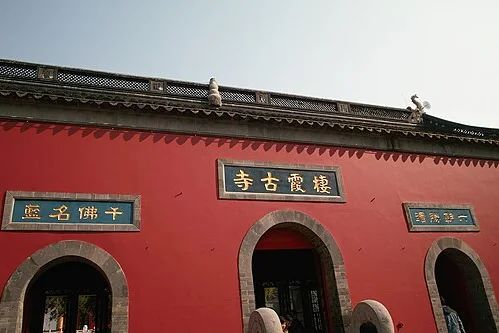
This page refers to the same temple at the eastern foot of Jilong Mountain in Jingjing. The ancient characters are part of the related temple names and titles on the plaques.
- Does Jiming Temple guarantee marriage results?
Not guaranteed. You can express your feelings for understanding in relationships, family care, and your own growth. A temple or a blessing should not determine other people's choices.
- Location
- Nanjing, Jiangsu Province·Chicken Coop Shandong Foothills
- History of temple name
- The name of Jiming Temple during the Hongwu period of the Ming Dynasty
- Important Topics
- Pilu Hall, Medicine Master Pagoda and Guanyin
- Contemporary Tradition
- Nuns’ study, education and public welfare
In Jiming Temple, put the things you care about
The pharmacist, Guanyin and the nuns at Jiming Temple each have clues. Family well-being, understanding in relationships, and patience in studying can all start from the specific palace and one's own experience, not just a marriage label.
Recuperation and care of family members
Get to know the pharmacist theme and write about the immediate needs of loved ones and caregivers.
Continue to learn →Listening and understanding in relationships
From Guanyin's compassionate reading, we should not reduce the temple to just seeking marriage.
Continue to learn →Compare Nanjing Qixia Temple
The halls of the temples in the same city are different from the academic inheritance, and the original connection is retained.
Continue to learn →From the memories of the Southern Dynasties to the names of temples in the Ming Dynasty, see the historical levels respectively
The area where Jiming Temple is located preserves the historical clues of the Western Jin Dynasty Taoist Temple, and Tongtai Temple in the Southern Dynasties has entered the relevant cultural memory. The names of the early ashram, the royal temple, and the later Jiming Temple each have their own historical backgrounds; the buildings and restorations of the past dynasties jointly continue the Buddhist life in the mountains, making it possible to understand both faith and city history when visiting today.
It was rebuilt in the 20th year of Hongwu's reign in the Ming Dynasty and named Jiming Temple. The name of the temple is associated with the meaning of hearing the chickens dancing and being diligent in the morning. Such a name provides today's readers with an understanding that is close to daily life: learning, self-cultivation and hard work also exist in recurring ordinary lives.
The Qing Dynasty inscriptions, repairs and later pavilions add different memories. Ancient temples have experienced damage, restoration, and spatial changes. Today, the relationship between mountains, forests, courtyards, and urban landscapes includes these ongoing histories, rather than belonging to a certain dynasty.
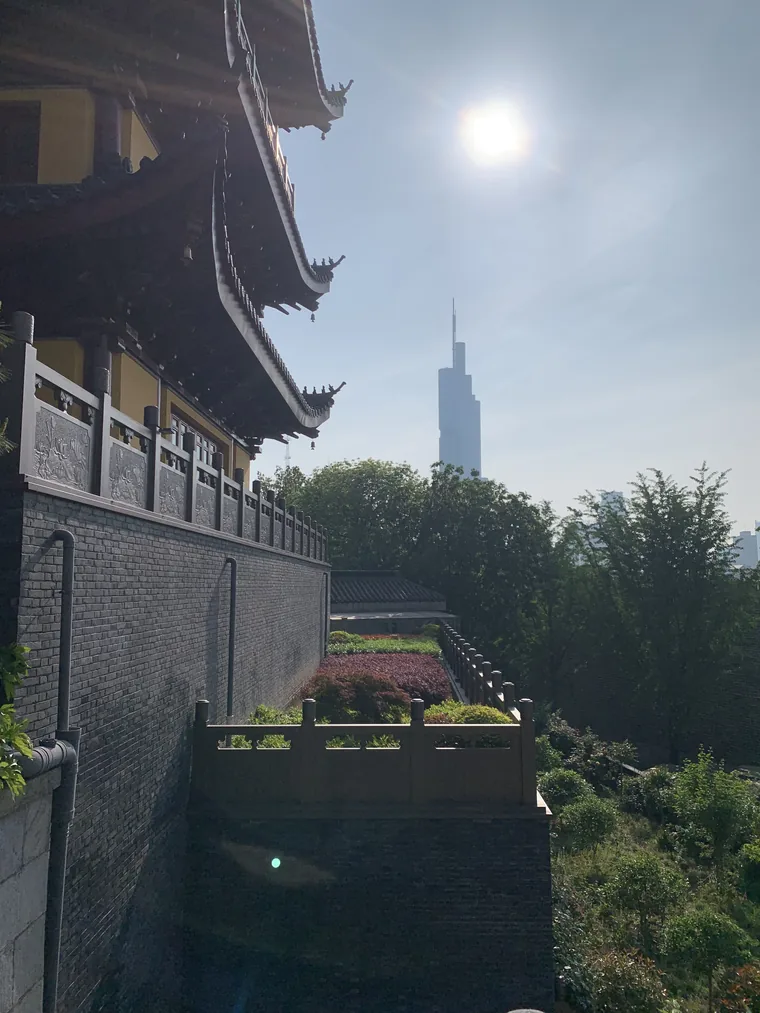
Follow history and understand Jiming Temple
- Western Jin Dynasty
Early Dojo Clues
The local introduction traces the Buddhist activities in this area to the Western Jin Dynasty, and the names of early monasteries and later temples are recognized separately.
- Southern Dynasties Liang Dynasty
Cultural memory of Dong Thai Temple
The royal temples and Buddhist activities of the Liang Dynasty constitute an important layer in the historical narrative related to Jiming Temple.
- 1387
The name of Jiming Temple
It was rebuilt in the 20th year of Hongwu in the Ming Dynasty. The name Jiming Temple is associated with the meaning of Chenxing's hard work.
- 1958
Changed to nun ashram
The monastery gradually developed the tradition of nuns’ study and education.
- 1985
Reopen after repair
During the reconstruction and restoration of the temple, public visits have resumed, and academic life has also continued.
- 1990
Rebuilding the Medicine Buddha Tower
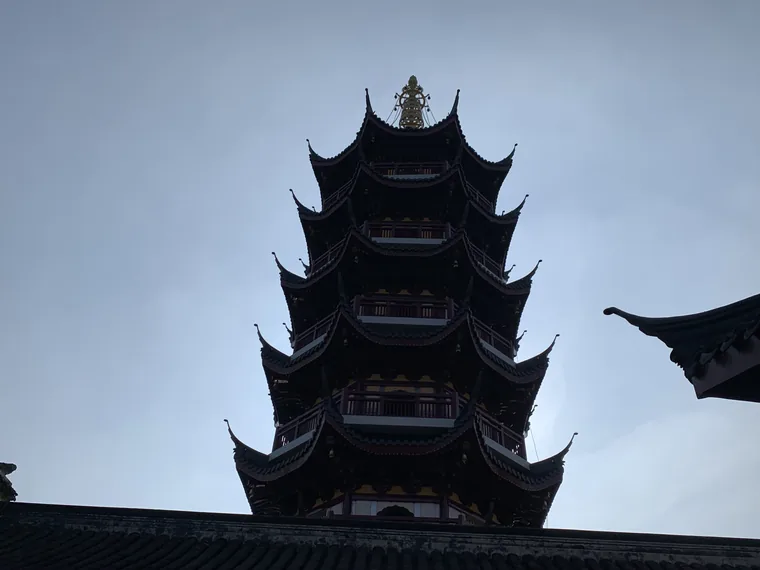
The modern reconstructed tower body with seven floors and eight sides adds distinct clues to the mountain temple and urban landscape.
The Medicine Buddha Tower and Guanyin Tower, each has its own place for worship themes
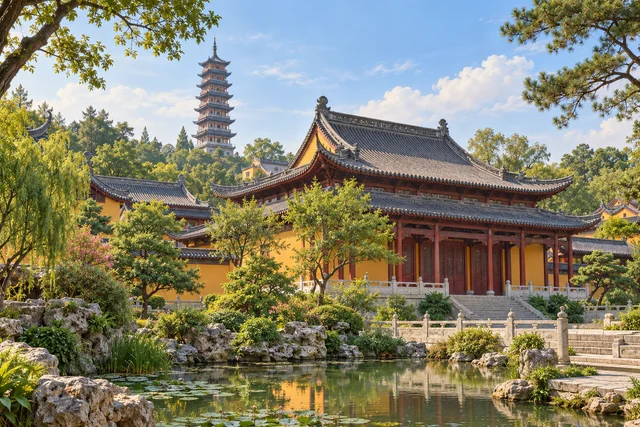
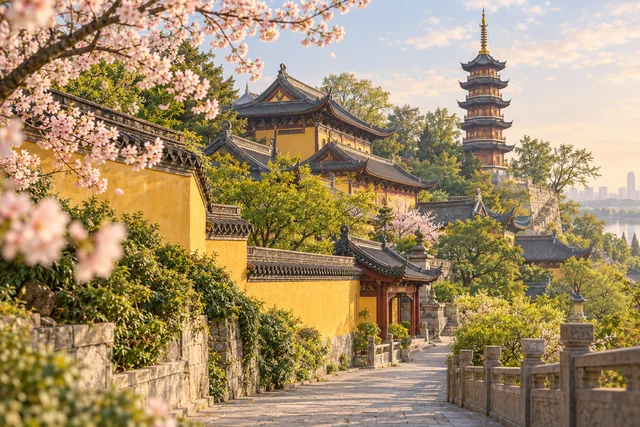
Today the Medicine Buddha Pagoda was rebuilt in 1990. The seven-story and eight-sided tower has become an important image to identify Jiming Temple. The bronze statue of the pharmacist in the pagoda has another historical layer. The tradition of statues and modern architecture are connected here, making the ancient temple's worship of the pharmacist continue to be recognized after reconstruction.
The Medicine Man theme is associated with well-being and care, while Guanyin culture emphasizes compassion and listening. The upside-down Guanyin and related couplets in the Guanyin Tower often remind people of looking back at their own lives. This kind of cultural expression can lead to introspection without turning into a promise that a certain type of wish will come true.
Vairocana is central to Pilu Hall, associated with Dharmakaya and illuminating light. The principal hall, Medicine Buddha Pagoda and Guanyin Pavilion have distinct themes. Understanding them helps keep Buddhas, bodhisattvas and patriarchs separate when expressing wishes.
Nuns’ studies and daily life in the city, the ancient temple is not just for the flower viewing season
In 1958, Jiming Temple was converted into a nuns’ ashram. Later restoration and opening, along with the development of education, culture and public welfare, made this place not only a space for the public to understand Buddhism, but also a place for continuous living and learning.
The Prajna Corridor and Buddhist education allow the public to understand the spiritual life outside the temple. Texts, lectures, and daily practices together constitute inheritance. Understanding requires long-term accumulation, and learning continues throughout the year. By reading Jiming Temple through these contents, you can appreciate how ancient temples bring teachings into contemporary life.
By writing your thoughts here, you can get care for your family, stay patient for your studies, gain more understanding for your relationship, and thank those who help you. Wishes do not need to rely on complex expressions to be complete; letting wishes also include their own responses will be closer to those who really care about daily life.
In Jiming Temple, family affection, emotion and growth are expressed separately
Nanjing Jiming Temple In addition to the ancient temple and city scenery, there are also clues to the nuns' practice, the Medicine Buddha Pagoda and Guanyin culture. To understand this, you can first ask yourself whether what you care about most is family recuperation, understanding in relationships, or the direction of study and life, and then read the corresponding specific topics.
The Medicine Buddha's care and Guanyin's listening provide sustenance of happiness and compassion respectively. Emotional wishes include not only meeting your partner, but also how to communicate with people who are already together, how to feel at ease when you are in a different place, and whether your family can understand each other. Writing the true situation clearly can convey your heart better than just leaving the word "marriage".
A shared visit to Jiming Temple with loved ones can itself be a reason to choose it. To give thanks, recall your original concern, what has changed and how you want to express gratitude. Cherry blossoms, tower visits and other memories are not automatically included as specific items in a basic visit.
Understanding the halls and the figures within them
| Palace or space | Figures and cultural roles |
|---|---|
| Pilu Palace | Vairocana Buddha |
| the Medicine Buddha Tower | the Medicine Buddha |
| Guanyin Tower and Guanyin Temple Theme | Guanyin Bodhisattva |
| Prajna Gallery and nuns’ cultural studies | Buddhist education, writing and practice inheritance |
Pilu Palace
Principal figures: Vairocana Buddha
Vairocana Buddha is connected with the Dharmakaya of Buddhism to express universal truth and perfect enlightenment. Light is an important clue for people to understand his name and image. The meaning of the Dharmakaya transcends a person's life story and points to the reality explained by the Buddha's teachings. By paying homage to him, people often hope for increased happiness and wisdom, understanding of affairs and clarity of mind, and they are also willing to view their own and other people's situations with a broader and more equal mind.
Jiming Temple The Vairocana Temple is centered on Vairocana, and the gold-plated statues present solemn and bright images in the specific temple. The Dharmakaya theme enables worship to focus on understanding things, increasing blessings and wisdom, and viewing situations with a broad mind. The willingness to see one's own choices clearly, learn perseverance, and maintain equal care in relationships can all be developed from this educational culture.
Associated wishes: You can pray for wisdom for inner clarity, academic studies and life direction, and explain the issues you most want to understand. If you have been affected by gains and losses recently, you may also want to be calm and gentle with others, so that understanding yourself and caring for others can support each other.
the Medicine Buddha Tower
Principal figures: the Medicine Buddha
The Medicine Buddha, whose full name is Bhaisajyaguru (the Medicine Buddha), is the main deity of the Oriental Glazed Pure Land. The Twelve Great Vows care about the suffering, physical and mental well-being, and food and clothing of all living beings. The pure and bright light of colored glaze has become a vivid image of this vow. Therefore, people often send their wishes to the Medicine Buddha for the health of their loved ones, the longevity of their parents, a stable rest, and a less troubled life. The wishes include both life and daily care.
Jiming Temple the Medicine Buddha The tower was rebuilt in 1990 to show the respect of the medicine master, and the bronze statue in the tower preserves another historical level. The pagoda and the Buddha statue give concrete hope to the purity of the glass and the peace of mind and body, and also allow people to understand how the tradition of the ancient temple has been reconstructed and continued. Wishing relatives and friends good health, smooth care, and less worries in daily life can be expressed by the care of the pharmacist's twelve wishes.
Associated wishes: You can write down the family members you care about most and the care they need, praying for physical and mental stability and good luck and support. If you live overseas, you can also thank the people who have taken care of you, wishing them the same good health, and let the blessings remember to continue to support the efforts of your loved ones.
Guanyin Tower and Guanyin Temple Theme
Principal figures: Guanyin Bodhisattva
The name of Guanyin (Avalokiteshvara) is associated with hearing the suffering of all living beings and responding with compassion. Different images of Guanyin allow this relief and care to enter various life situations, so people often pray for the well-being of relatives and friends, safe travels, and help in difficulties. Compassion also includes understanding the needs of others, so family relationships, thoughts and gratitude can all become concrete and intimate thoughts in Guanyin worship.
Jiming Temple Guanyin The culture of Guanyin and couplets often makes "turning back" a clue to understanding self-examination and compassion; later generations of statues and temple restorations continued this theme. The wish for family relationships can be expressed through the desire to be understood and the desire to take a closer look at the situation of others, so that listening, reflection and gentle response are interconnected. Guanyin's theme of compassion covers family care and understanding, and should not be reduced to a marriage label; it should also be recognized separately from the Medicine Buddha's theme of happiness.
Associated wishes: It can be used to wish for understanding in getting along, well-being and peace of mind for relatives and friends, indicating the most cherished relationship. If you have unspoken gratitude, you can also write it down. I hope each other will be more patient and let your care be heard in familiar and specific words. When your partners or family members are separated by distance, you can write about communication, trust, and expectations for reunion to preserve the true feelings of both parties.
Prajna Gallery and nuns’ cultural studies
Cultural role: Buddhist education, writing and practice inheritance
Prajna is the Buddhist name for wisdom, concerned with how to understand things and recognize troubles; nun education allows the teachings to be continued through listening, learning and practice. The Prajna Corridor, texts and academic life together show the culture beyond the temple of Jiming Temple, allowing the public to see that the ancient temple is also a place for continuous knowledge and teaching, and that there is a specific background for cherishing teaching and growth.
The Prajna Corridor of Jiming Temple is connected with the nuns’ learning tradition, connecting the history of the ancient temple with contemporary learning and life. To understand these spaces, we can understand how wisdom is accumulated through words and education, and we are also grateful to those who continue to teach and preserve the teachings. Each teaching activity has its own scope of participation, and specific courses and openings are arranged according to the temple; for general visits, you can first understand this learning spirit through cultural introduction.
Associated wishes: You can express your gratitude to your teachers for studying, staying humble, and wishing you have the patience to ask for advice and cherish what you have learned. If you wish to participate in a certain learning activity, you can first state your needs and then confirm the public participation format and on-site arrangements.
Write down the concerns in culture as your own wishes
My family is stable and I am willing to take care of them promptly.
the Medicine Buddha Tower·Care and Wellbeing Theme
The twelve great wishes of Bhaisajyaguru (the Medicine Buddha) concern suffering, physical and mental well-being, and daily necessities. Jiming Temple the Medicine Buddha makes this concern a distinct theme of worship. By wishing your family a stable life, you can hope that your body will be taken care of, your heart will feel less lonely, and your caregivers will receive support. The concerns of families in two places overseas can be solemnly expressed in this culture.
You can write down the recent care needs of relatives and friends, and pray for physical and mental stability and smooth care. You can also thank the medical staff, family members or people who have been with you for a long time, and wish them good health, and let the blessings care for both those who receive and those who give help.
Example of wish expression
May the family be physically and mentally stable and receive timely and appropriate care. I also hope that I can be more patient with you and share my responsibility when needed.
Listen and understand more in relationships
Guanyin Culture·Compassion and Listening Theme
Guanyin's tradition of hearing and rescuing people connects listening and responding. Jiming Temple's culture of sitting upside down also brings the meaning of "turning back" to introspection. Praying in a relationship can therefore both hope that the other person understands you, and hope that you can recognize the difficulties of others, and cherish the space for expression and change in the relationship. Compassion is here connected to everyday human relationships. If you want the relationship to get better, you can also want each other to be listened to carefully and to discuss difficulties together; people who are already together also have wishes worthy of solemn expression.
Write down the stage of the relationship and the things you have faced together, express your hope for increased understanding, trust and support, and also write down a step you are willing to adjust.
Example of wish expression
I hope we can still communicate candidly even though we are two places apart, and never forget each other’s feelings when we are busy; I hope we can get together sometime, and I hope I can learn to listen patiently and put trust and consideration into every day we get along.
Chen Xing is diligent and patient in learning
The name of Jiming Temple and the culture of nuns
The wisdom connotation of Prajna and nun education make Jiming Temple’s learning culture attach great importance to continuous understanding and inheritance. The image of morning awakening and diligence can be understood as the spirit of cherishing time and studying seriously. The desire to study also includes meeting good teachers, staying humble and persevering in what you learn. Examinations or overseas professional training can all rely on patience from this culture.
You can write down the direction you are studying, thank those who have taught you, and pray for focus and clear guidance. If your progress has been slow recently, you can also hope that your body and mind will be stable, and you will have good luck in asking for advice, so that your growth can maintain a sustainable pace.
Example of wish expression
I hope that I will take seriously the exercises I can do every day and never give up because my progress is slow; I will ask for advice when I don’t understand something and solidify the foundation bit by bit.
Looking back at myself, I am grateful for the help
Guanyin Lou·Looking Back Theme
Vairocana's themes of light and dharmakaya are concerned with the understanding of reality, and Guanyin culture is associated with compassion and reflection on self-reflection. Jiming Temple's two threads keep reflection gentle: a willingness to see clearly one's own words and deeds, and a willingness to cherish those who have helped. Knowing yourself can lead to wisdom, gratitude, and a more considerate relationship at the same time.
You can tell me about your recent important awakening, thank your mentors, friends or family members who contributed to your understanding, and wish them well. If there is a relationship that you want to correct, you can also express your willingness to communicate sincerely and treat each other well, so that your desire for clarity will continue to bring care.
Example of wish expression
Thanks to those who are willing to remind and take care of me. I hope that when I look back and see these kindnesses, I am willing to correct my impatience and continue to pass on my concern.
In the image, continue to get to know each other Jiming Temple
Strolling through ancient Nanjing Jiming Temple and Ming City Wall | Nanjing Jiming Temple Ming City Wall | Cloud Walk Cloud Travel Walking POV | Roaming China
Follow the walking perspective to understand Nanjing Jiming Temple and the space around the city wall.
楚狂-漫游中国 · Bilibili · in Bilibili Watch original video
The image includes two adjacent locations, Jiming Temple and Ming City Wall. All scenes along the way are not considered temples. Routes and opening conditions at the time of filming do not represent current arrangements.
If playback is restricted by the network or platform, the original video entrance can be used.
Commissioned services and fees
$221 USD · Basic service fee
In the ancient Jiming Temple, write down your thoughts for care and growth
The basic commission includes tickets, incense, Buddha worship and making wishes; pictures and video visit records correspond to the specific temple, the selected offerings and this commission, and are delivered privately.
You can also entrust your family together. It is recommended that there be no more than 3 people per order, so that you can express your feelings one by one.
A private visit record will be provided 1-2 working days after the service is completed.
Anxin provides entrusted services independently and does not represent the temple. Basic commissions do not automatically include tower climbing, designated teaching activities, special rituals or specific seasonal landscapes. Special needs must be confirmed first.
Select your wish, desired date and offerings and submit the request, then add official customer service for verification. Submission does not mean successful reservation, payment or seat reservation.
Yes Submit request and confirm with our team . There is no need to log in for consultation; the appointment has not been successful after submission.
About Jiming Temple , you may also want to know
Do I need to select Ancient Jiming Temple and Jiming Temple separately?
This page refers to the same temple at the eastern foot of Jingjilong Mountain. The different names do not represent two independent commission locations.
Is the Medicine Buddha Pagoda the original Southern Dynasty Pagoda?
The current pagoda was rebuilt in 1990. The early dojo and the current pagoda were built in different years and should be recognized separately.
Are the Medicine Man and Guanyin the same person?
No. The Medicine Buddha and Guanyin Bodhisattva each have their own identities and cultural themes, and they should not be confused because they are both related to care.
Is Guanyin culture only about seeking marriage?
Guanyin themes can be recognized through compassion, listening, family care and self-reflection, expressing feelings for understanding in relationships and well-being for family and friends.
Does the nun monastery indicate that you can directly participate in teaching?
The temple has a continuous study and practice life for nuns. Whether specific teaching or study activities are suitable for public participation needs to be confirmed according to actual arrangements.
Can the commission ensure that you can take photos of cherry blossoms or climb the tower to enjoy the distant view?
Not guaranteed. Flowering period, weather, open space and image range have their own actual conditions, and the basic commission does not automatically include specific natural landscapes or tower climbing projects.
Jiming Temple is suitable for writing about emotional wishes. Can you express your wishes even if you are married or in a different place?
It can be written from the understanding, trust, shared responsibility and expectation of reunion in the relationship. Explain the current stage of getting along, the relationship you want to cherish most, and how you hope to take care of each other, so that your wishes can be closer to real life.
How can I clearly express wishes for my family's wellbeing alongside my own studies?
Just divide it into two paragraphs: first write which family member needs what kind of care, and then write the learning stage and required guidance. You can also thank the people who take care of your family and the teachers and friends who patiently teach you.