Quick understanding
- Where is Huayan Temple located on this page?
This page refers to the Huayan Temple in the ancient city of Datong, Shanxi, not the temples of the same name in other cities. Shangxia Temple belongs to the historical layout and title here.
- Which figures are venerated in the main hall?
There are statues of the Five Buddhas and Protectors of the Ming Dynasty in the hall. The existing main hall building was rebuilt in the Jin Dynasty; the building and the Buddha statues are not from the same era.
- What’s so special about the Bhagavan Temple?
It preserves the colorful sculptures of the Liao Dynasty, the theme of the Three Buddhas and the exquisite wooden wall collections, Tiangong pavilions, and the worship, scripture collection and architectural art are connected in the same space.
- Location
- Datong, Shanxi·Southwestern corner of the ancient city
- Temple orientation
- Sit west and face east
- Two sets of core buildings
- The Mahavira Hall and the Bhagavan Palace
- Artistic level
- Liao sculptures, gold structures, Ming statues and Qing Dynasty murals
In Huayan Temple, put the things you care about
The Liao and Jin temples, the colorful sculptures of Buddhas and Bodhisattvas of the Five Directions in Datong Huayan Temple provide cultural entrances for seeking wisdom, understanding and gratitude in relationships; by first seeing the different levels, you can also explain your own problems more clearly.
Clarity in complex choices
Combined with the wisdom theme of the five Buddhas, write down the decisions about studying abroad, work or family in detail.
Continue to learn →Understand the difference between temples and painted sculptures
The five Buddhas in the main hall, the Bodhisattvas in the teaching hall and the wall treasures each have their own identities and artistic origins.
Continue to learn →Continue to understand Wutai Manjusri culture
Learn about the Manjusri wisdom theme of Xiantong Temple separately, and then choose according to your own connection.
Continue to learn →Several eras in a main hall: golden structures, Ming statues and Qing murals
The history of Huayan Temple can be traced back to the Liao Dynasty and has close ties with the Liao royal family and Buddhist culture. It faces east from the west, and its location and orientation in the ancient city have distinctive characteristics. After renovations in the Ming Dynasty, the historical layout of upper and lower temples was formed, with each temple retaining its different emphasis.
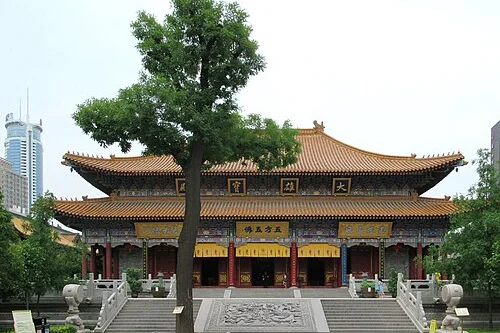
The existing Daxiong Hall was rebuilt on the old site in the third year of Jin Tianjuan's reign. The tall platform base, wide hall surface and single-eaves verandah roof together create an imposing atmosphere. When viewing this building, you can first pay attention to the relationship between the roof, beams and space, and then enter the details of the Buddhist altar and murals, instead of just recognizing it by its size.
The five Buddhas in the hall belong to the Ming Dynasty, and the paintings on the four walls are mainly from the Qing Dynasty. The Buddha statues, Dharma protectors and murals together form today's palace experience, but they are not a complete whole at the same time. An ancient temple can accommodate care and creation from different eras, which is where its history lies.
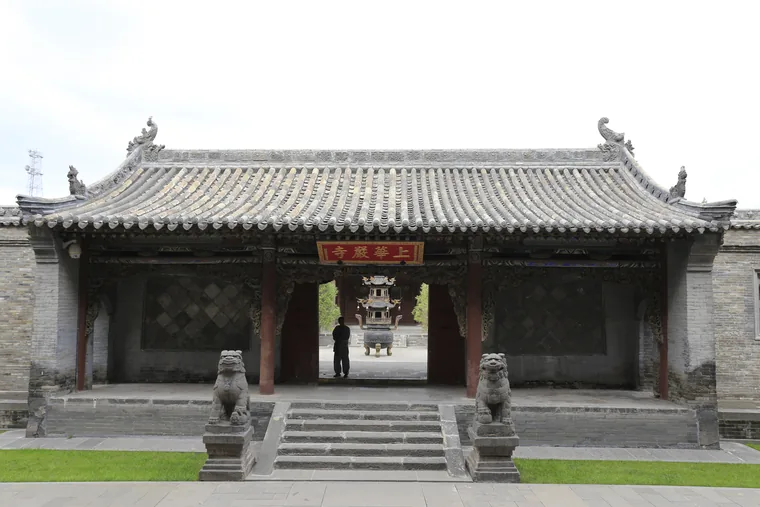
Follow history and understand Huayan Temple
- 1038
Architectural clues of the Liao Dynasty Jiaozang Hall
The Bojiajiao Palace was built in the seventh year of Chongxi reign of the Liao Dynasty and has become an important space for understanding the palaces, painted sculptures and wall collections of the Liao Dynasty.
- 1140
Rebuilding the Main Hall
In the third year of Jin Tianjuan's reign, the Main Hall was rebuilt on the old site. The existing hall has different dates from the early Liao Dynasty.
- Ming Dynasty
Restoration and Buddhist Statue Art
The temple renovation has formed the historical pattern of upper and lower temples, and the five-direction Buddha in the Main Hall also preserves the hierarchy of Ming Dynasty statues.
- Qing Dynasty
Murals continue the art of the palace
The paintings in the Main Hall add Buddhist stories, sermons, Bodhisattvas and other themes to form a new artistic level.
- 1961
National Cultural Relics Protection
Huayan Temple was included in the first batch of national key cultural relics protection units, and important architectural and artistic relics are continuously protected.
The Boji Temple, the colorful sculptures and the wooden world echo each other
The Huayan Temple is an important space for Liao Dynasty architecture and art. In the hall, there are colorful sculptures such as the Three Buddhas, Bodhisattvas, Heavenly Kings and donors, showing different identities, postures and expressions. The folds, center of gravity and mutual relationship of the characters make the viewing more than just a frontal photo.
The statue of the Bodhisattva with his hands together and his teeth exposed is particularly attractive. The smile, gestures and body posture together create a soft and vivid atmosphere. It preserves the natural and intimate artistic expression among the colorful sculptures of the Liao Dynasty, allowing solemnity and warmth to reflect each other. From the expressions, clothing patterns and the relationship between the group portraits, we can understand how ancient craftsmen expressed the emotions of respect.
The walls of the hall are decorated with scriptures and Buddha statues in the style of a wooden double tower. The Tiangong pavilions on the back wall form an exquisite small architectural world. The large halls and small pavilions reflect each other, making the Tibetan scriptures not only store texts, but also enter an order composed of architecture, craftsmanship and worship.
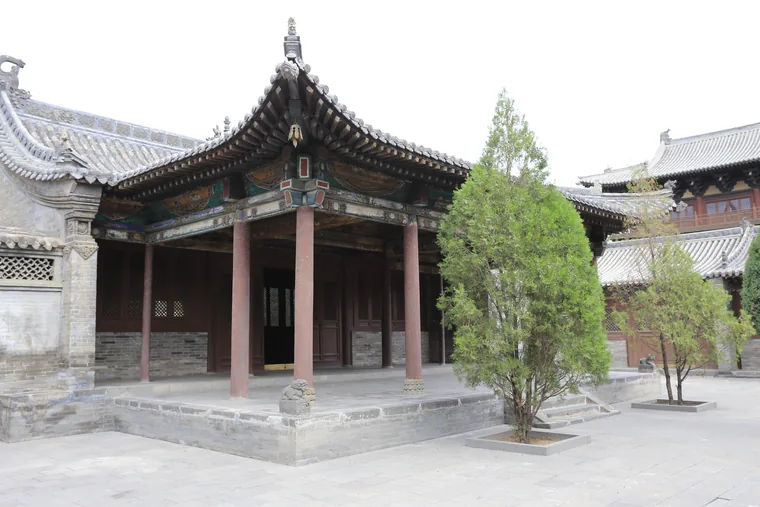
From upper and lower temples to different images, learn to see in a layered manner
Shangxia Temple is a group of names to understand the historical layout of Huayan Temple. The Main Hall and the Boji Temple each preserve important contents. The former presents a grand palace and five Buddhas, while the latter preserves the colorful sculptures, wall collections and Tiangong pavilions of the Liao Dynasty. The differences in art, era and function within the same temple make the visit rich.
The Five Buddhas, the Three Buddhas, Dharma protectors and donors are not interchangeable labels. Buddhas and Bodhisattvas, gods and human figures each have their own context; even if a group of sculptures are stored in the same Buddhist altar, the relationship should be identified first, and then the religious culture it expresses should be understood, rather than re-dividing labor according to wishes.
Desires can also have their own levels. Some people want to learn to understand, some care about the care of their families, and some just want to regain a little stability in their busy life. Writing down the specific situation clearly and explaining how you would like to respond can naturally connect your stay at the ancient temple with your actions after returning to daily life.
Exploring figures and choosing a visit at a temple with Liao and Jin heritage
Huayan Temple is located in Datong, Shanxi. Liao and Jin architecture, later Buddhist statues and murals together form a readable historical layer. The spatial names of the upper and lower temples do not indicate the different levels of gods and Buddhas; the Mahavira Hall, the Bodhisattva Hall and the sutra collection art should not be summarized into a general "wisdom-seeking hall".
The theme of the five Buddhas and spiritual practice here can carry the desire to be clear and patient when facing complex choices; the gentle Bodhisattva sculptures in the teaching hall also provide close cultural clues for family members to get along with each other and understand different feelings. Pursuing knowledge and caring can go hand in hand, and there is no need to separate studies, career and family relationships into unrelated labels.
If a hall or statue connects you to Huayan Temple, retain that specific memory in your request. To give thanks, add the original wish, what has changed and any promise. A wish can be sincere and simple; the number or camera angles of cultural images do not measure the completeness of your intention.
Understanding the halls and the figures within them
| Palace or space | Figures and cultural roles |
|---|---|
| Main Hall | Five Buddhas and Protector Statues |
| Painted Sculptures of the Buddhist Altar in the Boji Temple | The Three Buddhas, Bodhisattvas and Heavenly Kings and other themes |
| Bojiajiao Tibetan Palace, Wall Tibet and Heavenly Palace Pavilions | Sutra Collection, Wooden Structure and Small Architectural Art |
Main Hall
Principal figures: Five Buddhas and Protector Statues
The Buddha of the Five Directions unfolds the Buddhist worldview with the center and the four directions. In the explanation of the Five Wisdoms Tathagata, different wisdoms are connected to express the vastness and perfection of enlightenment. The guardian statue assumes the role of protecting the practice. The statues of the Five Buddhas enable the mind seeking wisdom to transcend temporary answers and be able to care about understanding things, practice perseverance, and view all living beings with a broad mind.
Huayan Temple Main Hall preserves different levels of reconstruction of the Jin Dynasty architecture, Ming Dynasty Five Directions Buddha and Qing Dynasty murals. Buddha statues, Dharma protectors and palace art together constitute the historical landscape that can be seen today; the names and locations of the statues are also discussed in the study of statues. Understanding the theme of enlightenment and protection from the overall combination, one can understand the cultural sustenance of seeking blessings and wisdom, willing to learn deeply and have a stable mind. The overall theme of the Five Buddhas should be read separately from the three Buddha combinations commonly seen in other temples, and the names of each Buddha should not be guessed based on the number or appearance of the Buddha statues.
Associated wishes: You can pray for a clear understanding of complex situations, perseverance in learning, and family stability, and explain the issues you most want to understand. If you are faced with different viewpoints overseas, you may also wish to have humility, clear judgment, and good teachers and friends, so that you can seek wisdom and retain a broad perspective. When faced with the choice of further education, relocation or job, you can write down the different factors and the help you need, so that wisdom can correspond to the real problem at hand.
Painted Sculptures of the Buddhist Altar in the Boji Temple
Principal figures: The Three Buddhas, Bodhisattvas and Heavenly Kings and other themes
The Three Buddhas express the continuation and vastness of Buddhist enlightenment through different combinations of time or Buddhist kingdoms. The Bodhisattva expresses compassion, wisdom and aspiration, and the King of Heaven assumes protection. Various identities meet in the group of colorful sculptures, forming a rich relationship among education, care and protection. Respect and viewing can thus carry blessings, wisdom, safety to relatives and friends, and continuous practice, and also allow abstract culture to be transformed into human gestures.
The Liao Dynasty colored sculptures in the Bojiajiao Palace are famous for their natural expressions and exquisite shapes. The Bodhisattva with folded palms and exposed teeth is one of the distinctive images. Different characters jointly preserve the history of worship and art, allowing people to feel the solemnity and also see the intimate and gentle expressions. This wish for understanding in getting along, stability for the family, and generosity of heart has its own unique cultural background of statues.
Associated wishes: You can wish for health and peace of mind for your relatives and friends, and also pray for good luck for your own learning and understanding. If communication has been irritable recently, you can write down the relationship you cherish most, hoping that each other will be heard, and let your gentle thoughts have a specific target.
Bojiajiao Tibetan Palace, Wall Tibet and Heavenly Palace Pavilions
Cultural role: Sutra Collection, Wooden Structure and Small Architectural Art
The wall collection uses an architectural wooden structure to house the scriptures, and the Tiangong pavilion uses small buildings to present rich layers. The scripture collection and craftsmanship jointly express the cherishment of the teachings. The preservation of text relies on writing, arrangement and maintenance, and the art of woodworking also preserves the knowledge of the craftsman. They serve as cultural themes that help readers understand how monasteries perpetuated learning and craftsmanship through generations.
The double-tower-style wall hangings on the four walls of the Bojiajiao Hall and the Tiangong pavilions on the back wall belong to the architectural art of the hall, and complement each other with the colorful sculptures of the Buddhist altar. Looking at these spaces, one can understand the culture of the Liao Dynasty from scriptures and structures, and also cherish the efforts of later generations of protectors. The actual visit and shooting must respect the on-site arrangements of cultural relics. Cultural preservation itself can carry the intention of being grateful to teachers, perseverance in learning and cherishing inheritance.
Associated wishes: You can thank the people who taught you and the labor of preserving culture. May the important knowledge and memories be properly taken care of. If you want to record a specific cultural relic space, you can explain your needs and then confirm the scope of visiting and shooting allowed on site.
Write down the concerns in culture as your own wishes
See the levels clearly and see your own choices clearly
Main Hall·Five Directions of Buddha and Study Theme
The Buddhas of the Five Directions express the vastness of enlightenment with themes of orientation and wisdom. The buildings, statues and murals of different eras in the hall have their own levels. Huayan Temple therefore makes "seeing clearly" both a cultural reading and a desire for wisdom in life: a willingness to understand different factors, reduce impetuous judgments, and still have discernment and determination in complex situations. When faced with cross-cultural learning and career choices, Qingming can also be willing to listen to different opinions and patiently compare, rather than eagerly looking for a definite answer.
Explain the choices that need to be made at present, what you still don’t understand and the preparations you have made; you can also write about what kind of guidance and support you hope to encounter.
Example of wish expression
I hope that when I face new study and job choices, I can clearly understand the importance, patiently seek verification, and listen to different opinions; I hope that I can meet mentors who are willing to guide me, that what I learn can help me, and that I can be kind to the people around me.
Remain gentle and considerate in dealing with each other
Jiaozang Hall·Bodhisattva statues and the theme of compassion
The Bodhisattva is worshiped with compassion and concern, and the colorful sculptures in the Bodhisattva Tibetan Palace make this culture more accessible with their gentle demeanor. The image of palms together and toothy expression preserves the naturalness and warmth in the salute, so that prayers for relationships can be based on consideration, goodwill and mutual understanding. May family members get along harmoniously, and also cherish the feelings in different situations.
You can write down the relationship you most want to improve, and pray for each other to have more patience and space for expression. When you live overseas, you can also write down the gratitude or condolences you want to convey most, hoping that the relationship despite the distance will still be cared for with tenderness.
Example of wish expression
I wish my family members could be more gentle when getting along, and I wish I would not rush to make judgments; I would like to listen clearly first, so that my concern can be felt by the other party.
Cherish knowledge and be grateful to those who teach you
Wall collection·Scripture and craft inheritance culture
The wall collections of the Bojiajiao Palace preserve the scriptures, and the heavenly palace pavilions and colorful sculptures embody the inheritance of craftsmanship. Therefore, knowledge can see the efforts of teachers, writers and protectors. Thanks to teachers, we can also cherish the culture that carries knowledge. The desire to learn can thus include a desire to understand deeply, to encounter guidance, and to have a responsibility to preserve what has been learned.
You can express your gratitude for an important teaching, write down how it helped you, and wish the teacher good health. When you are studying abroad or entering a new field, you may also wish to be attentive, humble, and ask for advice to have good karma, so that you can remember the support you have received.
Example of wish expression
Thanks to those who patiently teach and preserve knowledge. May I cherish what I have learned, honestly ask for advice when I don’t understand, and use it seriously after I understand.
Let important things be taken care of continuously
Restoration of ancient temples and inheritance of culture
Liao and Jin architecture are preserved together with later statues and murals. Huayan Temple has a long history, and the continuation of cultural relics also relies on the care of different generations. The theme of Buddhist protection and cultural preservation thus echo each other, so that gratitude is not only oriented to the visible temple, but also cherishes the people who continue to bear the burden. Praying for important things for a long time can be understood from this historical experience.
You can write down a relationship, tradition or memory that you want to cherish most, and pray for the guardian's health, care and support. If family members are preserving a shared home and memories in a distant place, you can also express your gratitude to them, giving a concrete touch to long-term expectations.
Example of wish expression
I hope that I will not only know how to cherish when I lose, but also seriously maintain important relationships in daily life; I will procrastinate less and take more visible care.
In the image, continue to get to know each other Huayan Temple
Baosha Dharma Realm is the same today and in ancient times, visit Datong Huayan Temple | Datong, Shanxi | Huayan Temple | Roaming China | Cloud Travel Immersive Hiking First Person White Noise 4K60
Follow the walking video to get closer to the Liao and Jin buildings and courtyards of Huayan Temple in Datong.
楚狂-漫游中国 · Bilibili · in Bilibili Watch original video
The video revolves around the Huayan Temple in Datong, Shanxi, helping to understand the spatial relationship between the Mahavira Palace and the Boji Temple. The levels of ancient statues and later reconstructions can be understood in conjunction with the text.
If playback is restricted by the network or platform, the original video entrance can be used.
Commissioned services and fees
$227 USD · Basic service fee
In Datong Huayan, write down your thoughts for wisdom and long-term cherishment
The basic commission includes tickets, incense, Buddha worship and making wishes; pictures and video visit records correspond to the specific temple, the selected offerings and this commission, and are delivered privately.
You can also entrust your family together. It is recommended that there be no more than 3 people per order, so that you can express your feelings one by one.
A private visit record will be provided 1-2 working days after the service is completed.
Anxin provides entrusted services independently and does not represent the temple. Basic commissions do not automatically include special rituals, close-up photography of cultural relics, or entry into special spaces. Special needs must be confirmed first.
Select your wish, desired date and offerings and submit the request, then add official customer service for verification. Submission does not mean successful reservation, payment or seat reservation.
Yes Submit request and confirm with our team . There is no need to log in for consultation; the appointment has not been successful after submission.
About Huayan Temple , you may also want to know
Do the Upper and Lower Huayan temples imply different ranks of Buddhas or deities?
The Shangxia Temple is a historical layout and title, which respectively preserves important architectural and artistic contents such as the Mahavira Hall and the Bhagavat Palace.
Are the Main Hall and the Buddha statues in the hall both from the Jin Dynasty?
The existing main hall was rebuilt in the Jin Dynasty. The Five Directions Buddha preserves the level of Ming Dynasty statues. The Qing Dynasty murals have their own age and should be recognized separately.
Are the Five Buddhas the Three Buddhas?
The names and contexts of the two combinations are different. The Mahavira Hall and the Bhagavan Hall of this temple should be understood based on their respective actual themes.
Is it possible to identify the name of the Bodhisattva with his palms together and his teeth exposed?
You can understand the Liao Dynasty color sculpture art from the palms together, smiles and body postures, and put it back into the relationship between the whole group of characters.
Is Tiangong Pavilion another temple that can be entered independently?
This is a small wooden architectural art in the teaching hall, which is connected to the sutra collection space and is not another independent commissioned temple.
Does the commission guarantee that all Liao Dynasty painted sculptures will be photographed?
Not guaranteed. The cultural relic space and shooting range need to be confirmed according to the permission of the venue. Basic commissions do not automatically include all close-up images of cultural relics.
Where can I begin reading about Huayan Temple when expressing wishes about studies or career choices?
First read the Five Directions Buddhas and Practice Topics in the Mahavira Hall, and then write down clearly the problems you are facing, the discernment you hope to gain, and your preparations. If you are also concerned about your family members, you can express your feelings of getting along and taking care of them respectively.
What is the connection between the artistic introduction of Huayan Temple and the wish to worship Buddha?
Statues help people understand the meaning of compassion, wisdom and protection. Wall collections and ancient buildings make people cherish, teach and preserve them. After understanding, you can write your gratitude to teachers, family members and helpers in your own words.