Quick understanding
- Which distinctive figures are venerated at Qixia Temple?
The Lord of Vairocana Hall is dedicated to Vairocana Buddha, the Maitreya Hall is dedicated to Maitreya and Wei Tuo; the three sacred temples of Thousand Buddha Cliff are dedicated to Amitayus Buddha and Guanyin, Mahasthamaprapta Bodhisattva, which belongs to the combination of the Western Three Saints.
- Are the Three Holy Temples and the Three Buddha Caves the same thing?
No. The Three Holy Temples are a combination of one Buddha and two Bodhisattvas. The three-walled cave with three niches on the side also has the theme of three Buddhas. They cannot be combined just because the numbers are the same.
- Is Qixia Temple just a place for autumn maple viewing?
The temple has its own culture of worship and study throughout the year. The ancient grottoes, pagodas and Sanron sect traditions are also worth knowing. The value does not depend on the red leaves of a certain season.
- Location
- Nanjing, Jiangsu·Qixia Mountain
- Early History
- Southern Qi Buddhism and clues to Qixia Jingshe
- Inherited characteristics
- Three discussions on ancestral culture
- Cultural relic clues
- Thousand Buddha Cliff, Ming Zhengjun Monument and Relic Pagoda
In Qixia Temple, put the things you care about
The three sages of Vairocana, Maitreya and Thousand Buddha Cliffs in Qixia Temple each have their own themes. The study and practice of the three treatises also allow the pursuit of enlightenment and discernment to have specific inheritance. The family's stability, gratitude for ancestors and desire to study can be read clearly layer by layer.
Seeking knowledge and facing choices
Learn and practice the subject of Vairocana from the Three Treatises, expressing your willingness to understand clearly and think patiently.
Continue to learn →Recognize the Three Saints in the Buddhist Temple and Grottoes
The main hall, the three holy halls and the adjacent grottoes each have their own combination of locations and statues.
Continue to learn →Compare Jiming Temple
These Nanjing temples have distinct figures and learning traditions.
Continue to learn →From living in the mountains of Nanqi to practicing the Three Treatises, there are different historical layers behind the name of the temple
The early history of Qixia Temple is related to the Buddhist activities of Sengshao, Fadu and Sheshan in the Southern Qi Ming Dynasty. There are different descriptions of mountain residences, monasteries, formal temples, and caves for statues. To understand ancient temples, you can first retain these levels without having to press all starting points into the same precise year.
Monk Lang of the Liang Dynasty promoted the Three Treatises doctrine here, making Qixia Temple an important place for understanding the Three Treatises tradition. The study of scriptures reminds people not only to stay in the external form, but also to care about how to understand, how to analyze, and how to bring the learning back to their own lives.
Reconstruction in the past dynasties has changed the appearance of the courtyard. The restored temples in modern times are of different ages than the early grottoes, Tang steles and Southern Tang stone pagodas. The continuation of ancient temples does not mean that all buildings are equally ancient; this coexistence gives a mountain temple a richer sense of time.
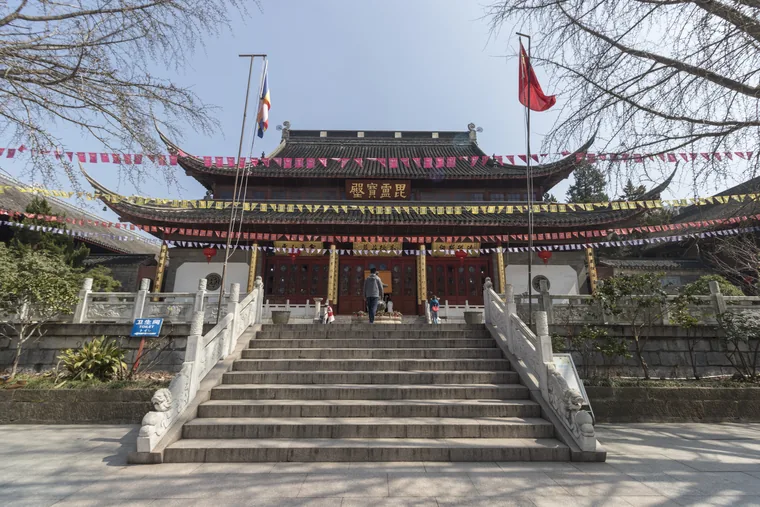
Follow history and understand Qixia Temple
- Southern Qi Period
Early dojo and cave opening
The construction of Sengshao, Fadu and Qixia jingshe and grottoes in the Ming Dynasty constitute the early history of the temple.
- Nanliang Period
Promote the Three Treatises of Doctrine
Seng Lang’s studies and teachings made Qixia Temple an important memory in the inheritance of Sanlunzong.
- Tang Dynasty
The title of Gongde Temple and the Monument of Ming Zhengjun
The history of the temple name and the inscription commemorating the Ming Dynasty monk Shao add a layer of Tang Dynasty history to the ancient temple.
- Southern Tang Dynasty
Rebuilding the stone stupa
The stone construction art of the existing stupas is separate from the pagoda-building tradition of the Sui Dynasty.
- 1392
Ming Dynasty Reconstruction
It was rebuilt during the Hongwu period of the Ming Dynasty and was awarded Qixia Temple.
- 1979
Modern renovation
Restoration and continuation of ancient temples, courtyards and Buddhist cultural life.
The three holy temples with one Buddha and two Bodhisattvas, and the three Buddha caves on the side are viewed separately
Amitayus Buddha, Guanyin, and Mahasthamaprapta Bodhisattva form the Three Saints of the West in the Thousand Buddha Cliff Sanctuary. Amitayus Buddha is Amitabha Buddha. The main Buddha is connected with the peace and happiness of the Pure Land. The two Bodhisattvas respectively unfold compassion and wisdom. The relationship between one Buddha and two Bodhisattvas gives rise to specific cultural backgrounds for relatives and friends’ blessings, inner peace and remembrance.
Next to the Three Holy Temples, there is the Three Buddha Cave with three walls and three niches. Research on the grottoes points out that their existing form also involves the possibility of additions and modifications in later generations; the origin of the grottoes, the shape of the existing niches, and the statues seen today are not necessarily just one-time completed projects.
The niches in Thousand Buddha Cliff Grottoes vary in size. They have experienced weathering, damage and repairs, but still retain different themes and sculpture techniques. The materials, postures and remaining details allow people to see the traces of time, and protection and restoration allow the art to continue to be recognized. Patiently watching these changes is also a way to understand how cultural heritage continues.
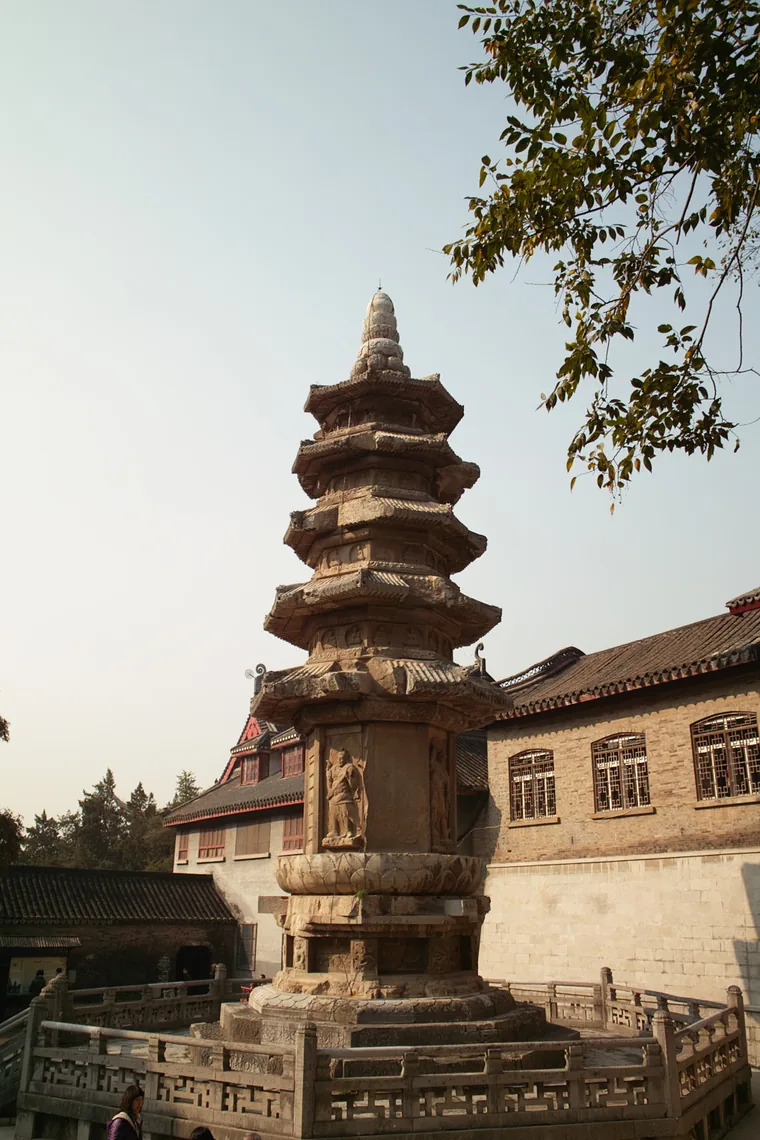
Pilu Hall and the relic pagoda: devotion and art in distinct settings
In the center of the Vairocana Hall, Vairocana Buddha is enshrined, expressing his enlightenment with his dharma body and radiant light. Brahma, Sakra and other gods appeared as protectors to respect the Dharma and protect the practice. Guanyin behind the hall also started the theme of compassion. The Lord Buddha, gods and bodhisattvas each have their own roles, and together they form a rich teaching space.
The stupa behind the temple is famous for its existing stone structure from the Southern Tang Dynasty. The base, body and carvings together reflect the Buddhist stone carving art in the south of the Yangtze River. The tradition of pagoda construction in the Sui Dynasty and the later reconstruction in the Southern Tang Dynasty should be understood separately; Thousand Buddha Cliff, Ming Zhengjun Monument and the stupa are not a group of works built at the same time in the same dynasty.
By expressing your feelings here, you can make a wish for your family’s stability, inner clarity, continuous learning, and gratitude to your teachers. Landscapes, stone carvings and tributes provide different ways to enter; even if you cannot visit in person, you can first write down your concerns and actions you are willing to take, so that your heart will not just stay on a wish label.
Learn about compassion, discernment and gratitude from the ancient temple in the mountains
Qixia Temple in Nanjing allows people to understand Buddhism step by step through the ancient temples in the mountains, the study of the Three Treatises and the art of caves. The themes of enlightenment and equality in the Vairocana Hall, the width and harmony of the Maitreya Hall, and the sustenance of the Pure Land in the Three Sacred Halls at Thousand Buddha Cliff are not different names for the same group of characters.
If you want to be clearer in your studies or life choices, you can write about the issues you want to understand and the guidance you need; when you wish for relatives and friends, you can express care, peace and mutual support; when commemorating an old friend, you can leave your title, experience and unfinished gratitude in your own words. Different minds can have their own objects and cultural origins.
Qixia Temple and Jiming Temple are both in Nanjing, but family customs and personal memories still matter. To give thanks, recall the precise hall, original wish and promise. A basic visit does not automatically cover all grottoes, mountain walks or special activities within the scenic area.
Understanding the halls and the figures within them
| Palace or space | Figures and cultural roles |
|---|---|
| Pilu Palace | Vairocana Buddha, Brahma, Sakra and the gods |
| Maitreya Temple | Maitreya and the protector Skanda |
| Thousand Buddha Cliff Three Holy Temples | Amitayus Buddha, Guanyin Bodhisattva, Mahasthamaprapta Bodhisattva |
| Stupa and stone carvings on its body | Stone Pagodas, Buddhist Stories and Stone Carving Art of the Southern Tang Dynasty |
Pilu Palace
Principal figures: Vairocana Buddha, Brahma, Sakra and the gods
Vairocana Buddha is connected with the Dharmakaya of Buddhism to express universal truth and perfect enlightenment. Light is an important clue for people to understand his name and image. The meaning of the Dharmakaya transcends a person's life story and points to the reality explained by the Buddha's teachings. By paying homage to him, people often hope for increased happiness and wisdom, understanding of affairs and clarity of mind, and they are also willing to view their own and other people's situations with a broader and more equal mind. Brahma and Sakra belong to the Buddhist heavens. They stand in the temple with the role of respecting the Dharma and protecting the practice, reflecting the respective identities of the principal Buddha and the Dharma Protector.
Qixia Temple The Vairocana Temple is centered on the golden Vairochana, with Brahma, Sakra and all the gods forming a solemn space. Behind the temple there is Guanyin and the corresponding incarnation theme. From the main deity, to the protection, to the compassionate response, you can understand the rich levels of education in the temple. I hope that clarity of mind, equal concern for others, and determination in facing situations can all be understood from this combination.
Associated wishes: It can explain the thing you want to see clearly, praying for wisdom, physical and mental stability and reliable guidance. If it is difficult to choose between different cultures or family positions, you can also be more understanding and cherish everyone's situation.
Maitreya Temple
Principal figures: Maitreya and the protector Skanda
Maitreya, free translation of Cishi, is the future Buddha in Buddhism. The common images of joy and cloth bags in the Han region make compassion and hope for the future appear close; the image of generosity also carries the desire for family harmony, good encounters, and a calm life. Paying homage to Maitreya can be understood from the two clues of looking forward to a stable future and wishing to deal with others in good faith. Wei Tuo is the heavenly general who protects the Dharma and the temple. His solemn image and Maitreya's compassionate heart jointly present joyful welcome and serious protection.
Qixia Temple Maitreya In the temple, Maitreya with a friendly smile and Wei Tuo behind him have their own identities and positions respectively. Compassion is about getting along, and support is about stability. Both of them make family harmony and daily orderliness have their own cultural backgrounds. Facing a new stage of life, Maitreya's hope can be used to pray for good fortune, and the protection theme can also be used to express the wish for peace to those who travel with it.
Associated wishes: You can wish stability and harmony to those close to you, and write down the things you most hope to understand each other. If your daily responsibilities are heavy, you can also pray for patience and support so that you can protect your kindness while taking care of your own mental energy.
Thousand Buddha Cliff Three Holy Temples
Principal figures: Amitayus Buddha, Guanyin Bodhisattva, Mahasthamaprapta Bodhisattva
Amitabha Buddha, Avalokitesvara and Mahasthamaprapta Bodhisattva are collectively known as the Three Saints of the West. Amitabha Buddha is the main deity of Pure Land belief, and his name is associated with infinite light and infinite life; Guanyin responds to suffering with compassion, and is respected for his wisdom and power. The main Buddha and the two attendants jointly express the yearning for light, peace and happiness, and practice, so they always carry the thoughts of peace, support and gratitude for the deceased, relatives and friends.
The Three Holy Temples of Thousand Buddha Cliff present Amitayus Buddha and two Bodhisattvas with large stone sculptures carved into the mountain. The Pure Land theme has a concrete image due to grotto art. It has its own space with the three-walled cave next to it, and later repairs also preserved the protection of different periods. Respecting and watching can simultaneously cherish compassion, wisdom and history, express wishes for the stability of relatives and friends, and express gratitude to ancestors. The Amitayus Buddha in the Three Holy Temples is Amitabha Buddha, which is accompanied by Guanyin and Mahasthamaprapta; other nearby caves should be recognized separately according to their specific statues.
Associated wishes: It can be used to pray for the well-being of living relatives and friends, and it can also express thoughts, gratitude and wish for the peace of the deceased. If there are still unfinished words in your heart, you can express them in a familiar language and let Pure Land culture carry the specific memories of you and your family. When expressing remembrance and family stability, you can distinguish the target and then say the gratitude and companionship you want to convey most.
Stupa and stone carvings on its body
Cultural role: Stone Pagodas, Buddhist Stories and Stone Carving Art of the Southern Tang Dynasty
The stupa carries the Buddhist tradition of worship, commemoration and offerings. The stupa is carved with Buddhist stories and images to preserve teachings. Qixia Temple The existing stone pagoda of the Southern Tang Dynasty interconnects beliefs, Jiangnan stone construction techniques and historical narratives. Knowing the stone pagoda, you can understand how an ancient temple inherits culture through architecture and stories, and also cherish the efforts of those who created, preserved and restored it.
The stone carvings on the pagoda base and other parts of the pagoda together with the structure of the entire pagoda constitute the viewing content. The reconstruction level of the existing stone pagoda in the Southern Tang Dynasty is different from the origin of the ancient temple. The visit to cultural relics starts with understanding images, craftsmanship and history. Close entry and photography are arranged according to on-site protection. Thanks to predecessors, willingness to persevere in learning, and hope that important culture will be cared for in the long term, you can all find specific background here.
Associated wishes: You can take this opportunity to thank teachers and cultural preservers, wishing them good health and wishing you to cherish the opportunity to learn. If you particularly want to record the stone carvings on the tower body, you can first explain your needs and then confirm the allowed visiting and shooting range on site.
Write down the concerns in culture as your own wishes
I wish to be clear in my heart and wish to treat others equally
Pilu Hall·Dharmakaya and Light Theme
Vairocana expresses truth and enlightenment with his dharma body and radiant light, and the protection of the gods makes the practice of learning form a relationship in the palace. Qixia Temple Pilu Temple thus provides a specific cultural background for seeking clarity: a willingness to see the situation clearly, and a willingness to understand others with a broad and equal mind. When facing different positions in overseas life, we can also express our feelings through this wisdom and care.
You can write about the most difficult things to understand and pray for discernment, patience and trustworthy guidance. If it involves family or companions, you can also explain the feelings you want to cherish most, and hope that you can hear different situations, so that clear judgment and gentle dealings can support each other.
Example of wish expression
May I see the situation clearly and remember to understand the difficulties of others; may I not rush to conclusions and make choices in a clear and gentle way.
Keep harmony in getting along
Maitreya Temple·Theme of Joy and Protection
Maitreya's name of Mercy and future Buddha status link generosity, harmony and hope. Qixia Temple Maitreya is juxtaposed with the close smile and the protection of Wei Tuo, so that the blessings in the relationship are not only for peace, but also for less harshness and more understanding. Family relationships that are experiencing distance or changes in life can be used to convey the mood of continuing to be together.
You can write down the relationship you most want to improve recently, and pray that both parties have the patience to express it and have the space to hear each other. If we haven't reunited for a long time, you can keep a word of thanks or condolences, hoping that goodwill will not be worn away by distance, and that tolerance and concreteness can be experienced together.
Example of wish expression
I hope we can get along smoothly, and I hope I can be less impatient and more considerate; communicate carefully when we have differences, so that care does not turn into pressure.
To provide stability for relatives and friends, and to express gratitude to our ancestors
Three Holy Temples·Western Three Holy Themes
The Three Sacred Temples of Thousand Buddha Cliff use Amitayus Buddha, Guanyin and Mahasthamaprapta to unfold the belief of pure land happiness, compassion and wisdom. When wishing for relatives and friends, you can hope that the living family members will be safe, and you can also wish the peace of old friends with gratitude and thoughts. The combination of one Buddha and two Bodhisattvas gives cultural sustenance to family affection, refuge and commemoration, and the stone carving art also preserves the memory of past generations.
You can write down the person you want to bless the most and a shared experience, expressing your gratitude, concern and wishing them peace. If you live overseas and cannot meet or say goodbye in person, you can also use familiar names from your family members to preserve the true relationship and warmth in your heart.
Example of wish expression
I wish the relatives and friends I care about live a stable life, and I am grateful for the care my ancestors have given me. May I cherish the people I can still be with and continue this goodwill.
May learning not only extend to knowledge, but also extend to life
Qixia Temple·Three Essays on Academic Cultivation and Cultural Inheritance
Buddhist wisdom is concerned with understanding troubles and increasing compassion. The statues in the temple and the stories on the pagoda of Qixia Temple continue the teaching with characters and images. If you want learning to enter your life, you can use this culture to pray for a deeper understanding, perseverance in practice, and how to cherish what you have learned to help yourself and others. Inheritance therefore involves both knowledge and the responsibility for ongoing protection. Seeking knowledge also involves being willing to suspend judgment, listen to different explanations, and bring understanding back to real life rather than just looking for a quick answer.
Explain the stage of learning or decision-making, the questions that still need to be understood, and the support needed; you can thank your teachers who have patiently guided you.
Example of wish expression
May I patiently seek verification in the midst of complicated information, and not ignore details out of impatience; may I encounter clear guidance, and may what I learn truly help me make good choices, and be considerate of those who disagree with me.
In the image, continue to get to know each other Qixia Temple
Qixia Temple
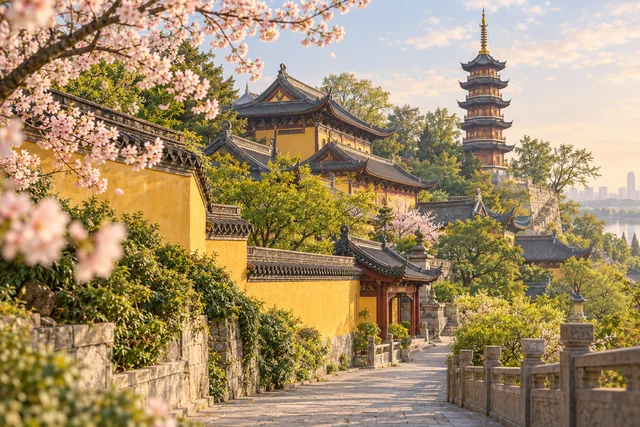
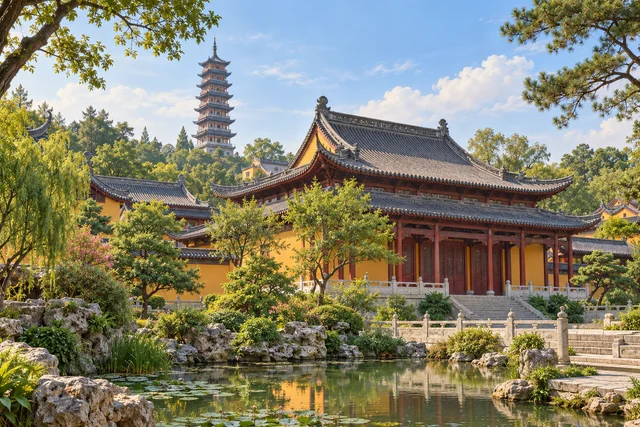
Take a look at the forest and courtyard environment of Qixia Ancient Temple in Nanjing.
锁阳苁蓉批发 · Bilibili · in Bilibili Watch original video
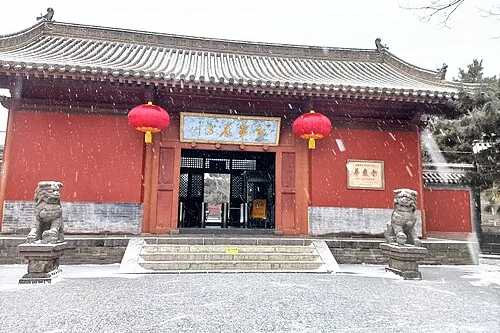
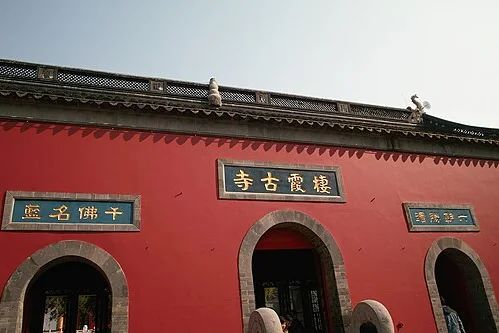
The author's on-site images are used to understand the architectural atmosphere of Qixia Temple in Nanjing; the relationship between different spaces in the main hall Vairocana, the Three Holy Temples and Thousand Buddha Cliff can be read in conjunction with the text.
If playback is restricted by the network or platform, the original video entrance can be used.
Commissioned services and fees
$227 USD · Basic service fee
At Qixia Temple, leave your thoughts for Qingming, care and inheritance
The basic commission includes tickets, incense, Buddha worship and making wishes; pictures and video visit records correspond to the specific temple, the selected offerings and this commission, and are delivered privately.
You can also entrust your family together. It is recommended that there be no more than 3 people per order, so that you can express your feelings one by one.
A private visit record will be provided 1-2 working days after the service is completed.
Anxin provides entrusted services independently and does not represent the temple. Special photography of grottoes, close visits to cultural relics, mountain climbing and maple viewing, and special ceremonies are not automatically included in the basic commission.
Select your wish, desired date and offerings and submit the request, then add official customer service for verification. Submission does not mean successful reservation, payment or seat reservation.
Yes Submit request and confirm with our team . There is no need to log in for consultation; the appointment has not been successful after submission.
About Qixia Temple , you may also want to know
This page Qixia Temple Is it Nanjing or Guilin?
This page concerns Qixia Temple on Mount Qixia in Nanjing, Jiangsu. Do not transfer descriptions of halls or figures from temples with the same name elsewhere.
Is Amitayus Buddha in the Three Holy Temples different from Amitabha Buddha?
Infinite Life is a related title of Amitabha Buddha; this temple together with Guanyin and Mahasthamaprapta Bodhisattva constitute the Three Saints of the West.
Can the Three Holy Temples and the nearby Three Buddha Caves be introduced together?
should be separated. The former is one Buddha and two Bodhisattvas, and there are three Buddhas in the cave with three walls and three niches on the side. The statues and levels of formation are not exactly the same.
Are Brahma and Sakra the two disciples of Vairocana Buddha?
Brahma and Sakra are Buddhist guardian deities here, attending and protecting the principal figure, Vairocana Buddha.
Is the stupa a fully preserved original pagoda from the Sui Dynasty?
The existing stone pagoda has the reconstruction level of the Southern Tang Dynasty. The tradition of pagoda construction in the Sui Dynasty and the age of the existing construction must be understood separately.
Does the basic commission guarantee autumn red leaves and all grotto images?
Not guaranteed. Seasons, weather, cultural relic protection and shooting ranges have different conditions. Special landscapes and designated grottoes should be confirmed separately.
Which traditions at Qixia Temple relate to learning and important decisions?
You can understand the verification and discernment from the study and practice of the Three Treatises, Vairocana themes and scripture inheritance, and then write down the current problems, the preparations you are willing to make and the guidance you hope to obtain.
How can we write about the peace and remembrance of relatives and friends respectively?
Living relatives can write about daily care and mutual support; deceased friends can write about thoughts, thanks and peace wishes. Describe the title and situation separately, without using the same general wording.