Quick understanding
- What is the central image venerated at Jokhang Temple?
The centerpiece is a statue of the Reclining Buddha traditionally known as the Shakyamuni twelve-year-old statue, which is linked to the historical memory of Princess Wencheng's entry into Tibet. The temple also preserves various statues of ancestors, protectors and historical figures.
- Can Jokhang Temple and Ramoche Temple be introduced together?
No. The temples share a history involving the movement of Buddhist images, but their locations and principal figures differ. This page concerns Jokhang Temple near Lhasa's Barkhor Street and its traditional image of Shakyamuni at age twelve.
- Are Tsongkhapa, Songtsen Gampo and Bandan Lhamo the same?
Tsongkhapa is the founder of the Gelug sect, Songtsen Gampo is the historical Tubo Zampu, and Bandan Lhamo belongs to the Dharma protector belief, which respectively preserves the culture of study, commemoration of figures, and protection.
- Location
- Barkhor Street area in the old city of Lhasa, Tibet
- Early History
- 7th century AD
- Salute Core
- Shakyamuni twelve-year-old life-size statue·Reclining Buddha statue
- Legacy Identity
- Part of the historical building complex of Potala Palace in Lhasa
In Jokhang Temple, put the things you care about
Jokhang Temple’s statue of the Reclining Buddha and the memory of paying homage have made many people feel solemn about caring about distant places, learning to be grateful, and important stages of life.
Peace and long-term care for your family
Understanding the cultural background of the Reclining Buddha statue and daily worship.
Continue to learn →Study and express gratitude to teachers
Distinguish the identities of Buddha, Patriarch and historical figures.
Continue to learn →Continue the wish of paying tribute
Write down the original temple and the original agreement, and then check the scope of the entrustment.
Continue to learn →A Buddha statue connects temple building, travel and cultural exchanges
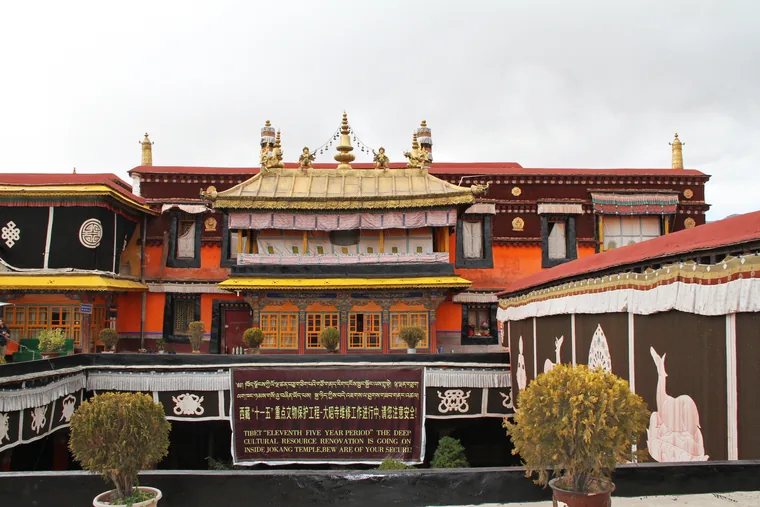
The early history of Jokhang Temple is in the seventh century AD and is associated with figures such as Songtsan Gampo, Princess Wencheng and Princess Chizun of Nepal. The narrative formed around the construction of the temple connects distant travels, marriages, Buddhist statues and religious spread; the murals and figures in the temple also make these memories something that future generations can watch.
The central Jowo image is traditionally known as a life-size image of Shakyamuni at age twelve. Stories connecting it with Princess Wencheng's arrival in Tibet give it deep significance for pilgrims. “Age twelve” is the image's traditional designation; religious stories should not all be treated as directly verifiable dates of manufacture.
The early movement of Buddhist images connects Jokhang and Ramoche historically, but can also cause confusion. Identify the full temple name, location and principal image so their statues, stories and present-day settings are not treated as interchangeable.
Follow history and understand Jokhang Temple
- 7th century AD
Early construction of Jokhang Temple
The construction of temples and cultural exchanges during the Tubo period formed early clues to the history of the temple.
- 1409
Historical memory of the Chuanzhao Dharma Assembly
The record of Tsongkhapa holding the Chuanzhao Dharma Assembly here reflects the connection between the temple, study, and common worship.
- Yuan, Ming and Qing dynasties
Expansion and enrichment through the ages
Buddhist halls, courtyards and artistic relics were continuously constructed, forming the scale of the later temples.
- 1961
National Cultural Relics Protection
Jokhang Temple has entered the list of national key cultural relics protection units.
- 2000
Incorporation into World Heritage Expansion
As an extension of the Potala Palace historical building complex in Lhasa, it is listed as a World Heritage Site, and the architectural and cultural value of the temple has been further confirmed.
Wood carvings, murals and barakus, how temples enter urban life
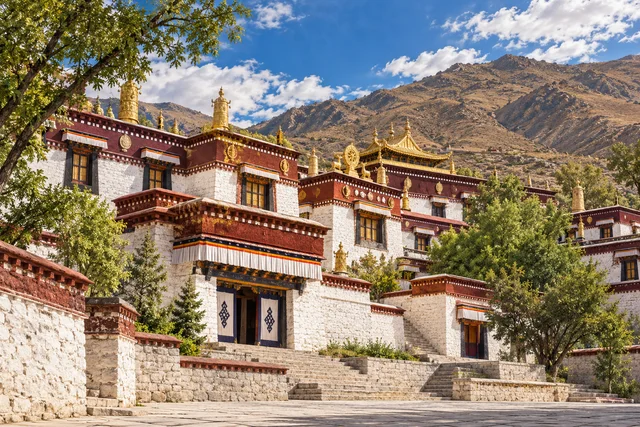
The courtyard, Buddhist hall and cloister of Jokhang Temple reflect Tibetan temple architecture and also absorb cultural influences from Tang Dynasty, Nepal and India. Wooden carvings, figures and murals provide specific objects of observation for these exchanges; the grand history can be read from a door frame pattern or a narrative picture.
Nangjiao, Bajiao and Linjiao are different ranges of worship space from the inside to the outside. They connect the Buddhist halls, monastery facades and wider Lhasa city landmarks. The temple is therefore not a monumental building isolated in a neighborhood, but connected to people's daily walks, encounters and faith practices.
Cultural relics such as the Tang and Tibetan Alliance Monument in front of the temple also connect religious landmarks with historical exchanges. Jokhang Temple has entered the World Heritage protection system as an integral part of the Potala Palace historical building complex. Its significance also lies in preserving the relationship between architecture, art, history and continued use.
How are Buddha, Patriarch, Protector and historical figures remembered?
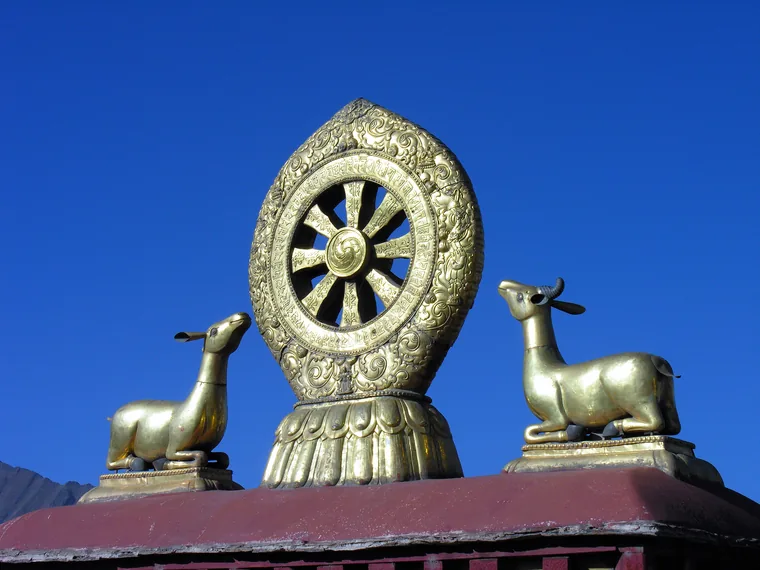
The Buddha statue of Shakyamuni is at the core of worship, and the statues of Master Tsongkhapa and other ancestors are connected with the study and inheritance of Tibetan Buddhism. The Patriarch is an important person who teaches, organizes and practices Buddhism. The Buddha and the Patriarch have different religious identities. Knowing this difference, you can understand the theme of each temple more clearly.
Figures such as Songtsan Gampo and the princess preserve the memory of temple building and exchanges, and are also revered in religious traditions. The commemoration of historical figures and the interpretation of beliefs can exist at the same time, but this does not necessarily eliminate the distinction between historical facts, legends and religious expressions.
Bandan Ram Temple embodies the belief of protecting the Dharma, and the related image is connected with the tradition of protecting the temple and local stability. Faced with different statues, wishes can be respectively related to study, peace, gratitude and self-discipline; there is no need to compile them into a list of functions to control wealth, disease or other people's feelings.
Understand the connection between Jokhang Temple and yourself from the center of worship
The Reclining Buddha is an important center for understanding Jokhang Temple. Jokhang Temple is connected to the ritual space formed around it, and is also related to the history of the old city of Lhasa and the encounter of different cultures. When expressing your feelings for family members far away, you can start from this tradition of respect and write long-lasting care and goodwill that you hope will continue.
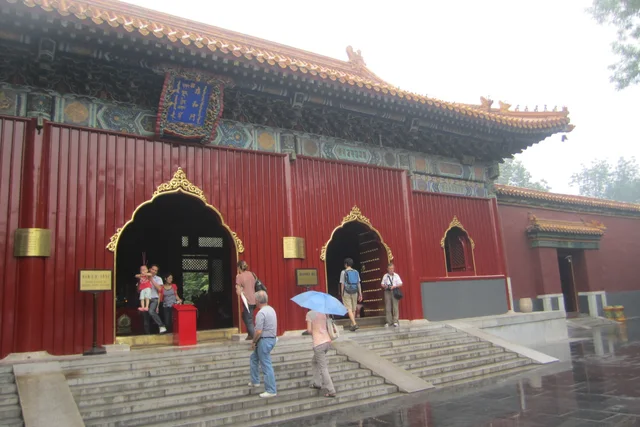
Jokhang, Ramoche and Beijing's Yonghe Temple have distinct histories and figures. Jokhang's Jowo image of Shakyamuni at age twelve and Yonghe's imperial and learning traditions are different settings. Sharing Tibetan Buddhist traditions does not make names or visit locations interchangeable.
Whether conveying a wish or giving thanks, explain your connection to this particular temple. A basic visit follows the listed arrangements, with private photos and videos documenting that visit. Tell our support team about any particular figure, offering or original promise when confirming the arrangements.
Understanding the halls and the figures within them
| Palace or space | Figures and cultural roles |
|---|---|
| Shakyamuni Temple | Shakyamuni twelve-year-old life-size statue·Reclining Buddha statue |
| Master Tsongkhapa Temple | Image of Master Tsongkhapa and his disciples |
| Bandan Ram Hall | Bandanlam Dharma Protector |
| Songtsen Gampo Hall | Songtsen Gampo, Princess Wencheng, Princess Chizun and other historical figures |
Shakyamuni Temple
Principal figures: Shakyamuni twelve-year-old life-size statue·Reclining Buddha statue
The twelve-year-old life-size statue of Shakyamuni is an important religious object received in Jokhang Temple.
"Twelve-year-olds are as old as the same person" refers to the age and image tradition represented by Buddha statues, which should be separated from the statues of ancestors and historical figures when recognizing them. The Buddha statues and the ritual culture formed around the temple together form the cognitive center of Jokhang Temple. It is not appropriate to just abbreviate it to a wish-making label.
Associated wishes: You can express your feelings for your family's safety, life turning points and gratitude as a tribute. If you originally made a wish here, review the original wish and specific agreement before arranging a thank you.
Master Tsongkhapa Temple
Principal figures: Image of Master Tsongkhapa and his disciples
Master Tsongkhapa is the founder of the Gelug sect of Tibetan Buddhism, which attaches great importance to precepts, listening and contemplation, and step-by-step practice. Guru commemoration not only allows people to know a religious master with his life and works, but also makes it concrete how the teachings can be continued through study, thinking and practice. People can rely on this to hope to meet good teachers, grow in wisdom, improve their studies, and be firm-minded in the face of difficulties.
The statues of Tsongkhapa and his disciples make the teaching inheritance of Jokhang Temple a human relationship that can be viewed. The historical memory of the Master's establishment of the Chuanzhao Dharma Assembly in Jokhang Temple also links the memory of the Patriarch in the temple with the life of the Sangha group giving lectures and asking questions together. Seeking knowledge from teachers, cherishing teachings and hoping that what you have learned can be continued, you can find the specific cultural basis of this temple from here.
Associated wishes: You can wish for focus and discernment in your studies, research and professional growth, and also express your gratitude to the teachers who have taught you. Those who travel far to study can write down the guidance they hope to encounter and the direction they are willing to stick to, so that they can respect the teacher's thoughts and cherish the good teachers and friends in reality.
Bandan Ram Hall
Principal figures: Bandanlam Dharma Protector
Bandan Lhamo is a female protector of Tibetan Buddhism and plays a protective role in Jokhang Temple and Lhasa local beliefs. What the Dharma Protector protects is the stability of the temple, teachings, and practice, so its religious meaning includes firmness, protection, and care for common life. People often use this layer of tradition to express their wishes for safe travel, support in times of crisis and a stable life for their families.
Jokhang Temple The preservation of the Bandan Ram Temple gives the Dharma protector a concrete space for his relationship with the temple and the city. Juxtaposed with the Buddha's homage to the Reclining Buddha, Tsongkhapa and the guru lineage of his disciples, one can read how the three roles of the main Buddha, the teacher and the protector have their own positions in the same temple, and together constitute the rich layer of Lhasa's pilgrimage culture.
Associated wishes: You can wish peace to your family members in your hometown and far away, especially those who travel long distances and live alone outside. You can also pray that you will be calm in the face of changes, receive kind help when encountering difficulties, and let your protective thoughts include consideration for those who travel with you.
Songtsen Gampo Hall
Cultural role: Songtsen Gampo, Princess Wencheng, Princess Chizun and other historical figures
Songtsan Gampo is a Tibetan Zampu, Princess Wencheng comes from the Tang Dynasty, and Princess Chizun is connected with the cultural memory of Nepal. Their characters enter the temple to preserve the narrative of temple building, marriage, and the spread of Buddhism; the related sacred respect also gives the characters deeper religious emotions. This memorial allows people to understand how different regions met in the history of Lhasa from the specific relationships between people.
The character statues and temple-building murals of Jokhang Temple leave the story of Zampu, the princess and the ancient temple in a space where you can watch it. The cross-regional connections represented by palaces, statues and architectural styles echo each other, making understanding, exchange and cherishing culture a theme with historical content. For today's cross-cultural families or those living away from home, it can also convey mutual respect and family peace.
Associated wishes: Wishes can concern understanding and communication among family, partners and friends from different places, or gratitude towards someone who helped you understand a new culture. Historical commemoration and exchange provide context, while devotion can still relate to the principal Buddha.
Write down the concerns in culture as your own wishes
Peace and long-term care for your family
Shakyamuni Hall·Reclining Buddha Statue; Dharma Protector Hall·Guardian Theme
Loved ones are not always nearby. Jokhang's pilgrimage traditions and Buddhist images provide a setting for family wishes, life transitions and gratitude. Describe how you hope your family will live and how you intend to continue caring for them.
First explain the family you care about, the stage you are going through and the gratitude you want to express. Then write down the changes you hope to happen and the actions you are willing to take seriously. You can use the example sentences below as a starting point and replace them with expressions that fit your life.
Example of wish expression
May my family members far away live a stable life, and may we still have understanding and support in different places; I also hope that I will remember the help I received along the way and continue to pass on the goodwill.
Study, mentorship and honest pursuit of knowledge
Master Tsongkhapa Hall·Teachership and Study
Master Tsongkhapa is respected for his emphasis on precepts, listening, thinking and sequential practice. Jokhang Temple also preserves the group portraits of the master and his disciples and the historical memory of the dharma assembly. The relationship between master and disciple shows that teaching needs to be continued through seeking advice, understanding and practice. The desire in studies, research and professional training can therefore be related to meeting good teachers, increasing wisdom and firmness of mind.
You can explain the topic you are studying and what kind of guidance you need most, and pray for sustained concentration and deeper understanding. You can also express your gratitude to your teachers and friends at home or abroad who have taught you, and write down an experience that has truly benefited you. I hope you can be safe with each other, and that what you have learned can continue to help more people.
Example of wish expression
Thanks to the teacher for his patient guidance. May I seek knowledge without being cunning, be willing to ask questions when I don’t understand something, and use what I have learned to help others.
Understanding between different cultures
Songtsen Gampo and Princess Image·Cultural Exchange Memories
The commemorations of Songtsen Gampo, Princess Wencheng and Princess Chizun preserve the cultural memory of the construction of the Jokhang Temple and cross-regional exchanges; the ancient temple architecture and murals also make the encounter of different traditions visible. To organize your wishes in this way, the focus can be on wishing you to understand different backgrounds and cherish living together, rather than requiring everyone to have the same experience.
You can wish for a harmonious relationship and clear communication for transnational families, partners who speak different languages, or friends in a new environment. If someone has patiently helped you adapt to cultural differences, you can also express your gratitude specifically and pray that the good relationship will last forever and that life in your hometown and far away will have room to be understood.
Example of wish expression
I hope that we come from different places and can sincerely understand each other; when we have differences, we do not rush to judge and are willing to speak slowly and clearly.
Expressing gratitude and continuing goodwill
Shakyamuni Hall·Respect and Gratitude
Jokhang Temple A long tradition of worship and offerings has been formed around the statue of the Reclining Buddha. Paying homage to Shakyamuni Buddha not only respects the teachings of enlightenment, but also includes the wish to increase blessings and wisdom, treat others with compassion, and express gratitude for helping others. After a journey or difficulty has passed, looking back at the support you received with the gift of worship can make gratitude not only focus on the results, but also cherish the people you met along the way.
You can tell about the experience that you want to express your gratitude to most this time, and pray that the people who have helped you will be safe and that your family will be less worried. When you live overseas, you can also write down the gratitude you want to bring back to your hometown. May you cherish the good deeds and continue to be willing to help in your future life.
Example of wish expression
Thanks for the care I received along the way. I hope I will cherish this support and become a person who is willing to help others when I return to my daily life.
In the image, continue to get to know each other Jokhang Temple
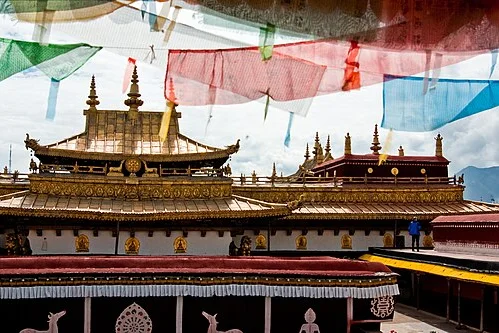
First there was Jokhang Temple, then there was the city of Lhasa. Visit the magical Jokhang Temple in Lhasa. The roofs are all gold.
Approaching Lhasa’s Jokhang Temple from on-site tour images.
山西晋龙 · Bilibili · in Bilibili Watch original video
The author records the visit experience of Jokhang Temple in Lhasa, which can be combined with the text to understand the ancient temples, architecture and worship environment in the old city. Personal explanations and legends do not serve as the basis for all historical facts in this article.
If playback is restricted by the network or platform, the original video entrance can be used.
Commissioned services and fees
$233 USD · Basic service fee
In the old city of Lhasa, convey a sincere wish
The basic commission includes tickets, incense, Buddha worship and making wishes; pictures and video visit records correspond to the specific temple, the selected offerings and this commission, and are delivered privately.
You can also entrust your family together. It is recommended that there be no more than 3 people per order, so that you can express your feelings one by one.
A private visit record will be provided 1-2 working days after the service is completed.
Anxin is an independent commissioning team and does not represent the temple. Basic entrustment does not automatically include Tibetan special rituals, initiations or specific Dharma meetings. Special needs must be confirmed separately.
Select your wish, desired date and offerings and submit the request, then add official customer service for verification. Submission does not mean successful reservation, payment or seat reservation.
Yes Submit request and confirm with our team . There is no need to log in for consultation; the appointment has not been successful after submission.
About Jokhang Temple , you may also want to know
What does it mean to be twelve years old?
It is the traditional title of the Shakyamuni statue at the heart of Jokhang Temple, denoting the image of the Buddha presented. The belief narrative and production and circulation history of Buddhist statues should be understood separately.
Why is it easy to confuse the introduction of Jokhang Temple and Ramoche Temple?
The temples share a history involving the movement of images, but have different locations and principal figures. Identify the full name; this page concerns Jokhang near Barkhor Street.
What are cyst profile, bar profile and lin profile?
They refer to the ritual circuits in different ranges from the inside to the outside, connecting the Buddhist hall, the outer wall of the temple and the wider Lhasa landmarks, reflecting the relationship between the temple and urban life.
Can the Yangtuo soil filling in the lake and building the temple be regarded as an accurate engineering history?
It belongs to the traditional narrative of temple construction and local memory. The cultural significance can be understood while being read separately from architectural studies and documented history.
Are Songtsen Gampo and Tsongkhapa both Buddhas?
Not the same identity. Songtsen Gampo is the historical Zanpu and is revered by religion, Tsongkhapa is the founder of the Gelug Sect, and Shakyamuni is the main Buddha. They should be distinguished clearly when recognizing them.
Does the basic commission include images of various halls in the temple or special rituals?
Not automatically guaranteed. Photography is subject to the permission of the temple. The specific scope of visit record, special puja or rituals need to be confirmed separately before arrangement.
Jokhang Temple and Yonghe Temple are both related to Tibetan Buddhism. How to choose?
Compare the actual figures and histories. Jokhang centres on the Jowo image and Lhasa's pilgrimage traditions; Yonghe connects with Beijing's imperial and learning traditions. Your original connection, customs and intention can guide the choice.
How should we understand the "Twelve-year-old Life-size Statue" in Jokhang Temple?
This name refers to the age and image tradition represented by the Buddha statue, and is a clue to the recognition of the Reclining Buddha statue. It can be understood in conjunction with the Shakyamuni Hall, ritual traditions and temple history, and should not be confused with statues of ancestors or historical figures.