Quick understanding
- What are the main cultural characteristics of Sera Monastery?
It is one of the three major monasteries in Lhasa. Sutra debating is a distinct tradition of study. In addition, it also has important cultural heritage such as Hayagriva Thangka, the Eighteen Arhats and the Yongle version of the Tibetan "Kanyur".
- What is the identity of Hayagriva?
Hayagriva belongs to the theme of Mingwang in Tibetan Buddhism and is connected with the Guanyin tradition. It uses an wrathful image to express the symbolic meaning of protecting learning and destroying ignorance and obstacles.
- Is the sutra debate hall a hall dedicated to making wishes?
It is first of all a learning space for monks to discuss and ask questions about Buddhism. Distinctive gestures serve the learning process. When viewing, one can understand its cultural value through careful thinking, listening and responding.
- Location
- Foothills of Uzi Mountain, Lhasa, Tibet
- The year when the temple was built
- 1419
- Traditional Belonging
- Tibetan Buddhism·Gelugpa Monastery
- Cultural clues
- Sutra Debate, Hayagriva Thangka and Tibetan Sutra Collection
Place your worries at Sera Monastery
Sera Monastery’s tradition of monastic training, sutra debate, and Dharma protection is suitable for understanding through study and discernment. When sorting out your wishes for studying, facing difficulties, or the safety of your loved ones, first distinguish between the object of worship and the monk's learning activities.
Learning and identifying problems
Learn to understand and seek verification from questions and answers, and explain exams, research and life questions in detail.
Continue to learn →Meet Hayagriva and arhat
The strong image of the protector and the monastic status of the arhat each have religious connotations.
Continue to learn →Compare Lhasa Jokhang Temple
Jokhang Temple's Sakyamuni worship and Sera's Sangha practice each have their own entrances.
Continue to learn →A temple known for its learning
Sera Monastery was founded in the early 15th century. Together with Ganden Monastery and Drepung Monastery, it constitutes the important structure of the three major monasteries in Lhasa. It has its own monastic training and temple organization. When understanding it, we should put it back to this specific tradition, instead of just repeating the entire Buddhist story of Lhasa.
Regarding the name of the temple, there are two popular explanations: wild roses at the foothills and hailstones when the temple was built. Both versions retain the imagination of the connection between people and the mountain environment, and are suitable as clues to the temple name culture; they do not need to be spelled out as the same proven temple building event.
Debate turns abstract study into visible mutual questions and answers. The viewer may not understand the Tibetan language, but they can see the rhythm of focus, questioning and response. Understanding this makes it easier to put distinctive movements back into the learning scene, rather than just treating them as a performance for tourists.
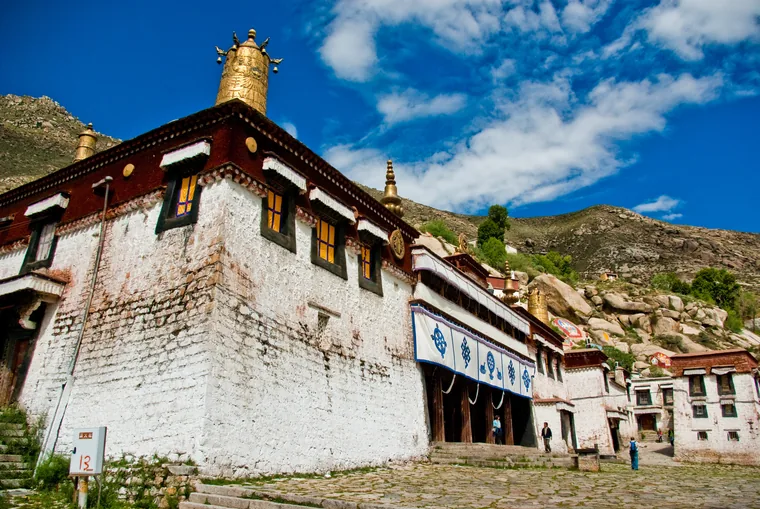
Follow history and understand Sera Monastery
- 1410
History of the Bible
The Yongle edition of the Tibetan "Ganyur" in the temple collection was published earlier than the Sera Monastery was built, reflecting the different historical clues between the classics and the monastery.
- 1419
Created by Sera Monastery
The monastery was established at the foothills of northern Lhasa and gradually formed its own learning tradition.
- 1982
Listed as a national key cultural relic protection unit
The architectural and cultural heritage of Sera Monastery has been protected as a national cultural relic.
- 2003
Thangka donated to the temple
Ye Xingsheng donated Haya Monastery’s embroidered pearl thangka to Sera Monastery to continue its tradition of preservation and respect.
Angry image and meticulous embroidery craftsmanship
Hayagriva is an important clue to the ritual culture of the Sera Monastery, and his image of the king is connected to the Guanyin tradition. The strong appearance expresses firmness through religious art, and its meaning lies in protecting, eliminating ignorance and obstacles to learning. Recognizing this symbolic language, one can understand how compassion includes courage and sobriety in the face of difficulties.
The temple’s precious Hayagriva thangka is decorated with pile embroidery and pearls. Through the cutting, stitching and combination of fabrics, a three-dimensional image gradually emerges. A closer look at this craft reveals that the grand religious subjects are also made up of many patient, small manual steps.
This thangka was lost and later donated to Sera Monastery by collector Ye Xingsheng. Its return is not only an experience of a work of art, but also reminds people of the specific preservation and dedication behind cherishing cultural heritage. In addition to being respectful, understanding craftsmanship and respecting preservation methods are also an attitude towards taking tradition seriously.
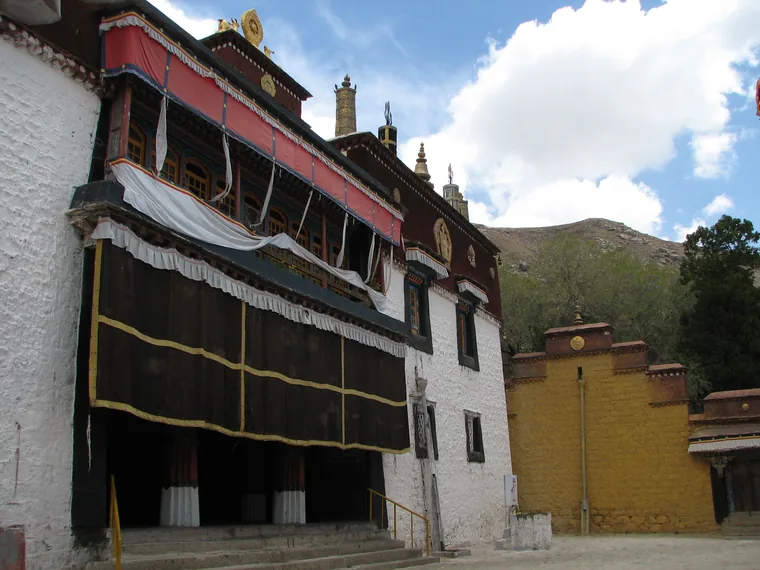
From arhat statues to sutra tablets, see how knowledge is passed on
Aba Zhacang collects the Eighteen Arhats, a gift from the Ming Dynasty. The preservation record also mentions the method of protecting the wooden statues with clay sculptures. arhat embodies discipleship and Buddhist inheritance; at the same time, materials and protection measures make the continuation of religious art tangible and tangible.
The Tibetan "Kangyur" printed in Beijing during the Yongle period is another important clue in the Sera Monastery collection. From production, presentation to preservation, classics connect language, printing and cultural exchanges between different regions. Reading this history goes a step further than simply treating the scriptures as precious objects.
Statues, thangkas, scriptures and scripture debates are different from each other: some are for people to worship, some carry scripture teachings, and some embody the living learning process. Looking at them together, Sera Monastery is not just a segment suitable for taking pictures, but a monastery composed of faith, knowledge and daily practice.
Understand sutra debate and Dharma protection, and then sort out your own problems
Sera Monastery is located in Lhasa, Tibet. Debate is an important cultural clue to understand it. Questions, answers and arguments belong to the study of the Sangha and are not a blessing program performed for tourists. From this point of view, "success in study" can be further expressed as a willingness to seek verification, in-depth understanding and encountering a good teacher.
The image of Hayagriva shows a strong connotation of supporting the practice of Buddhism, and the Eighteen Arhats also connects Buddhist practitioners. Understanding the identity behind appearance is much clearer than judging “what is appropriate to ask for” based solely on strength or kindness. The willingness to face difficulties can seek for clarity and support, and the concern of family members can express mutual care and stability.
Sera Monastery and Jokhang Temple are not the same place. The original place of making wishes or paying homage should be recorded separately. If you wish to participate in specific festivals, watch scripture debates, or involve special blessings, you need to confirm the actual arrangements separately; ordinary prayers on behalf of others do not automatically include all Sangha activities.
Understanding the halls and the figures within them
| Palace or space | Figures and cultural roles |
|---|---|
| Horse Head Palace and Thangka Salute Theme | Horsehead King |
| Abazacang arhat statue | the Eighteen Arhats |
| Debate Field | Buddhist Questions and Answers and Sangha Practice |
Horse Head Palace and Thangka Salute Theme
Principal figures: Horsehead King
Hayagriva is connected to the Guanyin tradition of compassion in Tibetan Buddhism, using the image of wrath to express the power to destroy ignorance and protect spiritual practice. Strong images belong to the symbolic language of religious art, making visible the steadfastness in the face of troubles and obstacles. People pray for peace, concentration in difficulties and reduction of panic, and can also understand that compassion includes sobriety and courage.
Sera Monastery The Horse Head Ming Palace and Pearl Embroidery Thangka preserve the important tradition of respect, and the brocade, embroidery and pearls also show the value of craftsmanship. The reverence in historical festivals allows families to meet the statues in peace, and the daily display format is arranged according to the temple. The two clues of religious images and fabric preservation together allow visitors to understand the faith and cherish the people who protect the cultural relics. The mighty image is an expression of religious statues. It cannot be interpreted as malicious based on its appearance, nor does it mean setting a certain outcome for every real-world dilemma.
Associated wishes: You can pray for the safety of your relatives and friends and for your determination when facing difficulties, and explain the situation that affects you most recently. If you are new to a strange environment, you can also express your willingness to have courage and appropriate support, and hope that those around you will receive safe care. You can write about the problems you most want to see clearly and the goodwill you are willing to keep, so that a firm and peaceful mind can correspond to your life.
Abazacang arhat statue
Principal figures: the Eighteen Arhats
An arhat is a respected saint who has achieved great achievements in Buddhist studies. The statues often show their own characteristics in different ages, expressions and postures. The group portraits not only preserve the memory of the disciples and the teachings, but also make learning more than just abstract terms. From this, people place their thoughts on perseverance in learning, less worries, and encountering good teachers and friends, and gain introspection and comfort from the solemn or friendly images.
The Eighteen Arhats of Sera Monastery Aba Zhacang is related to the white sandalwood statues given by the Ming Dynasty. Religious respect, craftsmanship and long-term preservation together constitute its value. The group of saints' portraits gives a human face to the practice, and also allows people to understand how teachings are cherished through different generations. Thanks to teachers and friends, I am willing to learn perseverance and cherish culture, and they can be unfolded separately from the same set of statues.
Associated wishes: You can pray for stable learning, deep understanding, and support from teachers and friends. I would also like to thank those who have patiently taught me. If you want to start over in a field, you can explain your difficulties, stay humble and focused, and cherish every accumulation of understanding.
Debate Field
Cultural role: Buddhist Questions and Answers and Sangha Practice
Debate is a way of practice in which monks deepen their understanding of Buddhism by asking questions, analyzing and responding. Distinctive hand gestures coupled with questions and answers give the discussion process a visible rhythm. It is concerned with concepts, reasons and thinking, embodying the Gelugpa tradition of learning and thinking. Knowing this culture, you can understand why studying not only values answers, but also the ability to ask questions, listen patiently, and express clearly.
Sera Monastery The sutra debate site preserves the living culture of the monks’ study, which together with the statues in the hall and the inheritance of scriptures form the appearance of the temple. When watching, you can understand the learning process through concentration and question and answer, and respect the space and on-site arrangements of the practitioners. For those who study abroad and communicate across cultures, this tradition can inspire the mind to seek advice, understand different reasons, and continue to discern.
Associated wishes: You can use this to express your willingness to have the courage to ask questions, patient understanding and clear communication. You can also express your gratitude to the teachers and friends who accompany you to study. If you want to watch the debate or record the study activities, you should first confirm the on-site time, opening and shooting range, and respect those who are studying.
Write down the concerns in culture as your own wishes
Stay clear when faced with difficult situations
Hayagriva · Protecting and Studying Theme
Hayagriva uses the wrathful image associated with Guanyin to express firmness in the face of ignorance and obstacles; Sera Monastery honors tradition and carries the expectation of family peace. When facing difficulties and praying for sobriety, you can use this kind of support culture to hope that you will be less panicked and receive support. At the same time, you can cherish compassion and prevent difficulties from wearing away your care for your relatives and friends.
You can write down the most difficult thing to face right now and pray for clarity, courage and physical and mental stability. If relatives and friends are also affected, you can explain who you want to take care of most, so that your mind seeking concentration can cherish each other's feelings and reliable help at the same time.
Example of wish expression
I wish I would panic less when facing difficulties, distinguish what I can really do, and have the courage to ask for help from trustworthy people.
Learning and Discernment
the Eighteen Arhats study theme; debate culture
Sera Monastery Debate deepens understanding through questioning and analysis, and the Gelugpa tradition of listening and thinking connects learning with clear reasons. The arhat statue also presents the identity of a saint who has learned and inherited. Examinations, professional studies, or cross-cultural understanding can all be based on praying for concentration, good teachers, and the courage to ask for advice, and cherish the process of continuous accumulation. What really troubles learners may be their inability to read, their inability to ask questions, or their fear of making mistakes. The culture of question-and-answer learning can allow these processes to be seen seriously.
Indicate the learning stage, problems that need to be understood and the guidance needed; you can also thank your mentor for patiently explaining something.
Example of wish expression
I hope that I will not rush to conclusions when facing difficult problems, dare to ask questions, seek evidence seriously, and meet good teachers and friends; I also hope that I can use what I have learned in life, and remain humble when understanding different opinions.
Family safety and mutual care
Horse Head Palace·Protection Theme
Historically, Hayagriva has preserved the tradition of expressing wishes for the safety of his family. Guanyin's compassionate relationship also brings care for the needs of all sentient beings. When you are in two places, wishing for your family's stability can include physical care, emotional understanding, and someone to help you in your life. The concerns caused by the distance can also be solemnly expressed.
You can write down the current situation of your loved ones and the support they need most, and pray for smooth care and physical and mental stability. They can also thank the people who have been with them, wishing to give comfort to those who cared about them, and let their hearts in the distance remember every specific contribution.
Example of wish expression
I hope that my family will have a safe journey and have someone to help them in times of trouble. I also hope that I will send my greetings in a timely manner and listen carefully to their needs.
Gratitude to mentors and friends and cherish inheritance
Aba Zhacang arhat and Sutra culture
The preservation of arhat, scriptures, and thangkas given by the Ming Dynasty allows Sera Monastery to inherit visible characters, texts, and craftsmanship. Culture can survive only if it is cherished by teachers, learners and protectors. I am grateful to my mentors and friends, so I wish them stability and hope that I can study hard and let the teachings I have received continue to bring understanding and goodwill.
You can express your gratitude for an important guidance or companionship, write down how it helped you, and pray for the well-being of your mentor and friend. If you also start to help those who come after you, you can express your willingness to be patient and humble, so that the grace of being taught can continue in your actions.
Example of wish expression
Thanks to those who patiently taught me and supported me along the way. May I cherish what I have gained, never despise knowledge, and may I continue to give this patience to others.
In the image, continue to get to know each other Sera Monastery
Lhasa Travel Diary | Visiting Sera Monastery and Encountering Famous Debate Scenes Lhasa Guide
Learn about the Sera Monastery and the Debate Field with the Lhasa travel record.
小草漫游 · Bilibili · in Bilibili Watch original video
The author records the visit to Sera Monastery and the debate fragments he saw, which can help to understand the study culture in the text. The current itinerary and time in the video do not represent the current fixed schedule.
If playback is restricted by the network or platform, the original video entrance can be used.
Commissioned services and fees
$227 USD · Basic service fee
At Sera Monastery, leave a heart for caring and learning
The basic commission includes tickets, incense, Buddha worship and making wishes; pictures and video visit records correspond to the specific temple, the selected offerings and this commission, and are delivered privately.
You can also entrust your family together. It is recommended that there be no more than 3 people per order, so that you can express your feelings one by one.
A private visit record will be provided 1-2 working days after the service is completed.
Anxin provides entrusted services independently and does not represent the temple. Basic entrustment does not automatically include festival blessings, special ceremonies or temple collection cultural relics display, special needs must be confirmed separately.
Select your wish, desired date and offerings and submit the request, then add official customer service for verification. Submission does not mean successful reservation, payment or seat reservation.
Yes Submit request and confirm with our team . There is no need to log in for consultation; the appointment has not been successful after submission.
About Sera Monastery , you may also want to know
Are Sera Monastery and Jokhang Temple the same place?
No. Sera Monastery is located in the northern foothills of Lhasa and is famous for its Gelug sect's study and debate; Jokhang Temple is located in the core of the old city and has different histories and deities.
Does the name of the temple necessarily mean wild rose?
There are two explanations of wild rose and hailstone. It is suitable to understand them separately. It is not suitable to regard only one of the legends as the only confirmed source.
Are Buddhist debate gestures a blessing ritual?
Gestures first belong to the monks’ Buddhist discussion process, serving questions and answers and analysis. The debate field is a cultural space for study, and the order of study should be respected.
Why does Hayagriva have a strong appearance?
The image of wrath belongs to the symbolic language of Buddhist images, expressing the meaning of protecting and destroying ignorance and obstacles. It can be understood from the relationship between firmness and compassion.
Can you see Hayagriva Pearl Thangka every day?
Displays at historical tributes do not equate to daily ongoing access. The specific display of cultural relics and related arrangements should be based on the actual situation of the temple and cannot be guaranteed in advance.
Does the entrusted service include viewing Bible debates or festival blessings?
The base delegate does not automatically include these activities. If you have special wishes or palace preferences, you can explain them first and let customer service confirm the actual scope before making arrangements.
I am preparing for exams or doing research, how can I include the study culture of Sera Monastery in my wishes?
You can write about the questions you want to understand, the process of patient verification, and the guidance you need. You can also express your willingness to dare to ask questions and prepare carefully. The question-and-answer spirit of debate can become the sustenance of learning, leaving more than just a score goal.
The Dharma Protector has a powerful appearance. Is it only suitable to write about very strong wishes?
Not required. It can be understood from the perspective of protecting kind thoughts, discerning difficulties and being willing to be firm, and using ordinary language to express the family's stability, sobriety in times of trouble, or perseverance in learning, so as to avoid guessing the identity of the person based on appearance alone.