Quick understanding
- Who is the principal figure at the ancestral temple?
The main sacrifice is Tianhou Mazu, whose traditional names are Lin Mo and Mo Niang. She uses the ocean and folk customs to preserve and protect travel, rescue and nostalgia culture.
- Are the west axis and the south axis the same group of ancient buildings?
No. The west axis reflects the historical pattern of the ancestral temple, which has been reconstructed in modern times; the south axis represents the subsequent Song Dynasty-style buildings. Imitation of Song Dynasty style is not equivalent to the original structure of Song Dynasty.
- What is the significance of the Shrine of the Holy Mother and Father?
The shrine to Mazu's parents connects with gratitude and respect towards parents, distinct from halls principally dedicated to Mazu.
- Location
- Putian, Fujian·North of Meizhou Island
- Principal figures venerated
- Queen Mazu
- Clues for early temple construction
- Northern Song Dynasty 987
- Cultural Heritage
- Mazu traditions · inscribed on UNESCO's Representative List in 2009
At Meizhou Mazu Ancestral Temple, put the things you care about
Meizhou Mazu Ancestral Temple carries the protection of the ocean and the memories of hometown for those who have left home; safe travels, maternal and child care, family reunion and gratitude for help can be explained more clearly respectively.
Traveling and living overseas
Write down who you set out for, how safe you hope to be, and who is waiting for you at home.
Continue to learn →Distinguish between Mazu and the accompanying figures
Mazu, her parents and other figures connect with maritime life, care for women and children, and gratitude towards parents.
Continue to learn →Comparing the different traditions of Minhai
Get to know the Guanyin culture of Nanputuo, Xiamen separately, and respect the habits of yourself and your family.
Continue to learn →From island life, understand Mazu’s concern for people
Mazu beliefs and customs are closely linked to maritime life along the southeastern coast of China. Tradition links Lin Mo's story, the memory of those who rescued shipwrecks, and the worship of later generations, with the Meizhou Island Ancestral Temple becoming an important source. The biographies of characters and the belief in gods have their own contexts. When getting to know each other, you can retain the respect in the story and distinguish between historical facts and legends.
Sea voyage requires facing changes and distances, and a safe return becomes a concrete and deep wish. As people move and interact, this heart also enters the daily life of families, communities and distant places. Therefore, Mazu is not only an abstract name for the sea god, but also carries the emotion of caring for each other and remembering hometown.
Titles such as Queen of Heaven, Heavenly Madonna and Mazu connect the veneration of past dynasties and folk customs, pointing to the same faith tradition. Different honorifics jointly preserve the culture of maritime protection and rescue, and also allow communities on both sides of the Taiwan Strait and overseas to express peace, family affection and concern for their hometown through familiar names.
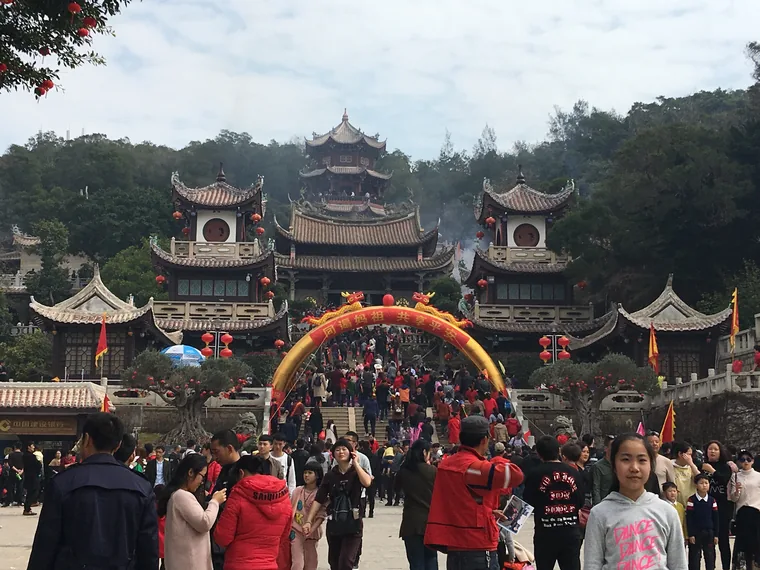
Follow history and understand Meizhou Mazu Ancestral Temple
- 987
Clues for early temple construction
The early establishment of the Tongxian Lingnu Temple is an important starting point for the preservation of Meizhou Mazu worship and the evolution of ancestral temples.
- 1374
Ming Dynasty Reconstruction
Records of the reconstruction of the sleeping hall, incense pavilion, drum tower and mountain gate reflect the expansion of the ancestral temple through the ages.
- 1431
Zheng He and the renovation of the ancestral temple
The records of repairs before the last voyage to the West further connect the ancestral temple with the maritime culture.
- 1994
West axis reconstruction completed node
The modern reconstruction continues the historical pattern of the ancestral temple and recognizes it separately from the early years of temple construction.
- 1998-2002
South axis construction
The imitation Song Dynasty-style palace and square were gradually built, adding new space to the contemporary ancestral temple.
- 2009
Mazu traditions inscribed on UNESCO's Representative List
Human-centered beliefs, customs and inheritance have become the targets of international intangible cultural heritage protection.
Two architectural axes, looking at the historical pattern and contemporary construction separately
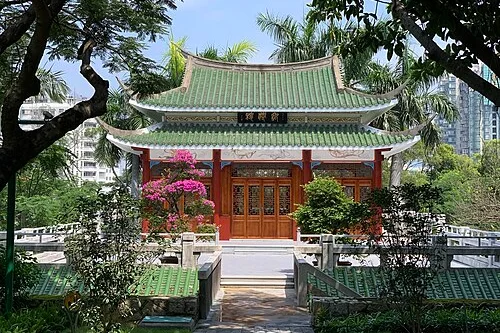
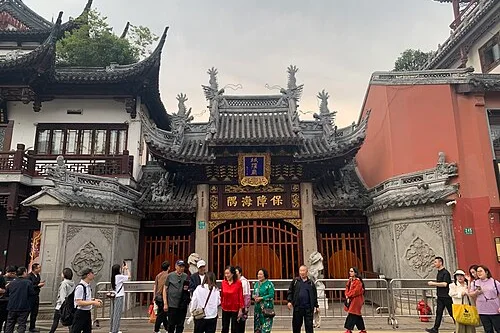
The west axis of the ancestral temple consists of the mountain gate, the imperial edict gate, the Holy Parents Shrine, the Prince's Hall, the Queen's Palace, the Chaotian Pavilion and the Shengtian Tower. It preserves an important way to understand the history of the ancestral temple. Modern restoration and reconstruction have continued the original culture. The early origins and today's architecture have different levels, which together make the worship continue on the island.
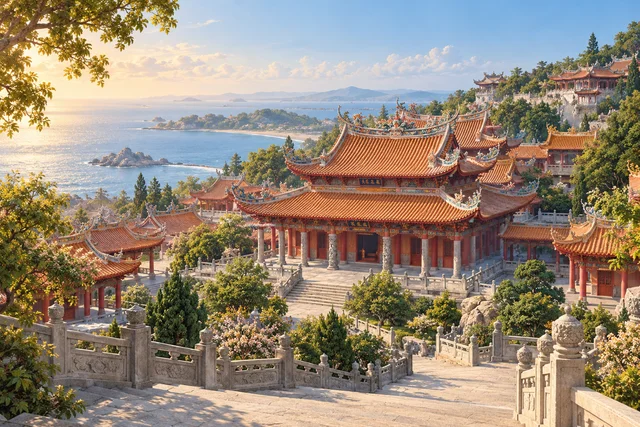
The southern axis uses imitation Song-style buildings to form a wider hall and square. The Tianhou Hall is mainly dedicated to Mazu, Chen Jinggu is responsible for protecting women and children, Qian Siniang is responsible for water conservancy, and Zheng He and Shi Lang preserve the memories of historical maritime figures. Different roles make rescue, people's livelihood and travel culture have their own origins in the same space.
Looking from the hall to the Mazu stone statue on the top of the mountain and the sea view, you can feel the connection between the ancestral temple and the island environment. Specific axes, buildings and statues make maritime beliefs and customs visible in the space; modern antique buildings are connected with early history, showing how different generations continue the common respect.
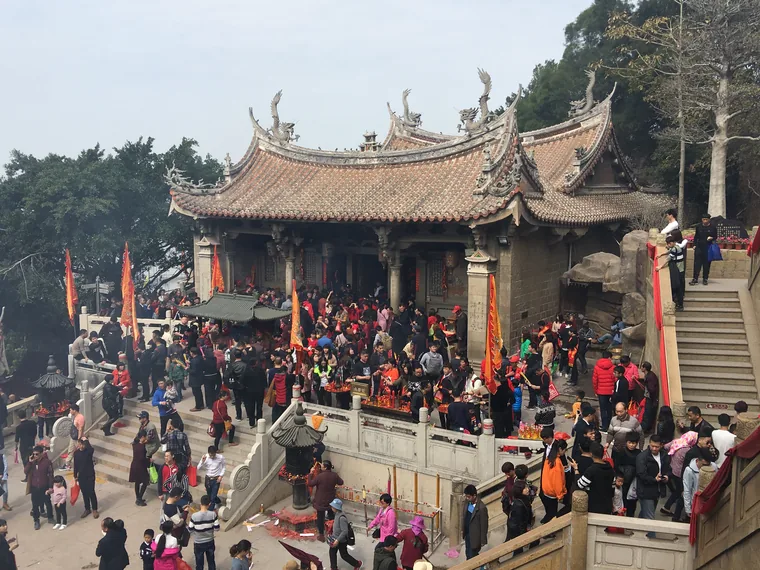
Ceremonies, affiliated temples and gratitude towards parents connect religious traditions with daily life
Mazu beliefs and customs include oral traditions, sacrificial activities and daily folk customs. It is this living cultural tradition that was included in the Representative List of Human Intangible Cultural Heritage in 2009, rather than the ancestral temple buildings being listed separately as world cultural heritage. People, knowledge and shared participation are all part of its continuation.
Visiting ancestors, dividing spirits and communicating with each other have allowed the ancestral temple to maintain continuous exchanges with palaces and temples in various places. This has also allowed cross-strait and overseas communities to maintain contact. Different places have their own histories and practices. When I return to Meizhou, I always remember the source and my hometown. Faith-secular ties connect family ties, memories and mutual assistance, allowing people from far away to still know each other.
The family ties associated with the Holy Parents Shrine bring respect for tradition back between people and their families. Recognition of Mazu's good deeds and care can also become practical choices in ordinary life: remember to be grateful when you are safe, look after each other when you are traveling far away, and help people in difficulty when you are able.
From a long journey to a long-term concern between family members
Mazu’s rescue story spread to different places along the sea. Therefore, the ancestral temple is not only a building, but also connects the memories of many people who have left home. Today's trip may be to study abroad, work across the country, or return home for a reunion. When praying for a safe journey, you can also write your heartfelt wishes for those waiting for you at home.
The Queen of Heaven Mazu is the main object of worship. The commemoration of relatives in the Holy Parents Shrine, the women and children in the Queen of Heaven Hall, and the seafaring figures have their own origins. Knowing which cultural clue you want to understand makes it easier to express the growth of children, the happiness of parents, or gratitude to fellow travelers separately, instead of lumping all characters together as Mazu.
If your family has long honoured Mazu, shared customs and memories can guide your choice. When giving thanks after a wish comes true, begin with the original ancestral temple or affiliated Mazu temple, your wish and any promise. Temples in different places are not interchangeable, and local festivals or pilgrimages are not automatically part of a basic visit.
Understanding the halls and the figures within them
| Palace or space | Figures and cultural roles |
|---|---|
| West axis Thean Hou Temple and other Mazu worship spaces | Queen Mazu |
| South Axis Tianhou Hall | Mazu; Chen Jinggu, Qian Siniang, Zheng He, Shi Lang and other accompanying figures |
| Holy Parents Shrine | Mazu Holy Parents |
West axis Thean Hou Temple and other Mazu worship spaces
Principal figures: Queen Mazu
Mazu is a folk belief deity that originated from the coast of Fujian and spread along the sea. Later generations revered it as the Queen of Heaven. The story has a distinct theme of rescuing victims at sea and caring for the hometown, connecting navigation protection, safe entry and exit, and gratitude for help. For those who live away from home, Mazu often carries the memories of their hometown: travel can provide stability, family members can rely on, and the care received along the way is worth remembering.
The Tianhou Palace, Prince's Palace, Chaotian Pavilion and other spaces on the west axis of Meizhou Ancestral Temple preserve the history of continuous construction and continuation of Mazu worship. From the ancestral temple, we can look at the separation of spirits and cross-regional visits, and we can understand how the faith on an island is connected with the wider ocean life. By praying here, you can not only wish for a safe journey, but also express your gratitude to those who have watched and helped along the way.
Associated wishes: You can express wishes for relatives travelling internationally, returning home or earning a living abroad, and for the family waiting for them. To give thanks, explain the original concern and the help you want to acknowledge, connecting wishes for Mazu's protection with your own journey.
South Axis Tianhou Hall
Principal figures: Mazu; Chen Jinggu, Qian Siniang, Zheng He, Shi Lang and other accompanying figures
In the Tianhou Hall on the south axis, Mazu is the main deity, and accompanying figures such as Chen Jinggu, Qian Siniang, Zheng He, and Shi Lang develop different cultural relationships. Chen Jinggu cared for women and children through religious beliefs and customs, Qian Siniang connected with the memory of local water conservancy, and Zheng He and Shi Lang each had a historical background of maritime activities. The juxtaposition of the main deity and the accompanying worshiper makes it possible that in addition to the protection of the ocean, family life, local construction and navigation also enter the narrative of the ancestral temple.
The group of statues in the Tianhou Temple allow visitors to understand the rich connotations of the ancestral temple through different characters: Mazu condenses the belief in peace and salvation, and the accompanying characters retain their own stories and eras. Therefore, when wishing for the growth of children, the stability of women and children, or the travel of relatives and friends, you can first understand the cultural role you are associated with, and then explain the specific concerns of your family members. The accompanying figures have their own identities. Women and children, local construction and navigation history should be understood according to specific figures. All statues in the same hall cannot be regarded as the same god.
Associated wishes: It can be used to wish well-being and family support for mothers and children, and to express expectations of stability and good fortune for those traveling far away. People who are preparing for pregnancy or raising children can express the care and understanding they hope to receive, and let this family blessing gently take care of their current life. You can write clearly about taking care of your mother, accompanying your children, and traveling safely, so that your family wishes can see both the travelers and those waiting.
Holy Parents Shrine
Principal figures: Mazu Holy Parents
The Shrine of the Holy Mother and Father commemorates Mazu’s parents, allowing respect for the Queen to return to the place where parents and family came from. The rescue and charity in Mazu belief echo each other with the gratitude to parents and cherishing upbringing. The ancestral temple not only faces the long journey on the sea, but also cares about how ordinary families can accompany each other and how to remember the blessings they have received. Filial piety is a visible commemoration of people here.
The Shrine of Holy Parents is located on the west axis of the ancestral temple, and the hall where Mazu is worshiped has its own emphasis. Looking at the ancestral temple culture through the commemoration of mothers and fathers, we can understand why many people living abroad wish for their parents in their hometown and their new families at the same time. Gratitude for the upbringing, longevity of the elders and harmony within the family have become cordial and concrete cultural sustenance.
Associated wishes: You can wish your parents and elders longevity, health and less hard work, and also thank your partner or family members for their shared care. If you can't get together for the time being, you can write down the words of gratitude and hope you want to say most, so that family members in your hometown and far away can meet with the same heart.
Write down the concerns in culture as your own wishes
Have a safe trip and remember to look after each other
Mazu ·Ocean protection theme
Mazu beliefs are formed in marine life, and stories of rescuing people in distress are connected with the protection of the Queen of Heaven, making navigation and safe entry and exit a familiar prayer for people. As an important starting point of this tradition, the Meizhou Ancestral Temple also carries the emotional connection between those who have left their hometown and their hometown. For today’s people who study, work and return home across countries, a stable journey and peace of mind for their families are still common desires. Travelers hope for success, and family members hope for peace of mind; the desire for long-distance travel can also be to report each other's safety in a timely manner, to take care of each other, and to cherish and help each other along the way.
Say who the visit is for and which journey or period overseas it concerns. Describe the safety and support you hope for; to give thanks, add the original temple and what has actually changed.
Example of wish expression
May this journey be safe, and the people waiting at home may be less worried; may we take care of each other, report safety in a timely manner, and may we keep in mind the goodwill we received along the way.
Thank you for your kindness and reunite with your family
Holy Parents Shrine·Filial Piety Theme
The memorial ceremony of the Holy Parents Shrine connects good deeds, protection and family upbringing in Mazu culture. The peace longed for by travelers often comes from the care and waiting of their parents for many years. Therefore, when praying for the longevity of loved ones, family harmony and reunion, you can find a clear cultural background through this commemoration. You can not only remember where you came from, but also cherish today that we can still be together.
You can write down a paragraph of gratitude to your parents for their efforts, and pray that your elders will be healthy and live less hard work. If a family is separated in different countries, it can also express their desire to be reunited and the common things they most want to accomplish together, so that this wish not only shows respect for the family, but also the hope of continuing to be together in the future.
Example of wish expression
Thank you to my family for your continued care. I hope that we can be stable with each other, and that I will not put off our reunion again and again, and that we can get along seriously when we can get along.
Maternal and child care and child growth
Tianhou Temple · Mazu and Chen Jinggu accompanying the worship culture
Mazu’s rescue story cares about life, and the accompanying worship of Chen Jinggu in the Temple of Queen of Heaven brings the belief and custom of protecting women and children into the same space. These two cultural clues give clear sustenance to the wishes of parenting, children's growth and caring for mothers. I wish that you can not only focus on the safety of the new life, but also see the support and consideration that mothers and caregivers need at this stage.
It can explain whether what you are experiencing is welcoming a child, raising a child, or accompanying you to grow up. Pray for the health of the mother and child, the peace of the family, and smooth care arrangements. It can also be used to wish children who are far away from abroad a safe study, meet kind teachers and friends, and give them a desire to grow up while taking care of the children and accompanying them.
Example of wish expression
May the women and children at home be safe, and those who take care of the children also be taken care of; may we be considerate of each other, share the burden together, and let the children grow up with patience.
Thank you for your help and continue to pass on the goodwill
Mazu’s charity tradition and cross-regional exchanges between ancestral temples
Mazu's traditions of kindness and rescue connect thanks to Tianhou with appreciation for help received. Exchanges between ancestral temples and other communities carry that care across maritime life. A safe journey or support during hardship can provide a concrete reason to give thanks, remembering what you received and wishing others care too.
You can tell the story of a helping hand that you want to be most grateful for, and pray that the helper and his family will be safe, and that the good relationship will continue in the future. If you receive help from friends who speak different languages and regions, you can also write about that experience, so that you can get closer to Mazu culture while cherishing the real human connections around you.
Example of wish expression
Thank you for the kindness I encountered along the way. I hope I will remember this help. Don’t forget to be grateful when things go well, and be willing to do your best to lend a helping hand when others need it.
In the image, continue to get to know each other Meizhou Mazu Ancestral Temple
Visit Mazu Ancestral Temple on Meizhou Island
Follow the on-site tour video to get to know the Mazu Ancestral Temple on Meizhou Island.
阿牛旅行 · Bilibili · in Bilibili Watch original video
The author records the Meizhou ancestral temple and the island environment, which can be combined with the text to understand Mazu beliefs, customs and architectural space. Personal itineraries and current arrangements do not represent the current scope of services.
If playback is restricted by the network or platform, the original video entrance can be used.
Commissioned services and fees
$227 USD · Basic service fee
In the Meizhou Ancestral Temple, express your sincere feelings to your family from afar
The basic commission includes tickets, incense, Buddha worship and making wishes; pictures and video visit records correspond to the specific temple, the selected offerings and this commission, and are delivered privately.
You can also entrust your family together. It is recommended that there be no more than 3 people per order, so that you can express your feelings one by one.
A private visit record will be provided 1-2 working days after the service is completed.
Anxin provides commissioned services independently and does not represent the Ancestral Temple. Basic commissions do not automatically include spirit divisions, official festivals, special ceremonies, or other regional temples, and must be confirmed first.
Select your wish, desired date and offerings and submit the request, then add official customer service for verification. Submission does not mean successful reservation, payment or seat reservation.
Yes Submit request and confirm with our team . There is no need to log in for consultation; the appointment has not been successful after submission.
About Meizhou Mazu Ancestral Temple , you may also want to know
Is Mazu Guanyin Bodhisattva?
No. The two traditions may be in contact with each other in coastal societies, but Mazu faith and Buddhist Guanyin have their own identities and histories and cannot be directly lumped together.
Are Tianhou and Mazu different gods?
Queen of Heaven, Our Lady of Heaven and Mazu point to the same faith tradition, preserving expressions of different historical venerations and folk customs.
Are the imitated Song Dynasty buildings on the southern axis the original structures of the Song Dynasty?
No. Imitation of the Song Dynasty illustrates the architectural style, and the south axis is a subsequent construction; the early temple construction, the reconstruction of the west axis, and the expansion of the south axis are recognized separately.
Can only the surname Lin be worshiped at the Holy Parents Shrine?
The Holy Parents shrine honours Mazu's parents and gratitude towards parents. Visitors need not share a surname, and it is not a common ancestral shrine for every Lin family.
Was the ancestral temple architectural world heritage listed in 2009?
Mazu beliefs and customs are included in the Representative List of the Intangible Cultural Heritage of Humanity, focusing on living traditions and their inheritance, which is different from the World Heritage status of a single building.
Will the entruster obtain the official spirit of the ancestral temple or participate in the festival?
Basic delegation does not automatically include these matters, nor does Anxin represent the ancestral temple. If there are special needs, please explain them first and then confirm the feasible scope.
Can I automatically substitute my hometown's Mazu temple for the ancestral temple when giving thanks?
Let’s first look back at the specific location and agreement. There is a cultural connection between the common Mazu belief and local temples, but this does not mean that the original location of the wish can be directly replaced without confirmation.
What can I say beyond “be safe” when expressing wishes for a child, mother or partner overseas?
You can describe the stages of traveling, welcoming a new life, raising children, or getting together, and write down the care, understanding, and mutual support you hope to receive. Remember to express your gratitude to the caregivers.