Quick understanding
- What are the differences between the three Buddhas in the main hall of Zhaojue Temple?
The principal group is the Trikaya Buddhas: Vairocana, Rocana and Shakyamuni, associated respectively with Dharmakaya, Sambhogakaya and Nirmanakaya. They express aspects of awakening through truth, practice and teaching.
- What is the connection between Yuanwu Keqin and Zhaojue Temple?
Yuan Wu was the abbot of Zhaojue Temple. His Zen inheritance, related memorials and cemetery are important clues to understanding this temple. He is a historical monk and the founder of Zen Buddhism, and his identity is different from that of Buddha and Bodhisattva.
- Are all the palaces now from the Tang Dynasty?
No. The early history of the temple needs to be distinguished from the age of the existing buildings. The reconstruction in the Qing Dynasty and the restoration in the late twentieth century have all affected today's layout.
- Location
- Chengdu, Sichuan·Qinglongchang
- Early name
- Jianyuan Temple
- Features of the main hall
- The Trikaya Buddhas: Dharmakaya, Sambhogakaya and Nirmanakaya
- Inheritance clues
- Enlightenment and Keqin and the Revitalization of the Zen Forest
In Zhaojue Temple, put the things you care about
The Trikaya Buddhas, Guanyin Pavilion and Xianjue Hall at Zhaojue Temple present awakening, compassion and patriarchal teaching respectively. They provide settings for intentions about judgement, family wellbeing and gratitude towards teachers.
See the important things in front of you clearly
Organize the responsibilities that need to be clearly defined around study, work and life choices.
Continue to learn →Distinguish the combination of Buddha and Patriarch
The Trikaya Buddhas, Three Great Bodhisattvas and patriarchs in Xianjue Hall are distinct subjects.
Continue to learn →Compare with Wenshu Monastery
Being in Chengdu, we understand the main hall, inheritance and worship habits of the two temples respectively.
Continue to learn →From Jianyuan to Zhaojue, how does a Zen forest continue its inheritance?
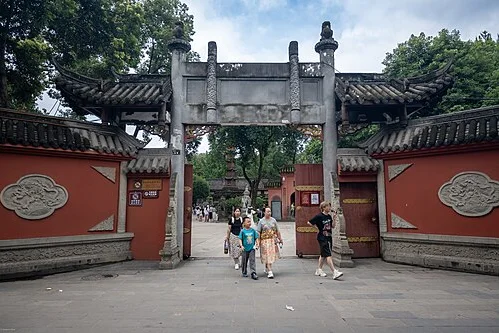
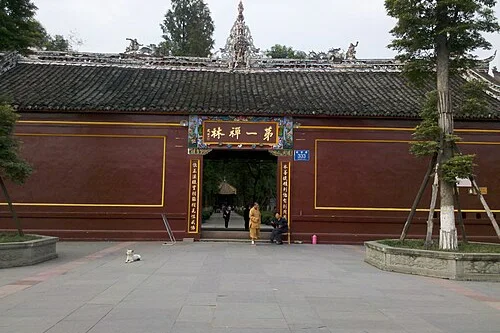
Zhaojue Temple's early history can be traced back to the Tang Dynasty, and Jianyuan Temple is an important old name. The name and the rise and fall of the Sangha went through many stages, and later generations rebuilt and continued the spiritual life. Understanding ancient temples from Qinglongchang, you can read about the long history and today's temples at the same time, and understand how a temple continues to preserve its heritage.
Yuanwu Keqin was the abbot here, which formed an important connection between Zhaojue and the Zen inheritance of the Song Dynasty. The Patriarch Memorial and Cemetery preserves the temple's respect for this period of history, and also allows the public to see the specific role of eminent monks in study, teaching, and inheritance. The cherishment of the teachings by later generations has allowed the culture of the ancestors to continue into today's visits.
Reconstruction in the Qing Dynasty allowed the damaged jungle to restore temples and monastic life. Continuity in the history of temples often comes from the joint efforts of many generations; one patriarch, one courtyard, and one preserved plaque each leave different levels of memory.
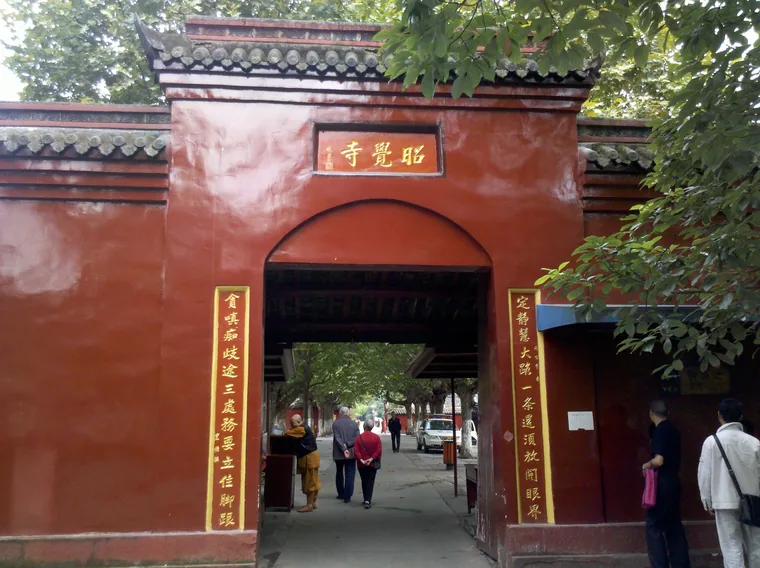
Follow history and understand Zhaojue Temple
- Tang Zhenguan period
Early Jianyuan Temple
The early history of this temple was connected with the Jianyuan Temple in the Tang Dynasty, and later it gradually adopted the name Zhaojue.
- 1135
The memory of Yuanwu Keqin’s ancestor
The historical account of Yuanwu's passing away at Zhaojue Temple is linked to the commemoration of later generations and the inheritance of Zen Buddhism.
- 1663
Rebirth of the Qing Dynasty
Master Zhangxue promoted the restoration, and the temples and jungle life gradually recovered.
- Since 1984
Modern restoration unfolds
The main halls and related spaces have been restored one after another to continue the temple’s study and worship functions.
- 1991
Main Hall Reconstruction Node
Rebuilding the main hall and installing the Trikaya Buddhas form an important part of the temple's modern history.
Why the Trikaya Buddhas are not three separate kinds of worldly wishes
The Trikaya Buddhas in Zhaojue Temple's main hall present Dharmakaya, Sambhogakaya and Nirmanakaya through Vairocana, Rocana and Shakyamuni respectively. These aspects connect truth and Dharma nature, cultivated merit and teaching adapted to beings' circumstances, providing context for wishes for wisdom and sustained learning.
To understand this combination, you don’t have to start with complex terminology. You can first see that it attempts to put together fundamental understanding, academic achievements, and enlightenment that enters the lives of sentient beings. The three expressions are interrelated, rather than each guaranteeing academic achievement, wealth, or a certain realistic outcome.
The disciples in the temple and the subject of arhat also make the inheritance of learning concretely visible. When understanding the statue, first identify the main deity, and then look at the disciples and other supporting characters. This will help to understand the levels of the hall and avoid calling all golden or white images the same kind of Bodhisattva.
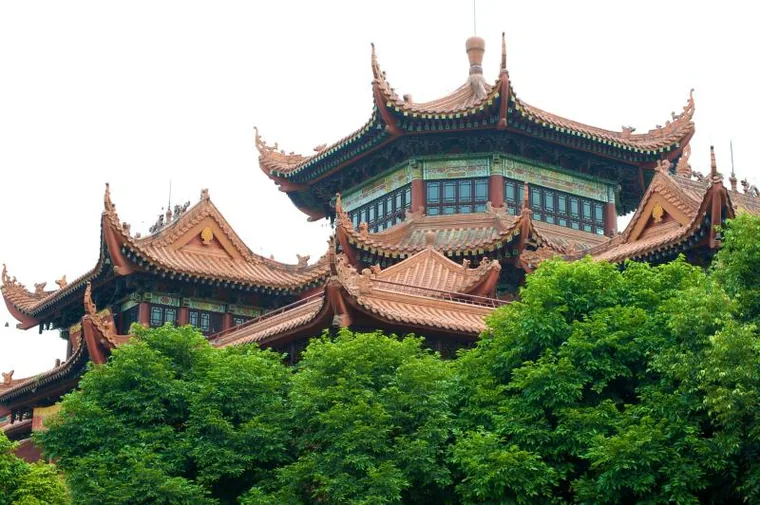
Antiquities and reconstruction coexist, allowing the temple to become a living space again
Zhaojue Temple currently has the central axis hall and Guanyin, Patriarch and other related spaces, which have been inherited for a long time and have also been restored in modern times. The restoration that began in the 1980s gradually restored the functions of many halls and monastic groups; the reconstruction of the Main Hall in the 1990s became an important node again.
Relics such as stone foundations from the Tang Dynasty, iron incense burners from the Ming Dynasty, scripture editions from the Qing Dynasty, and modern calligraphy and paintings allow different eras to meet at Zhaojue Temple. The origins of antiquities, palaces and temples each preserve their history. The preservation and reuse of old materials reflect the protection of future generations, making the way in which ancient temples continue to be visible.
In response to the interactions of modern figures linked to the plaques in the world, it also connects the ancient temple with social life. For ordinary people, respect can return to daily life from here: being willing to see reality clearly, be kind to relatives and friends, cherish teachings, and take serious responsibility where possible.
Understanding the Trikaya Buddhas, teachers and lineages at Zhaojue Temple
Zhaojue Temple's Trikaya Buddhas are a distinctive theme. Vairocana, Rocana and Shakyamuni express aspects of Buddhist awakening. They are not the Pure Land triad; the presence of three images alone does not make different groups equivalent.
The commemoration of the founder of Xianjue Hall has connected the study to the inheritance. When studying, paying tribute to teachers and friends, or seeking clarity during life transitions, you can explain what kind of teachings you have received, what you currently hope to see clearly, and how you are willing to continue learning. The care of family members can be understood from Guanyin’s theme of compassion.
Wenshu Monastery and Zhaojue Temple deserve distinct introductions. The Three Great Bodhisattvas at Wenshu and the Trikaya Buddhas and patriarchs at Zhaojue can help guide a choice. If you previously made a wish, recall where and to whom before arranging to give thanks.
Understanding the halls and the figures within them
| Palace or space | Figures and cultural roles |
|---|---|
| Main Hall | The Trikaya Buddhas · Vairocana, Rocana and Shakyamuni |
| Tianwang Palace | Maitreya, the Four Heavenly Kings and the Leading Theme |
| Guanyin Pavilion | Guanyin and other Three Great Bodhisattvas and related ancestors and arhat themes |
| Xianjue Hall | Memorial to the founders such as Yuanwu Keqin and Zhangxue |
Main Hall
Principal figures: The Trikaya Buddhas · Vairocana, Rocana and Shakyamuni
Zhaojue Temple's Trikaya Buddhas—Vairocana, Rocana and Shakyamuni—relate to Dharmakaya, Sambhogakaya and Nirmanakaya. These concern truth and Dharma nature, the splendour of cultivated merit, and a form that teaches according to beings' circumstances. Together they present aspects of Buddhist awakening through truth, practice and teaching.
The principal Buddhas, disciples and arhats in the main hall present a relationship of teaching and practice. The Trikaya doctrine is central, while the surrounding figures make lineage and learning visible. This setting can give context to wishes for wisdom, continued learning and using knowledge to help others. The Trikaya Buddhas, Western Triad and groups of Manjusri, Guanyin and Samantabhadra are distinct concepts; identify the figures and hall theme first.
Associated wishes: You can pray for understanding of studies, discernment of life choices and growth of happiness and wisdom, and also express willingness to have the patience to apply what you have learned to real situations. If you are going through a transition at work or at home, you can tell the problem you want to see clearly. I hope you will have determination in your heart, direction in your actions, and your family will be taken care of. The desire to discern and learn can include specific responsibilities, questions, and preparations, rather than just a general successful outcome.
Tianwang Palace
Principal figures: Maitreya, the Four Heavenly Kings and the Leading Theme
Maitreya, free translation of Cishi, is the future Buddha in Buddhism. The common images of joy and cloth bags in the Han region make compassion and hope for the future appear close; the image of generosity also carries the desire for family harmony, good encounters, and a calm life. Paying homage to Maitreya can be understood from the two clues of looking forward to a stable future and wishing to deal with others in good faith. The Four Heavenly Kings are respectively Zhi Guo, Zeng Zeng, Guang Mu, and Duo Wen. They are respected for their role of protecting the four directions and guarding the practice of learning.
Zhaojue Temple's restored Heavenly Kings Hall also preserves wooden imagery of welcoming and guidance to the Pure Land. Maitreya, the Heavenly Kings and these welcoming images concern hope, protection and refuge. Together with the Trikaya Buddhas in the main hall, they present different aspects of devotion and learning.
Associated wishes: You can wish your family safety, a smooth journey, and a new stage of life, as well as your own adjustment and peace of mind. If your family members are temporarily in two places, you can write down the care you hope to receive and the expectations for reunion, so that the thoughts of protection and kindness have a real life background.
Guanyin Pavilion
Principal figures: Guanyin and other Three Great Bodhisattvas and related ancestors and arhat themes
The Three Great Bodhisattvas in Guanyin Pavilion bring together Guanyin's compassion, Manjusri's wisdom and Samantabhadra's practice. Patriarchs and arhats preserve distinct roles in lineage and learning. These connected themes provide settings for both family wellbeing and personal growth.
Zhaojue Temple Guanyin Pavilion continues this group of themes in its restoration and inheritance, which not only presents Bodhisattva worship, but also accommodates ancestors and arhat culture. Looking at the relationship between the statues, we can find that care is not just about comfort, but also includes patient learning, understanding of the other person's situation, and willingness to give for a long time. The compassion of the temple is thus connected to the specific study life.
Associated wishes: You can pray for the growth of your children, the well-being of your parents, and a harmonious relationship. You can also express your hope that you will be more understanding and patient. If you are taking care of your family overseas, you can write down the people and situations you care about most, so that your thoughts conveyed to the Bodhisattva can be filled with peace, clarity, and companionship.
Xianjue Hall
Principal figures: Memorial to the founders such as Yuanwu Keqin and Zhangxue
Xianjue Temple commemorates Yuanwu Keqin, Zhangxue and other ancestors related to Zhaojue Temple. Yuanwu is connected to the inheritance of Zen Buddhism in the Song Dynasty, Zhangxue is connected to the reconstruction and revival of the Qing Dynasty, and eminent monks from different eras work together to continue teaching and learning in an ancient temple. Respecting the ancestors means cherishing the specific person’s teachings, practice and efforts to maintain the temple. It can also entrust the wishes of those who come after him to seek teachers, improve themselves and be grateful.
Looking back at the history of Zhaojue Temple from Xianjue Hall, the origin of the Tang Dynasty, the influence of the ancestors of the Song Dynasty and the reconstruction of the Qing Dynasty all have their own places. The commemoration of characters gives the long history of the temple an understandable time level, and also makes inheritance a process that some people are willing to teach, some are willing to learn, and some are willing to preserve. Thanking teachers and friends, wishing to persevere in what I have learned, and hoping that I can help others in the future can all echo this ancestral culture.
Associated wishes: You can thank a teacher, elder or fellow traveler who has inspired you, pray for their safety, and hope that you stay humble and make progress in learning. If you start to lead those who come after you, you can also express your hope that you will not lose patience and let the teachings and care you have received continue to be passed on.
Write down the concerns in culture as your own wishes
See the problem clearly and be willing to face it seriously
Main hall · the Trikaya Buddhas
The Trikaya Buddhas connect understanding with practice through Dharmakaya's truth, Sambhogakaya's cultivated merit and Nirmanakaya's teaching. Zhaojue Temple's main hall gives a setting for wishes to understand, learn over time and respond thoughtfully to different people and circumstances.
You can write down the most difficult topic or choice to understand recently, and pray for discernment, humility, and trustworthy guidance. If you are studying abroad or changing careers, you can also write down where you hope to use what you have learned, so that your wish for clarity includes both growth direction and family responsibilities.
Example of wish expression
I hope that I will not be in a hurry to answer all my questions, see my situation clearly, be willing to learn, and be willing to deal with what I can do seriously.
Family stability and patient support
Guanyin Pavilion·Compassion Theme
Guanyin is honoured for responding to suffering. Together with Manjusri's wisdom and Samantabhadra's practice, the Three Great Bodhisattvas in Zhaojue Temple's Guanyin Pavilion offer a setting for family wishes. These can concern support for loved ones, patient care, being heard and mutual understanding, especially for families living apart.
It can explain what kind of care parents, partners or children need most at present, and pray for smooth care and stable mood. If you can't be there for the time being, you can also write down the words you want to convey the most and what kind of contribution you are grateful for, so that the blessings can have real details and warmth between relatives.
Example of wish expression
I hope that someone will support my family when they encounter difficulties. I also hope that I will listen carefully first, not rush to rush, and be more patient with my companionship.
Thanks to mentors and friends, keep improving
Xianjue Hall Patriarch’s Inheritance Theme
Patriarchs such as Yuanwu Keqin and Zhangxue are commemorated in the inheritance and revival of Zhaojue Temple in different eras. Xianjue Hall gives the teacher’s kindness and continuous learning a specific character background: teaching allows future generations to gain direction, and practice and protection continue the monastery. The wish to be grateful to teachers and friends can therefore include the wish to meet a good teacher, to persevere in what one has learned, and to cherish the patience one has received. Gratitude for teachings does not only happen after graduation. Life transitions, work adaptation, and re-finding of direction may also make people remember an important sentence.
Describe the teaching or assistance that you are most grateful for, write down what you are still learning, and how you would like to continue to implement what you have gained.
Example of wish expression
Thanks to my mentors and friends for guiding me when I was confused. I hope that I will continue to study hard, never forget to ask for advice when encountering difficulties, and turn the help I receive into actions I am willing to take.
Calmness and care in the new stage
Palace of Heavenly Kings·Theme of Hope and Protection
Maitreya's compassion and future Buddhist faith carry hope and peace, and the protection and guidance of the King of Heaven enable the new stage to care for peace and refuge at the same time. These themes in the front hall of Zhaojue Temple provide a complete message for moving, studying far away, or family changes: I hope that the future will become stable, and that those who travel with me will be taken care of.
It can explain the ongoing work, study or family arrangements, praying for good luck, gentle communication, and stable progress of important things. If you leave home and your family misses you, you can also write down your expectations for reunion and mutual peace of mind, so that your hope is directed toward the future while cherishing the current relationship.
Example of wish expression
I hope that everyone will be safe in the new stage and take care of each other in case of trouble; I also hope that I will not be negligent due to anxiety and do everything I need to prepare for.
In the image, continue to get to know each other Zhaojue Temple
Chengdu Zhaojue Temple🔥Millennium Zen Forest🔥The First Ancient Temple in Western Sichuan🔥Conscience Temple🔥No tickets and no consumption🔥
Learn about Zhaojue Temple in Chengdu from the author’s field visit records.
峨眉师姐在纽约EMei NewYork · YouTube · in YouTube Watch original video
The image presents the environment and visit to Zhaojue Temple in Chengdu; the free tickets and consumption descriptions in the original title belong to the author's experience at the time and do not represent the current fixed arrangement. The roles of the Patriarch and Buddha and Bodhisattvas can be understood in conjunction with the text.
If playback is restricted by the network or platform, the original video entrance can be used.
Commissioned services and fees
$220 USD · Basic service fee
In Zhaojue Zen Forest, leave your thoughts for sobriety and care
The basic commission includes tickets, incense, Buddha worship and making wishes; pictures and video visit records correspond to the specific temple, the selected offerings and this commission, and are delivered privately.
You can also entrust your family together. It is recommended that there be no more than 3 people per order, so that you can express your feelings one by one.
A private visit record will be provided 1-2 working days after the service is completed.
Anxin provides entrusted services independently and does not represent the temple. The basic commission does not automatically include ancestor commemoration activities, special rituals or other temples in Chengdu, and special confirmation is required first.
Select your wish, desired date and offerings and submit the request, then add official customer service for verification. Submission does not mean successful reservation, payment or seat reservation.
Yes Submit request and confirm with our team . There is no need to log in for consultation; the appointment has not been successful after submission.
About Zhaojue Temple , you may also want to know
Are the Trikaya Buddhas the same as Manjusri, Guanyin and Samantabhadra?
No. The former refers to the Buddhist expressions of the Dharmakaya, the Sambhogakaya, and the Sambhogakaya; the latter refers to the three Bodhisattvas. Even if there are three of them, they are not interchangeable.
Are Zhaojue's Trikaya Buddhas the same group as Nanputuo's Three Buddhas?
Different combinations. The main hall of Zhaojue is introduced as Vairocana, Lusena and Sakyamuni; the front of South Putuo is introduced as Sakyamuni, Amitabha Buddha and the Medicine Buddha.
Is Yuanwu Keqin a wealth deity honoured at this temple?
Yuanwu Keqin was an eminent monk and the founder of Zen Buddhism in the Song Dynasty. This temple commemorates and preserves his teaching, training and inheritance influence.
Does the fact that the temple was built in the Tang Dynasty mean that the main hall is also the original structure of the Tang Dynasty?
This cannot be presumed. The temple has undergone reconstruction in the Qing Dynasty and restoration in modern times. The age of the antiquities, the age of the palace and the origin of the temple are explained separately.
Do the ancestors commemorated by Xianjue Hall all belong to the same period?
Patriarchs in different eras have different connections with the inheritance and revitalization of this temple and should be recognized separately. They are not all written as the original founders of the Tang Dynasty.
Does commissioning Zhaojue Temple include Wenshu Monastery?
The two temples are arranged separately, and the basic commission does not automatically include the scope of multiple temples. If you want to express different thoughts at the same time, you should explain it first and then confirm it.
How do Zhaojue Temple's Trikaya Buddhas differ from Wenshu Monastery's Three Great Bodhisattvas?
The Trikaya Buddhas—Vairocana, Rocana and Shakyamuni—concern aspects of Buddhist awakening. The Three Great Bodhisattvas are Guanyin, Manjusri and Samantabhadra. Their names and identities differ; do not reduce both groups to an unspecified “three holy figures”.
I want to thank my teacher at Zhaojue Temple. How can I organize my wishes?
Write down what was taught that was helpful to you, how it changed your choices or learning, and what you would like to continue to practice. You can also express your blessings for the safety of your mentor and friends, so that your gratitude can have a concrete experience.