Quick understanding
- Which figures can I learn about at Fayuan Temple?
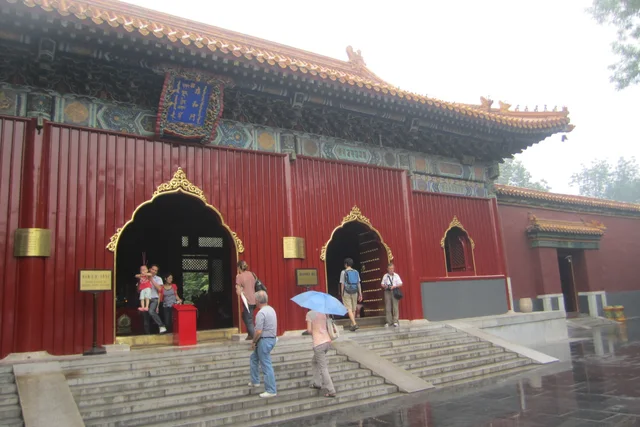
The Vairocana Buddha in the Vairocana Hall, the different Bodhisattva statues in the Guanyin Hall, and the Shakyamuni nirvana wood carvings in the Sutra Hall space, each have different cultural themes; there are also Maitreya and Dharma protectors in the Heavenly King Hall.
- Are Fayuan Temple and Minzhong Temple the same place?
Minzhong Temple was one of the early names of this temple. Later, it was rebuilt and renamed. It was named Fayuan Temple during the Yongzheng period of the Qing Dynasty.
- Can the Lilac Poetry Society represent the entire life of the monastery?
Lilacs and poetry are important cultural clues. The temple also has the learning tradition of the Chinese Buddhist Academy and the preservation value of Buddhist cultural relics and ancient books. It is not just for the spring flowering period.
- Location
- Fayuan Temple Front Street, Xicheng, Beijing
- Historical title
- Minzhong Temple, Fayuan Temple
- Important traditions
- Buddhist education and preservation of ancient books and cultural relics
- Cultural memory
- Lilac, poetry and Xuannan’s life
In Fayuan Temple, put the things you care about
Fayuan Temple's history of remembering the loyal, its Buddhist college and Guanyin traditions provide a setting for learning, remembrance and family care. Understanding the particular temple and figures can help you find words for a quiet, sincere intention.
Thoughts and unfinished gratitude
Based on the theme of the history of mercy and the reclining Buddha, it expresses commemoration and concern for those who are still around.
Continue to learn →Meet Pilu and Guanyin
Dharmakaya Light and Compassionate Listening have their own themes, and the names of the temples should not be confused with the characters.
Continue to learn →Compare another ancient temple in Beijing
Tanzhe Temple and Fayuan Temple each have historical and original temple connections.
Continue to learn →In the name of loyalty, remember the original memorial theme of the ancient temple
Fayuan Temple's early history is linked to the Tang Dynasty's desire to honor fallen soldiers. The aspiration to build the temple, the actual construction and the name of the Minzhong Temple span different stages; the starting point of the Zhenguan period of the Tang Dynasty and the later years of its construction should be viewed separately.
The temple was damaged, rebuilt and renamed. It was called Chongfu Temple in the Ming Dynasty and Fayuan Temple during the Yongzheng period of the Qing Dynasty. Nowadays, most of the main buildings have the construction level of the Qing Dynasty. The early history does not mean that every palace is preserved as it is from the Tang Dynasty.
The historical theme of mercy and loyalty makes the intention here not only related to personal expectations, but also to accommodate remembrance, gratitude and cherishing a peaceful life. When writing down your concerns, you can truly express a relationship or memory without letting complicated nouns obscure what you most want to say.
Follow history and understand Fayuan Temple
- Zhenguan period of Tang Dynasty
Recommendation and desire to build a temple
The early history of the temple was related to the memory of the fallen soldiers, and its construction and completion spanned different stages.
- 696 years
The construction level of Minzhong Temple
The early construction of the dojo was completed in the Tang Dynasty, and the name of Ming Zhong carries the theme of commemoration.
- Ming Dynasty
Reconstruction and title of Chongfu Temple
The temple continues in the reconstruction, with new layers of architecture and temple name.
- Qing Yongzheng period
The name of Fayuan Temple
Due to renovations and naming in the Qing Dynasty, Fayuan Temple became a common name for later generations.
- 1956
China Buddhist College was established
Modern Buddhist education is connected with the study and practice life in ancient temples.
- 2002
Restoration of Lilac Poetry Society
Lilac and poetry traditions continue to be passed down in Xuannan cultural activities.
Bronze Buddha, wood carvings and different Bodhisattva images, the materials also tell the history
The Vairocana Buddha in the Vairocana Hall has a distinctive image made of bronze Buddha statues and surrounding Buddha statues. The theme of Vairocana is connected with the dharma body and the radiance of light. It can be understood from the perspective of clarity, equality and serious living. It is not necessary to directly equate the solemn size with the effectiveness of wishes.
Guanyin Hall, also known as the Great Compassion Altar, preserves the culture of different Bodhisattva statues. Guanyin expresses his compassion by listening to the call and rescuing those in need. Other images in the same hall have their own identities and traditions. Materials such as wood and copper and different shapes give the hall a rich level of craftsmanship and history. When viewing, you can understand the characters, statues and themes of compassion at the same time.
The Ming Dynasty wood carving Shakyamuni Nirvana statue in the space of the Buddhist Sutra Building is often remembered as the Reclining Buddha. The lying posture presents the theme of Buddhist nirvana, not another god responsible for the consequences of sleep; the value of ancient sculpture art can also be seen from the size of the wood carving, the clothing pattern and preservation.
In addition to lilacs, scriptures and learning allow ancient temples to continue to grow
In 1956, the Chinese Buddhist College was established in Fayuan Temple. The ancient temple is thus connected to modern Buddhist education. Classes, scriptures, and study and practice life together constitute the inheritance; public visits and formal teaching each have their own arrangements and objects.
The Chinese Buddhist Library and Cultural Relics Museum preserves books, images and inscriptions from different periods and materials. Not every collected object was originally venerated in this temple. Distinguish collection history from the devotional setting of a hall.
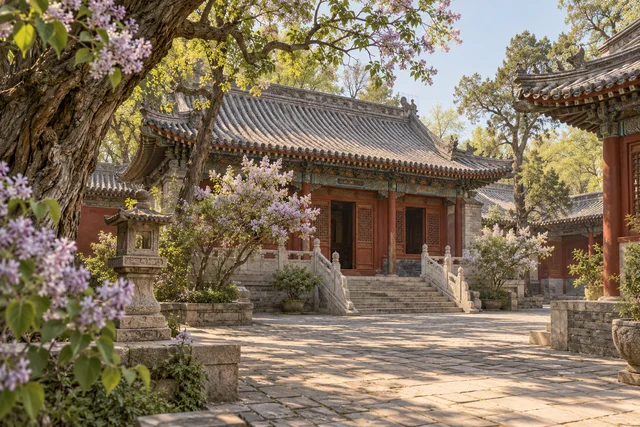
The exchange of spring lilacs and poetry has made Fayuan Temple a part of Xuannan culture. Flowers bloom in season, but the preservation and study of ancient books requires long-term investment. When expressing your gratitude for your studies, gratitude, and care for your family, you can also be patient and see the contributions that are made silently but continue to occur.
From compassion, loyalty and learning, place gratitude, longing and seeking knowledge
Fayuan Temple is in Beijing, not the same place as Fahai Temple. The history of loyalty provides a concrete background for commemoration and remembrance, and the Chinese Buddhist Academy and scripture culture provide another clue to understanding the ancient temple through learning, seeking verification, and grateful teachings.
If you want to be clearer in a complicated life, you can understand the theme of Vairocana; if you care about your family's recuperation and get along with each other, you can read Guanyin (compassion); to commemorate an old friend, you can combine the impermanence and remembrance of the reclining Buddha, and leave thanks in your own words. There is no conflict between studying and longing, and you can both cherish the people who have accompanied and taught you.
To give thanks, identify the original temple and wish, then describe the change you appreciate. Learning about the Buddhist college and cultural collection does not include classes, close-up collection photography or particular seasonal views in a basic visit. Services follow the current list and confirmed arrangements.
Understanding the halls and the figures within them
| Palace or space | Figures and cultural roles |
|---|---|
| Pilu Hall | Vairocana Buddha |
| Guanyin Hall·Altar of Great Compassion | Guanyin Bodhisattva Theme and Different Bodhisattva Statues |
| Reclining Buddha in the Sutra Tower and Statue Culture | Shakyamuni Nirvana Statue |
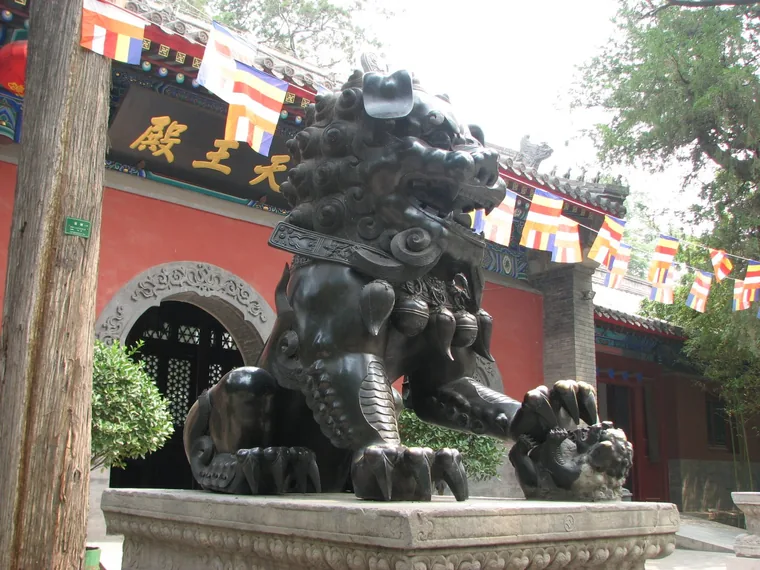
| Tianwang Palace | Maitreya, Skanda and the Four Heavenly Kings |
Pilu Hall
Principal figures: Vairocana Buddha
Vairocana Buddha is connected with the Dharmakaya of Buddhism to express universal truth and perfect enlightenment. Light is an important clue for people to understand his name and image. The meaning of the Dharmakaya transcends a person's life story and points to the reality explained by the Buddha's teachings. By paying homage to him, people often hope for increased happiness and wisdom, understanding of affairs and clarity of mind, and they are also willing to view their own and other people's situations with a broader and more equal mind.
Fayuan Temple The bronze Vairocana Buddha and the surrounding Buddhas form the image of "thousands of Buddhas surrounding Vairocana". The main deity and the group of Buddhas make the vast meaning of the Dharmakaya visible. The harmonious whole and meticulous craftsmanship jointly preserve respect and artistic value, and also enable Qingming to connect with a broader understanding: seeing one's own situation, while cherishing the lives and needs of different people.
Associated wishes: You can pray for a clear mind, wise judgment and family stability, and explain the issues you most want to understand. If you have often neglected others due to impatience recently, you may also want to be more patient, equal and caring, so that you can seek clarity while taking gentle care of the relationship.
Guanyin Hall·Altar of Great Compassion
Principal figures: Guanyin Bodhisattva Theme and Different Bodhisattva Statues
The name of Guanyin (Avalokiteshvara) is associated with hearing the suffering of all living beings and responding with compassion. Different images of Guanyin allow this relief and care to enter various life situations, so people often pray for the well-being of relatives and friends, safe travels, and help in difficulties. Compassion also includes understanding the needs of others, so family relationships, thoughts and gratitude can all become concrete and intimate thoughts in Guanyin worship.
The names of the Great Compassion Altar and Guanyin Hall preserve the theme of compassion, and the different statues, such as wood and bronze, present craftsmanship and historical layers. The images of Bodhisattvas in the same hall each have their own identity. Guanyin's voice and rescue in distress especially make family care, understanding and help in difficulties become close to his heart. By understanding these arts, in addition to respecting culture, we can also cherish our ability to care for ourselves and others.
Associated wishes: You can write down the care that your family needs most at the moment, and pray for smooth care and physical and mental stability. If you can't always be with them due to living overseas, you can also express your gratitude and care, so that your loved ones feel heard and the caregiver's efforts are also cherished.
Reclining Buddha in the Sutra Tower and Statue Culture
Principal figures: Shakyamuni Nirvana Statue
The Shakyamuni Nirvana statue in a reclining position represents the religious themes of the final stage of the Buddha's life, concerned with impermanence, enlightenment and the continuation of his teachings. Watching the Reclining Buddha can help you think about how to cherish company, settle your thoughts, and continue to practice. Respect to the master not only preserves the solemnity of life, but also carries the intention of thanking the deceased, wishing for the peace of relatives and friends, and cherishing the present moment seriously.
Fayuan Temple is a large Ming Dynasty wood carving of the Reclining Buddha in the Sutra Collection Building. It preserves cultural relics and culture together with scriptures and statues from past dynasties. The age of the ancient statues, surrounding collections and buildings have their own origins, allowing visitors to understand Buddhist teachings and long-term preservation at the same time. Expressing remembrance and gratitude through the theme of Nirvana can provide a clear sustenance for commemoration, and hope that those who are still with you will be considered. The Reclining Buddha represents the theme of Shakyamuni's Nirvana and should be understood separately from another independent Buddha; the memory of the Buddha can also be cherished in gratitude by those who can still be with it.
Associated wishes: You can write down the name of the person you miss and the experience you want to be most grateful for. May he be in peace. If there are still unfinished words, you can also use familiar language to express it. May the family support each other in commemoration, so that the thoughts and current life can be taken care of tenderly. You can write down your thoughts, unfinished gratitude, and concern for your family separately to keep the memorial concrete and tender.
Tianwang Palace
Principal figures: Maitreya, Skanda and the Four Heavenly Kings
Maitreya, free translation of Cishi, is the future Buddha in Buddhism. The familiar image of joy is associated with generosity, good deeds and future harmony. Wei Tuo is the heavenly general who protects the Dharma and the temple; the Four Heavenly Kings, Zhi Guo, Zeng Zeng, Guang Mu, and Duo Wen respectively contact the guardians of the four directions. Maitreya's compassion and the solemnity of the protector together form the theme of welcome and protection, giving cultural suspense to the new stage of auspiciousness, family harmony and safe entry and exit.
Fayuan Temple The Temple of Heavenly Kings is represented by Maitreya in the form of a cloth bag, with Wei Tuo behind and the Heavenly Kings on both sides spread out in front to salute. The closeness of compassion and the solemnity of protection enable those who enter the temple to place their hopes for good fortune in the future, as well as to wish for their family, long journeys and daily stability. Different roles together give each character a specific image of being happy to treat others and guarding one's studies.
Associated wishes: It can express your feelings for a new life, a safe journey and family harmony, and explain the situation where you most hope to understand each other. If you are taking on responsibilities, you can also pray for a stable mind and good support, so that your protective mind will remember the people you are traveling with.
Write down the concerns in culture as your own wishes
I wish to have a clear mind and see others
Pilu Hall·Qingming and Equality Theme
The dharma body and light connotation of Vairochana are concerned with the understanding of reality and the vastness of enlightenment; "Thousand Buddhas Surround Vairocana" turns this overall relationship into a statue. Fayuan Temple thus provides a cultural background for seeking clarity, willing to see the situation clearly, and also willing to understand others with a broad and equal mind, allowing wisdom and compassion to enter into choices together.
You can write about the most difficult thing to see clearly at the moment and pray for discernment, patience and trustworthy support. If it involves family or cross-cultural interactions, you can also be willing to hear different experiences yourself so that you can make a clear judgment while cherishing the other person's feelings.
Example of wish expression
May I see important things clearly in the chaos, and not ignore the needs of others out of eagerness; I hope that I can take the next step seriously in a clear and gentle way.
Give your family a feeling of care
Guanyin Temple·Compassion and Listening Theme
Guanyin's compassion for hearing and rescuing the suffering connects hearing and response, and the Great Compassion Altar preserves his concern for the suffering of all sentient beings in the name of the temple. I would like to wish my family members good health, receive the support they need, and hope that they can get along with each other with understanding. The distance and concern between families in two places overseas can be expressed through specific current situations.
It can explain the most difficult things for your loved ones recently, praying for physical and mental stability and smooth care. You can also thank those who have given help, wishing them good health, and let the blessings remember both the receiving and caring parties.
Example of wish expression
May your family be safe and be heard carefully. I also wish that I would worry less about myself, ask more patiently, and turn my concerns into appropriate help.
Remember the ancestors and cherish those who can still be with you
The history of mercy and the theme of Reclining Buddha·Memorial
The Nirvana theme of the Reclining Buddha makes people realize impermanence and cherish the continuation of teachings and goodwill. Fayuan Temple The Ming Dynasty wood carving of the Reclining Buddha can therefore provide a clear context for memorialization: I am grateful for the companionship I received from my deceased friend, wishing him peace, and wishing those who are still around him to support each other. Memorial can retain longing and closeness, and be carried with tenderness. Regret does not necessarily require strong words; remembering how you were cared for is also a serious attempt to preserve the relationship.
Write down a familiar title, a small thing that you want to remember most, and wishes; if it is a continuation of your previous wishes, add the location and agreement at that time.
Example of wish expression
May you rest in peace. Thank you for your continued care. Some of my gratitude was not expressed properly at the time, but I still remember it now. I hope my family will cherish each other, support each other, and keep the goodwill they have received in their lives.
Willing to learn, have patience, and have a desire for verification
Buddhist Academy and Ancient Books·Learning and Tradition
Fayuan Temple is connected to the Chinese Buddhist Academy and the culture of preserving scriptures. Buddhist studies attach great importance to listening, thinking and practice, and cultural relics preserve the knowledge of different generations. Therefore, the desire to study can be expressed in the desire to have a deeper understanding, to meet a good teacher, to cherish the pursuit of verification and to accumulate knowledge over a long period of time. Cross-cultural learners can also rely on this tradition to inspire humility and patience.
You can write down the direction you are studying, thank those who have taught you, and pray for concentration, clear guidance, and good relationships with teachers. If you encounter a stagnation in the near future, you can also hope to be physically and mentally stable and have the courage to ask for advice so that your learning can continue to be supported.
Example of wish expression
I hope that when I study, I will not rush to conclusions and be willing to ask for advice when I don’t understand something; I hope that I can do the exercises I can do every day and remember to thank my teachers for their efforts.
In the image, continue to get to know each other Fayuan Temple
Vibrant August, Meet Beijing—Fayuan Temple
Understand the ancient hall and summer courtyard of Fayuan Temple through images of Beijing cultural tourism.
Visit Beijing · YouTube · in YouTube Watch original video
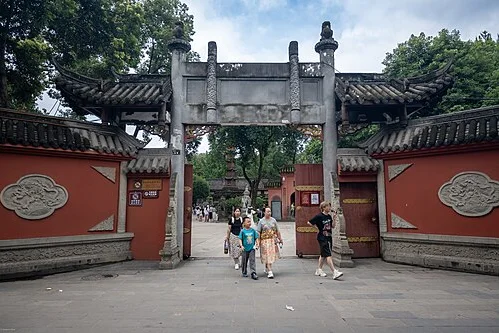
The video revolves around the Fayuan Temple in Xicheng District, Beijing. It is an introduction to the architecture and environment of the ancient temple; the relationship between the historical statues in the temple and the Buddhist academy can be understood in conjunction with the text.
If playback is restricted by the network or platform, the original video entrance can be used.
Commissioned services and fees
$220 USD · Basic service fee
At Fayuan Temple, write down your thoughts for care, remembrance and learning
The basic commission includes tickets, incense, Buddha worship and making wishes; pictures and video visit records correspond to the specific temple, the selected offerings and this commission, and are delivered privately.
You can also entrust your family together. It is recommended that there be no more than 3 people per order, so that you can express your feelings one by one.
A private visit record will be provided 1-2 working days after the service is completed.
Anxin provides entrusted services independently and does not represent the temple. Buddhist academy courses, special recommendations, close-up photos of cultural relics, lilac poetry gatherings and designated flowering period images are not automatically included in the basic commission.
Select your wish, desired date and offerings and submit the request, then add official customer service for verification. Submission does not mean successful reservation, payment or seat reservation.
Yes Submit request and confirm with our team . There is no need to log in for consultation; the appointment has not been successful after submission.
About Fayuan Temple , you may also want to know
Are Fayuan Temple and Fahai Temple the same place?
No. This page is for the Fayuan Temple in Qian Street, Xicheng, Beijing. Please confirm with the specific temple name and location. Do not apply the introduction of Fahai Temple murals and so on.
Do I need to choose Minzhong Temple and Fayuan Temple separately?
Minzhong Temple is the early historical name of this temple. Fayuan Temple is the name of the temple that has been popular since the Qing Dynasty. This page refers to the evolution of the same temple.
Is the reclining Buddha a different figure from Shakyamuni?
The wooden reclining Buddha here is the theme of Shakyamuni Nirvana. The reclining posture is the expression of the statue and does not represent another god who is in charge of the results of sleep.
Can all the Bodhisattva statues in Guanyin Temple be collectively called Guanyin?
The statues in the same hall preserve the identities and artistic traditions of different Bodhisattvas, and their characters, craftsmanship and cultural themes can be understood respectively. Guanyin is especially popular for his compassion and relief of suffering.
Can I directly take courses at the Chinese Buddhist Academy?
Formal teaching and public visits are arranged separately. Basic entrustment does not automatically include admissions, lectures or academic activities.
Does the commission guarantee that the lilac flowers and the entire collection will be photographed?
Not guaranteed. There are actual conditions for flowering period, weather, exhibition, opening and cultural relic shooting range, and special needs need to be confirmed separately.
I want to express my condolences, but I am not familiar with religious titles. How can I write it?
You can use a customary title, write down a memory, thank you or unfinished words, and wish the deceased peace and family support each other. Just be sincere and clear, don't use long terminology that you don't understand.
Why can we start from Fayuan Temple if we want to study and work?
Buddhist schools, scriptures, and study culture provide a concrete context for listening, thinking, and seeking evidence. You can write about current learning problems, guidance you hope to obtain, and thank you to those who have patiently taught you.