
Let’s look at these questions clearly first
- Among the four temples, what should be compared first?
Yonghe Temple follows Tibetan Buddhism, Baiyun Temple is Taoist, and Tanzhe Temple and Hongluo Temple follow Chinese Buddhism. Distinguish their traditions, figures venerated and your own devotional customs before considering family wellbeing, relationships, learning or giving thanks.
- How can I narrow my choice for wishes about relationships or family wellbeing?
When talking about Hongluo Temple, people often think of Guanyin and marriage; the Guanyin Temple of Tanzhe Temple also gives family members a concrete understanding of their concerns. Those familiar with Tibetan Buddhist or Taoist traditions may also recognize Yonghe Temple and Baiyun Temple respectively. When you have already contacted the original temple, respect the habits of yourself and your family first.
- I have made a wish before, should I choose a temple again now?
To give thanks, begin with the original temple, figure honoured, wish and promise. Do not substitute a different Beijing temple simply because it is better known or shares a religion. Our support team will confirm any special arrangements with you.
The small screen allows you to swipe left or right to see the full comparison.
| Temple view | Tradition and main objects of knowledge | Common thoughts and choice clues |
|---|---|---|
| Yonghe Temple | Tibetan Buddhism; Shakyamuni, Maitreya and the lineage of practice | Family peace, study and life stage; suitable for continuing to understand the royal monastery and Tibetan Buddhist culture |
| Baiyun Temple | Taoist temples; the Three Pure Ones, ancestors and related gods | Stability, self-cultivation and gratitude; explore specific figures through familiar Taoist customs |
| Tanzhe Temple | Han Buddhism; Ancient Temple Buddhist Hall and Guanyin Hall | Family care, life turning points and gratitude; ancient temples, mountains and family memories can jointly become reasons for choice |
| Hongluo Temple | Chinese Buddhism; Pure Land Patriarch, Three Saints of the West and Guanyin Culture | Marriage, relationship harmony and family stability; first look at the relationship stages, and then understand the Pure Land and the tradition of compassion |
Let’s start with your relationship with the temple.
The popularity of the temple helps us understand it, and our own experience often determines why we choose it. The place where your family goes every year, the palace where they made wishes, and the mountain gate we walked through together when we were children can all be concrete connections. Before sorting out wishes for your family, you can also ask them what kind of ritual traditions they are familiar with.
If you have no prior connection, you need not read every temple at once. Decide whether you want to explore Buddhist or Taoist traditions, then learn about one temple's principal figures, culture and common intentions. The table narrows your options; temple pages explain how halls and figures relate.
Family peace and marriage, how to be more specific
Keeping your family safe can mean wishing that your parents far away can live a stable life, hoping that the family will support each other, or it can also mean cherishing ordinary life. The Guanyin Temple of Tanzhe Temple and the Guanyin culture of Hongluo Temple both provide specific clues to understanding compassion and care; the architecture and inheritance of the two temples are different, and you can return to your own concerns after reading.
The marriage associations of Hongluo Temple can be further subdivided: looking forward to a sincere encounter, hoping for a stable existing relationship, preparing to enter a common life, or hoping for more understanding between family members. Writing down the stages of the relationship and the actions you are willing to take can make your wishes closer to you than a general "seeking marriage".
Yonghe Temple and Baiyun Temple are connected to different families' devotional customs. If your family has a longstanding connection with one, a list of themes need not override it. Learn about the figures and then express your own intention.
For distant parents
I hope my parents can live a stable life and have care and support when they encounter difficulties; I hope that even though I am far away, I can seriously include greetings and companionship in my daily life.
To meet and get along
I hope that I will meet people who treat each other sincerely, I hope that the existing relationship will be more listening, trusting and responsible, and I hope that I will learn to cherish and respond.
When choosing study and career, first understand wisdom and cultivate your mind
Studying doesn’t just happen before exams. Changing majors, returning to school, preparing for professional qualifications, or facing important decisions all require clear understanding and careful preparation. The training and inheritance of Yonghe Temple, the mind cultivation and ancestor culture of Baiyun Temple, each have clues that can be continued to be understood; do not confuse the different objects of Buddhism and Taoism into the same set of ways of praying.
To express your wishes for your career, you can also clarify the stage of your wish to be realized: finding a suitable job, stabilizing your life rhythm, or completing a long-term plan. Wealth, work and life are often intertwined, but the more specific the things you care about most, the easier it is to organize your wishes.
For the new work phase
I hope that new job opportunities will be consistent with my direction, cooperation will be sincere, and work will be practical; I hope that I will keep learning and give my family and myself time to live a serious life.
Giving thanks: start with the original temple and any promise you made
After a wish comes true, people often return to the place where they paid respects to express gratitude. Giving thanks starts from that connection rather than choosing a new temple: recall whom the visit was for, the wish you expressed and any promise, then describe what has actually changed.
If there is no complicated agreement, you can also express your gratitude solemnly; if you have made a promise of good deeds and companionship by yourself, continue to implement it in your life. When it comes to special offerings, tablets or specialized rituals, they are not considered to be automatically included in the basic service.
- 01
Remember the original temple
Indicate the specific name of Yonghe Temple, Baiyun Temple, Tanzhe Temple or Hongluo Temple, and the remembered object of worship.
- 02
Looking back on original wishes
Explain the concerns and changes that have occurred at the time, and retain the original specific agreement.
- 03
Check arrangements
Check the corresponding services and current quotations. Special matters must be confirmed by customer service first.
See the current expenses clearly, and then make arrangements accordingly
Anxin provides offline commissions according to specific temples. The basic service includes tickets, incense, Buddha worship and making wishes, and supports private visit record of pictures and videos corresponding to this commission; flowers, apples, holy lamps and holy water are optional, one for each item, and the fees are listed on the page.
The current basic fee for each temple is shown at the entrance below. After entering, you can continue to select offerings and check the total amount. The date is based on Beijing time, at least 1 day in advance. Check the schedule for the next 15 days. The actual opening status and reservation availability of the selected temples are subject to the reservation entrance.
After submitting your request, contact our official team to confirm the date and payment method. Once the arrangement is confirmed as awaiting payment, your place is held for a full 48 hours. Verified receipt of funds, service scheduling and private visit records delivered within 1–2 working days after service completion are recorded separately.
And these specific questions
Which temple is the most spiritual? Can you rank them in order?
Traditions, figures and family experiences draw people to different temples. This guide helps you choose through particular figures and intentions, without turning personal experiences into rankings of spiritual efficacy. Begin with your original connection, then explore the figures involved.
If you are not familiar with Buddhism and Taoism, which page should you read first?
Start with the four-temple comparison and choose the place you most want to explore. The Yonghe–Baiyun comparison explains Buddhist and Taoist figures; the Tanzhe and Hongluo pages introduce Guanyin, Pure Land and relationship customs in their distinct settings.
To make a wish for a family member, do I need to provide my complete birthday and address?
Just use a title and content that is sufficient to express concern. Do not collect additional privacy such as complete birthday and address for solemnity. If you have necessary information, please check the purpose with customer service first; the visit record and wishes will be delivered privately according to your order.
Can both Tanzhe Temple and Hongluo Temple express wishes for the safety of my family?
Both temples have cultural clues related to Guanyin's mercy, and each has its own Buddhist temples and historical traditions. You can choose based on your family's habits, memories of the original temple and specific concerns, and then read the introduction to the corresponding temple.
If I am in Japan or South Korea, how do I calculate the date and customer service time?
The service date is checked according to Beijing time. Customer service is available from 09:00 to 24:00 Beijing time every day, and from 10:00 to 01:00 the next day in Japan and South Korea. The first reply is usually within 1 hour. The reservation window and service items are arranged according to the same temple rules.
After choosing a temple, do I have to add customer service before continuing?
First check the corresponding temple and the transparent fee, and then contact the official customer service after submitting the entrustment. If you have original wishes or special arrangements, please state them before confirming the date and actual payment method; submission does not mean successful reservation or payment.
Start with the temple you are most connected with
Photo attribution and permission
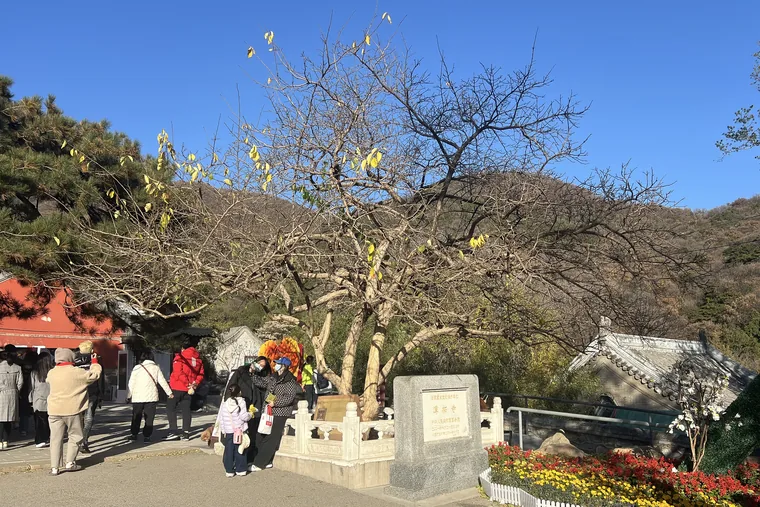
The mulberry trees and mountain forest courtyard of Tanzhe Temple
Photography: N509FZ · Original file · CC BY-SA 4.0
Keep the correct orientation according to the EXIF of the original image, scale it proportionally and convert it to WebP, without changing the architectural or statue content; derived images use the original license . The pictures are used to understand the temple culture and are not used as samples for safe performance of the contract.
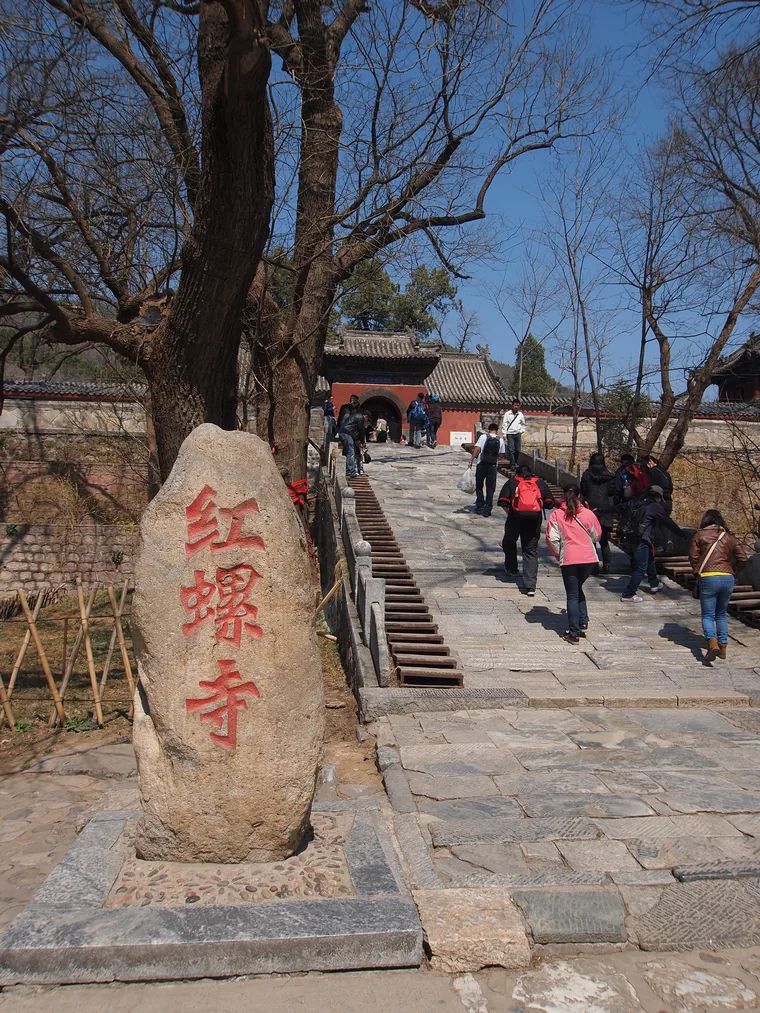
Hongluo Temple Stone steps in front of the ancient temple and famous temple stones (photographed in 2012)
Photography: rheins · Original file · CC BY 3.0
Keep the correct orientation according to the EXIF of the original image, scale it proportionally and convert it to WebP, without changing the architectural or statue content; derived images use the original license . The pictures are used to understand the temple culture and are not used as samples for safe performance of the contract.